&imwidth=800&imheight=600&format=webp&quality=medium "THIS space telescope could crash any time. NASA will launch a spacecraft from plane to save it")
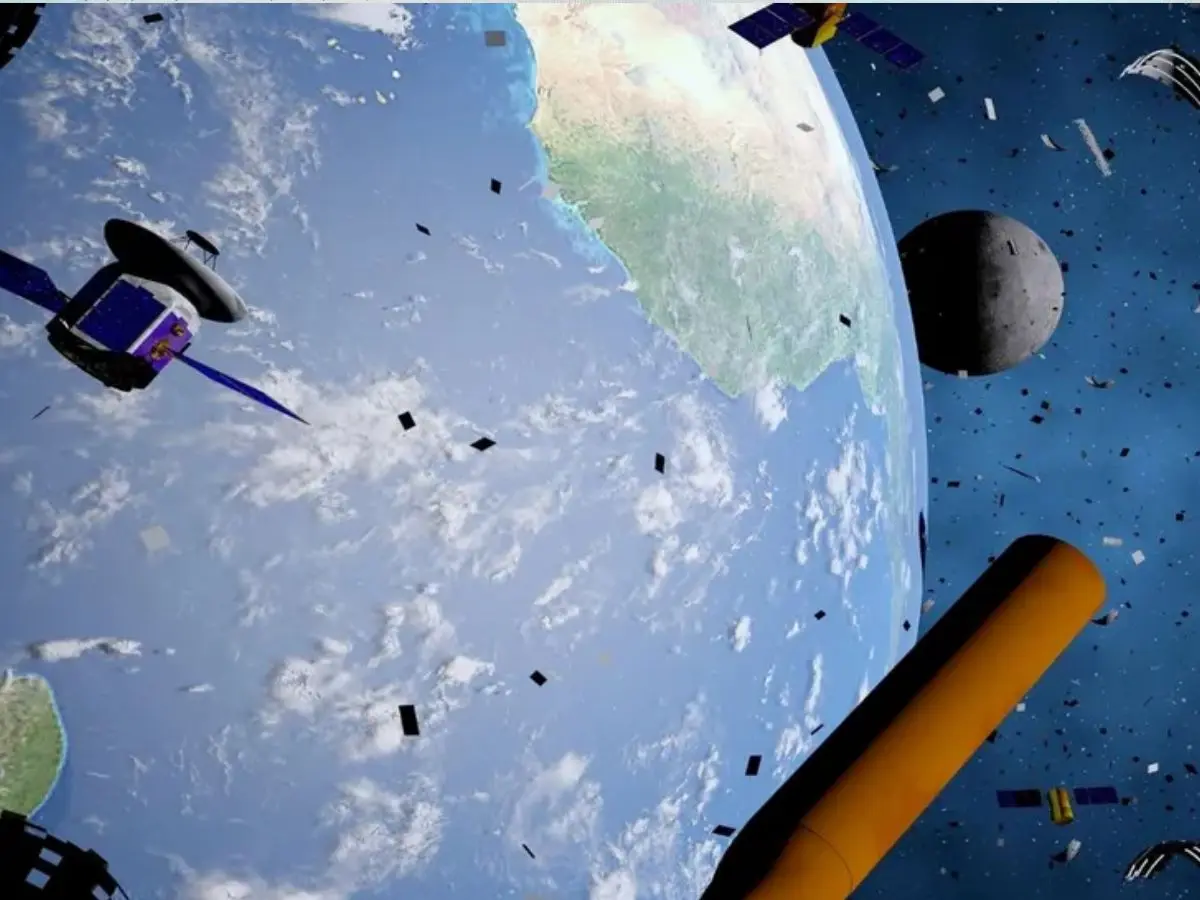
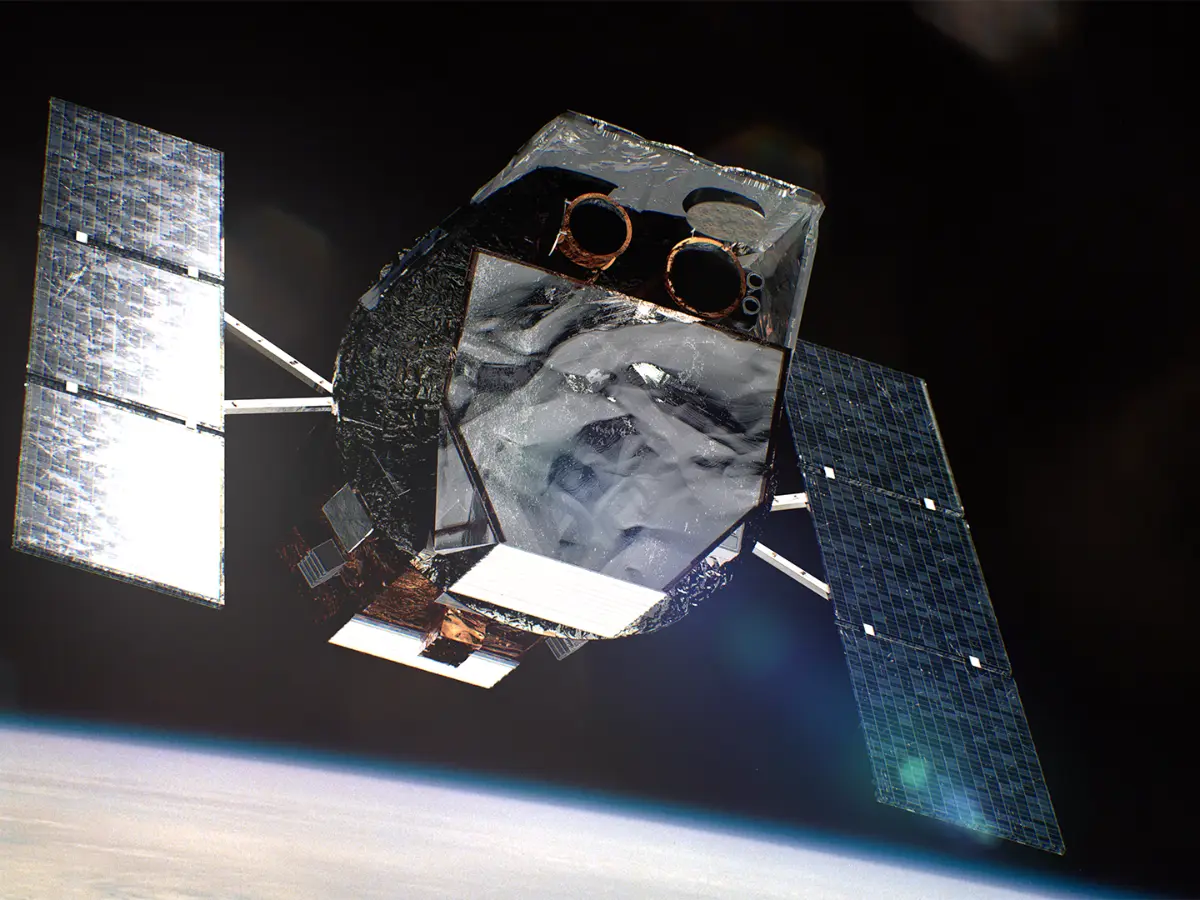
NASA is preparing to launch a spacecraft not from the ground but from a plane after it is carried to space on a Pegasus XL rocket. The mission is intended to prevent a telescope from falling to Earth, something that will happen by June this year if nothing is done about it. The space agency has only about two months to avert this danger and so has come up with this offbeat plan. The telescope in question is the Neil Gehrels Swift Observatory. It was launched on November 20, 2004, and has been observing the universe for 22 years. However, its orbit is now thinning and increasing the drag on it, putting the telescope in danger of falling to Earth. This happens because of the Earth's atmosphere, which doesn't just vanish when we cross into space. It is present, albeit it is much thinner. This exerts a slight but steady drag, slowly pulling orbiting spacecraft closer to Earth. Solar storms can worsen the conditions, increasing the drag. Our Sun is in a period of solar maximum, which has led to several flares and geomagnetic storms, and Neil Gehrels is apparently paying the price.
According to NASA, the chances of the telescope crashing by June 2026 stood at 50 per cent in November 2025, and there is a 90 per cent chance of that happening before 2027. So it had to come up with a plan fast. It entrusted the responsibility of ensuring it does not happen to Katalyst, a company that has built a $30 million robotic spacecraft, which will carry Swift and place it in a more stable orbit. Named LINK, it has been undergoing testing at NASA’s Goddard Space Flight Center since April 14. S. Bradley Cenko, Swift’s principal investigator at NASA Goddard, said in a statement that "NASA awarded Katalyst a contract to attempt to boost Swift with the company’s LINK satellite", and "the teams are creating the best opportunity possible to extend Swift’s lifetime."

LINK will be launched from space into space
In the meantime, the Swift team turned off instruments on the observatory to reduce power consumption. They repositioned its solar panels to reduce drag, handing scientists more time to fix the problem. There is no official word on when LINK will launch, although engineers have come up with an interesting plan. Instead of shooting from the ground to space, the spacecraft will be carried on a Pegasus XL rocket developed by Northrop Grumman and will be launched from a plane. This is because the set-up at the US spaceports does not allow for a simple trajectory to reach Swift. Scientists are hoping to extend the lifespan of the space observatory and create a blueprint in the process for how humans operate in space.
Trending Stories
)
BRICS Summit 2026: PM Modi, Xi reach key consensus on ties, China to assume BRICS chairmanship in 2027
)
US diplomat accused of possessing child abuse images secretly flown out of UK by US Marines
&im=FitAndFill=(700,400))
Why European Meteor missiles use ramjet engines compared to standard US solid rockets
&im=FitAndFill=(700,400))
Why Chinese PL-15 air-to-air missiles use dual-pulse motors compared to European interceptors
)
UK breakup on the cards? Scotland, Wales and Northern Ireland push for independence
)
Iran, India agree to deepen humanitarian and political ties, President Pezeshkian says
)
Baba Vanga's first prophecy for 2027 is out, and straight out of science fiction
)
Russian drone hits Warsaw-bound train near Polish border, Zelensky accuses Moscow of ‘deliberate’ targeting
)
‘Partners, not rivals’: Xi outlines four point plan for stronger India-China ties
)
The Verdict | Africa is too big to remain a guest at the BRICS table
&im=FitAndFill=(700,400))
Shahid Kapoor to Rajkummar Rao: Actors who rule both theatres and OTT
)
BRICS Summit: New Delhi declaration adopted with full consensus, big diplomatic win for India
&im=FitAndFill=(700,400))
Meet top 5 batters fastest to 3000 runs in T20Is
)
Russia-Ukraine-US talks in October? Kremlin says not ruling out possibility of trilateral
)
Akram, Afridi, Mushtaq tear into PCB after Pakistan’s Test series collapse in UK
)
BRICS Summit 2026: Trump wants to weaken BRICS, but maybe doing the opposite
)
Indian importers urge Bangladesh to lift export ban on 'Hilsa' fish ahead of Durga Puja
)
BRICS Summit 2026: Modi-Xi moment highlights India-China thaw at BRICS
)
Top 5 places to visit in Goa beyond its famous beaches
)
800 million years old - Scientists discover 'fingerprints' of supercontinent Gondwana in ancient rocks
)
9-year-old Chennai prodigy clears Cambridge IGCSE grade 10 exams
)
Who is the smiling man beside Modi, Putin and Xi at BRICS Summit 2026?
)
‘Want to reset ties with India, have engagement based on mutual interests,’ says Bangladesh minister
)
'He is popular...': Malaysian PM Anwar Ibrahim's praise for PM Modi during bilateral meeting | WATCH
)
War is making Russia stronger? How Ukraine is shaping Moscow’s next generation of weapons
)
NATO under Russian threat? Drone strikes just 2 km from Poland, narrow escape for former UK PM, CIA chief
)
Humans may lose control of AI: Anthropic CEO calls for slowdown, Altman, Musk back him
)
Delhi’s balancing act: BRICS serves as a stage for West Asia diplomacy
)
PM Modi and China's Xi offered to help resolve Russia-Ukraine war: Kremlin
&im=FitAndFill=(700,400))
How 2nm technology improves iPhone performance
)
NEET-UG to move to computer-based test soon, NTA DG says ‘CBT is the future’
)
Trump says Canada eager to reach a deal, it could come ‘fairly soon’ if Ottawa treats US farmers better
)
Did India risk its US trade deal despite softer stance at BRICS?
&im=FitAndFill=(700,400))
From Rinku Singh to Mayank Yadav, 5 players dropped from India’s squad for Afghanistan T20Is
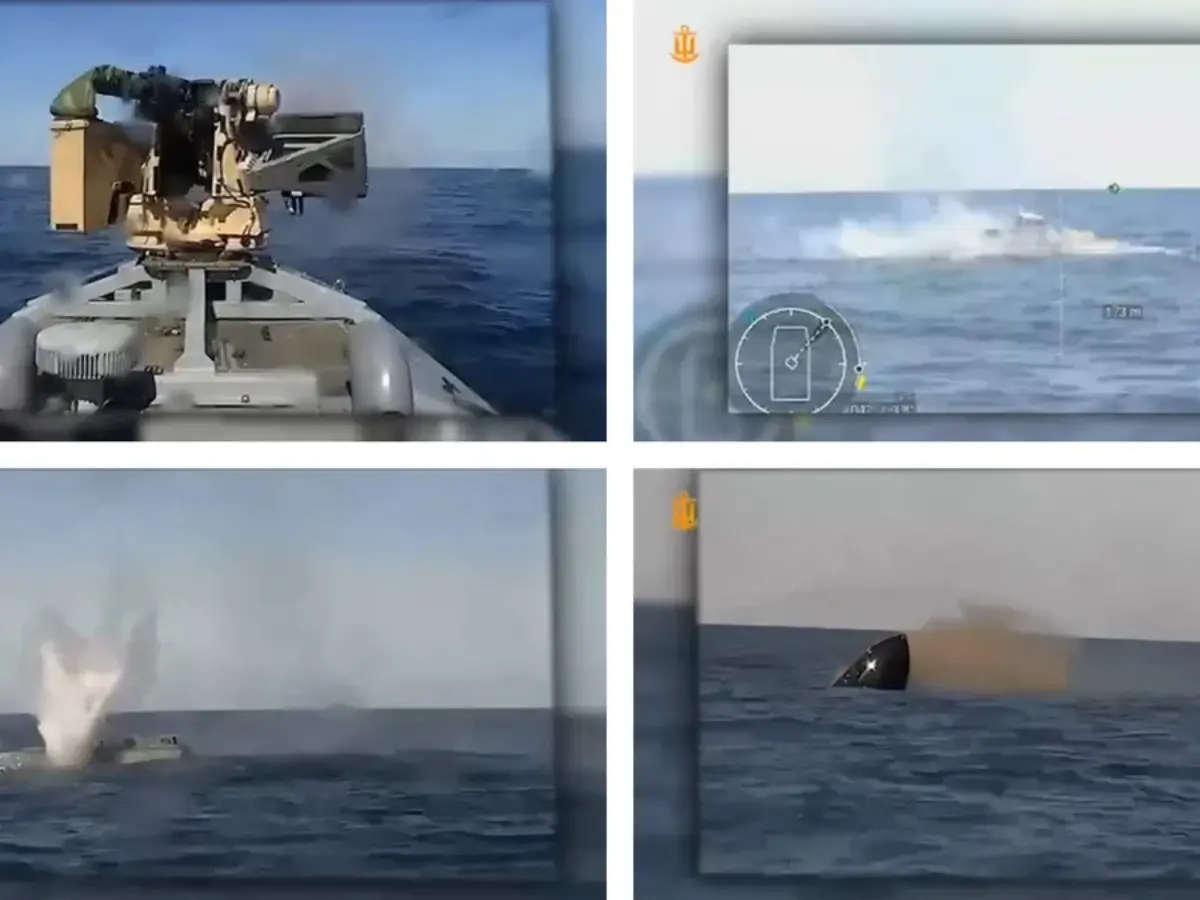)
First naval drone battle? Ukraine says Sargan 3000 sank Russian unmanned boat
“Swift is still producing valuable scientific data," Ghonhee Lee, Katalyst’s chief executive officer, said, adding, "NASA is leading the shift toward more flexible ways of operating in space by working with companies like Katalyst to get more out of its missions and deliver the best return for taxpayers."