

&imwidth=800&imheight=600&format=webp&quality=medium "ISRO averts multiple collision threats: NISAR, Chandrayaan-2 face close orbital encounters amid rising space debris")
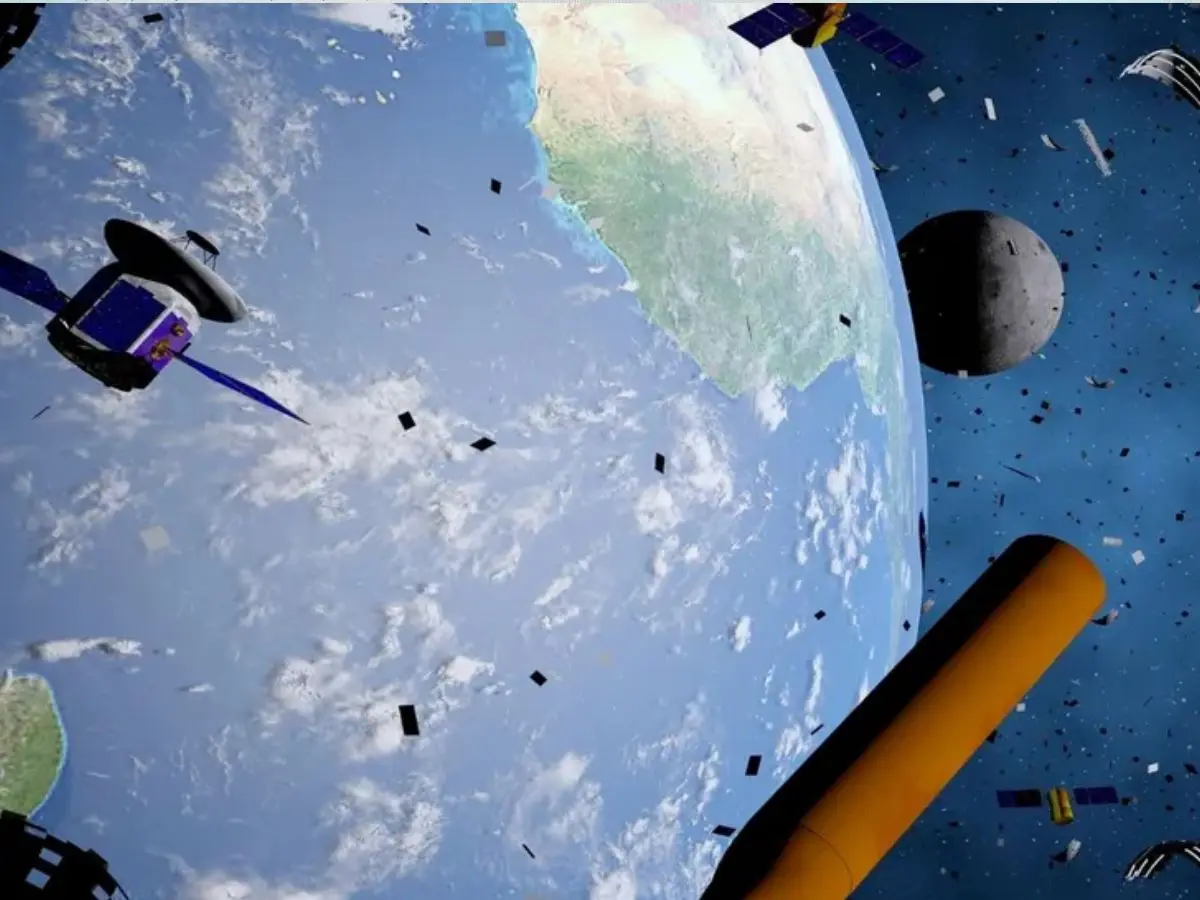
The Indian Space Research Organisation (ISRO) has revealed a stark reality of modern space operations: Earth’s orbit is becoming increasingly crowded and hazardous. According to the Indian Space Situational Assessment Report (ISSAR) 2025, the number of objects in orbit continues to surge, driven by unprecedented global launch activity and satellite deployments. In 2025 alone, 4,651 objects were placed in orbit, showing the scale of congestion.
“A total of 4651 objects were added to the space object population in this year in a significant rise compared to the previous years- the space object population increased by 2963 objects from 254 launches in 2024 and 3135 objects from 212 launches in 2023 ”, the report noted.
This congestion has led to a sharp rise in “close approach alerts”, warnings issued when two objects come dangerously near each other. ISRO noted that such alerts are now frequent, reflecting what it described as an “alarmingly rising congestion” in low-Earth orbit. The situation is compounded by space debris travelling at speeds of nearly 28,000 km/h, where even minute fragments can threaten operational satellites.
Collision avoidance and critical interventions
Against this backdrop, ISRO has had to actively manoeuvre its satellites to prevent disasters. The report confirms that multiple collision avoidance manoeuvres (CAMs) were executed, including fourteen in low-Earth orbit and four in geostationary orbit, a total of 18. Earlier data also showed that ISRO successfully averted ten potential collisions in a single year, highlighting the scale of the threat. In a recent press release, PIB wrote that a total of 129 trackable space debris originating from Indian satellite missions are in orbit.
Trending Stories
&imwidth=180&imheight=135&format=webp&quality=medium)
Pakistan to head IMF, World Bank boards after 74 years amid persistent economic crisis
&imwidth=180&imheight=135&format=webp&quality=medium)
'We are not sitting in ivory towers, we are aware': SC issues notice to Rahul Gandhi, Akhilesh Yadav
&imwidth=180&imheight=135&format=webp&quality=medium)
‘I have very severe problems’: Trump fuels health speculation during address to firefighters
&imwidth=180&imheight=135&format=webp&quality=medium)
SC panel launches portal to submit evidence of July Jantar Mantar violence
&imwidth=180&imheight=135&format=webp&quality=medium)
AI decodes Napoleon-era secret letter unsolved for more than 200 years. What was hidden in the ciphers?
&imwidth=180&imheight=135&format=webp&quality=medium)
Lizard people? Ex-US Army sniper claims soldier killed by 'reptilian beings' in battle near Area 51
&imwidth=180&imheight=135&format=webp&quality=medium)
Ankita Bhandari murder case: Parents meet CBI, seek impartial investigation
&imwidth=180&imheight=135&format=webp&quality=medium)
Bangladesh resort fire kills 10 tourists, including a 5-year-old child
&imwidth=180&imheight=135&format=webp&quality=medium)
At least 19 killed in stampede-like situation after part of Kolkata Durga Puja pandal collapses
&imwidth=180&imheight=135&format=webp&quality=medium)
IMF chief warns inflation hurts poor countries, AI optimism risks market correction
&imwidth=180&imheight=135&format=webp&quality=medium)
Iranian woman, 23, handed death sentence for ‘blasphemy’ in social media post; appeals for help
&imwidth=180&imheight=135&format=webp&quality=medium)
Rain washes out 5th T20I as India-West Indies share honours 2-2
&imwidth=180&imheight=135&format=webp&quality=medium)
'Reason UN has lost credibility': Amid SIR protests India hits out at report alleging 'youth repression'
&imwidth=180&imheight=135&format=webp&quality=medium)
Abhijeet Dipke released after fresh arrest, signs peace bond for second time
&imwidth=180&imheight=135&format=webp&quality=medium)
‘My president, I mean my husband’: Trump's new press secretary Katie Zacharia's first briefing goes off the rails in 14 minutes
&imwidth=180&imheight=135&format=webp&quality=medium)
China responds to Trump's Press Secretary Katie Zacharia after toilet remark: 'Visit China more often'
&imwidth=180&imheight=135&format=webp&quality=medium)
COVID-19 pandemic led to increase in divorce cases, observes Madras High Court
&imwidth=180&imheight=135&format=webp&quality=medium)
At least 400 arrested as protests turn violent in France; PM blames far left
&imwidth=180&imheight=135&format=webp&quality=medium)
2026 midterms, 2028 ambitions: Five politicians in focus
&imwidth=180&imheight=135&format=webp&quality=medium)
Israel examines Russia's Shahed-type drones sent by Ukraine to combat Iran | Gravitas
&imwidth=180&imheight=135&format=webp&quality=medium)
WATCH | iPhones, luxury perfumes floating in Hormuz? Iranian fishermen make bizarre discovery
&imwidth=180&imheight=135&format=webp&quality=medium)
China’s ‘dark tourism’ boom: Why are young travelers paying to experience simulated disasters?
&imwidth=180&imheight=135&format=webp&quality=medium)
WATCH | Zelensky gives cheeky response when asked if Trump is making him a scapegoat ahead of US midterms
&im=FitAndFill=(700,400)&imwidth=180&imheight=135&format=webp&quality=medium)
Durga Puja 2026: Kajol, Jaya Bachchan, Mouni Roy and other celebs bring festive glam to pandals
&imwidth=180&imheight=135&format=webp&quality=medium)
US business activity grows in June, but tariffs and inflation cloud outlook
&imwidth=180&imheight=135&format=webp&quality=medium)
No Ravindra Jadeja, Yashasvi Jaiswal in India’s 2027 ODI World Cup plans: Report
&imwidth=180&imheight=135&format=webp&quality=medium)
Kolkata Durga Puja stampede: PM Modi announces Rs 2 lakh ex-gratia for kin of dead, Amit Shah to visit injured
&im=FitAndFill=(700,400)&imwidth=180&imheight=135&format=webp&quality=medium)
Inside Tesla's Roadster: 10 features of Elon Musk's 'flying car' that push the limits of electric vehicles | In Pics
&imwidth=180&imheight=135&format=webp&quality=medium)
Anirudh Ravichander-Kavya Maran wedding: Telangana CM reveals Chennai reception date
&imwidth=180&imheight=135&format=webp&quality=medium)
India’s naval priorities: Ex-Navy Chief calls for third aircraft carrier, more warships and submarines
&imwidth=180&imheight=135&format=webp&quality=medium)
One species, two lineages: Why Sri Lanka’s spectacled cobra differs genetically from Indian variant
&imwidth=180&imheight=135&format=webp&quality=medium)
Oil tanker carrying over 2M barrels of crude hits mine in Strait of Hormuz, catches fire, says Iran
&imwidth=180&imheight=135&format=webp&quality=medium)
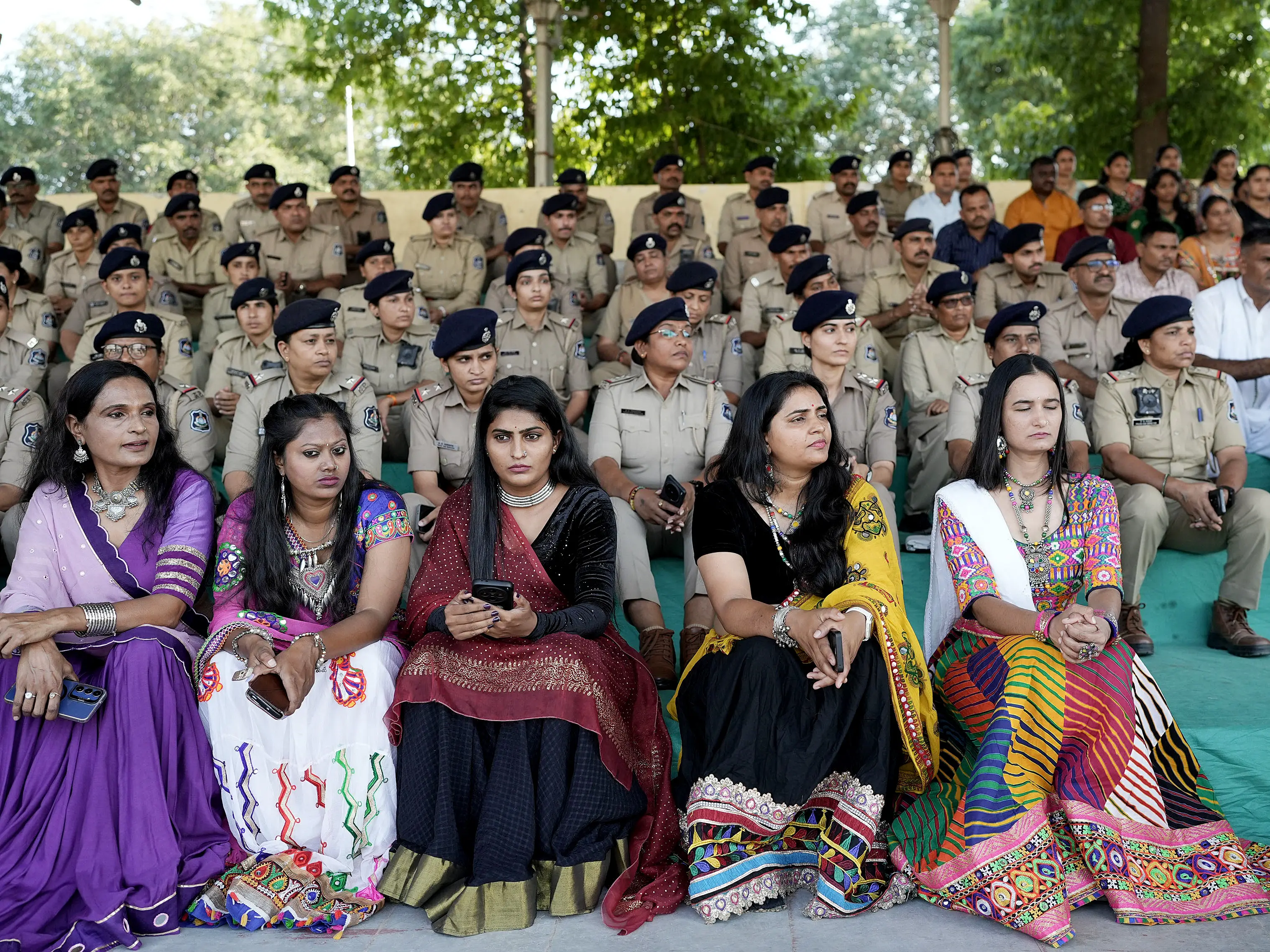
'We feel like Mr India': Gujarat’s undercover SHE team guard garba nights at Navratri
&imwidth=180&imheight=135&format=webp&quality=medium)
Cattle-feed bran in biscuits, detergent in milk: FSSAI acts against 3 companies

US ends automatic work permit extensions; Indian workers lose 540-day safety net: What it means
&imwidth=180&imheight=135&format=webp&quality=medium)
US lawmaker Pramila Jaypal writes to Rubio, urges to raise handling of CJP protest with India

Cumulative number of CAMs performed since 2011 Photograph: (ISRO)
Significantly, key missions such as NISAR and Chandrayaan-2 experienced close calls in orbit, requiring timely intervention. NISAR, a joint NASA-ISRO Earth observation mission launched on July 30, 2025, and the Chandrayaan-2 Orbiter both faced potential risks from nearby objects. For Chandrayaan-2, ISRO carried out 16 trajectory corrections to maintain safety, with two instances requiring revised plans to better avoid close approaches. These manoeuvres are precisely calculated to protect satellites without affecting mission objectives.
ISRO’s space situational awareness programme continuously tracks thousands of objects, issuing alerts and assessing risks in real time. As the agency states, this capability is essential “to protect national space assets from hazards”, including debris and inactive satellites.
The report also said, “Out of the 10749 Starlink satellites, 9396 satellites were still in orbit and 1353 satellites re-entered the Earth’s atmosphere by the end of 2025.”
Strategic response to a growing threat
The findings underline a broader challenge: orbital sustainability. With over 140 Indian satellites, many in the most crowded low-Earth orbit, the risk of collision is structurally higher. To address this, ISRO is strengthening indigenous systems such as Project NETRA, designed to track and predict debris movement.
The report ultimately serves as both a progress update and a warning. While ISRO’s timely interventions have prevented catastrophic collisions, the increasing density of space traffic signals an urgent need for global coordination, improved tracking systems, and stricter debris mitigation practices.

