Who was North Korea's Kim Il-sung? Ruthless ruler, icon or architect of the world’s most controlled regime

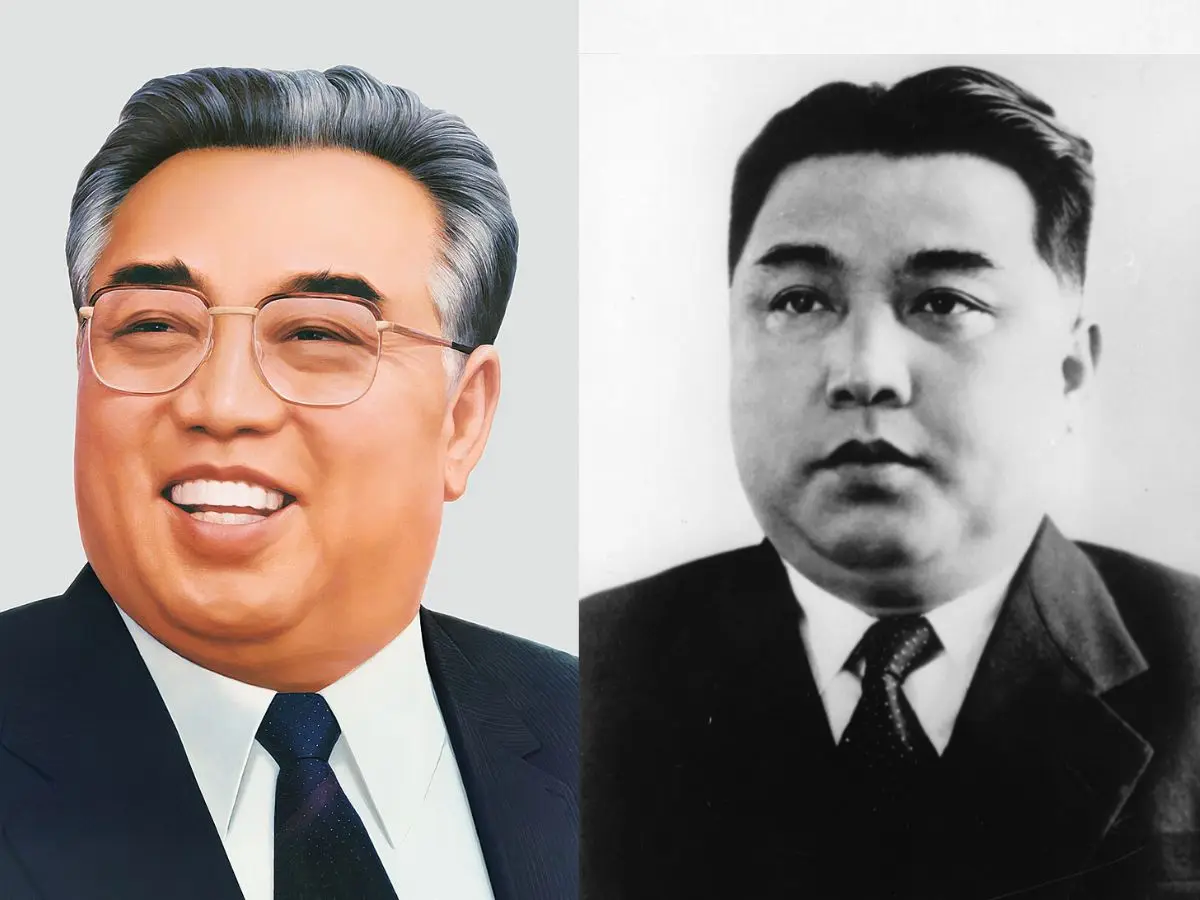
Born in 1912 during Japanese colonial rule, Kim Il Sung rose through anti-Japanese guerrilla movements in Manchuria before emerging as a key political figure after World War II.
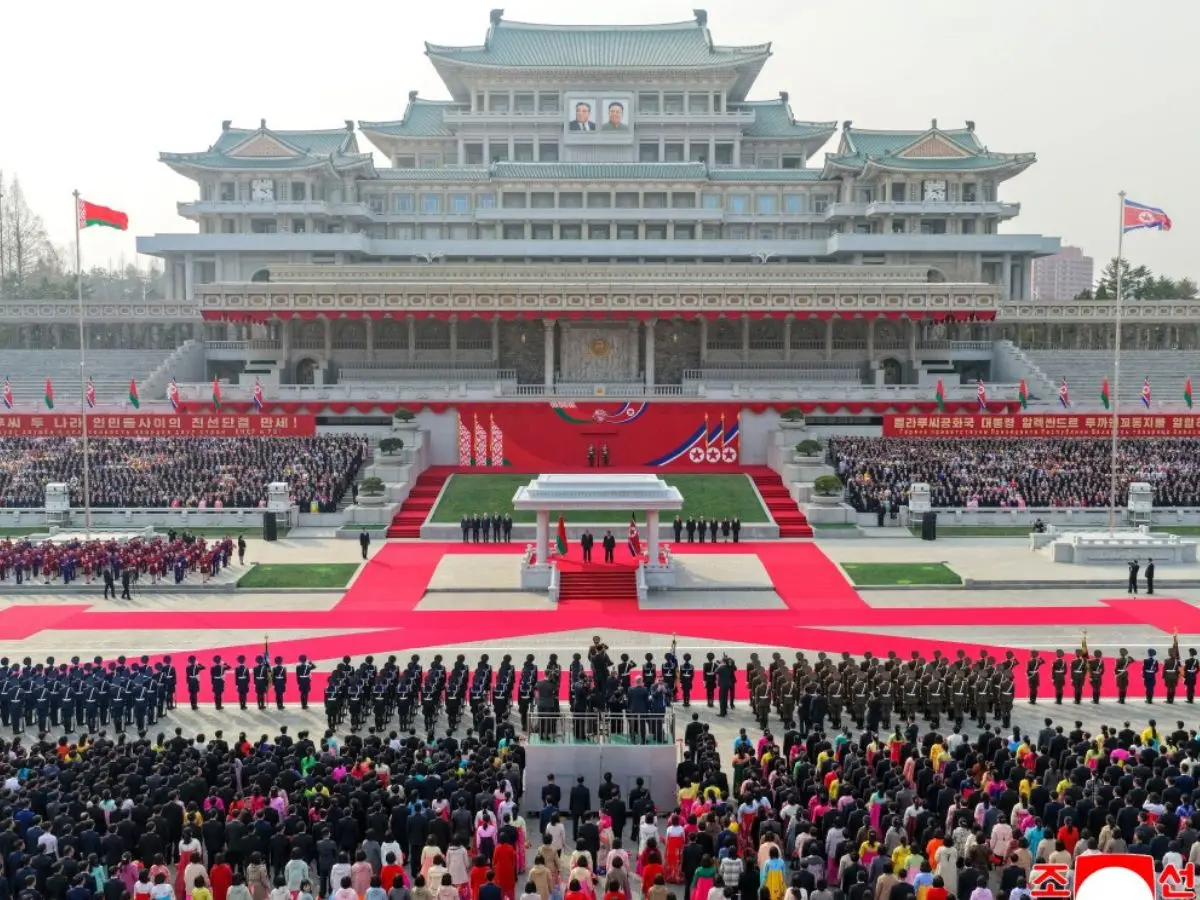
Anniversary marked with evolving state rituals
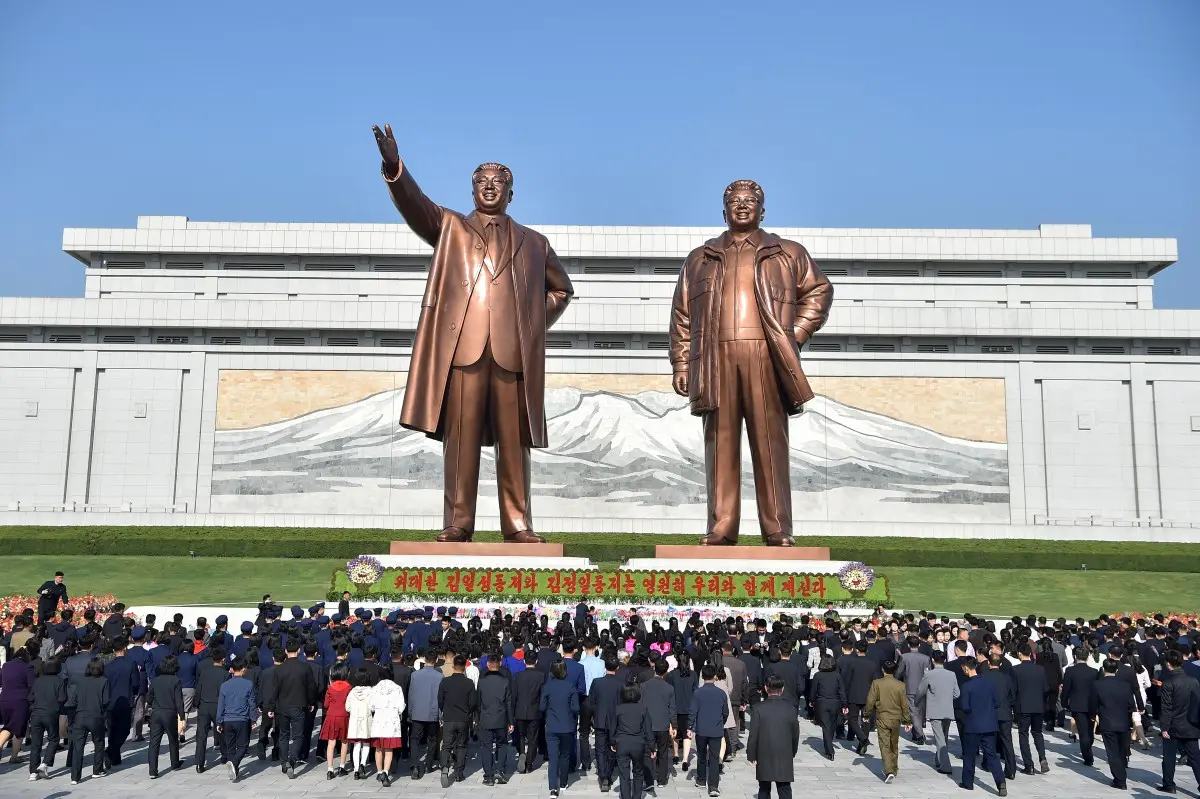
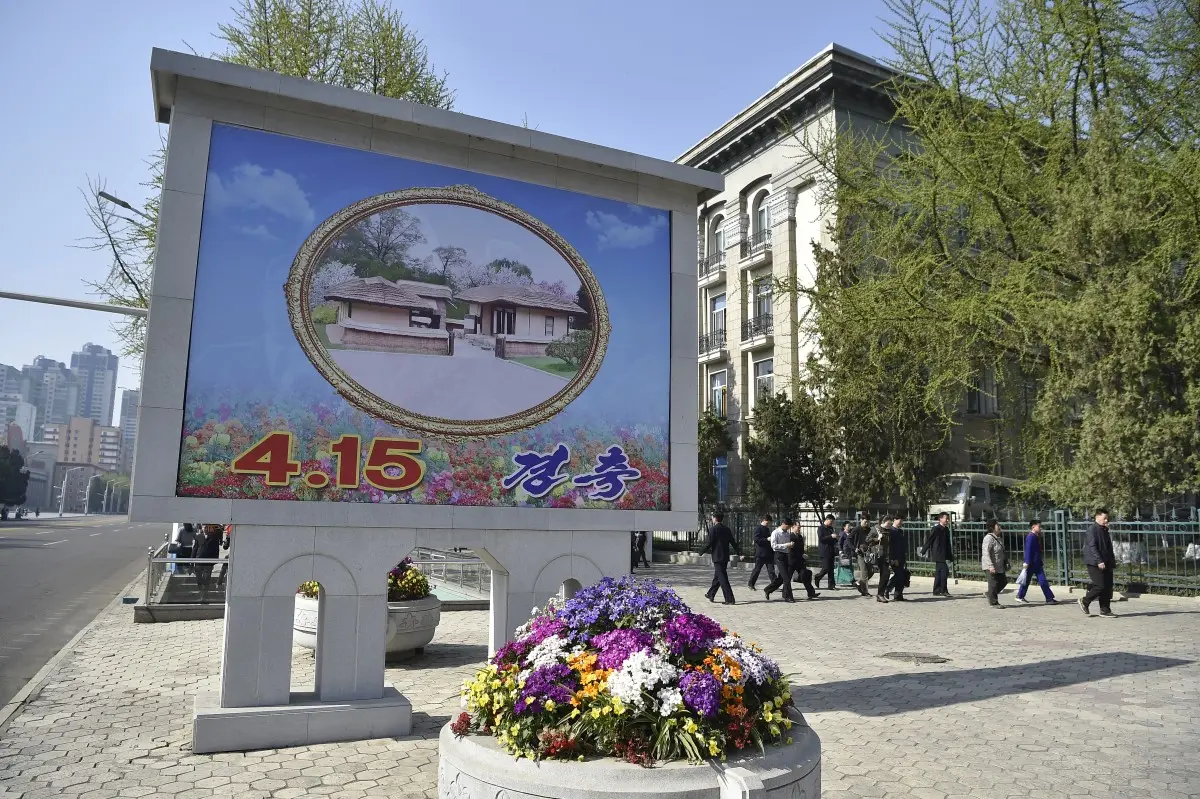
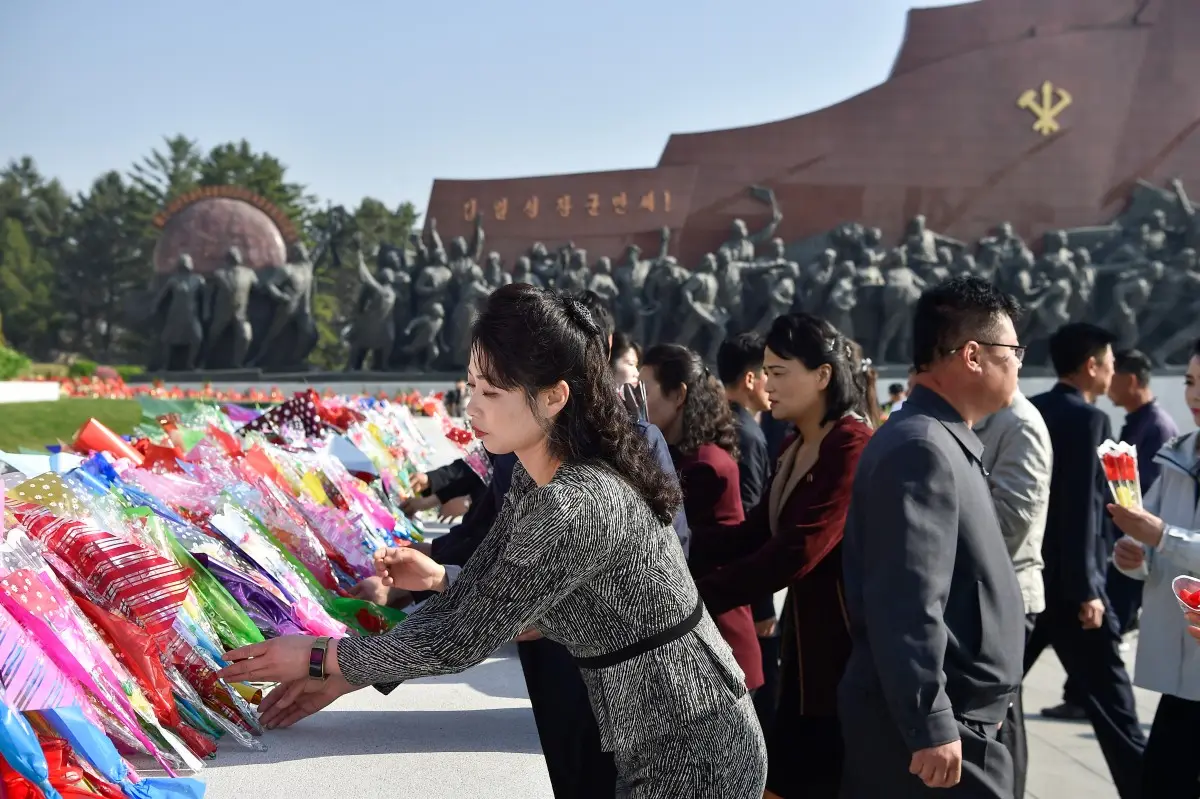
North Korea is marking the birth anniversary of Kim Il Sung, the state’s founding leader, with ceremonies in Pyongyang that continue to reflect his enduring presence in the country’s political identity. Citizens still gather to lay flowers before large statues of Kim Il Sung and his son, Kim Jong Il, though some traditions have shifted. The day, once widely promoted as “Day of the Sun”, is now observed with less emphasis on that title, while events such as the Kimilsungia flower exhibition have returned in altered form following their suspension during the pandemic.
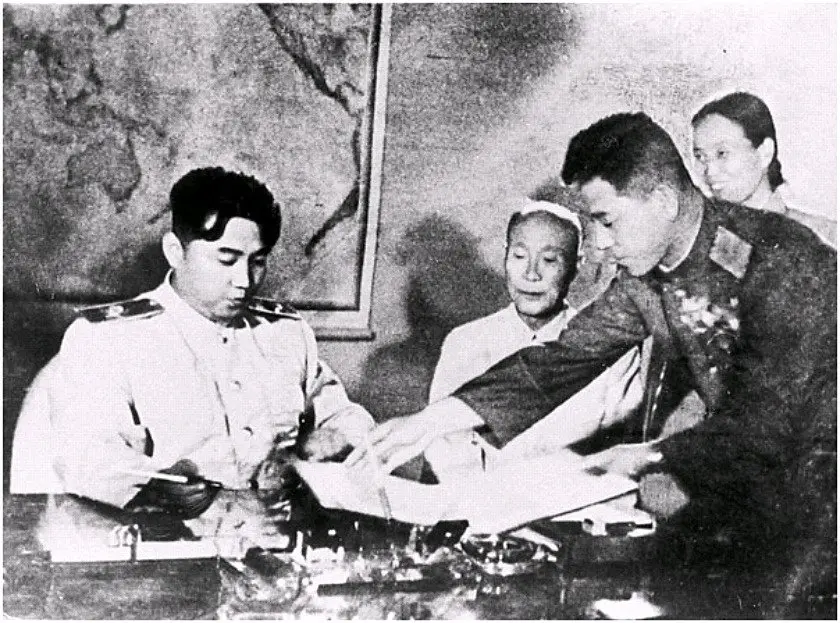
From guerrilla fighter to state founder
Born in April 15, 1912 during Japanese colonial rule, Kim Il Sung rose through anti-Japanese guerrilla movements in Manchuria before emerging as a key political figure after World War II. Backed by the Soviet Union, he became leader of North Korea in 1948. His role in launching the Korean War in 1950 defined his early rule, as he sought to unify the peninsula under communist control.
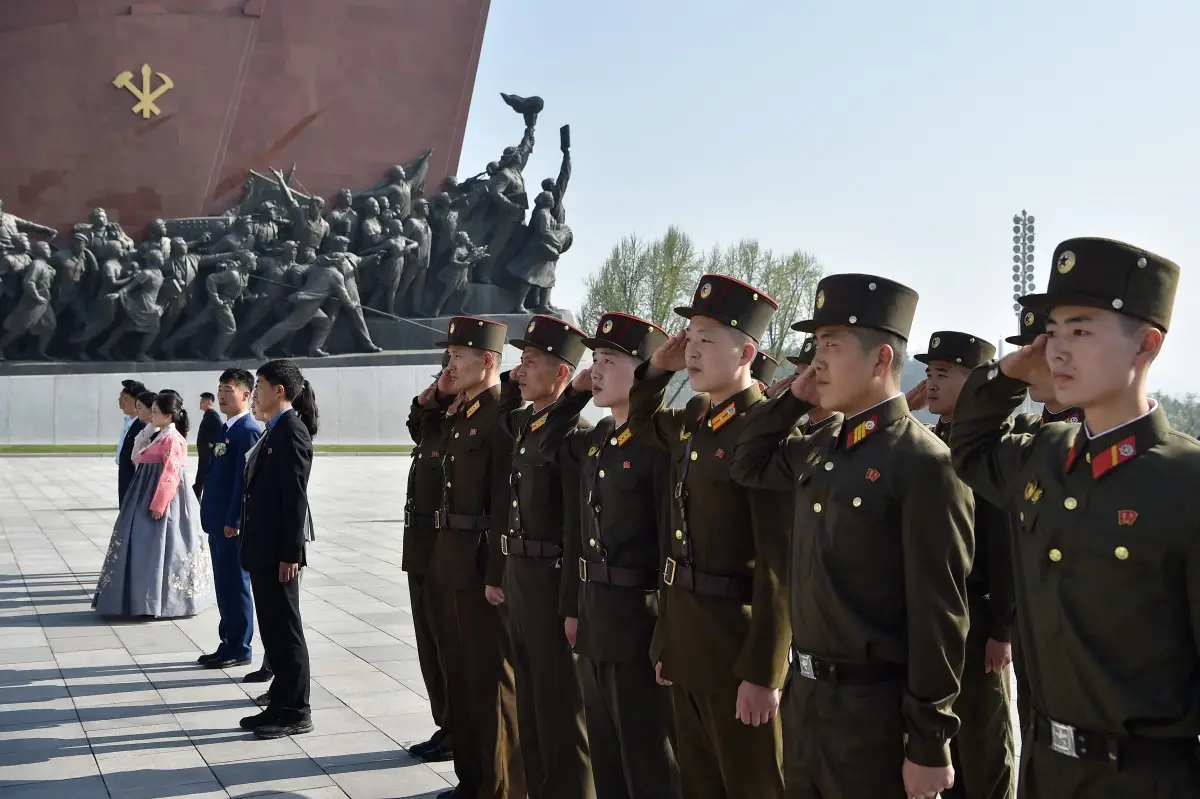
Early life and family background
Kim Il Sung was born in Mangyongdae, near present-day Pyongyang, into a family shaped by political upheaval under Japanese colonial rule. His father, Kim Hyong-jik, was associated with anti-Japanese activism, while his mother, Kang Pan-sok, was known for her religious background and influence in his early upbringing. The family later moved to Manchuria, where Kim spent much of his youth amid hardship and instability. It was during these formative years that he was exposed to nationalist and communist ideas, eventually joining anti-Japanese guerrilla groups in his teens, a path that would define his political trajectory.
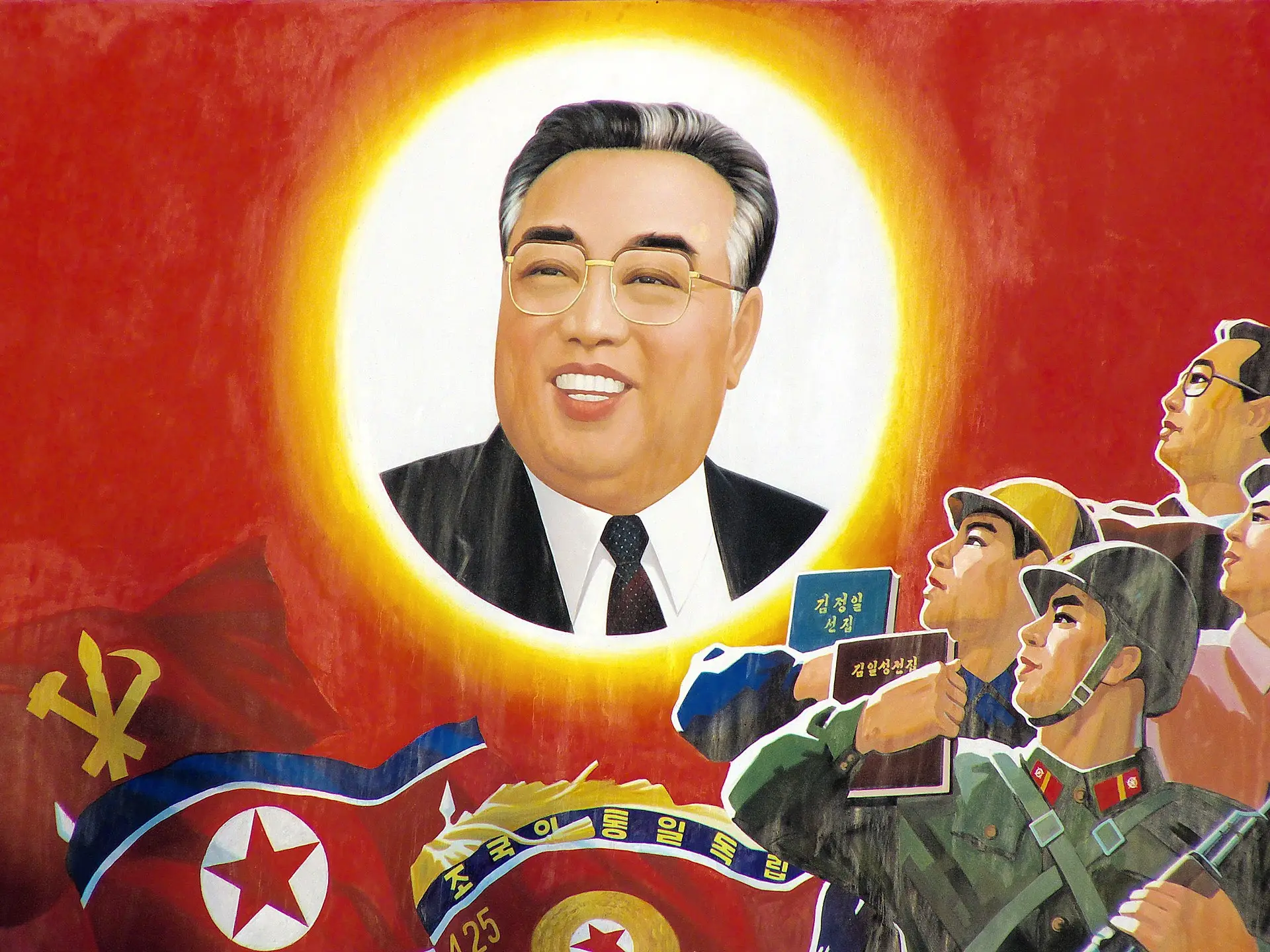
Consolidation of power and personality cult
Kim established an absolute political system by eliminating rivals and consolidating authority within the ruling party and military. Central to his rule was a powerful personality cult that portrayed him as the “Great Leader”. He founded the ruling Workers' Party of Korea (WPK). His ideology of self-reliance, known as Juche, shaped state policy, while a rigid social classification system reinforced loyalty and control across society.
Building a controlled and hereditary system
North Korea evolved into one of the world’s most tightly controlled states under Kim’s leadership. Power was maintained through surveillance, strict social hierarchy and repression of dissent. Estimates suggest tens of thousands have been held in prison camps over decades. Kim also established a hereditary succession model, ensuring continuity of rule through his family, a system that persists today under Kim Jong Un.
Draconian control over information and dissent
North Korea enforces some of the world’s harshest restrictions on access to information, with severe penalties for consuming or sharing foreign media. A report by the Office of the United Nations High Commissioner for Human Rights highlights laws that criminalise access to content from “hostile” countries, including South Korean films, music and television. The report warns these measures impose unlawful limits on freedom of expression and can carry extreme punishments, including the death penalty.
According to the United States Department of State, state control extends across all aspects of daily life. Estimates from the Korea Institute for National Unification suggest between 80,000 and 120,000 people are held in political prison camps, where detention is often for life and can include three generations of the prisoner’s family.
The ‘Ten Principles’ as North Korea’s real power structure
While North Korea formally operates under a constitution, real authority lies in the Ten Principles for the Establishment of a Monolithic Ideological System, which function as the country’s de facto supreme law. These principles, along with dozens of detailed clauses, govern not only political conduct but also personal thought and behaviour.
The core demands
At their core are demands for absolute loyalty to the leadership, strict ideological conformity and unwavering support for hereditary succession. Together, they institutionalise a system in which allegiance to the ruling family overrides all other legal and social frameworks, reinforcing one of the most tightly controlled political structures in the world. These principles were finalised to establish Kim Jong-il’s succession in 1974.
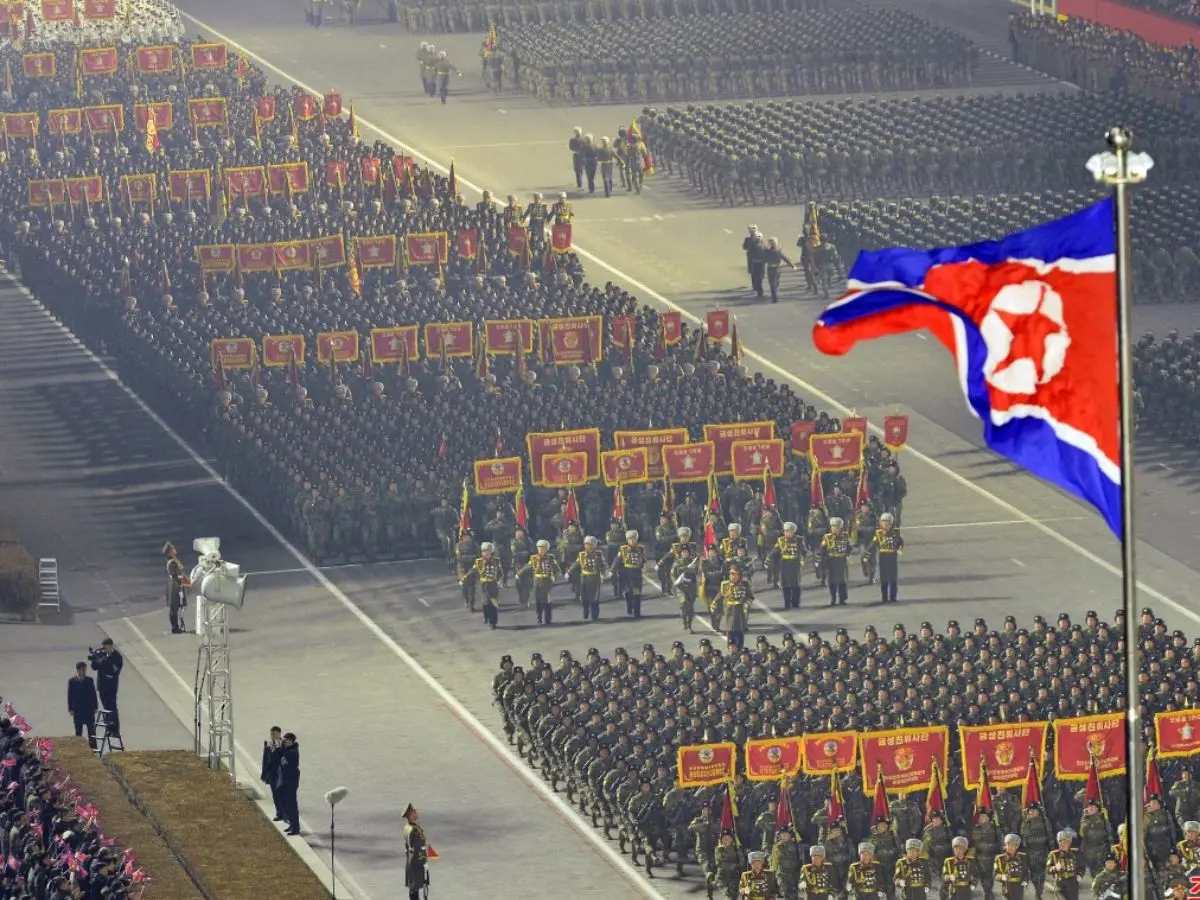
Legacy of power, control and continuity
Kim Il Sung died in 1994 but remains officially designated as North Korea’s “Eternal President”. His political system, institutions and ideology continue to shape the country’s governance. More than three decades after his death, the structures he created, combining centralised authority, ideological control and dynastic rule, remain firmly in place, defining North Korea’s position in global politics.
)
)
)
)
)