People led movements will foster peace in the future, believe educators

Peace Exhibition
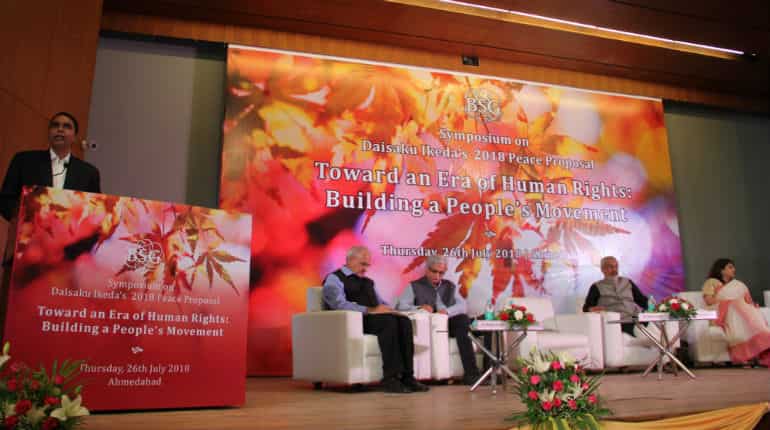
Renowned educators debated and brainstormed on the subject of world peace in a symposium organized by the Bharat Soka Gakkai (BSG) in Ahmedabad.
Renowned educators debated and brainstormed on the subject of world peace in a symposium organized by the Bharat Soka Gakkai (BSG) in Ahmedabad recently.
BSG, the Indian affiliate of the Soka Gakkai International (SGI), a UN recognized NGO, has over 2 million members who work in the field of education and humanitarian work based on Buddhist philosophy. The peace symposium was held to discuss the 38th peace proposal written and submitted to the UN by SGI’s president Dr Daisaku Ikeda.
Covering issues like nuclear disarmament, education for migrants, women empowerment, the peace proposal was lauded by the speakers for the evening Dr Bhushan Punani, executive secretary, Blind People's Association, Prof Errol D'Souza, director, Indian Institute of Management Ahmedabad, Dr Preeti Shroff, dean, MICA and Kartikeya Sarabhai, founder and director, Centre for Environment Education.
Prof D’Souza said, “No nation, no institution can take away one’s right to be human. Dr Ikeda in his proposal discusses how when one nation wants to develop nuclear arms, so does the other in a bid to be protected and that begins an arms race. In the end, many lives are lost. By having such foresight, Dr Ikeda makes it clear that to be human, we should know the consequences of our actions.”

Touching upon the issue of migrants, Prof D’Souza wondered if there were any straight answers. “All states want migrants that will fill their coffers, they want to spend little, extract maximum talent. In most states, low-skilled worker migrants are not welcome. But in an exemplary country like Sweden where everybody is welcome, the figures say that 60% low skilled migrants arrived in just the last 10 years. So it is not impossible to work out a system that gives dignity and rights to every human,” he said.
Dr Bhushan Punani, who has decades of illustrious work in the field of improving the lives of physically impaired people, said peace cannot be discussed unless we speak of the 25 million who have a disability of some kind in the world. His suggestions were simple and effective. “We need education, medical care and compassion for the disabled instead of attaching stigma to them,” he said. He went on to cite an incident where a fire at a mental asylum in Erwady had claimed 25 lives because these were patients chained to their beds. “Several petitions later, an Act has been introduced that has made chaining of mentally ill patients illegal. Another landmark judgment by Justice Mohit Shah has allowed a blind girl named Palak Jain to study and become the first visually impaired physiotherapist in the world. It is efforts like these that will bring about peace for all, marginalized minorities included,” Dr Punani said.
Speaking of how women are natural leaders, Dr Preeti Shroff urged everyone to not stereotype the girl child or burden her with redundant social norms. “Women make creative societies, not cut-throat ones. Let the girls grow up and become leaders instead of being stressed about gender roles,” she said.
&im=FitAndFill=(700,400))
National Handloom Day 2026: From Alia Bhatt to Samantha Ruth Prabhu; Actresses who celebrated India's textile heritage as brides
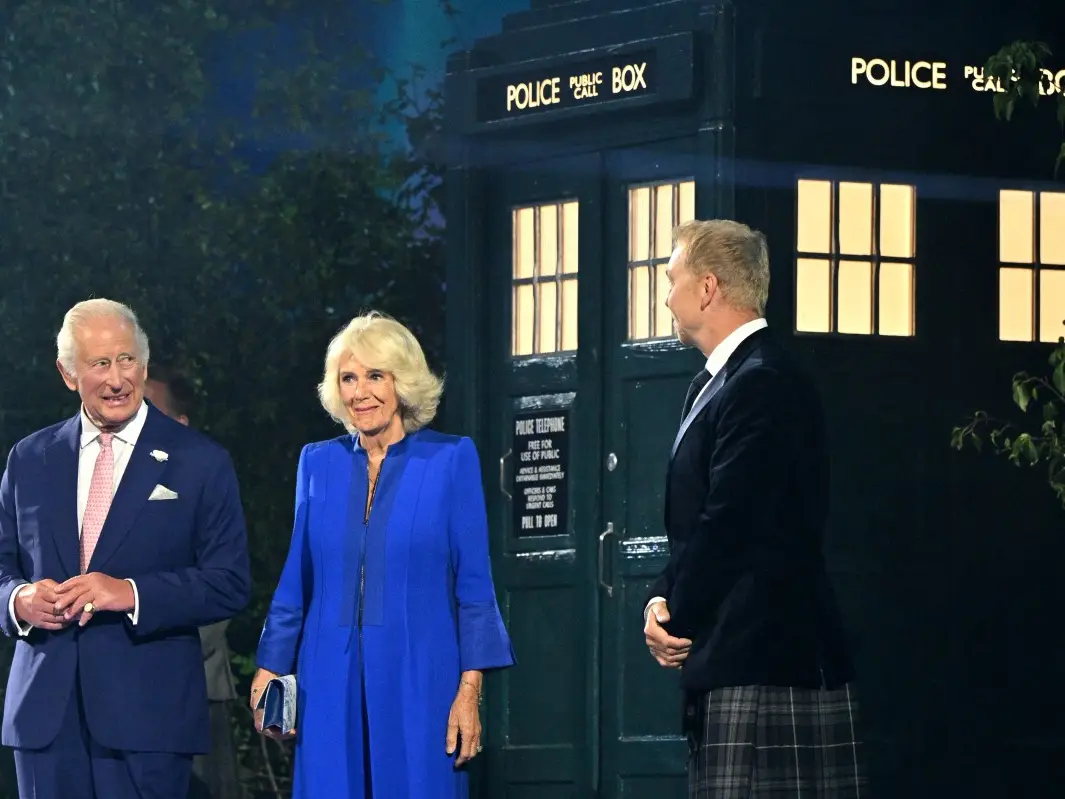)
The Royals enter the Doctor Who universe: King Charles and Queen Camilla beam into Commonwealth Games in TARDIS
)
Unitree Robotics targets $9 billion valuation in landmark IPO backed by DeepSeek and Tencent
)
India names 27 sites in Arunachal Pradesh
)
Bharat Bhhagya Viddhaata OTT: When will Kangana Ranaut's film stream online?
&im=FitAndFill=(700,400))
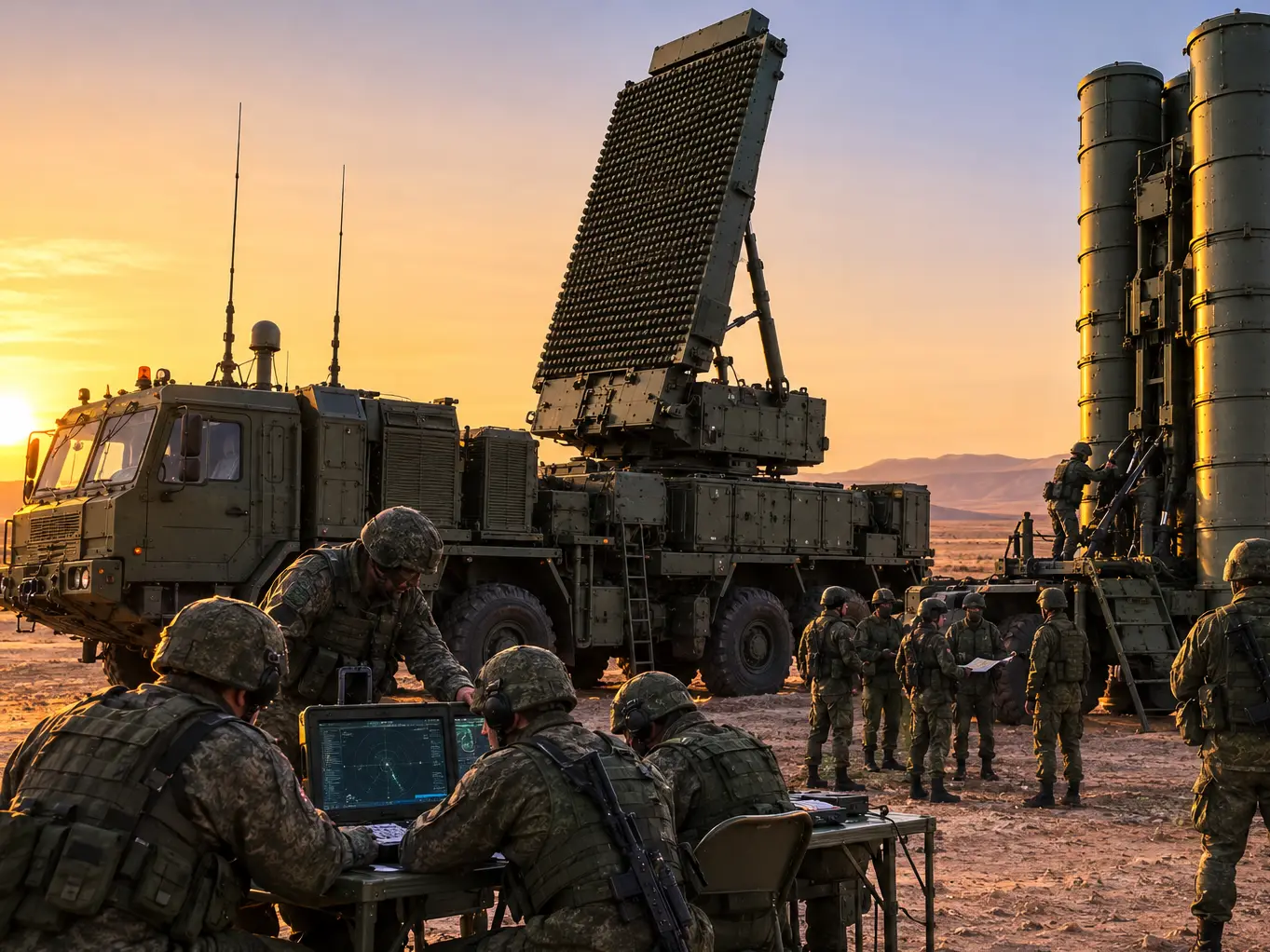
How many soldiers operate one S-400 battery?
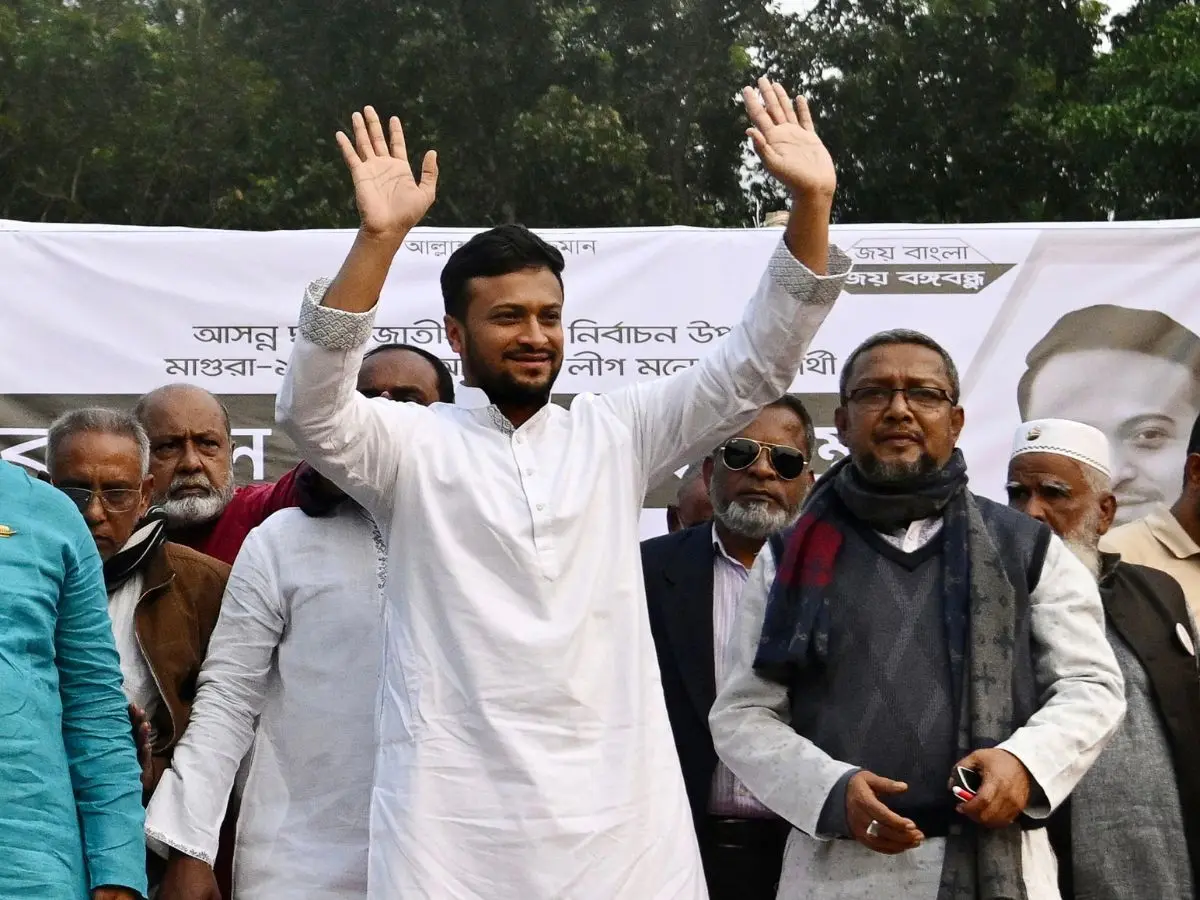)
Shakib Al Hasan ready to return to Bangladesh—under one condition
)
‘Fake news’: MEA rejects report claiming India sought defence pact with Israel after Pakistan, Saudi Arabia, Turkey deal
)
Rockstar to unveil GTA 6 extended look ahead of November launch
)
Russia forms Ukrainian Volunteer Spetsnaz Brigade to fight Ukraine
)
Drug-resistant fungus that hides in hair and enters bloodstream reported in 23 US states
)
Technology transfer deal boosts India's defence manufacturing ambitions
)
Border row erupts in Europe after Ceuta crossings, Spain imposes border controls on Italy
)
Morale plummets on USS Abraham Lincoln: Are US sailors reaching a breaking point? | GRAVITAS
)
'Security can't be bought with Pakistan, Turkey deal': Iran tells Saudi Arabia
)
Baba Vanga's 2026 prophecy: 2 predictions 'already came true', 3 terrifying ones remain. Details inside
)
Colombia’s new president Abelardo de la Espriella vows to ‘defeat narco-terrorists’, signals hardline shift
&im=FitAndFill=(700,400))
New Friday OTT releases (August 7, 2026): Operation Safed Sagar, Vadhandhi, Main Vaapis Aaunga- 6 movies and TV shows on Netflix, Prime Video and more
)
Squadron Leader Bhawana Kanth scripts history as Indian Air Force gets its first woman ‘Top Gun’ pilot
)
RSS says Gen Z protests reflect genuine distress
)
Trump says Iranian school bombing photos could be AI-generated - 'I don’t think...'
)
IAF officer held for sharing sensitive information in 'honey trap' case, booked under Official Secrets Act
)
Stray Kids under scrutiny? Fans react to Grammy submission silence after BTS boycott
&im=FitAndFill=(700,400))
Why the Su-30MKI doesn't need external fuel tanks to fly vast distances
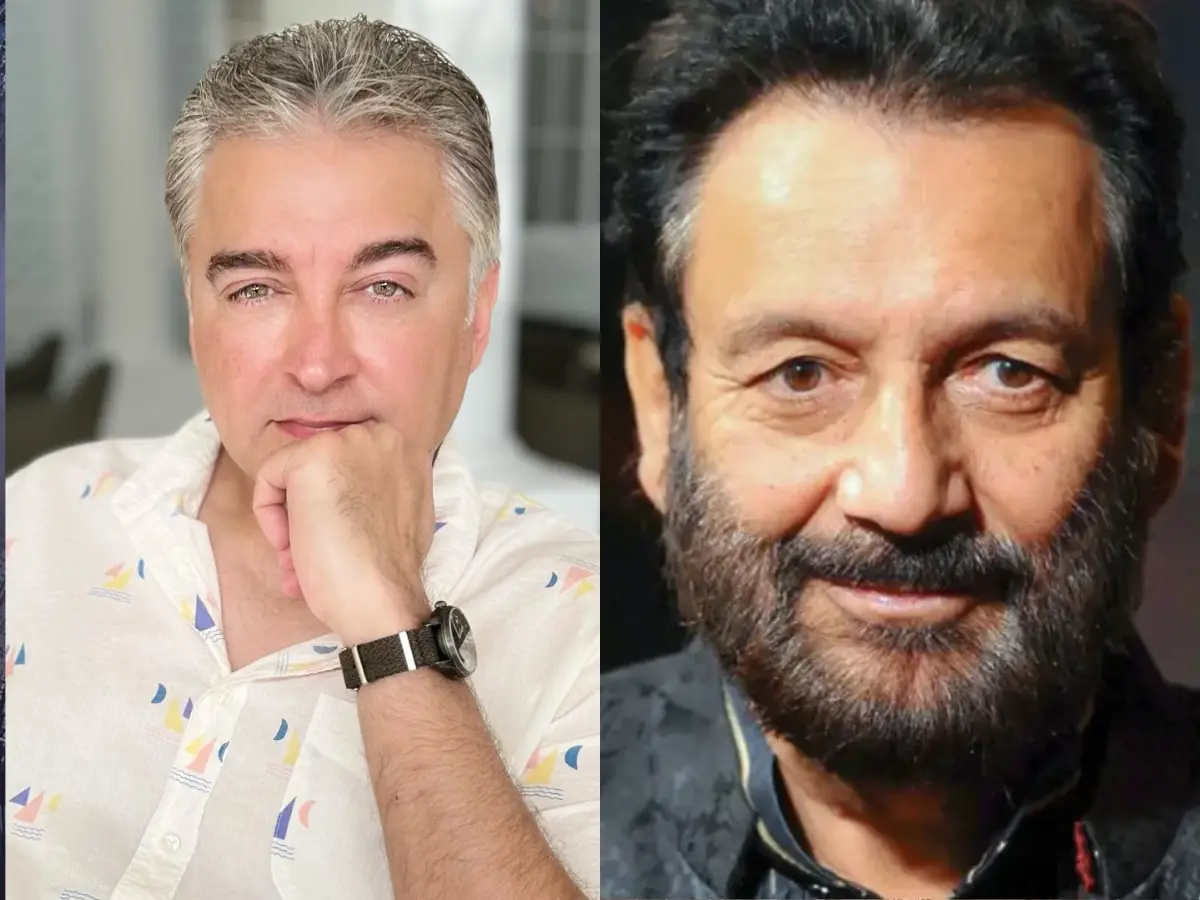)
Jugal Hansraj reunites with Shekhar Kapur after 40 years for Masoom: The Next Generation
)
New speed limits, automatic challans: Big traffic change coming to Delhi-Meerut Expressway. All you need to know
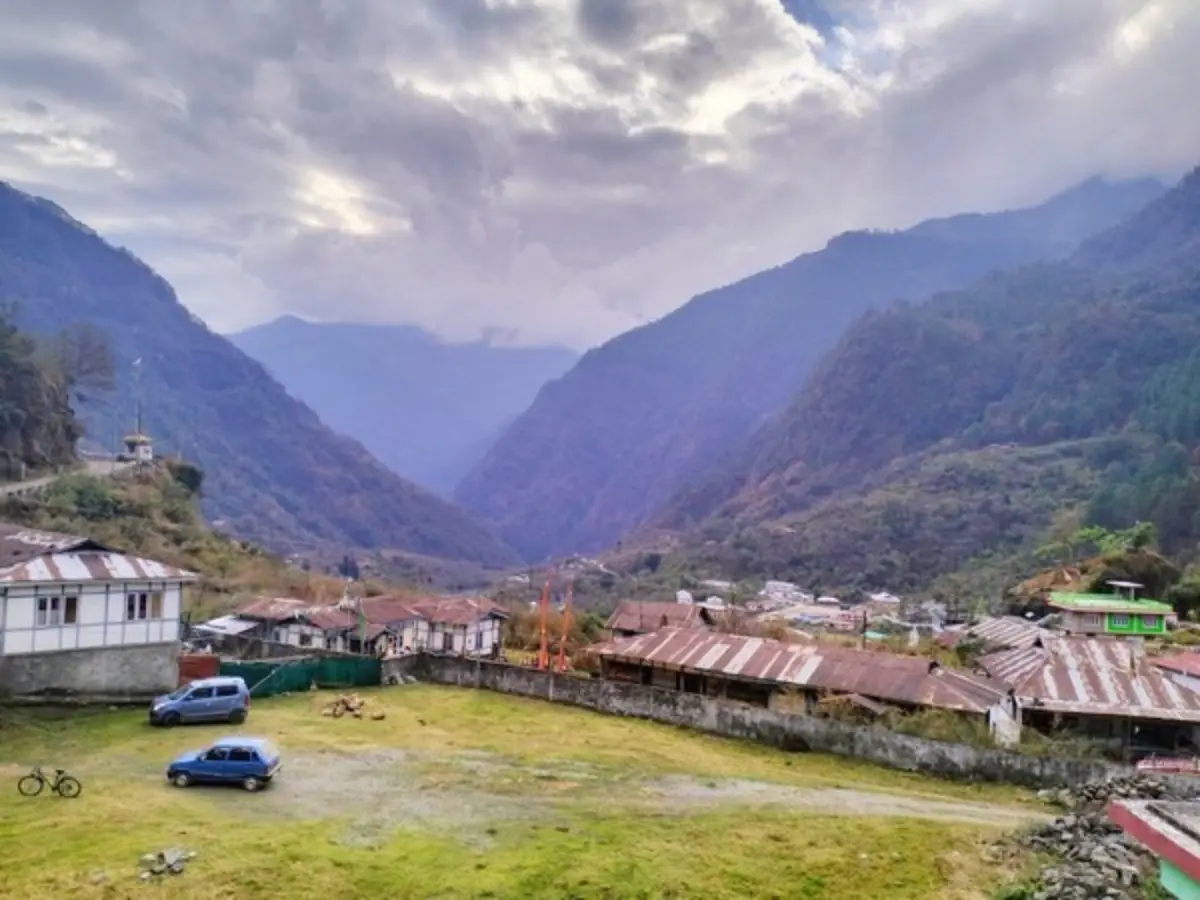)
India officially names 27 places in Arunachal to counter China's renaming claims
)
Trump calls White House ballroom ruling a 'national disgrace' as court says Congress approval needed
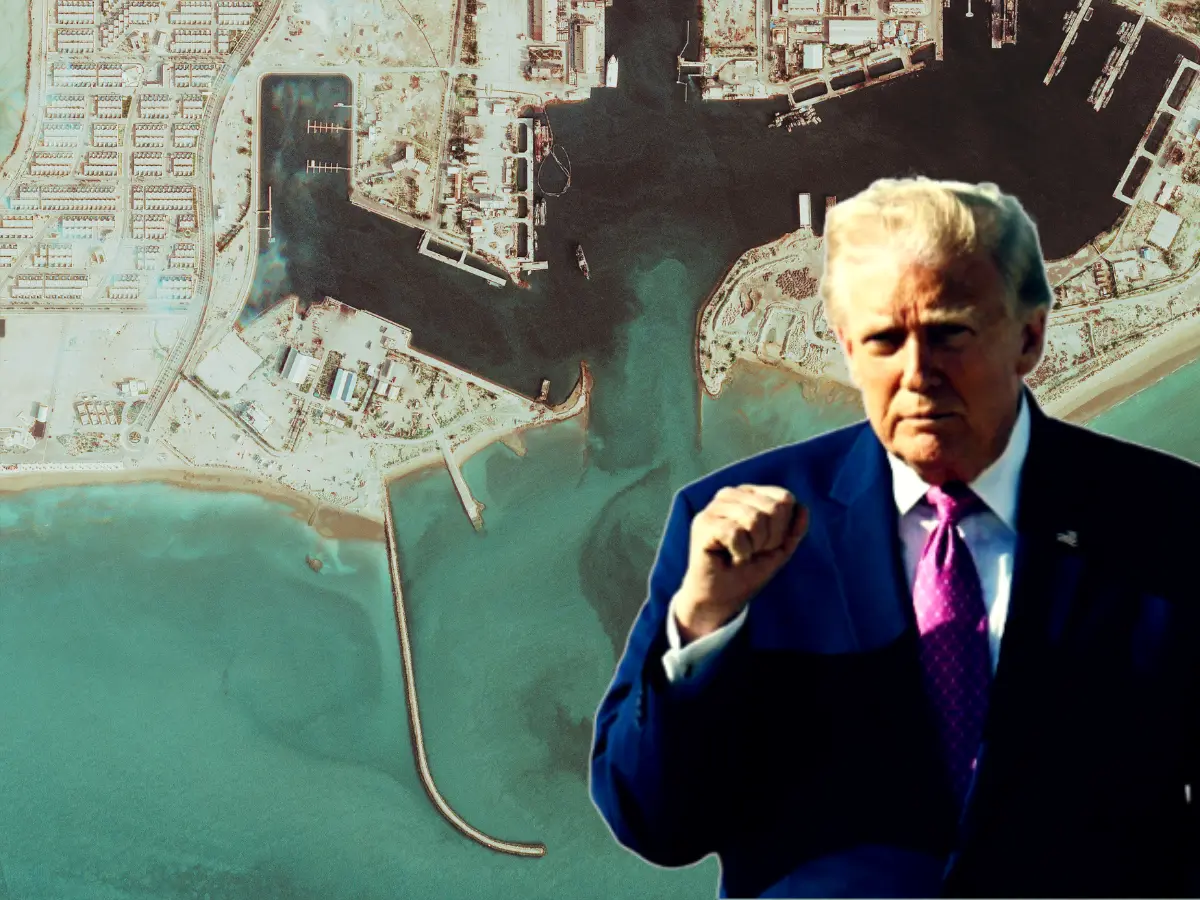)
US sanctions Iran’s crypto network after Strait of Hormuz attacks, offers $15m bounty for intel on IRGC finance
&im=FitAndFill=(700,400))
Why the Su-30MKI is one of the heaviest fighters ever built
)
Uttarakhand young innovator builds India's own flying vehicle, conducts first test flight: WATCH
)
Chilling video shows students take cover as teen opens fire at Thai school
)
Reese Witherspoon's father hospitalised after poolside incident in Nashville: Report
The keynote speaker, Padma Shri Kartikeya Sarabhai spoke of how the Earth Charter, an organization he has been a part of, has twin ideals to the SGI. “The movement for peace cannot come externally. This kind of a debate that Dr Ikeda’s peace proposal has begun, is the cornerstone of thinking up solutions. Dialogue is the best way ahead,” he said.
Vishesh Gupta, head, BSG, summarized the peace proposal’s human rights-focused approach to resolving global issues with a belief, that, such an approach, rooted in concern for the life and dignity of each individual, ‘can bring about the fusion of ethics and policy that is required for an effective response.’