Maharashtra FDA cracks down on loose oil, reused cooking oil: What consumers need to know

&imwidth=600&imheight=450&format=webp&quality=medium "Maharashtra FDA cracks down on loose oil, reused cooking oil: What consumers need to know")
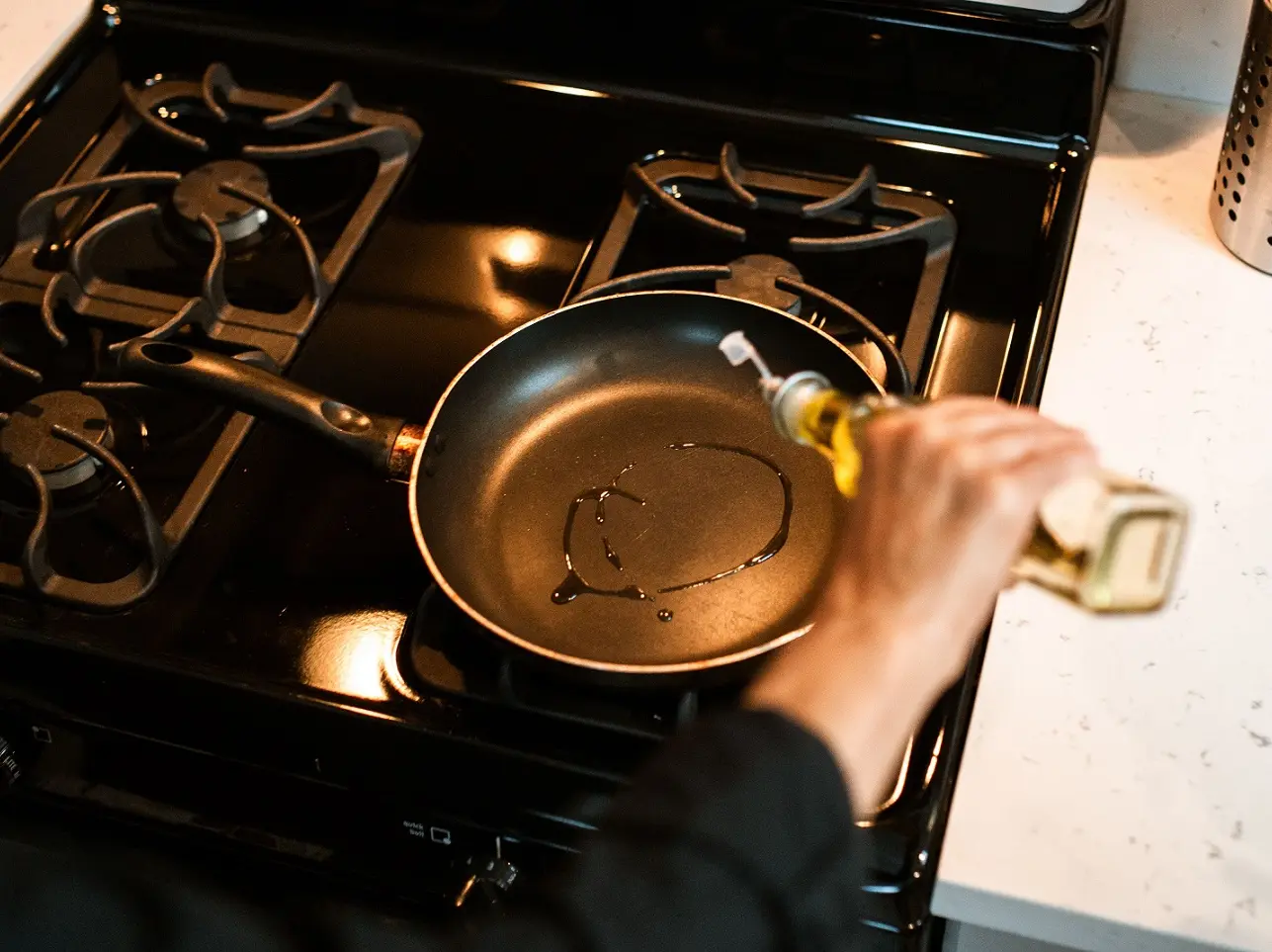
Heating the same oil repeatedly can cause chemical changes and increase the formation of undesirable compounds. Photograph: (Pexels)
The FDA has raised concerns over the sale of loose edible oil. It said consumers should purchase properly packaged and sealed edible oil from licensed sellers. Packaging should carry essential information, including source, manufacturing details, expiry date and FSSAI licence information.
Mumbai: Maharashtra’s Food and Drug Administration (FDA) has stepped up its crackdown on unsafe edible oil practices, with the state food safety regulator warning against the sale of loose or unsealed cooking oil and tightening scrutiny of how edible oil is stored, transported and used by food businesses.
The latest action is part of an expanding food-safety enforcement drive led by FDA Commissioner Tukaram Mundhe, which has already seen inspections and action against restaurants, food manufacturers and other establishments across Maharashtra.
The FDA has specifically raised concerns over the sale of edible oil in loose form. According to the regulator, consumers should purchase properly packaged and sealed edible oil from licensed sellers.
Also Read: Supreme Court sets up 5-member committee to probe cops’ use of force, violence at NEET protests
Packaging should carry essential information including the product’s source, manufacturing details, expiry date and FSSAI licence information.
The concern with loose oil is not just about adulteration. Regulators say the absence of proper labelling makes it difficult to establish where the oil came from and to trace it back to its manufacturer or supplier if a food-safety problem is reported.
Trending Stories
)
)
)
)
)
)
)
)
)
)
)
)
)
)
)
)
)
)
)
)
)
)
)
)
)
)
)
)
)
)
)
)
)
)
&im=FitAndFill=(700,400))
)
)
)
)
The FDA has also flagged the use of unsuitable, reused or damaged containers for storing edible oil. Authorities are examining whether oil is being stored and transported in conditions that could expose it to contamination, sunlight or other factors that may affect its quality.
Also Read: ‘Lot of boats’ coming through Strait of Hormuz, says Trump, admits to ‘nuisance’ of Iranian drones
Crackdown on repeatedly heated cooking oil
One of the key areas of concern is the repeated heating and reuse of cooking oil. Restaurants, hotels, snack shops and street-food establishments routinely use oil for deep frying.
However, repeatedly heating the same oil can cause chemical changes and increase the formation of undesirable compounds.
Food-safety regulations prescribe a limit for Total Polar Compounds (TPC) in used cooking oil. Once the TPC level crosses 25 per cent, the oil is not permitted to be reused for cooking.
Commercial food establishments are also required to follow procedures for the safe collection and disposal of used cooking oil rather than repeatedly putting the same oil back into frying vessels.
The FDA's focus on reused cooking oil is significant because it directly affects food consumed outside homes, particularly fried snacks and fast food.
Why is loose edible oil under the scanner?
The FDA's concerns extend across the entire edible-oil supply chain — from manufacturing and packaging to transportation, storage, retail and final use.
Officials have been carrying out inspections and collecting samples to check for adulteration, misbranding and violations of food-safety standards.
In one recent enforcement action in Maharashtra's Beed district, authorities seized loose edible oil worth around Rs 1.94 crore from multiple establishments. The action followed inspections conducted on August 6 and 7.
Also Read: Iran slams Trump’s ‘economic terrorism’; IRGC warns of using ‘more precise and destructive’ weapons
At one establishment, officials seized around 66,653 kg of edible oil valued at approximately Rs 1.05 crore. Authorities reportedly detected issues including misleading labelling and the use of reused containers, prompting further regulatory action.
The FDA has also been increasing sampling and inspections of edible oil products across Maharashtra to identify products that fail prescribed quality standards.
What consumers should check?
The FDA’s latest warning places greater responsibility on consumers to check what they are purchasing.
Consumers are advised to avoid buying edible oil sold from unidentified containers or without proper packaging. They should look for a sealed package, the FSSAI licence or registration details, manufacturing and expiry information and details of the product.
The crackdown also serves as a warning to restaurants and food vendors. Repeatedly using cooking oil beyond permissible limits can lead to regulatory action.