

&imwidth=800&imheight=600&format=webp&quality=medium "'Hypocrite': Elon Musk builds spy satellites for America, then calls India's security check a conspiracy")
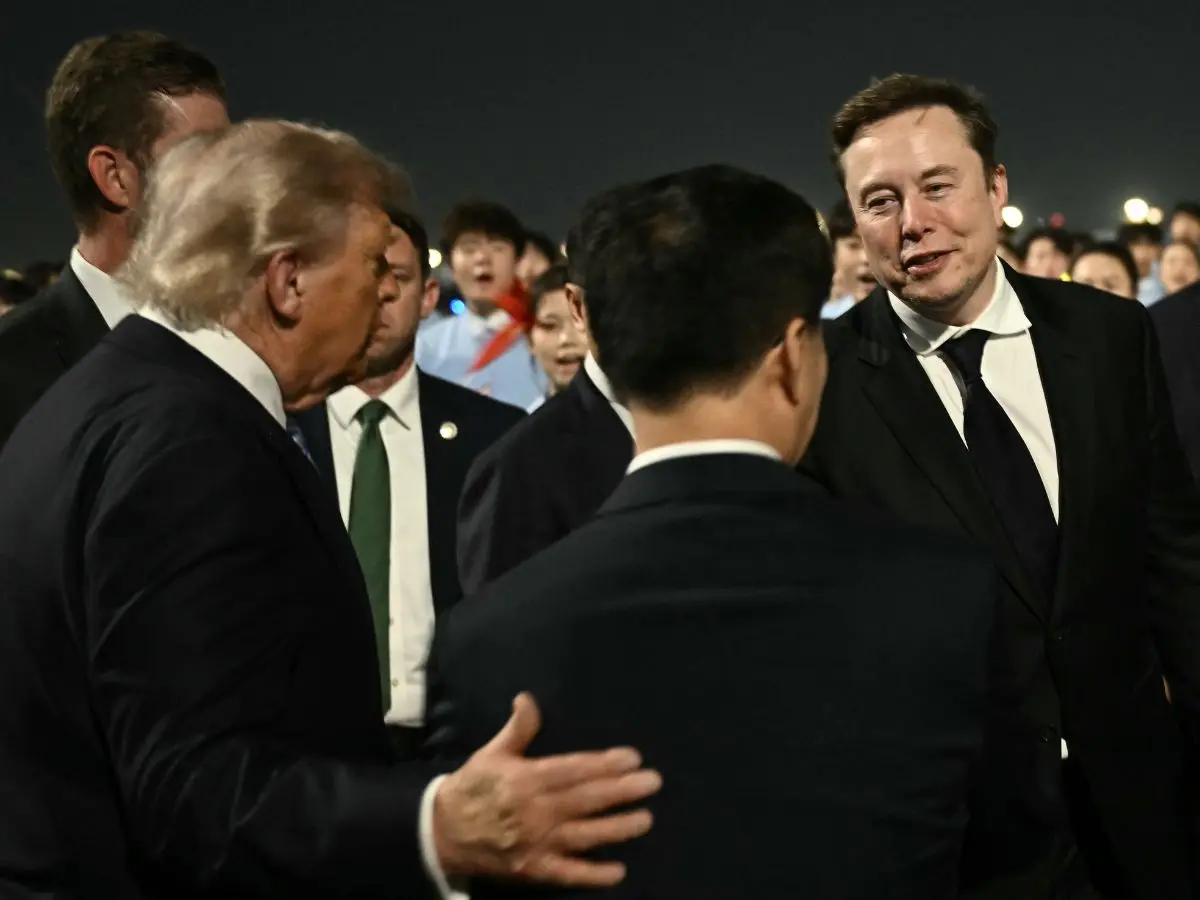
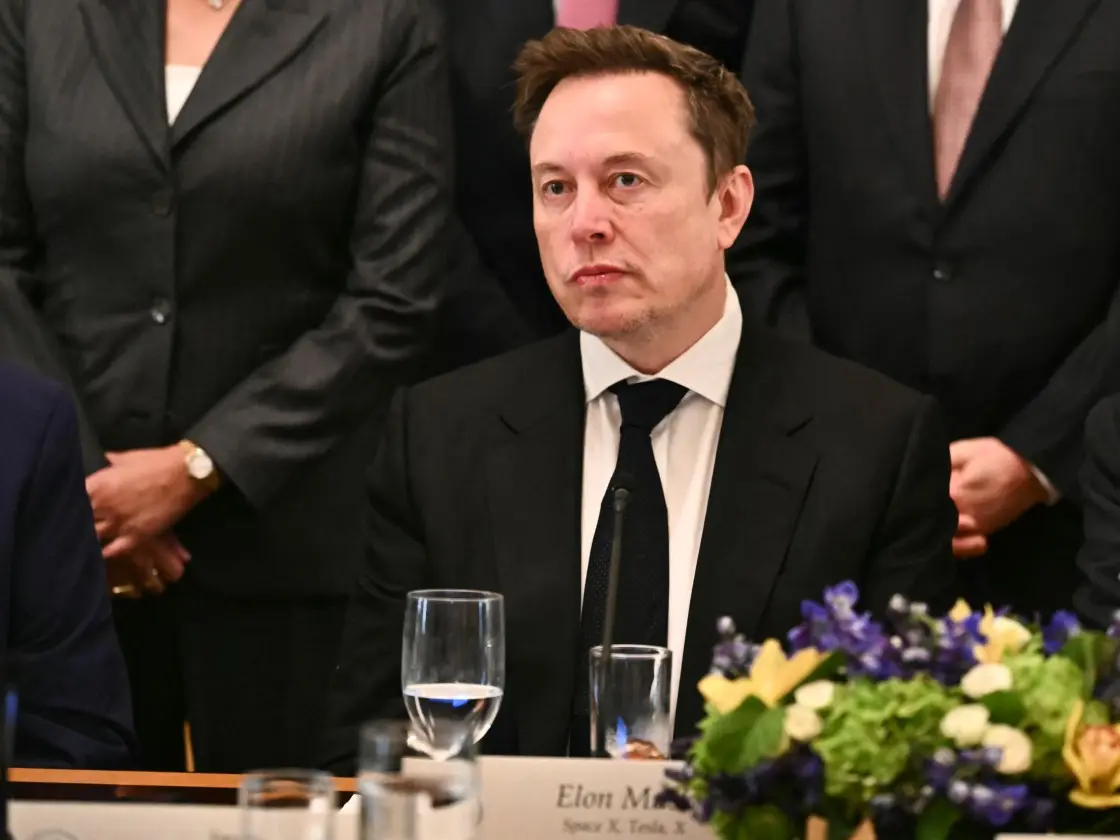
Elon Musk has a strong view on governments that want security guarantees before letting his satellites operate: when it is the United States, he builds them a secret network and takes the cheque. When it is India, he calls it a conspiracy by oligarchs.
That is the double standard at the centre of his attack on India this week.
What Starshield Is
SpaceX runs a unit called Starshield, the military and intelligence sibling of Starlink. According to reporting led by Reuters in 2024, citing multiple sources, Starshield is building a network of hundreds of spy satellites for the US National Reconnaissance Office — the agency that runs America's spy satellites — under a classified contract worth about $1.8 billion signed in 2021.
The hardware and services are sold to the US military through dedicated Space Force channels. SpaceX has also held contracts to build satellites that track ballistic and hypersonic missiles. Because much of this is classified, the full scope is hard to confirm — but the existence of the programme is well reported, and SpaceX has not denied it.
The Double Standard
Trending Stories
&imwidth=180&imheight=135&format=webp&quality=medium)
Houthis continue direct hits on Saudi targets, Türkiye and Pakistan missing in action | Gravitas
&imwidth=180&imheight=135&format=webp&quality=medium)
Powerful 7.7 magnitude earthquake strikes Panama, tsunami warning issued
&imwidth=180&imheight=135&format=webp&quality=medium)
IND vs WI: West Indies set record for highest successful run chase in T20Is against India

Kamal Haasan slams Elon Musk over Starlink delay row: 'Indian people, will decide our own future - not Western'
&imwidth=180&imheight=135&format=webp&quality=medium)
SC questions closure of 57 Delhi Metro stations, asks Centre to resume services in regulated manner
&imwidth=180&imheight=135&format=webp&quality=medium)
'Modi is a dictator': Abhijeet Dipke claims govt 'scared' of youth, slams stringent measures ahead of CJP Jantar Mantar protest
&imwidth=180&imheight=135&format=webp&quality=medium)
‘Ruh Roh’: Top US official mocks ‘Indian market collapse’ claim after Trump’s IT curbs. But did it? | FACT CHECK
&imwidth=180&imheight=135&format=webp&quality=medium)
Ryan Reynolds’ private messages reveal his blunt views on Justin Baldoni from Blake Lively’s legal case
&im=FitAndFill=(700,400)&imwidth=180&imheight=135&format=webp&quality=medium)
New Friday OTT releases (October 9, 2026): Reporting Live, Animals, Take Charge of My Heart- 6 new titles coming on Netflix, JioHotstar and more
&imwidth=180&imheight=135&format=webp&quality=medium)
Trump's naked 23-karat gold statue unveiled near European Parliament
&imwidth=180&imheight=135&format=webp&quality=medium)
‘Never-ending flow of cheap labour’: JD Vance hits back at Indian-origin Congresswoman over US green card curbs for major tech companies
&imwidth=180&imheight=135&format=webp&quality=medium)
'I am not going to be watching it': JD Vance on livestream of Nidal Hasan's firing squad execution
&imwidth=180&imheight=135&format=webp&quality=medium)
Trump announces Russian diesel deal as Zelensky criticises move
&imwidth=180&imheight=135&format=webp&quality=medium)
UK navy hit by espionage scandal: Sailor accused of spying for Russia | Gravitas
&imwidth=180&imheight=135&format=webp&quality=medium)
Hurricane Isaias makes landfall in Florida as Category 2 storm with winds of 105mph, threatens Gulf Coast with life-threatening surge
&imwidth=180&imheight=135&format=webp&quality=medium)
Blow for New Zealand: William O’Rourke ruled out of India series, eyes return in Australia Tests
&imwidth=180&imheight=135&format=webp&quality=medium)
Trump honours Microsoft CEO Satya Nadella with top technology honour amid immigration scrutiny
&imwidth=180&imheight=135&format=webp&quality=medium)
New York ICE shooting sparks protests as Mamdani to call on Trump to halt ICE operations
&imwidth=180&imheight=135&format=webp&quality=medium)
‘Real boss of India’: Elon Musk escalates attack over Starlink’s India entry
&im=FitAndFill=(700,400)&imwidth=180&imheight=135&format=webp&quality=medium)
Fastest-growing Asian economies in 2026: Who tops the chart? Where does India rank?
&imwidth=180&imheight=135&format=webp&quality=medium)
Katie Zacharia likely to succeed Karoline Leavitt as Trump's White House press secretary
&imwidth=180&imheight=135&format=webp&quality=medium)
Delhi protest: Metro curbs, train cancellations, traffic diversions as protesters seek CEC Gyanesh Kumar’s resignation
&im=FitAndFill=(700,400)&imwidth=180&imheight=135&format=webp&quality=medium)
Rakul Preet Singh birthday special: 7 times the Ramayana actress served glamorous looks
&im=FitAndFill=(700,400)&imwidth=180&imheight=135&format=webp&quality=medium)
Food shortages, suicide attempts and more: USS Abraham Lincoln returns to US after 321 day deployment — What happened aboard the US carrier?
&imwidth=180&imheight=135&format=webp&quality=medium)
New York protests erupt as Trump administration defends ICE shooting
&imwidth=180&imheight=135&format=webp&quality=medium)
Trump has a new 'enemy': Anyone who calls it 'artificial intelligence'. Here's what we wants instead
&imwidth=180&imheight=135&format=webp&quality=medium)
Can you be mean to AI? Anthropic’s new rules explicitly ban cruelty to Claude
&imwidth=180&imheight=135&format=webp&quality=medium)
Pakistan denies reports of PAF jets being used in attacks against Iran-backed Houthis in Yemen
&imwidth=180&imheight=135&format=webp&quality=medium)
'I ended 8 wars': Trump slams Nobel Peace prize decision, claims award was his due
&imwidth=180&imheight=135&format=webp&quality=medium)
‘Right to protest must be protected, but...’: Delhi Police reveals why it denied CJP permission for October 10 Jantar Mantar protest
&imwidth=180&imheight=135&format=webp&quality=medium)
Delhi on high alert for CJP protest: Delhi police to use body cams to 'prove whether we did anything’; Pink Force, RAF, 35,000 personnel deployed
&imwidth=180&imheight=135&format=webp&quality=medium)
‘We will end ICC’: US sanctions International court, threatens to cripple hours after Navi Pillay wins Nobel Peace Prize
&imwidth=180&imheight=135&format=webp&quality=medium)
OpenAI shuts down Russian, Iranian influence operations using ChatGPT to spread propaganda
&imwidth=180&imheight=135&format=webp&quality=medium)
BTS agency HYBE announces first-ever Weverse Con Festival in India
&imwidth=180&imheight=135&format=webp&quality=medium)
US midterm elections 2026: What a blue wave or blue tsunami could mean for Trump
&imwidth=180&imheight=135&format=webp&quality=medium)
Musk doubles down on Starlink India licence allegations; Rahul Gandhi says ‘wait till...’
Hold that beside his India complaint.
In the United States, Musk willingly operates inside the most demanding national-security regime on earth: classified contracts, secrecy requirements, government control over sensitive satellite capabilities. He does not call the NRO an oligarchy. He does not accuse the Pentagon of a chokehold on the American people. He builds what they ask, under their rules, and profits enormously.
India is asking for something far more modest: that traffic from Indian users be monitorable and controllable within India, and that the state be able to suspend service in an emergency. This is the baseline any country with hostile borders would demand. Musk accepts far heavier security conditions from Washington without complaint — and brands Delhi's lighter ones a crime against the people.
Why The Contrast Is Damning
The contrast matters because it exposes what the outrage is really about.
Musk clearly understands national security. He does not think security clearances are inherently corrupt — he runs a business built partly on satisfying them. So when he treats India's security process as illegitimate, the objection is not principled. It is that India is making him wait, and Washington pays him. Security he profits from is sacred; security that merely inconveniences him is an oligarchy.
The Fair Point
In fairness, there is a real difference: Starshield is a willing partnership where Musk is the supplier of choice, while in India he is an applicant in a queue. Being a valued US contractor is simply more comfortable than being one of three licensees awaiting clearance.
But that cuts against him, not for him. It means his complaint is about his own convenience, not about principle. A man who accepts stringent security control when it comes with a lucrative contract has no standing to call ordinary security control a conspiracy when it comes with a wait.
The Correct Path
India's demand is not unusual, and Musk of all people knows it, because he meets stricter versions of it every day for the US government.
The licence is available on the same basis it is for Jio and Airtel: satisfy the security agencies that India, not a foreign company, controls what happens on a network over Indian soil. Musk has shown he can work within exactly such rules. He simply does not want to when the government in question is not the one signing his defence contracts.
What To Watch
Whether Musk extends to India the security cooperation he gives the US as a matter of course. Whether he keeps framing a routine clearance as corruption. And whether the glaring contrast with Starshield features in how India, and the public, read his complaint.
