US withdraws troops from Iraq: What are implications for West Asia

&imwidth=600&imheight=450&format=webp&quality=medium "US withdraws troops from Iraq: What are implications for West Asia")
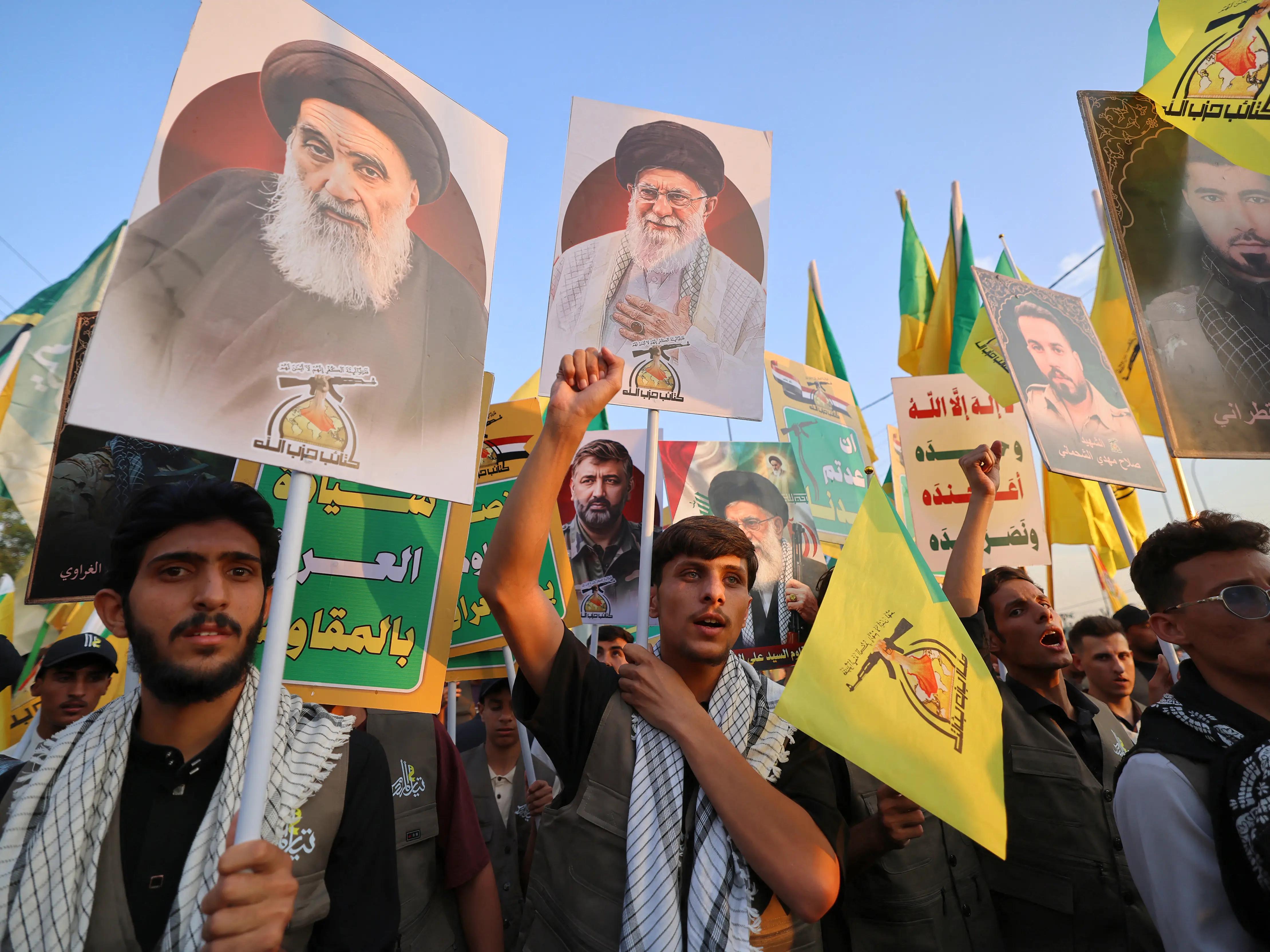
Supporters of Iran-aligned armed factions march with portraits of Iran's slain supreme leader Ali Khamenei and Iraq's supreme Shia Muslim cleric Ayatollah Ali Sistani during a rally celebrating the withdrawal of forces of the US-led coalition against the Islamic State from Iraq, in Baghdad on September 30, 2026. Photograph: (AFP)
The US withdrawal from Iraq marks the end of its combat mission there while raising questions over Iran’s influence, the future of Iran-backed militias, ISIS resurgence and Iraq’s security.
As Iran pushes for U.S. military withdrawal from West Asia, it received a big boost in neighbouring Iraq.
12 years after returning to Iraq to fight ISIS, American troops finally left the country on Wednesday.
The departure of U.S. forces and equipment from Erbil Airbase marked the end of America’s Operation 'Inherent Resolve' in Iraq.
While this airbase, located in northern Iraq, served as the main operational hub of the counter-ISIS mission, its headquarters has now been shifted to Jordan.
Following this, various units of Iraqi security forces held a parade in various parts of the country, including Baghdad, Najaf as well as Kirkuk.
Scenes of jubilation were visible everywhere.
Trending Stories
)
)
)
)
)
)
)
)
)
)
)
)
)
)
)
)
)
)
)
)
)
)
)
)
)
)
)
)
)
)
)
)
)
)
&im=FitAndFill=(700,400))
)
)
)
)
Multiple Iraqis took to the streets to celebrate the withdrawal of U.S. forces from the country.
Iraqi PM Ali al-Zaidi also hailed the withdrawal of American troops. He stressed that a new phase had begun, defined by Iraq’s sovereignty, the strength of its institutions, and balanced partnerships with its friends.
But what’s behind this outpouring of emotion?
Over two hundred thousand Iraqi civilians are estimated to have been killed since 2003, when U.S. forces invaded Iraq and toppled Saddam Hussein’s government.
By the time the U.S. wrapped up its Operation 'Iraqi Freedom' in 2011, four thousand five hundred American troops were killed.
However, U.S. forces returned to Baghdad three years later to fight ISIS, which captured Mosul and other regions across Iraq.
The tables turned in 2017, when the then Iraqi PM declared victory over ISIS after recapturing the last areas under the terror group’s control, along with the border with Syria.
In 2021, US agreed to terminate its combat operations, with remaining troops focusing on functions such as training, advising and intelligence-sharing.
Two years later, both sides finalised the timeline for the withdrawal of U.S. troops.
Meanwhile, US reaffirmed its commitment to counter-terrorism and said that it would continue working with allies to ensure that ISIS cannot regroup on Iraqi soil.
The Pentagon’s chief spokesman said, and I am quoting him, "The Department of war will continue to provide targeted training and intelligence support to our Iraqi partners".
Now, this development may have larger implications on West Asia, due to the ongoing war.
Iranian parliamentary officials have already welcomed the U.S. military pullout, presenting it as a victory for what they call the 'axis of resistance'.
It is worth noting that 7 of the 19 U.S. military personnel killed in the Iran war died in Iraq.
The influence of Iran-backed Popular Mobilisation Forces or PMF cannot be understated.
It is an umbrella organisation of armed Shia groups, which was formed in 2014 to fight ISIS.
In 2016, the government formally integrated the PMF as a part of the Iraqi armed forces, but designated it as an independent military formation.
As per estimates, PMF is believed to have close to 2,38,000 fighters with an annual budget of 3.6 billion U.S. dollars.
During the course of the West Asia war, Iraq’s government formally granted PMF the right to defend itself.
While the Iraqi government is seeking to disarm Iran-backed militias by June 2027, they said that they were not bound by any timeline or agreement to surrender their weapons to the state.
Now, some Iraqi security officials also fear that the U.S. pullout may risk giving a fresh lease of life to ISIS, which retains a sleeper cell network.
For instance, the last time the U.S. withdrew, the Iraqi army proved no match for this terror outfit.
This is not all.
Many Kurds have been vocal critics of the U.S. withdrawal.
According to local officials, the Kurdish region faced more than a thousand drone and ballistic attacks during the Iran war.
Without adequate air defence capabilities, doubts persist whether Iraq will be able to defend itself.
The U.S. move is also perceived as a bid to make the bilateral partnership with Iraq more economic-centric.
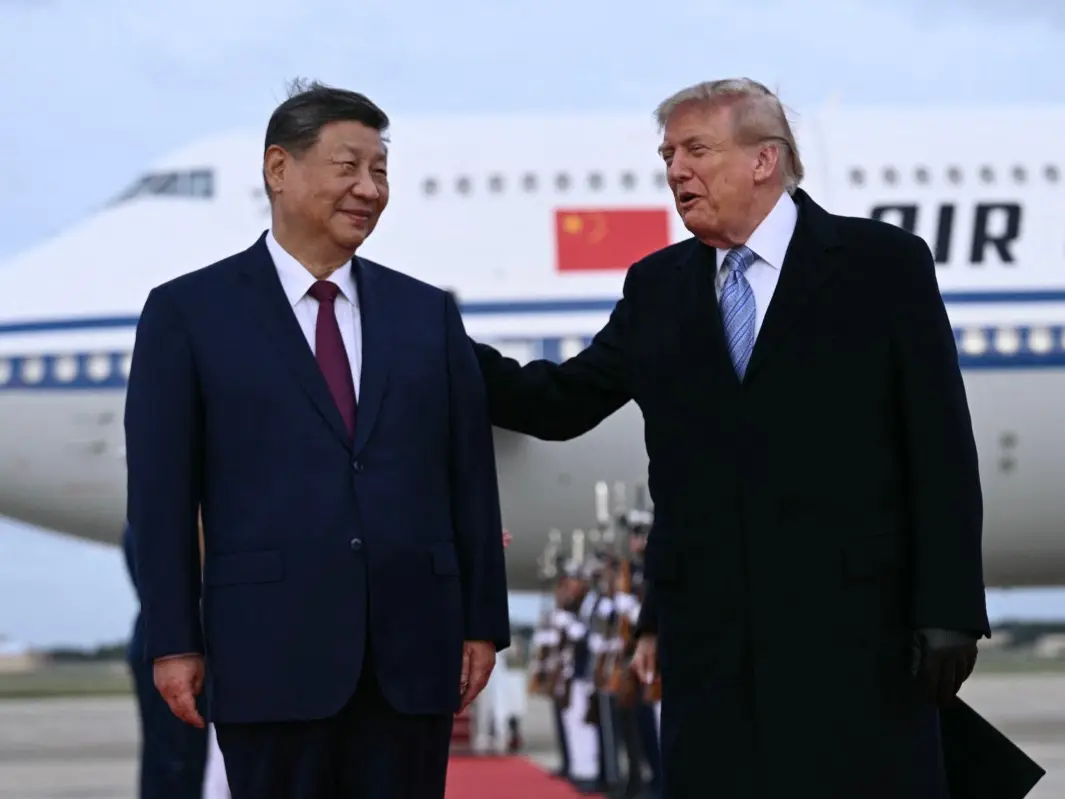
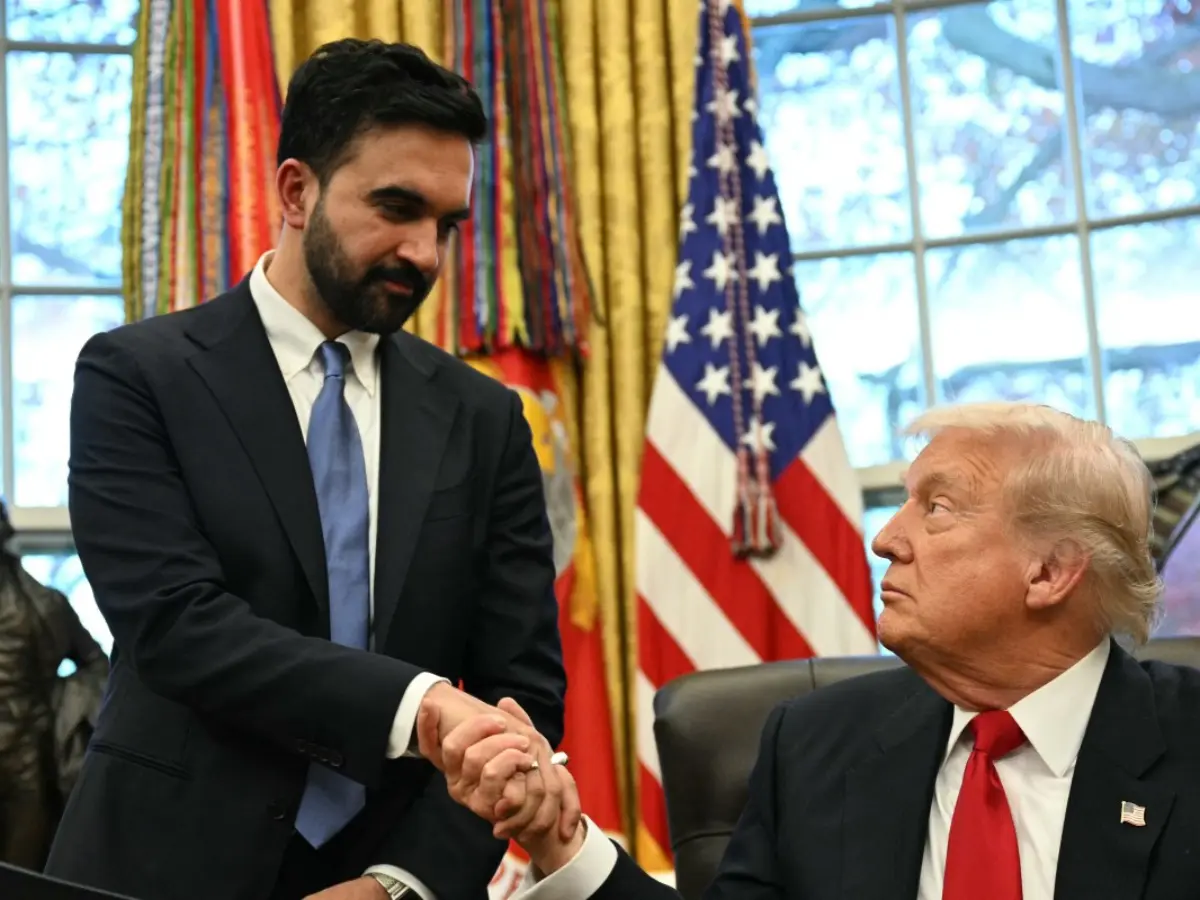
During his meeting with al-Zaidi in July, U.S. President Donald Trump described him as young and handsome, and hinted at a lot of deals with Iraq.
On his part though, the Iraqi PM has sought to maintain a cordial relationship with Iran too.
He visited Tehran following his U.S. visit and signed four MoUs with Iran, aimed at upgrading bilateral ties.
Thus, the next few months will be crucial for Iraq.
It remains to be seen whether it can contain Iran’s influence and stop an ISIS resurgence.