Konversations: What if there was no concept of money in the world?

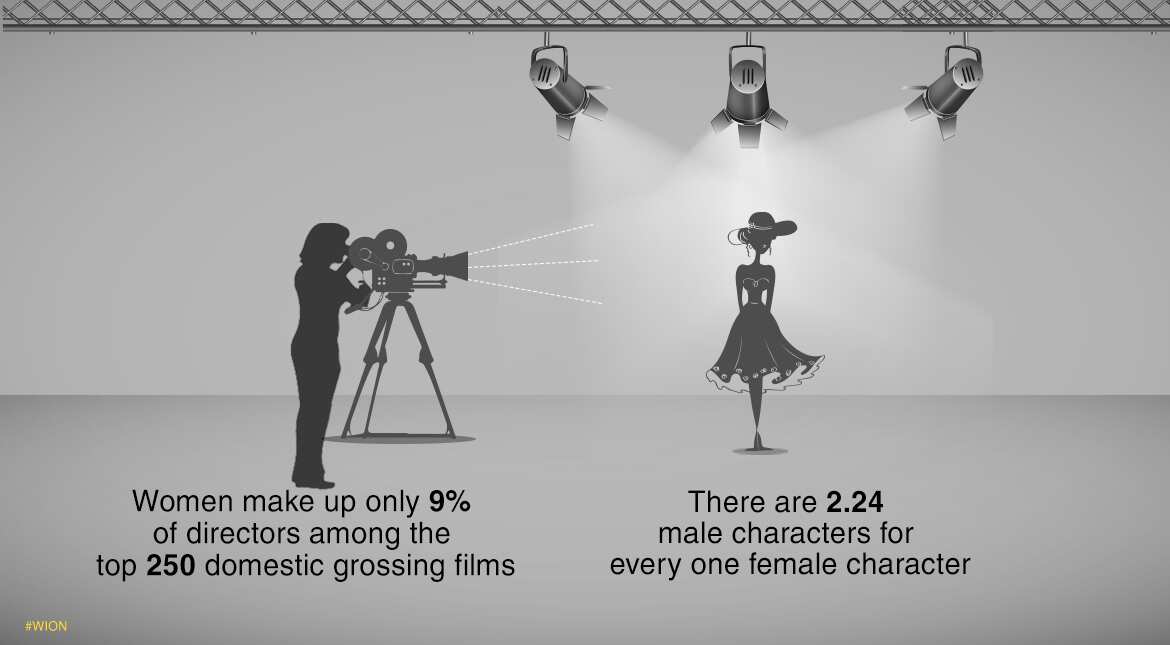
'An idea means nothing till you don?t execute it. So don?t be afraid of failing, be afraid of not trying' (Graphic by Ishu Vaid)
It all started with a conversation over coffee, and today Pooja Bhayana runs one of the world's largest communities for bartering
What if there was no money in the world? Maybe we would all be wealthyin different ways. Actually, we are. Imagine getting a new computer in exchange of a classic briefcasethat you don’t need anymoreor bartering a home-cooked meal with a rarebook. The possibilities areendless.
Pooja Bhayanais re-introducing the long-lost concept of exchanging good and services (bartering). A system used before money was believed to be invented in around5000 BC. She claims to have the world'slargest bartering platform and aims toteach a cash-strapped generation to value what they already own.

Kazimi: Take us back to the time when the company didn't exist. What was the first incident or thought that instigated the idea?
Pooja:It all started over a cup of coffee whenmy friend (and now co-founder) Sahil had shut down his business and wanted to sell off the unused tablet phones that were in perfect condition. He wasn’t getting a good price for them in the market. SoI suggested that he exchangethem for video games with our friends. He fell in love with the idea and that was it.We created a Facebook group in September 2015 that got an overwhelming response and is one of the most active groups in South Asia.
Kazimi:Why starton Facebook?
&imwidth=180&imheight=135&format=webp&quality=medium)
Asian Games 2026: India face Afghanistan in quarterfinal on Sep 28; Pakistan clash with Hong Kong
&imwidth=180&imheight=135&format=webp&quality=medium)
Myanmar training camp case: US national, 6 Ukrainians allowed to meet their families abroad
&imwidth=180&imheight=135&format=webp&quality=medium)
Bigg Boss 20: Salman Khan schools Rhiti Tiwari over Qazi Touqeer clash, compares her to Dolly Bindra
&imwidth=180&imheight=135&format=webp&quality=medium)
Mushtaq Khan dies at 56: When Welcome actor opened up about his salary for iconic role Ballu
&imwidth=180&imheight=135&format=webp&quality=medium)
LPU students go on rampage, vandalise campus amid widespread protest: What's happening
&imwidth=180&imheight=135&format=webp&quality=medium)
'FIRST LOOK from inside Noah’s Ark': Researchers share video from inside mysterious mound in Turkey
&imwidth=180&imheight=135&format=webp&quality=medium)
‘Attack on Mecca a red line for Pakistan’: Shehbaz Sharif warns Houthis at UN
&imwidth=180&imheight=135&format=webp&quality=medium)
Pakistan deploys over 20,000 security personnel as PTI vows march for Imran Khan's release
&imwidth=180&imheight=135&format=webp&quality=medium)
OpenAI AI Agents hacked 4 websites before Hugging Face, researchers reveal
&imwidth=180&imheight=135&format=webp&quality=medium)
'A terrorist country is asking me that question?': Jaishankar hits back at Pakistani journalist at UN; flags attacks on commercial shipping
&imwidth=180&imheight=135&format=webp&quality=medium)
Trump-Xi summit wrap: Big pageantry, Iran talks, few major developments and more meetings planned
&imwidth=180&imheight=135&format=webp&quality=medium)
Did Hitler kill his niece Geli Raubal? Newly found records reopen a 95-year-old mystery
&imwidth=180&imheight=135&format=webp&quality=medium)
Hawaii braces for Hurricane Nolo: NOAA warns of flash flooding and mudslides
&imwidth=180&imheight=135&format=webp&quality=medium)
'What kind of confession is this?': Pakistan PM Shehbaz Sharif’s 'terrorists would be roaming New York' remark goes viral, raises alarm online. Watch
&imwidth=180&imheight=135&format=webp&quality=medium)
US-Iran war: Trump rejects Iran's Hormuz proposal, reports suggest talks expected next week
&imwidth=180&imheight=135&format=webp&quality=medium)
Bollywood x K-pop crossover! LE SSERAFIM’s Kazuha charms fans with Shah Rukh Khan’s ‘Chammak Challo’ steps
&imwidth=180&imheight=135&format=webp&quality=medium)
Gaza's war turned environmental damage into second crisis
&imwidth=180&imheight=135&format=webp&quality=medium)
‘Serial practitioner of terrorism’: Jaishankar calls out Pakistan’s ‘state-sponsored’ terror at UNGA
&imwidth=180&imheight=135&format=webp&quality=medium)
‘It is all possible’: Putin weighs next steps on Ukraine talks, rules out Europe conflict
&imwidth=180&imheight=135&format=webp&quality=medium)
Prince Harry offers rare glimpse into Archie and Lilibet’s life after UK move
&imwidth=180&imheight=135&format=webp&quality=medium)
Nigeria Navy moves to boost oil security, tackle crude theft and infrastructure threats
&imwidth=180&imheight=135&format=webp&quality=medium)
Donald Trump shares image of Xi's arrival in Washington, carries signs of AI
&imwidth=180&imheight=135&format=webp&quality=medium)
Pentagon quietly adds 37 wounded troops to Iran war tally without explaining when or how
&imwidth=180&imheight=135&format=webp&quality=medium)
US court backs Pentagon's decision to exclude Anthropic over Claude AI restrictions
&imwidth=180&imheight=135&format=webp&quality=medium)
US Supreme Court backs Trump administration's use of SAVE database to check voter citizenship
&imwidth=180&imheight=135&format=webp&quality=medium)
‘Could kill billions...’: Bill Gates backs calls to slow AI development amid fears of catastrophe
&imwidth=180&imheight=135&format=webp&quality=medium)
'Countries far from conflict are penalised': Jaishankar calls for Gulf peace, seafarer safety at UN
&imwidth=180&imheight=135&format=webp&quality=medium)
WATCH | As Shehbaz Sharif claims Pakistan’s ‘victory’ during 2025 conflict, Indian diplomat R Srinivas laughs at UN
&imwidth=180&imheight=135&format=webp&quality=medium)
Outrage erupts after 3-year-old is married to 60-year-old man in Pakistan, link to her sister's murder being probed
&im=FitAndFill=(700,400)&imwidth=180&imheight=135&format=webp&quality=medium)
New Friday OTT releases (September 25, 2026): Don’t Be Shy, Hunkkaar: The Roar, Mango Pachcha- 6 movies and TV shows on Netflix, Prime Video and more
&imwidth=180&imheight=135&format=webp&quality=medium)
Global community 'absent' in Gulf crisis: Saudi at UN calls for freedom of navigation, pre war status for Hormuz
&imwidth=180&imheight=135&format=webp&quality=medium)
Farhan, who went viral for AK47 celebration vs India in Asia Cup, hopes to lead Pakistan beyond Asian Games
&imwidth=180&imheight=135&format=webp&quality=medium)
‘I rejected it’: Trump confirms turning down Iran’s proposal to reopen Hormuz, claims Tehran is losing ‘badly’
&imwidth=180&imheight=135&format=webp&quality=medium)
Russia will achieve Ukraine war aims; Europe doing everything to block peace talks: Lavrov at UN
Pooja:We did not have any capital to investso a Facebook group seemed like the most rational option. It was the perfect medium to converse with people interested in the idea of exchange. Today, this group has 180,000+ engaged members that helpIndians across the country barter their goods and services to get more value for what they have. Today, we are a fully functional organization with an app.
Kazimi: At a very young age, you have experimented with a concept that was eliminated ages ago. What are some challenges that you face?
Pooja: We are reintroducing a concept that was discarded ages back, and it is tough to make people believe in your long-term vision and follow it. We meet critics of the concept on a daily basis and combating that is a challenge. Other than that, as a start-up, lack of funding definitely made everything tougher.We bootstrapped for a year and efficientlymanaging everything on a short budget was a grueling task.
Kazimi: What do you enjoy the most about your company?
Pooja: It is sosatisfying when users come back and share amazing stories ofhow this concept changed their life for the better.An interesting instance would be when a start-up founder exchanged some office goods for digital marketing services for his platform. The barter completely changed the face of his brand that led to a manifest increase in his sales.There was another time one of our users bartered an old phonefor make-up services. It's amazing how versatile thecombinations of the concept can be.
Kazimi: Where do you see this company half a decade from now?
Pooja: Thisgeneration obsesses over holding money. Our vision is to implement a concept where onegains utility from holding goods and not from holding money. We want people to realize the true value of their possessions so that they areable to own things even if they don't have money.
Kazimi: What are thebenefits of barter over cash exchange?
Pooja: The main advantage of barter is the value addition that you get in the deal. One would receive more value for aproduct or service in bartering for it, rather instead ofselling or purchasing it.
-20161206123605.png) Pooja with co-founder, Sahil Dhingra (center) and Chief Technology Officer, Abhishek Biswal (WION)
Pooja with co-founder, Sahil Dhingra (center) and Chief Technology Officer, Abhishek Biswal (WION)
Kazimi: Define your start-up culture
Pooja: We have a very communicative, open but respectful culture in the company. While we are extremely helpful to one another, we believe in letting people do what they are good at and having the space to lead their field.
The entire team is passionateto do something big with our start-up. They are all strong believers of the concept. We imbibe the culture of barter in our daily lifeand want to make an impact on the world.
Kazimi: Where do you get your strength from?
Pooja: My team and co-founder Sahilgive mestrength to get through anything and everything. Also, the interesting and inspirationalstories of other successful start-ups and entrepreneurs. Such stories give me the courage to carry on during lows and just focus ondoing good work.
Kazimi: What other start-upsinspired you?
Pooja: I stay in touch with other start-ups in the ecosystem, and there's always something to learn from one another I also like to read a lot. 'Hard Thing about Hard Things' by Ben Horowitzand 'Rework' by Jason Fried and David Heinemeier Hanssontop my list.
Kazimi: What are some obstacles you face as awoman entrepreneur?
Pooja: I personally think that women are already excelling and making it big in the business space. We have so many inspirational women to look up to who have made their own niche in this industry and continue to do good work. While the men may be more in number, the effective women are leading. When you just believe in doing good work,stereotypes don’t matter. Women face moredifficulties when starting up, especially from the societalfamily point of view. But when you learn how to balance, and prove your worth, everyone comes around.
Kazimi: The women who inspire you?
Pooja: This list is super long, as women are continuously shattering glass ceilings and stereotypes. To name a few, in the start-up world, I really look up to Kanika Tekriwal of Jet Set Go and KJ of Simbi.I am really inspired by the work and lives of Chanda Kochhar (managing director of ICICI Bank) and Kiran Bedi (the first woman to have joined the Indian Police Service).
Kazimi: You are based out of India, the country thatrecently facedcurrency demonetization. How has that impacted your business?
Pooja: We have seen a 150% hike in the number of app downloads and thousands of new members on our Facebook group ever since the implementation ofdemonetization. The concept has definitely become a more acceptable alternativein the minds of people.
Kazimi: What does the future of the industry look like?
Pooja: We think the future is going to be very interesting for a concept like barter. As we move towards a cashless economy, peopleare starting to realize the potential of exchanging. We see it running as a parallel stream of economy.
Kazimi: How does one turn their ideas into reality?
Pooja: An idea means nothing until you execute it. So don’t be afraid of failing, be afraid of not trying.
(Coordinator and Editor: Devanshi Verma)