Trump Organization launches ‘Trump Mobile’ at $499; but can they actually make it in the US?

&imwidth=600&imheight=450&format=webp&quality=medium "Trump Organization launches ‘Trump Mobile’ at $499; but can they actually make it in the US?")
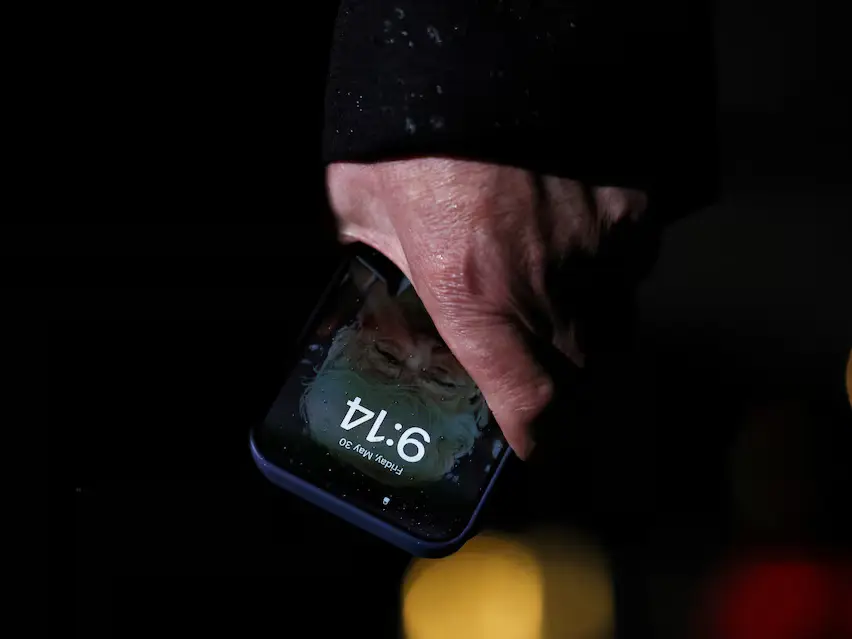
US President Donald Trump holds a mobile phone with his image on it. Photograph: (Reuters)
New venture expands Trump-branded business empire into telecom, but ‘Made in USA’ claims face skepticism.
The Trump Organization has unveiled its latest business venture: a mobile phone service called Trump Mobile and an Android-based smartphone named the T1, priced at $499.
Both are set to launch in September and represent the Trump family's most ambitious foray into the consumer electronics and telecommunications sector.
The new service, branded “The 47 Plan” in reference to Donald Trump’s position as the 47th US president, will cost $47.45 per month. It offers unlimited calls, texts, and data, in addition to roadside assistance and a “Telehealth and Pharmacy Benefit”.
The T1 smartphone, meanwhile, features a gold-coloured casing etched with an American flag and is being marketed as “designed and built in the United States”.
This move is the latest in a series of branded consumer products promoted under the Trump name, following Trump-branded sneakers, watches, and fragrances.
The family has leveraged Trump's political brand and loyal following to expand their portfolio, with the president reporting over $8 million in licensing income in 2024 alone.
Trending Stories
)
)
)
)
)
)
)
)
)
)
)
)
)
)
)
)
)
)
)
)
)
)
)
)
&im=FitAndFill=(700,400))
)
)
)
)
)
)
)
)
)
)
)
)
Spec sheet promises high-end features
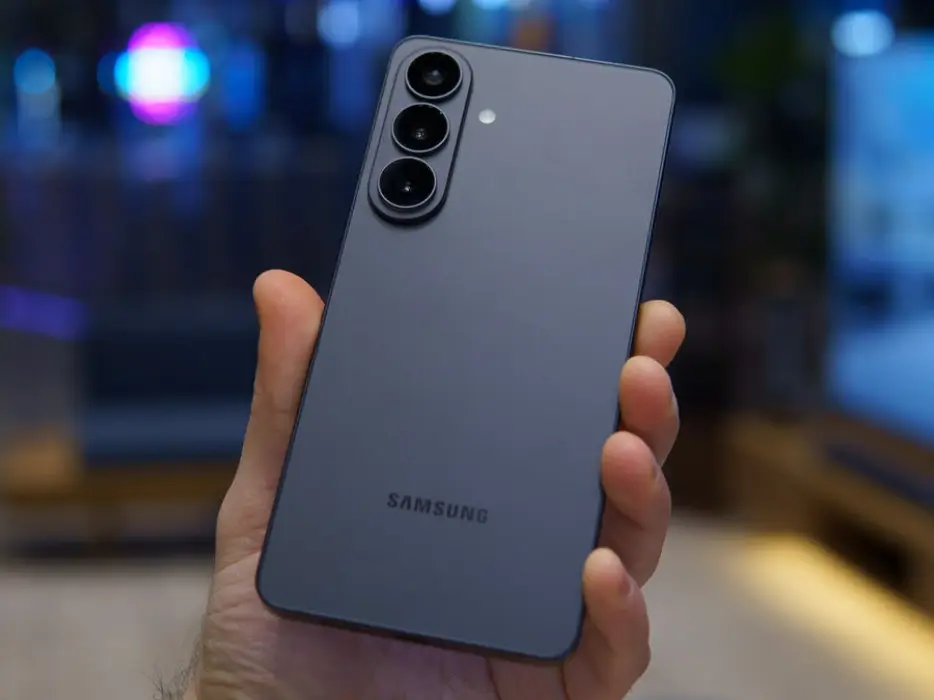
According to the Trump Organization website, the T1 phone boasts premium features at its sub-$500 price tag. These include a 6.8-inch AMOLED (Active Matrix Organic Light Emitting Diode) display, a 50-megapixel main camera, a 16-megapixel front camera, 12GB of RAM, 256GB of storage (expandable), and a 5,000 mAh battery.
The device also includes a headphone jack and an in-display fingerprint sensor, features not available on the latest iPhones.
The company claims the T1 will run Android 15 and offer performance on par with top-tier smartphones like Apple’s iPhone 16 Pro Max, which starts at over $1,000. The website also asserts that the mobile plan will use the same coverage as the three nationwide phone service carriers and include a US-based customer support centre.
However, several details remain vague, including the identity of the telecom partner enabling the service and the exact specifications of the T1’s processor—a critical component in any modern smartphone.
Built in the USA? Experts raise questions
Perhaps the most contentious claim surrounding the T1 is its manufacturing origin. A Trump Organization press release states that the device is “proudly designed and built in the United States”, with operations in Alabama, California, and Florida. But industry experts widely dispute the feasibility of this assertion.
Building a high-end smartphone entirely within the United States is currently considered impractical, if not impossible, due to the lack of necessary supply chain infrastructure.
Most components, including AMOLED displays, high-performance chips, and smartphone-grade cameras, are sourced from Asia, particularly China, Taiwan, South Korea, and Japan.
Professor Tinglong Dai of Johns Hopkins University told WSJ that it would take “at least five years” and billions of dollars in investment to build the capabilities necessary to fully manufacture smartphones in the US. He noted that the US currently lacks the factories, workforce skills, and component suppliers needed for end-to-end production.
Even Eric Trump admitted during an appearance at Benny Johnson’s podcast, The Benny Show, on June 16 that the first wave of phones may not be built in the US, although he insisted that domestic production was the long-term goal. “Eventually, all the phones can be built in the United States of America,” he said while showcasing the device.
Ethical and political implications
The rollout of Trump Mobile has reignited longstanding concerns over ethics and conflicts of interest surrounding Trump’s continued business ventures while holding public office.
Critics argue that the enterprise could allow companies or individuals seeking influence to curry favour by subscribing to the service or purchasing Trump-branded products.
The project raises familiar questions about self-enrichment and the use of presidential power for personal profit. Although The Trump Organization has maintained that the service operates under a licensing agreement and is not directly managed by Donald Trump or his affiliates.
The wireless plan’s price—$47.45 per month—is notably higher than comparable offerings from competitors like Mint Mobile ($30/month) and Verizon’s Visible service ($25/month), adding further scrutiny to its value proposition.
A niche telecom gamble
The US wireless market is dominated by Verizon, AT&T, and T-Mobile, but smaller virtual network operators have carved out niche audiences by renting bandwidth from these carriers. Mint Mobile, for example, was sold to T-Mobile for $1.35 billion in 2023 after attracting a few million subscribers.
Whether Trump Mobile can compete remains to be seen, but analysts agree the venture is designed to appeal to Trump’s politically loyal base. The pre-order campaign is already live, promoting patriotic branding, American-made claims, and service aligned with conservative values.
As with many of the Trump Organization’s past branded ventures, success may depend less on product specs and more on the enduring commercial power of the Trump name.