GST reset ahead of Diwali? Here’s what may become cheaper

&imwidth=600&imheight=450&format=webp&quality=medium "GST reset ahead of Diwali? Here’s what may become cheaper")
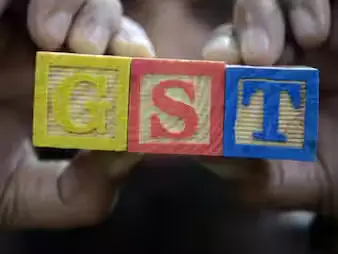
GST illustration. Photograph: (PTI)
India is poised for significant Goods and Services Tax (GST) reforms, with Prime Minister Narendra Modi hinting at changes before Diwali 2025.
India may be gearing up for its biggest reset of the Goods and Services Tax (GST) regime since it was introduced in 2017. In his Independence Day speech on Friday, Prime Minister Narendra Modi promised “next-generation GST reforms”, which he hinted could be rolled out before Diwali 2025. According to reports, the reforms could simplify the tax structure, reduce levies on common goods and services, and ease the burden on households and small businesses. Here are the speculations of what will get cheaper.
What is being planned?
The Centre has reportedly forwarded a three-pillar blueprint for GST reforms to the Group of Ministers (GoM), which will place its recommendations before the GST Council chaired by Union Finance Minister Nirmala Sitharaman. If adopted, the plan could scrap the 12 per cent GST slab entirely and restructure the regime into just three slabs that is 5 per cent, 18 per cent, and 40 per cent (for sin goods like cigarettes and beer).
“This Diwali, I am going to make it a double Diwali for you. This Diwali, you fellow countrymen will get a tremendous gift,” Modi said, signalling tax relief ahead of the festive season.
What could become cheaper?
- Everyday essentials such as groceries, soaps, medicines, and packaged foods
- Bicycles, agricultural equipment, and tractors – with tax rates potentially dropping to 5 per cent
- Consumer durables like TVs, washing machines, and air conditioners – currently taxed at 28 per cent, could fall under the 18 per cent bracket
- Insurance and education services – sectors flagged by brokerages like Jefferies and Nomura as likely beneficiaries
- Items taxed at 12 per cent, including jam, pasta, frozen vegetables, umbrellas, carpets, footwear under ₹1,000, and feeding bottles, may see rates slashed to 5 per cent, giving households direct relief.
Trending Stories
&imwidth=280&imheight=210&format=webp&quality=medium)
&imwidth=280&imheight=210&format=webp&quality=medium)
&imwidth=280&imheight=210&format=webp&quality=medium)
&imwidth=280&imheight=210&format=webp&quality=medium)
&imwidth=280&imheight=210&format=webp&quality=medium)
&imwidth=280&imheight=210&format=webp&quality=medium)
&imwidth=280&imheight=210&format=webp&quality=medium)
&imwidth=280&imheight=210&format=webp&quality=medium)
&imwidth=280&imheight=210&format=webp&quality=medium)
&imwidth=280&imheight=210&format=webp&quality=medium)
&imwidth=280&imheight=210&format=webp&quality=medium)
&imwidth=280&imheight=210&format=webp&quality=medium)
&imwidth=280&imheight=210&format=webp&quality=medium)
&imwidth=280&imheight=210&format=webp&quality=medium)
&imwidth=280&imheight=210&format=webp&quality=medium)
&imwidth=280&imheight=210&format=webp&quality=medium)
&imwidth=280&imheight=210&format=webp&quality=medium)
&imwidth=280&imheight=210&format=webp&quality=medium)
&imwidth=280&imheight=210&format=webp&quality=medium)
&im=FitAndFill=(700,400)&imwidth=280&imheight=210&format=webp&quality=medium)
&imwidth=280&imheight=210&format=webp&quality=medium)
&imwidth=280&imheight=210&format=webp&quality=medium)
&imwidth=280&imheight=210&format=webp&quality=medium)
&imwidth=280&imheight=210&format=webp&quality=medium)
&imwidth=280&imheight=210&format=webp&quality=medium)
&imwidth=280&imheight=210&format=webp&quality=medium)
&imwidth=280&imheight=210&format=webp&quality=medium)
&imwidth=280&imheight=210&format=webp&quality=medium)
&imwidth=280&imheight=210&format=webp&quality=medium)
&imwidth=280&imheight=210&format=webp&quality=medium)
&imwidth=280&imheight=210&format=webp&quality=medium)
&imwidth=280&imheight=210&format=webp&quality=medium)
&im=FitAndFill=(700,400)&imwidth=280&imheight=210&format=webp&quality=medium)
&imwidth=280&imheight=210&format=webp&quality=medium)
&imwidth=280&imheight=210&format=webp&quality=medium)
&imwidth=280&imheight=210&format=webp&quality=medium)
&imwidth=280&imheight=210&format=webp&quality=medium)
Why the change now?
The current GST system has four main slabs, that is 5 per cent, 12 per cent, 18 per cent, and 28 per cent, and has long faced criticism for its complexity. Industry bodies have pushed for a simpler regime with fewer slabs and lower rates on essentials.
Reports suggest the government aims to boost consumption ahead of the festive season, while also balancing inflation concerns.
The economic impact
Brokerage firm Citi estimates that moving most 12 per cent slab items into the 5 per cent basket could lead to a revenue loss of up to 0.15 per cent of GDP, but would also provide a policy stimulus worth around 0.7 per cent of GDP in FY26.
Experts say rationalisation will need to strike a balance between affordability for consumers, inflation control, and revenue neutrality for the government.
What stays expensive?
Not everything will get cheaper. Goods classified as luxury or harmful, such as cigarettes, pan masala, and alcohol, are expected to remain under a higher 40 per cent GST slab. Automobiles and luxury durables could also continue attracting higher taxes.
If implemented as indicated, these reforms could be India’s biggest tax reset since GST’s rollout in 2017. They could simplify compliance, reduce costs for households, and spur demand across key sectors, from farming and consumer durables to insurance.
However, the proposals are still under discussion, and the final decision lies with the GST Council, which will weigh fiscal risks against the political and economic push for tax relief.
For now, the big question remains: Will Diwali 2025 really bring Modi’s promised “double Diwali” for Indian consumers?
(With inputs from the agencies)