'Will increase tensions': Iran issues fresh warning over Strait of Hormuz shipping routes

&imwidth=600&imheight=450&format=webp&quality=medium "'Will increase tensions': Iran issues fresh warning over Strait of Hormuz shipping routes")
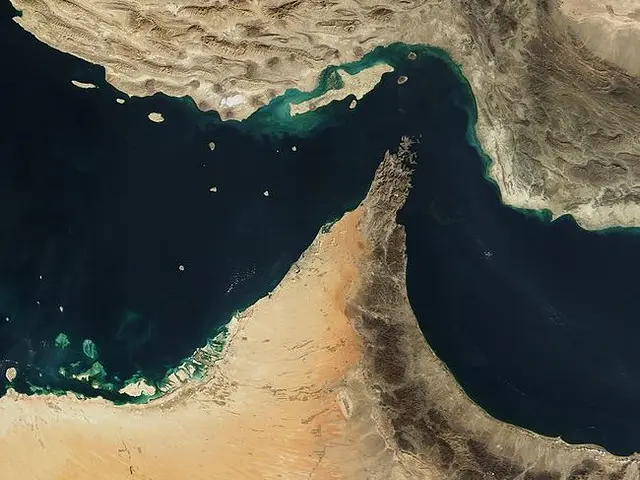
Strait of Hormuz Photograph: (Wikimedia Commons)
Iran has warned vessels against using alternative shipping routes through the Strait of Hormuz, saying any attempt to bypass Tehran's preferred corridor would increase regional tensions, as fresh US-Iran military exchanges cast doubt on the durability of the ceasefire.
Iran on Sunday (Jun 28) warned that attempts to bypass its preferred shipping route through the Strait of Hormuz would only deepen tensions in the Gulf, as American and Iranian forces exchanged fresh attacks despite a Pakistan-brokered ceasefire that formally ended their war. The latest flare-up highlights how fragile that agreement remains.
Although the ceasefire came into effect in April, violence has continued to simmer across the region. More often than not, the Strait of Hormuz, one of the world's most important energy chokepoints, has been at the centre of those tensions.
Iran's warning came days after Oman announced an alternative transit route through the strait that follows the Omani coastline. Muscat said the arrangement had been developed in coordination with the International Maritime Organization.
Also read | Israel blows up major Hezbollah tunnel packed with weapons; group says it reserves 'right to defend'
Why is Iran objecting?
For Iran, the issue goes beyond shipping lanes. The Strait of Hormuz carries roughly a fifth of the world's oil and liquefied natural gas during normal times. Before the war that erupted in February, Iran did not exercise the level of control over the waterway that it does today.
Trending Stories
)
)
)
)
)
)
)
)
)
)
)
)
)
)
)
)
)
)
)
)
)
)
)
)
)
)
)
)
)
)
)
)
)
)
&im=FitAndFill=(700,400))
)
)
)
)
During the conflict, however, Tehran effectively restricted access through the narrow passage, giving it significant economic leverage at a time when global energy markets were already rattled.
While the strait passes through both Iranian and Omani territorial waters, international law generally prevents either country from blocking transit or imposing tolls on vessels passing through.
Yet Iran has continued to insist that ships use a corridor running close to its own coastline. "Any attempt to adopt new or separate arrangements compared to what is underway by the Islamic Republic of Iran will only lead to more complicated situations and delays in the reopening of the Strait of Hormuz and will increase the tensions," Foreign Minister Abbas Araghchi said.
Meanwhile, Iran's Revolutionary Guards said they were continuing to regulate maritime traffic in the strait and warned that vessels violating their directives would face tougher action than before.
Also read | Israel deletes post promoting Ben & Jerry's new 'Genocidaires' ice cream after online backlash
Fresh US-Iran military exchanges
The diplomatic dispute unfolded alongside another round of military exchanges. Early Sunday, US Central Command announced strikes on 10 Iranian military targets, accusing Tehran of "continued Iranian aggression against commercial shipping".
Iran responded by launching strikes against US military facilities in Kuwait and Bahrain. Both Gulf states condemned the attacks.
The exchanges did not immediately appear to cause major casualties.
In Qatar, authorities said a citizen was found dead after his boat failed to return to port. The country's interior ministry said shrapnel from "military operations in the area" was responsible, though it did not provide further details. The victim's body was recovered on Sunday.
Disclaimer: WION takes utmost care to accurately and responsibly report ongoing conflicts in West Asia involving Israel, Iran, US, Gulf nations and non-state actors like Hezbollah, Hamas, Houthis, Islamic State, and others. Claims and counterclaims, disinformation and misinformation are being made online and offline. Given this context, WION cannot independently verify the authenticity of all statements, social media posts, photos and videos.

