Ali al-Zaidi named Iraq PM-designate amid US pressure and Iran tensions. Who is he?

&imwidth=600&imheight=450&format=webp&quality=medium "Ali al-Zaidi named Iraq PM-designate amid US pressure and Iran tensions. Who is he?")
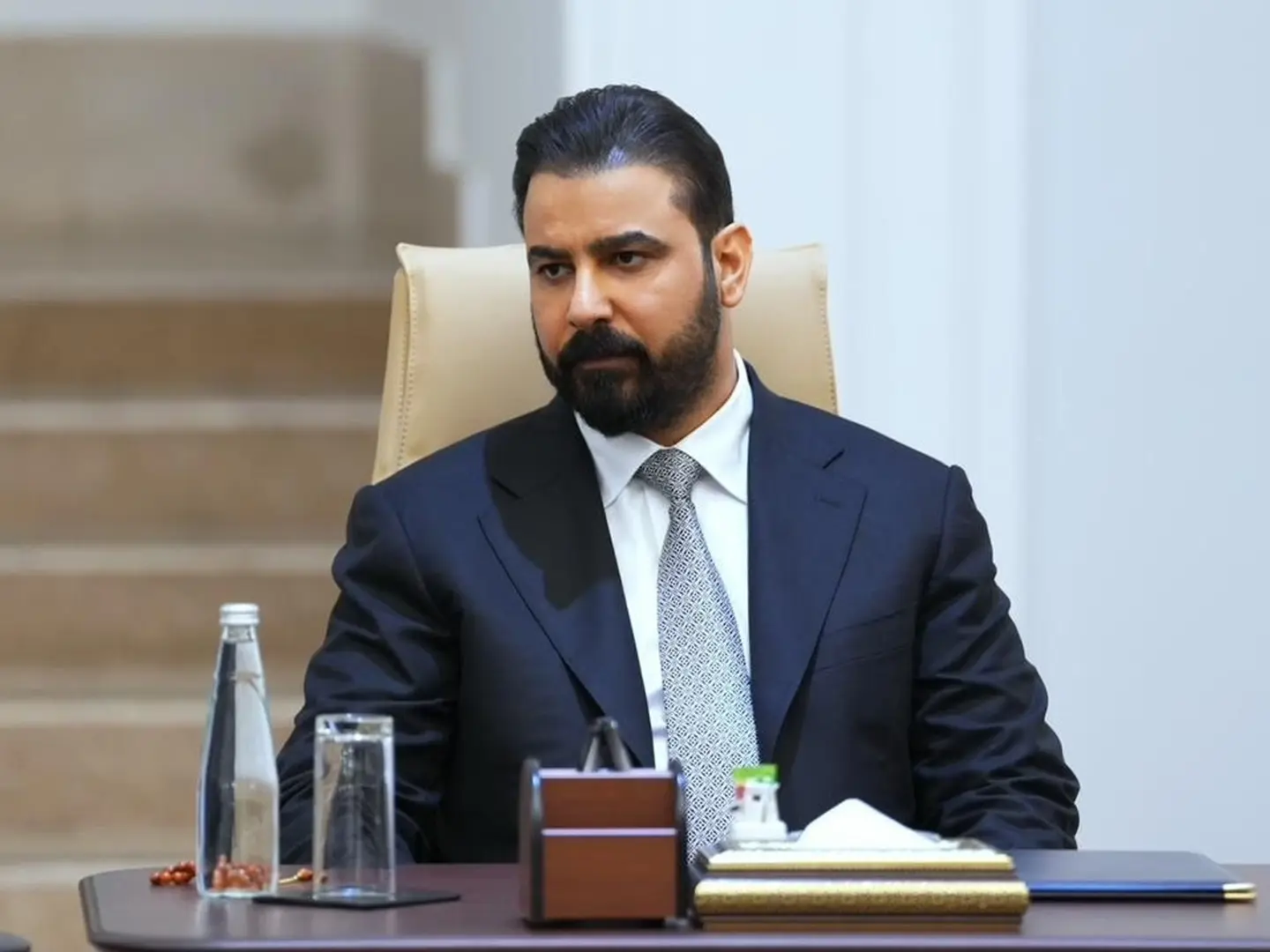
Ali al-Zaidi Photograph: (X (@pukmedia))
Iraq names businessman Ali al-Zaidi as Prime Minister-designate amid US pressure, Iran tensions, and ongoing political and economic challenges
Iraq’s newly elected president has nominated businessman Ali al-Zaidi as prime minister-designate on Monday (April 27), after political factions aligned under the Coordination Framework agreed to step aside following reported US pressure over earlier plans to back former premier Nouri al-Maliki. The Coordination Framework, a Shia alliance with varying ties to Iran, had initially supported Maliki for the premiership. However, US President Donald Trump issued warnings that contributed to Iraqi leaders reconsidering the nomination amid fears of punitive consequences. For weeks, Iraqi political blocs held intensive negotiations to avoid a constitutional crisis. The deadlock followed Trump’s January warning that Washington could cut support to Iraq if Maliki returned to power due to his close ties with Iran.
"President Nizar Amede has tasked Ali al-Zaidi, the candidate of the largest parliamentary bloc, with forming the new government," the presidency said in a statement.
Zaidi now has 30 days to form a government, though Iraq has a long history of missing constitutional deadlines during government transitions. The announcement followed the Coordination Framework’s formal endorsement of Zaidi as its candidate. The alliance also praised the historic and responsible stance" of Maliki and caretaker Prime Minister Mohammed Shia al-Sudani "for withdrawing their candidacies. Yasser al-Maliki, head of Maliki’s parliamentary bloc, congratulated Zaidi, saying we will support him in forming the government.
Since the 2003 US-led invasion that toppled Saddam Hussein, Iraq has remained a key arena of influence between Washington and Tehran, with both powers shaping political outcomes. The invasion also enabled Iran to expand its influence in Iraq’s political system, leaving successive governments to balance competing regional interests. By political convention, Iraq’s prime minister is typically Shia, the parliament speaker Sunni, and the presidency Kurdish.
Who is Ali al-Zaidi?
Trending Stories
)
)
)
)
)
)
)
&im=FitAndFill=(700,400))
)
)
)
)
)
)
)
)
)
)
)
)
)
)
)
)
)
)
)
)
)
)
&im=FitAndFill=(700,400))
)
)
&im=FitAndFill=(700,400))
)
)
)
)
)
)
)
)
Zaidi, relatively unknown in national politics, is a businessman, banker, and media owner who has never held public office. If successful, he would become Iraq’s youngest prime minister at age 40. Political analyst Hamzeh Hadad said Zaidi appears to 'have the tools' as a banker and media owner to help him sway people and politicians. His nomination also helps the Coordination Framework demonstrate adherence to constitutional timelines, regardless of whether government formation succeeds smoothly.
Despite years of instability, Iraq has seen periods of relative calm, though its political landscape remains deeply influenced by internal rivalries and regional tensions.
The announcement comes amid broader regional instability following conflict involving US and allied strikes on Iran, which further strained Iraq’s political environment.
Iraq was pulled into wider regional tensions, with attacks on US-linked interests and Iran-backed groups operating within its borders. Talks on forming a government had slowed during the escalation but resumed after a fragile ceasefire between the US and Iran took effect on April 8.
The incoming prime minister will face pressure to address US demands for Iraq to disarm Iran-backed militias designated as terrorist organizations by Washington.
These groups have been accused of launching attacks on US interests in Iraq and across the region during periods of heightened conflict. The new leadership will also need to rebuild relations with Gulf states, which have expressed concern over militia activity linked to Iran-backed factions. Economically, Zaidi faces major challenges, including stabilizing revenues heavily dependent on oil exports, which account for roughly 90% of Iraq’s budget, especially after disruptions in the Strait of Hormuz impacted export flows.

