‘Something could be happening over next 2 days’: Trump hints at fresh US-Iran talks in Pakistan

&imwidth=600&imheight=450&format=webp&quality=medium "‘Something could be happening over next 2 days’: Trump hints at fresh US-Iran talks in Pakistan")
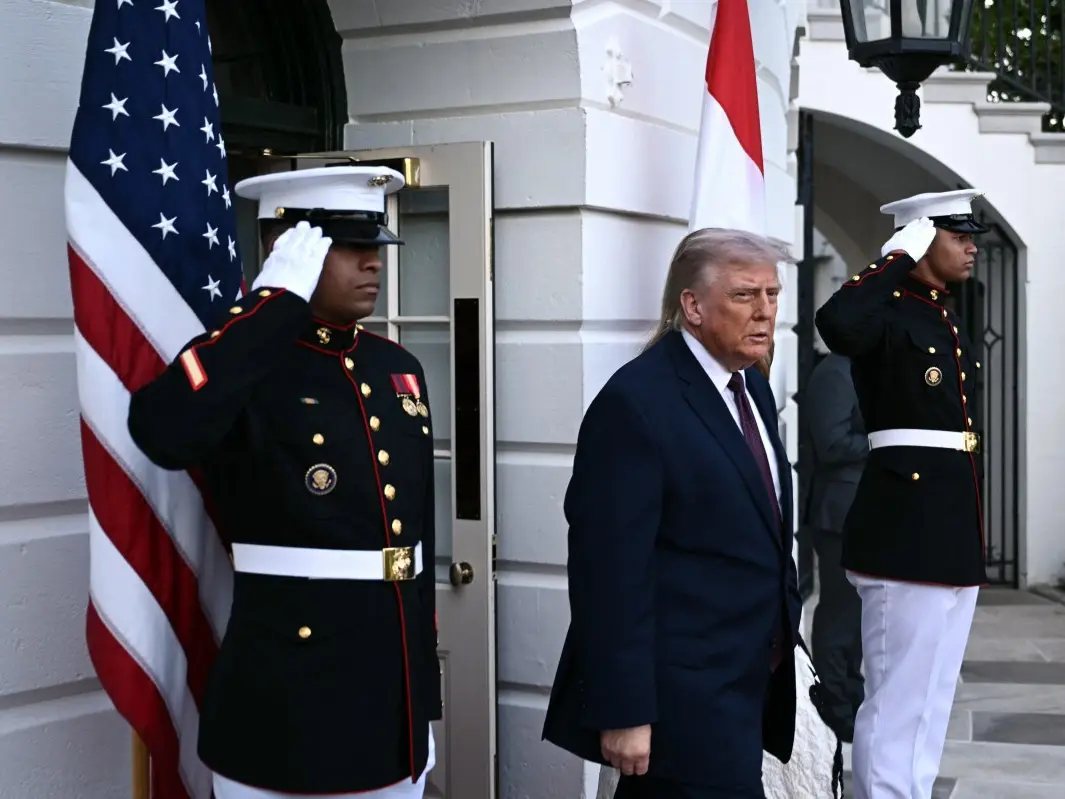
US President Donald Trump (C) and First Lady Melania Trump step out of the White House to welcome King of the Netherlands Willem-Alexander and Queen Maxima (not pictured) in Washington, DC, on April 13, 2026. (Photo by Brendan SMIALOWSKI / AFP) Photograph: (AFP)
US President Donald Trump hinted at resuming US-Iran peace talks in Islamabad within two days, praising Pakistani Field Marshal Asim Munir’s mediation. Trump remains firm against Iranian nuclear enrichment despite ongoing ceasefire negotiations.
US President Donald Trump has said that additional peace talks between the US and Iran “could be happening over the next two days”, with Islamabad emerging as a likely venue for the next round of negotiations.
Speaking in a phone interview with The New York Post on Tuesday (April 14), Trump initially described the discussions as ongoing but slow-moving. “They’re happening, but, you know, a little bit slow,” he said, adding that a second round of direct negotiations to end the seven-week conflict could take place in Europe.
Also read: Amazon worker dies at Oregon warehouse, operations continued around body. Here’s what we know
However, in a follow-up call around 30 minutes later, Trump indicated a shift towards Pakistan’s capital. “You should stay there, really, because something could be happening over the next two days, and we’re more inclined to go there,” he said, referring to Islamabad.
Trump credited Pakistan’s Asim Munir for influencing the decision. “He’s fantastic, and therefore it’s more likely that we go back there,” Trump said, adding, “Why should we go to some country that has nothing to do with it?”
The US president also praised Munir’s role in ending a recent conflict between India and Pakistan. “You know he ended the war with India, saved 30 million people,” Trump said, without providing further details. Trump confirmed he would not personally attend the potential second round of talks and did not specify who would represent Washington.
Trending Stories
&im=FitAndFill=(700,400))
)
)
)
)
)
)
)
)
)
)
)
)
)
)
&im=FitAndFill=(700,400))
)
)
&im=FitAndFill=(700,400))
)
)
)
)
)
)
)
&im=FitAndFill=(700,400))
)
)
)
)
)
)
&im=FitAndFill=(700,400))
On the substance of negotiations, Trump expressed dissatisfaction with reports that the US had proposed Iran suspend uranium enrichment for up to 20 years during recent talks. “I’ve been saying they can’t have nuclear weapons,” he said. “So I don’t like the 20 years.” He also rejected the idea that such a moratorium could help secure a deal. “I don’t want them to feel like they have a win,” he said.
Meanwhile, Pakistani officials involved in facilitating the talks suggested there may be some movement from Tehran. Retired Lt Gen Muhammad Saeed said Iran had shown “flexibility” on the issue of uranium enrichment, though he noted any agreement would need to be framed carefully for domestic audiences.
“Iran has to be able to take something back to its people that doesn’t look like a surrender,” Saeed said. However, Mohammad Marandi, who accompanied Iran’s delegation, struck a more defiant tone. “A blockade won’t change Iran’s position,” he said, adding that “ending enrichment will not be accepted”.

