California in the grips of Delhi-like smog: Radiation fog hits 20 counties in Central Valley

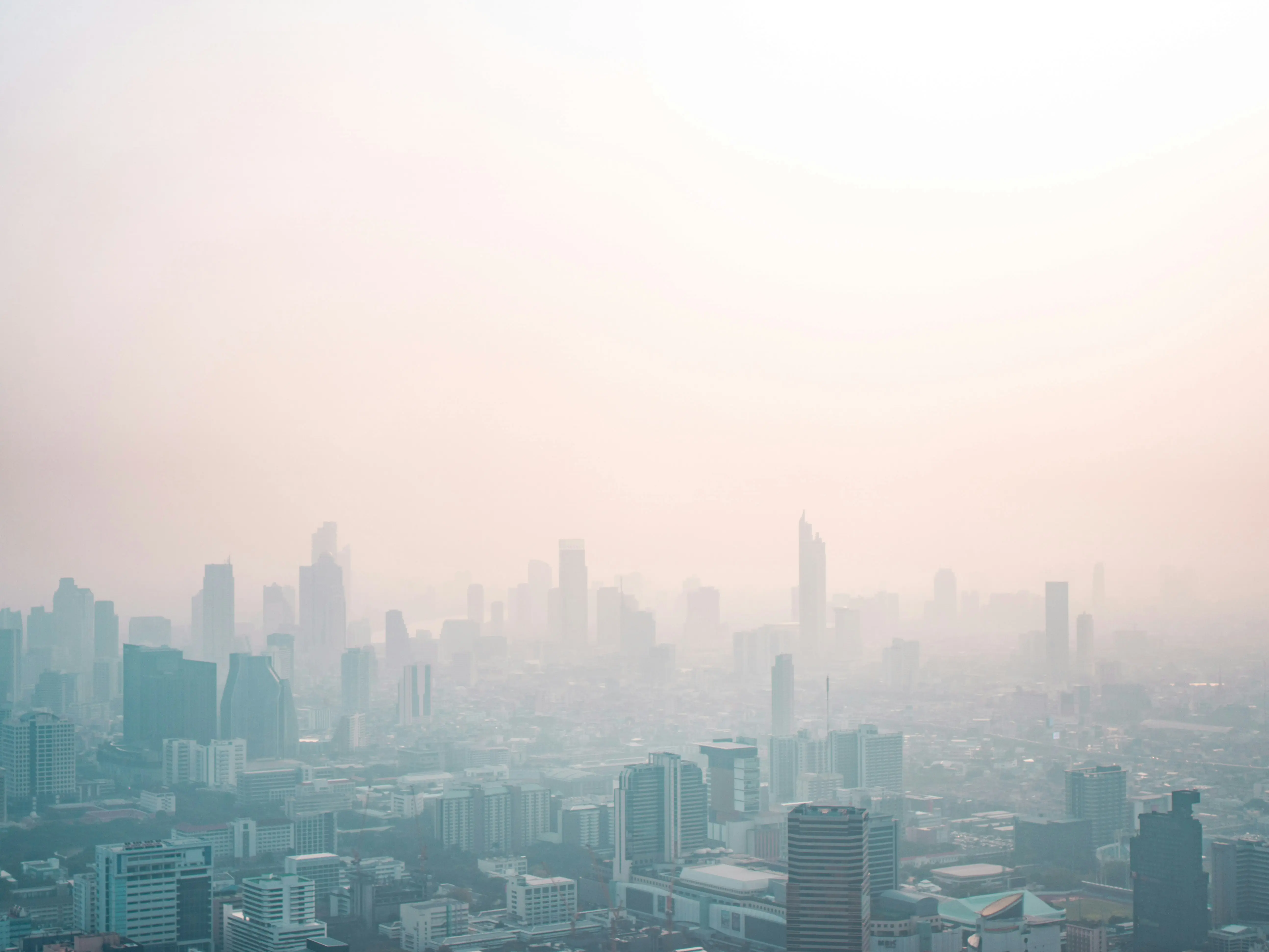&imwidth=600&imheight=450&format=webp&quality=medium "California in the grips of Delhi-like smog: Radiation fog hits 20 counties in Central Valley")
California fights radiation fog. Photograph: (Unsplash)
Several cities in California are in the grips of something called Tule fog, or a radiation fog, worsening air quality and becoming a health hazard. The visibility also drops, posing a problem for drivers. In the past, it has led to huge vehicle pile-ups on highways.
A 640-kilometre area in California is under the cover of a thick fog that can create respiratory problems and also cause asthma. Nearly 13 million people are under travel warnings, with officials issuing air quality alerts as the dense, low-lying fog can prove hazardous. Being called the "radiation fog", 20 counties in California's Central Valley are affected. It forms when the ground cools rapidly after sunset, releasing heat back into the air. Experts say this fog can capture pollutants released from cars and factories, severely impacting air quality. Breathing in these particles that remain suspended in this radiation fog can cause health issues. The National Weather Service (NWS) is also urging people to remain vigilant while driving, calling the fog a "high transportation risk."
The phenomenon, also named 'Tule' fog, starts around November and peaks from December through February, and ends by March. It happens every year in the late fall and winter months, affecting California's Bay Area, Sacramento Valley and San Joaquin Valley. More than two million people are hit in Sacramento, Fresno, Bakersfield, Oakland, and Stockton, the most affected cities, according to the Daily Mail. It lingers on for longer in the flat valley.
Vehicle pile-up on California highway
In previous years, the fog has been responsible for major accidents on highways, with vehicle pile-ups occurring on Central California highways. A big one happened in November 2007 following near-zero visibility, when the radiation fog triggered a pile-up of 108 vehicles and closed the state's Highway 99 for more than 12 hours.
The fog keeps the pollution locked in one place because of the layer of warmer air that sits on top of the cold fog, preventing it from going away. All kinds of fumes and dust particles get trapped. Tiny particles, called PM2.5, are in the air and cause asthma attacks and cough, especially in the elderly and kids. This is what northern India is also facing these days. The national capital Delhi, is in the grips of a smog, containing harmful particles, affecting air quality and human health.
Trending Stories
)
&im=FitAndFill=(700,400))
)
)
)
)
)
)
)
)
)
)
&im=FitAndFill=(700,400))
)
)
)
)
)
)
)
)
)
)
)
)
)
)
)
)
)
)
&im=FitAndFill=(700,400))
)
)
)
)
)
)
)
)
)

