Swift telescope set to crash on Earth as NASA declares saviour mission LINK has failed

&imwidth=600&imheight=450&format=webp&quality=medium "Swift telescope set to crash on Earth as NASA declares saviour mission LINK has failed")
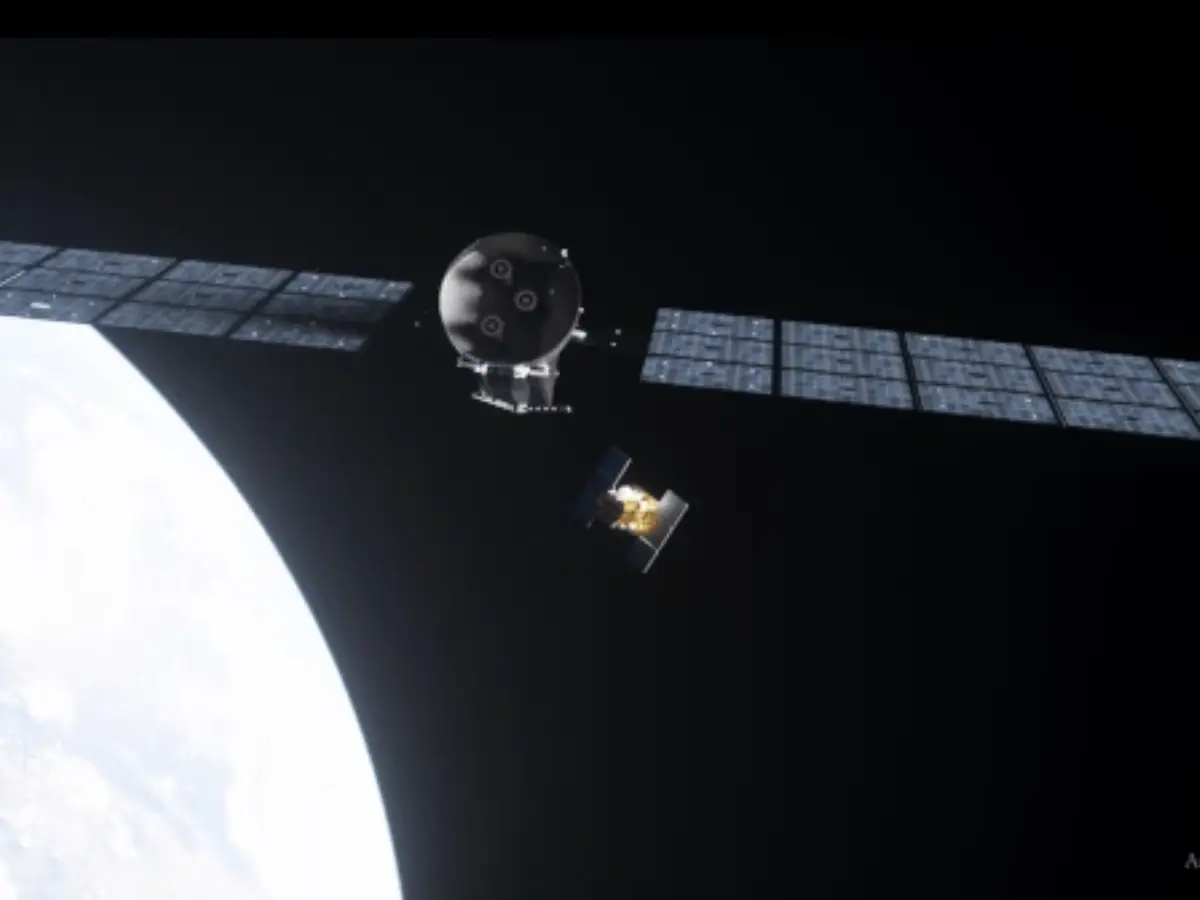
NASA has called off the LINK mission and Swift observatory is now set to fall in the coming weeks. Photograph: (NASA)
A NASA observatory is set to crash in the coming weeks after the mission sent to save it was declared a failure on Wednesday. Swift has been dragging down for months because of a decaying orbit. Saviour mission LINK has been spinning and no fix has worked.
The Swift observatory will crash later this year, NASA has confirmed, as the LINK mission sent to save it nearly a month ago is facing problems in orbit. The quest to save the 22-year-old-telescope was called off on Wednesday, ending Swift's journey of watching the most powerful explosions, gamma-ray bursts, in the universe. The commercial robotic repair vehicle was built by Katalyst Space for $30 million to help salvage the Neil Gehrels Swift Observatory. LINK was supposed to grab it and carry it to a higher orbit. However, a few weeks after being launched on July 3, it went into an uncontrollable spin.
NASA tried to fix the problem from Earth, slowing down the spin, but ultimately couldn't save it as pointing and positioning persisted. NASA Administrator Jared Isaacman said in a statement, "This is not the outcome we were working toward, but it does not change why this mission was worth attempting." NASA has not confirmed the exact data Swift will fall down.
In a joint statement, Katalyst and NASA said, "Following continued monitoring and assessment of the LINK spacecraft, Katalyst Space and NASA together have concluded that due to ongoing attitude control issues, the mission will not include the capture and boost of NASA’s Neil Gehrels Swift Observatory."
Why was Swift falling?
Swift was launched in 2004 to study gamma-ray bursts in space. But recently, its low Earth orbit began to rapidly decay. It started dragging down because of solar storms and faced an imminent end before early 2027. It was located at 600 km above the surface of Earth, but then dropped to around 360 km, with much of the drag occurring in the last two years. NASA had the choice to either let it go or try to save the telescope. This had to be done before it fell to 300 kilometres, else it would become unsavable.
Trending Stories
&imwidth=280&imheight=210&format=webp&quality=medium)
&imwidth=280&imheight=210&format=webp&quality=medium)
&imwidth=280&imheight=210&format=webp&quality=medium)
&imwidth=280&imheight=210&format=webp&quality=medium)
&imwidth=280&imheight=210&format=webp&quality=medium)
&imwidth=280&imheight=210&format=webp&quality=medium)
&imwidth=280&imheight=210&format=webp&quality=medium)
&imwidth=280&imheight=210&format=webp&quality=medium)
&imwidth=280&imheight=210&format=webp&quality=medium)
&imwidth=280&imheight=210&format=webp&quality=medium)
&imwidth=280&imheight=210&format=webp&quality=medium)
&imwidth=280&imheight=210&format=webp&quality=medium)
&imwidth=280&imheight=210&format=webp&quality=medium)
&imwidth=280&imheight=210&format=webp&quality=medium)
&imwidth=280&imheight=210&format=webp&quality=medium)
&imwidth=280&imheight=210&format=webp&quality=medium)
&imwidth=280&imheight=210&format=webp&quality=medium)
&imwidth=280&imheight=210&format=webp&quality=medium)
&imwidth=280&imheight=210&format=webp&quality=medium)
&imwidth=280&imheight=210&format=webp&quality=medium)
&imwidth=280&imheight=210&format=webp&quality=medium)
&imwidth=280&imheight=210&format=webp&quality=medium)
&imwidth=280&imheight=210&format=webp&quality=medium)
&imwidth=280&imheight=210&format=webp&quality=medium)
&imwidth=280&imheight=210&format=webp&quality=medium)
&imwidth=280&imheight=210&format=webp&quality=medium)
&imwidth=280&imheight=210&format=webp&quality=medium)
&imwidth=280&imheight=210&format=webp&quality=medium)
&imwidth=280&imheight=210&format=webp&quality=medium)
&imwidth=280&imheight=210&format=webp&quality=medium)
&imwidth=280&imheight=210&format=webp&quality=medium)
&imwidth=280&imheight=210&format=webp&quality=medium)
&imwidth=280&imheight=210&format=webp&quality=medium)
&imwidth=280&imheight=210&format=webp&quality=medium)
&im=FitAndFill=(700,400)&imwidth=280&imheight=210&format=webp&quality=medium)
&imwidth=280&imheight=210&format=webp&quality=medium)
&imwidth=280&imheight=210&format=webp&quality=medium)
&imwidth=280&imheight=210&format=webp&quality=medium)
&imwidth=280&imheight=210&format=webp&quality=medium)
Making LINK to save Swift
Katalyst was awarded the project and the company "designed, built, tested, and integrated a robotic spacecraft" in just eight months. But it did not work as expected. Two of LINK’s three reaction wheels have failed, and it has been spinning uncontrollably. A flight software update was expected to help. On August 10, NASA said that the "new attitude control algorithms are designed to maintain LINK’s stability using the spacecraft’s remaining actuators."

