GREAT WALL of universe: 10 billion light-years long cosmic monster detected in space should not exist

&imwidth=600&imheight=450&format=webp&quality=medium "GREAT WALL of universe: 10 billion light-years long cosmic monster detected in space should not exist")
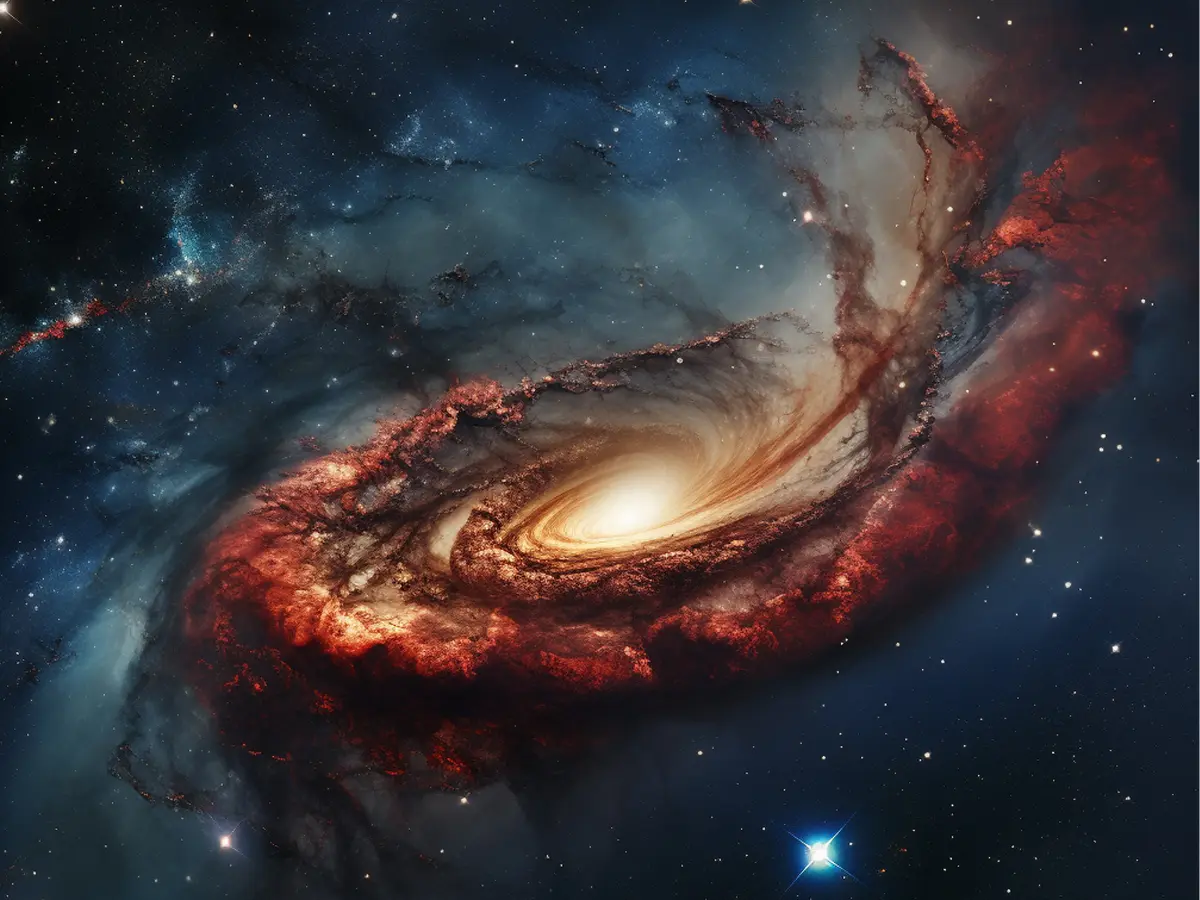
AI image of Great Wall of Hercules-Corona Borealis detected in universe. Photograph: (Freepik)
A cosmic giant that defies all laws of physics has been detected in the universe. Scientists are baffled by its discovery and are turning the tables around on known cosmological principles to know what it is how a mammoth structure that should not exist came into being.
Astronomers have discovered a Great Wall in the universe that is so huge that it defies logic and cosmological principles. The Great Wall of Hercules-Corona Borealis is a galaxy cluster that runs for approximately 10 billion light-years. Scientists have established that based on the universe's age, no cosmic structure can exceed 1.2 billion light-years. But the existence of this wall proves that matter is not evenly distributed in the universe. The Great Wall of Hercules-Corona Borealis has only now revealed how monstrous it is. This has become possible by the use of gamma-ray bursts (GRBs), which are like beacons in space which throw light on galaxies that are too distant to be observed directly. The study of the Great Wall of Hercules-Corona Borealis is available on arXiv. Also Read: THIS is what Earth sounded like when North Pole became South Pole
Space beacons light up cosmic giants
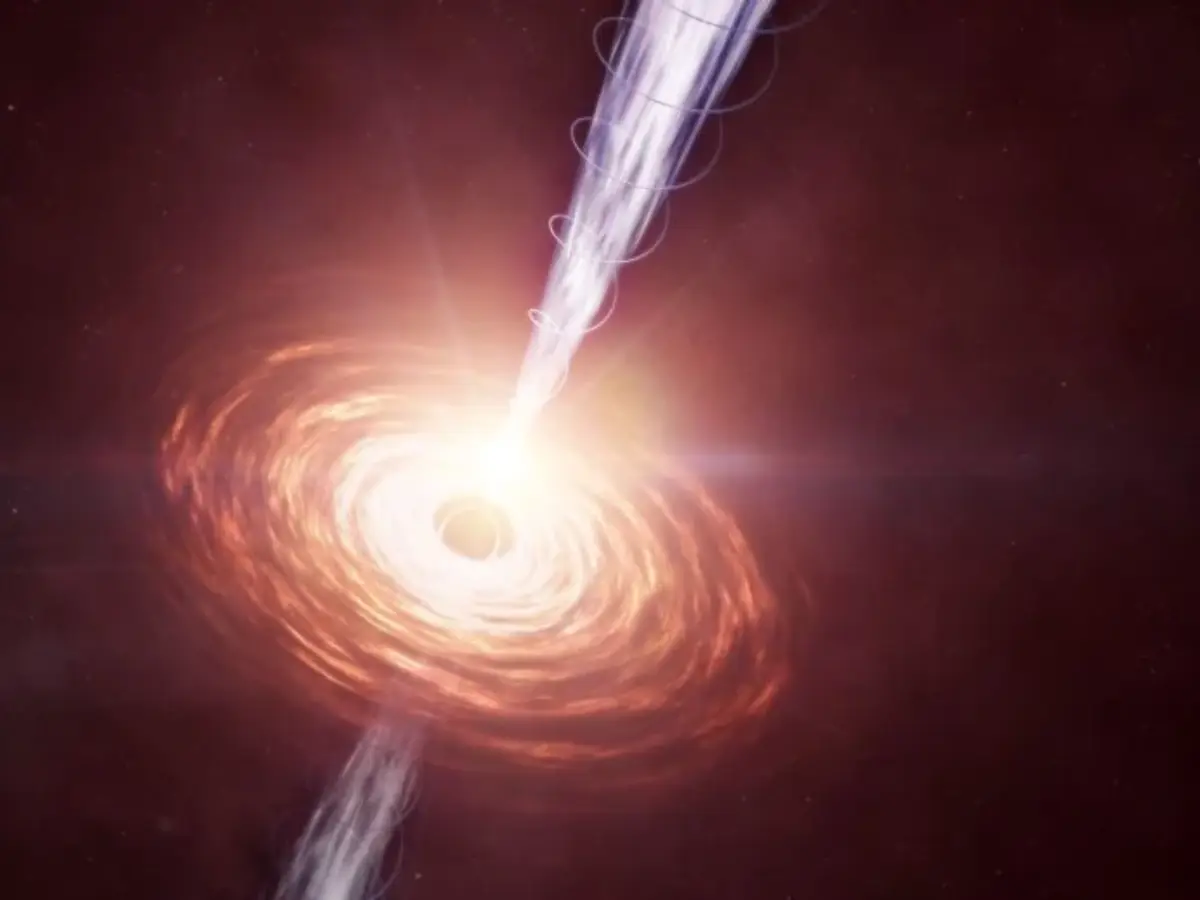
GBBs occur when a black hole forms, wither because of the collapse of a massive star or the collision of two neutron stars. They are the brightest explosions in the universe and emit particle jets that travel at nearly the speed of light. They come in contact with other cosmic objects and produce gamma and X-rays. When mapped through giant telescopes, they reveal structures that wouldn't be otherwise visible. This is how the Great Wall of Hercules-Corona Borealis showed itself as being much larger than previously thought. It is a wall that shouldn't exist. Scientists are intrigued by it as it defies long-held beliefs about how the universe works. Going by the age of the universe, the universe is homogeneous and isotropic on large scales, and no cosmic structure can be bigger than 1.2 billion light-years. Also Read: Scientists use NASA's TESS to discover ‘super-earth’ that could host billions—Is TOI-1846 b humanity's next home?
The Great Wall of Hercules-Corona Borealis
So, why does the Great Wall of Hercules-Corona Borealis span 10 billion light years? This wall in space is a hurdle in the exploration of the universe. It has forced scientists to reconsider existing theories and carry out innovative research to know how this wall came into being. They would need to revise cosmological models and pursue theories that incorporate more substantial primordial fluctuations. These could offer clues about the reason for the existence of such vast structures. Also Read: NASA astronaut captures rare electric sprites from space. Know when green 'ghosts' were seen over Himalayas
Now that this wall has revealed itself to be much larger, scientists think it could be even more massive. They plan to use GRBs, zeroing in on the fainter and more distant GRBs, to map the structure even more precisely. Besides this method, spacecraft launched from Earth would also travel through the universe to reveal the mysteries of the dark world. European Space Agency’s THESEUS, a space telescope mission, that aims to study gamma-ray bursts and X-rays to learn more about the early universe, can also shed light on cosmic structures like the Great Wall.
Trending Stories
&imwidth=280&imheight=210&format=webp&quality=medium)
&imwidth=280&imheight=210&format=webp&quality=medium)
&imwidth=280&imheight=210&format=webp&quality=medium)
&imwidth=280&imheight=210&format=webp&quality=medium)
&imwidth=280&imheight=210&format=webp&quality=medium)
&imwidth=280&imheight=210&format=webp&quality=medium)
&imwidth=280&imheight=210&format=webp&quality=medium)
&imwidth=280&imheight=210&format=webp&quality=medium)
&imwidth=280&imheight=210&format=webp&quality=medium)
&imwidth=280&imheight=210&format=webp&quality=medium)
&imwidth=280&imheight=210&format=webp&quality=medium)
&imwidth=280&imheight=210&format=webp&quality=medium)
&imwidth=280&imheight=210&format=webp&quality=medium)
&imwidth=280&imheight=210&format=webp&quality=medium)
&imwidth=280&imheight=210&format=webp&quality=medium)
&imwidth=280&imheight=210&format=webp&quality=medium)
&imwidth=280&imheight=210&format=webp&quality=medium)
&imwidth=280&imheight=210&format=webp&quality=medium)
&imwidth=280&imheight=210&format=webp&quality=medium)
&im=FitAndFill=(700,400)&imwidth=280&imheight=210&format=webp&quality=medium)
&imwidth=280&imheight=210&format=webp&quality=medium)
&imwidth=280&imheight=210&format=webp&quality=medium)
&imwidth=280&imheight=210&format=webp&quality=medium)
&imwidth=280&imheight=210&format=webp&quality=medium)
&imwidth=280&imheight=210&format=webp&quality=medium)
&imwidth=280&imheight=210&format=webp&quality=medium)
&imwidth=280&imheight=210&format=webp&quality=medium)
&imwidth=280&imheight=210&format=webp&quality=medium)
&imwidth=280&imheight=210&format=webp&quality=medium)
&im=FitAndFill=(700,400)&imwidth=280&imheight=210&format=webp&quality=medium)
&imwidth=280&imheight=210&format=webp&quality=medium)
&imwidth=280&imheight=210&format=webp&quality=medium)
&imwidth=280&imheight=210&format=webp&quality=medium)