Artemis II latest: April 1 launch in jeopardy following major solar activity - Details

&imwidth=600&imheight=450&format=webp&quality=medium "Artemis II latest: April 1 launch in jeopardy following major solar activity - Details")
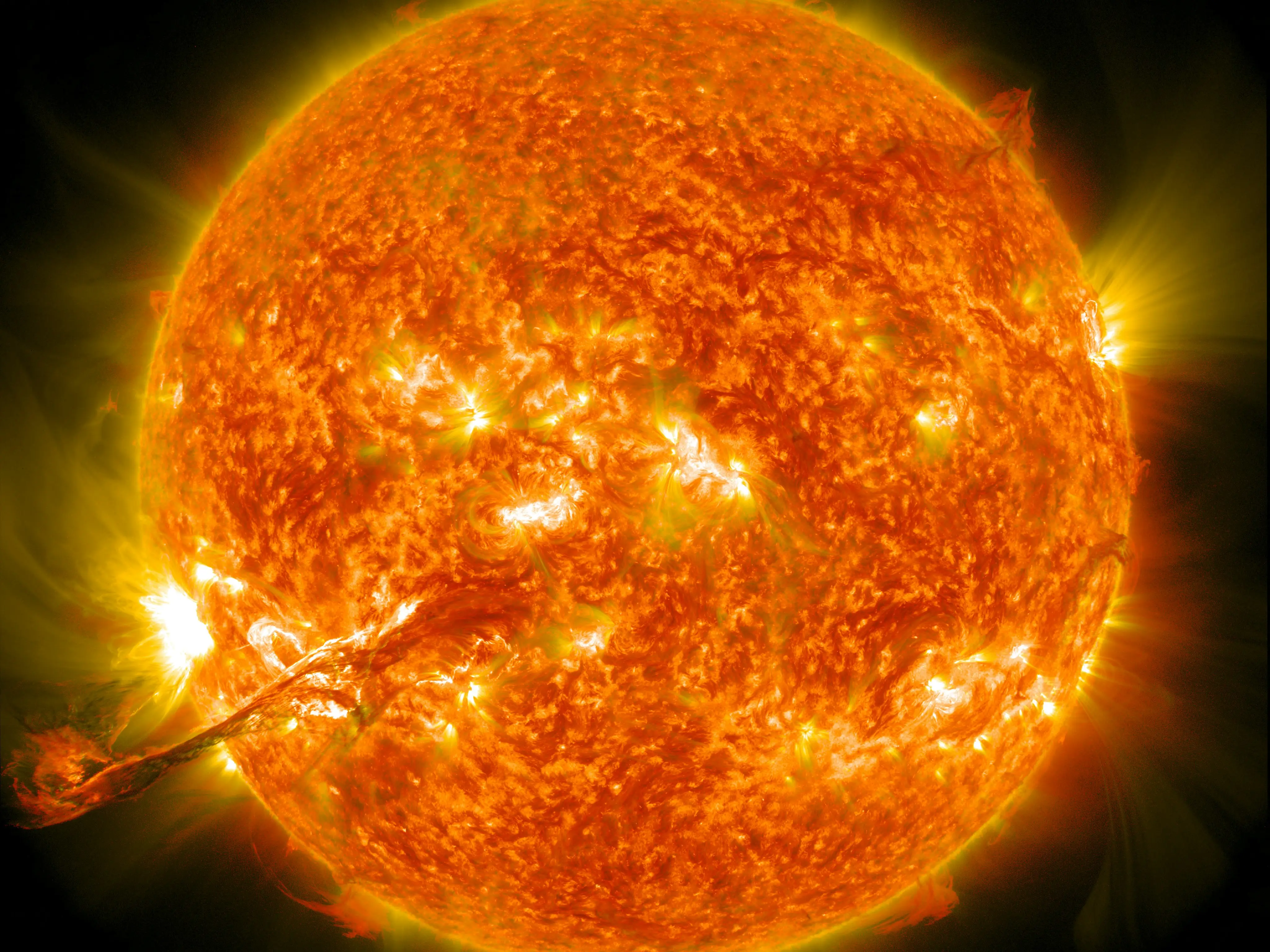
Artemis II updates: The Sun has unleashed powerful X class flares. Photograph: (NASA)
Artemis II latest: There is bad news for the April 1 launch as the Sun has unleashed a powerful solar flare and Coronal Mass Ejection. This could damage electronic circuits and make radio communication with the launch vehicle difficult or impossible.
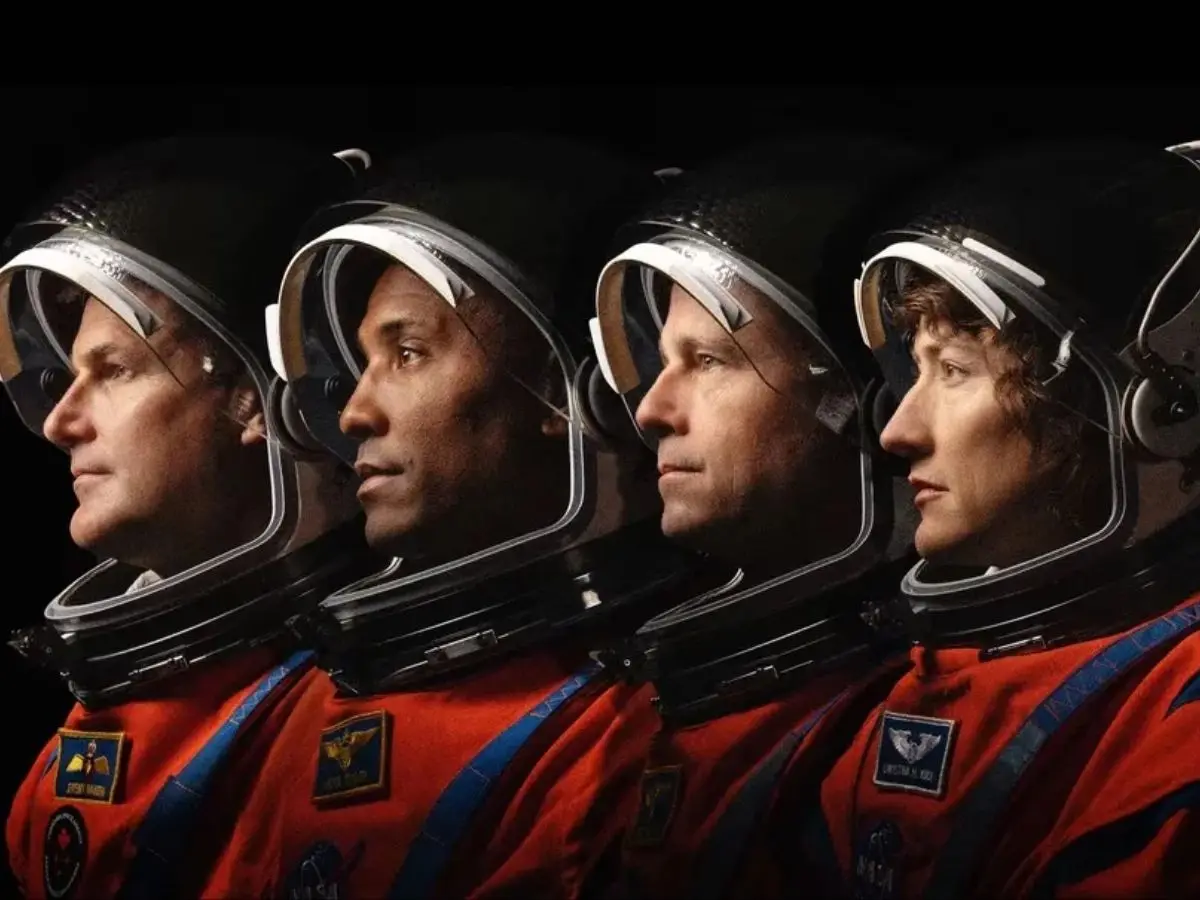
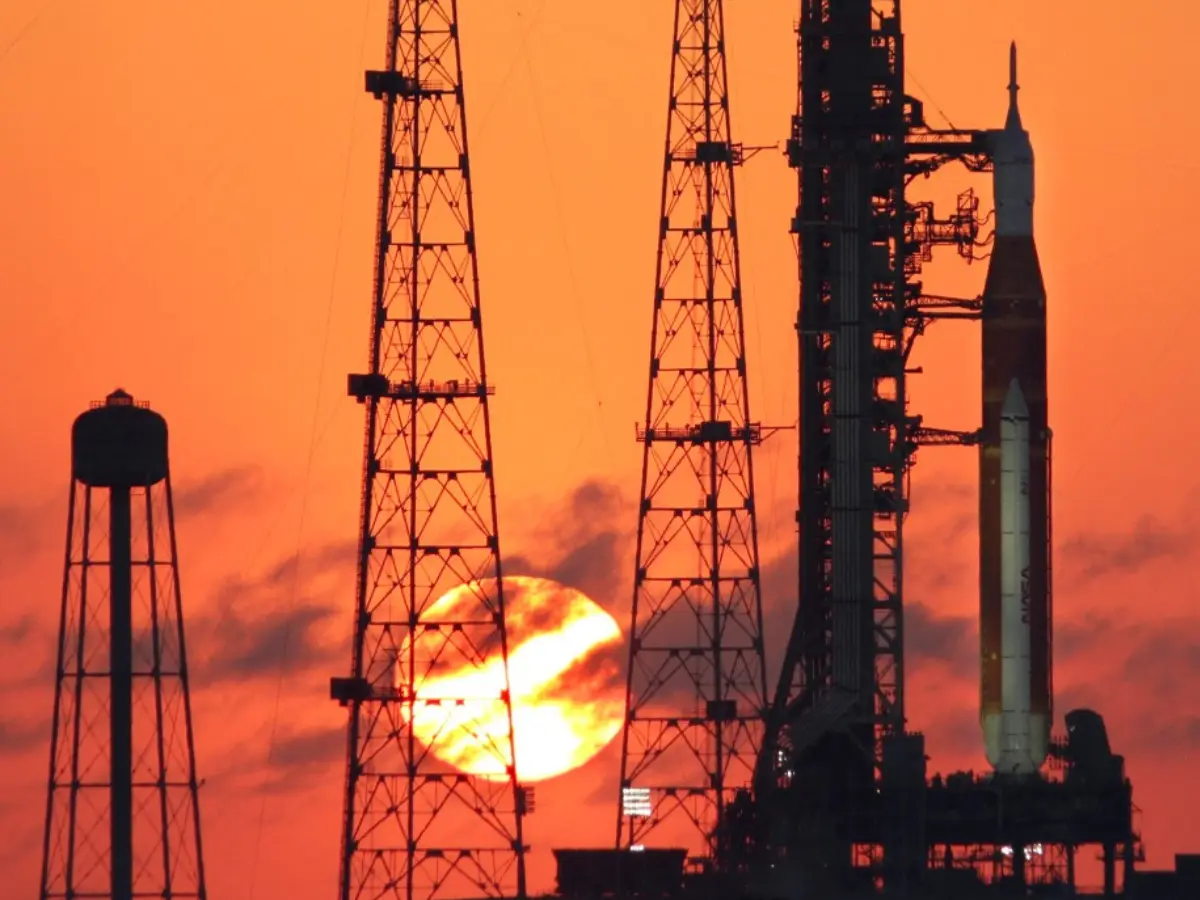
Artemis 2 is facing its first hurdle right before a scheduled launch on April 1, and it is coming from none other than the Sun, just like we called it in an earlier report. According to the National Oceanic and Atmospheric Administration’s Space Weather Prediction Centre (SWPC), the Sun has unleashed a powerful solar flare and Coronal Mass Ejection (CME), which can force NASA to move the Artemis 2 launch forward. Notably, humanity is preparing to land on the Moon once again, and Artemis 2 will make history, taking four astronauts to the Moon for the first time in nearly 60 years. It is meant to test logistics and technology, and uncover any issues with the Orion before Artemis 3 and Artemis 4 missions. On Sunday evening, a cluster of sunspots called active region 4405 produced the X1.4 flare, sweeping the solar system with radiation. NOAA stated that Earth witnessed a high-frequency radio blackout, with Southeast Asia and northern Australia being affected as this side of the planet was facing the Sun at the time.
The sunspot region AR 4405 is now rotating and will soon be a better view from Earth, putting more areas at risk if another eruption occurs. Besides, the solar flare was followed by a CME, which shot plasma towards Earth. A G2 (moderate) geomagnetic storm watch has been issued for Tuesday. The timing and the intensity of the storm could affect the Artemis 2 mission launch. “The CME is still being analysed, and the forecast could change as some model results suggest a slightly more Earth-directed arrival,” the SWPC stated. When particles from CMEs slam into Earth’s magnetosphere, satellites and navigation systems could malfunction, while also creating beautiful auroras.
Also Read: Artemis II latest updates: Orion design, size, inclusions, trip time, and the toilet problem
Weather conditions for Artemis 2 launch
Trending Stories
)
)
)
)
)
)
)
)
)
)
)
)
)
)
)
)
)
)
)
)
)
)
)
)
)
)
)
)
)
)
)
)
)
)
&im=FitAndFill=(700,400))
)
)
)
)
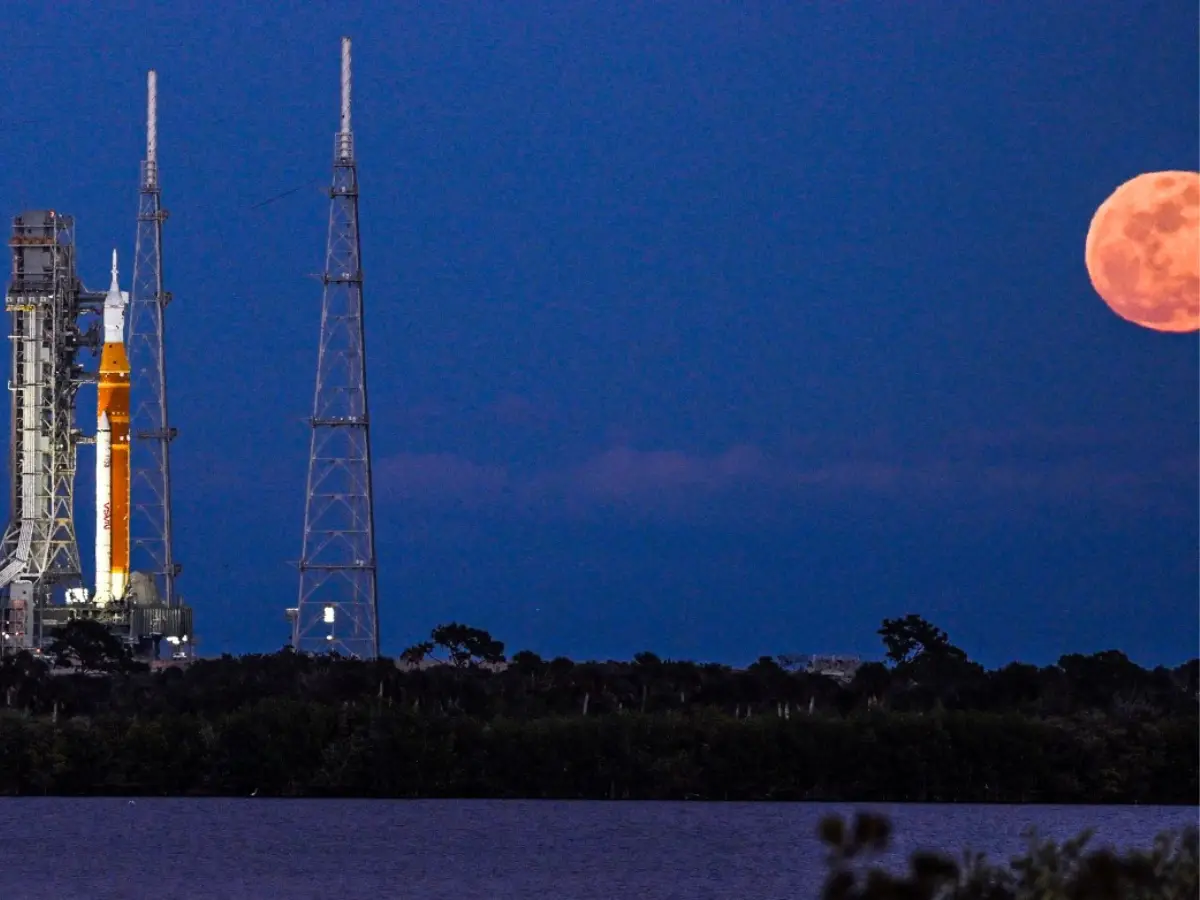
Artemis 2 has a weather criterion for launch that must be met for takeoff. According to NASA, the mission cannot launch "during severe or extreme solar activity." This is because the increased density of solar energetic particles can "damage electronic circuits and make radio communication with the launch vehicle difficult or impossible." NASA's latest Artemis update on Monday gave an 80 per cent chance to favourable weather conditions for the Wednesday launch. But now, it will have to closely monitor the active sunspot region AR 4405. Solar physicist Tamitha Skov told Space.com that "radio bursts can really impact [high frequency/very high frequency radio communications] as well as satellite radio communications during critical launch operations and early orbit manoeuvres!"