&imwidth=800&imheight=600&format=webp&quality=medium "Right to walk on secured footpaths a fundamental right, says SC; tells govt to frame law")
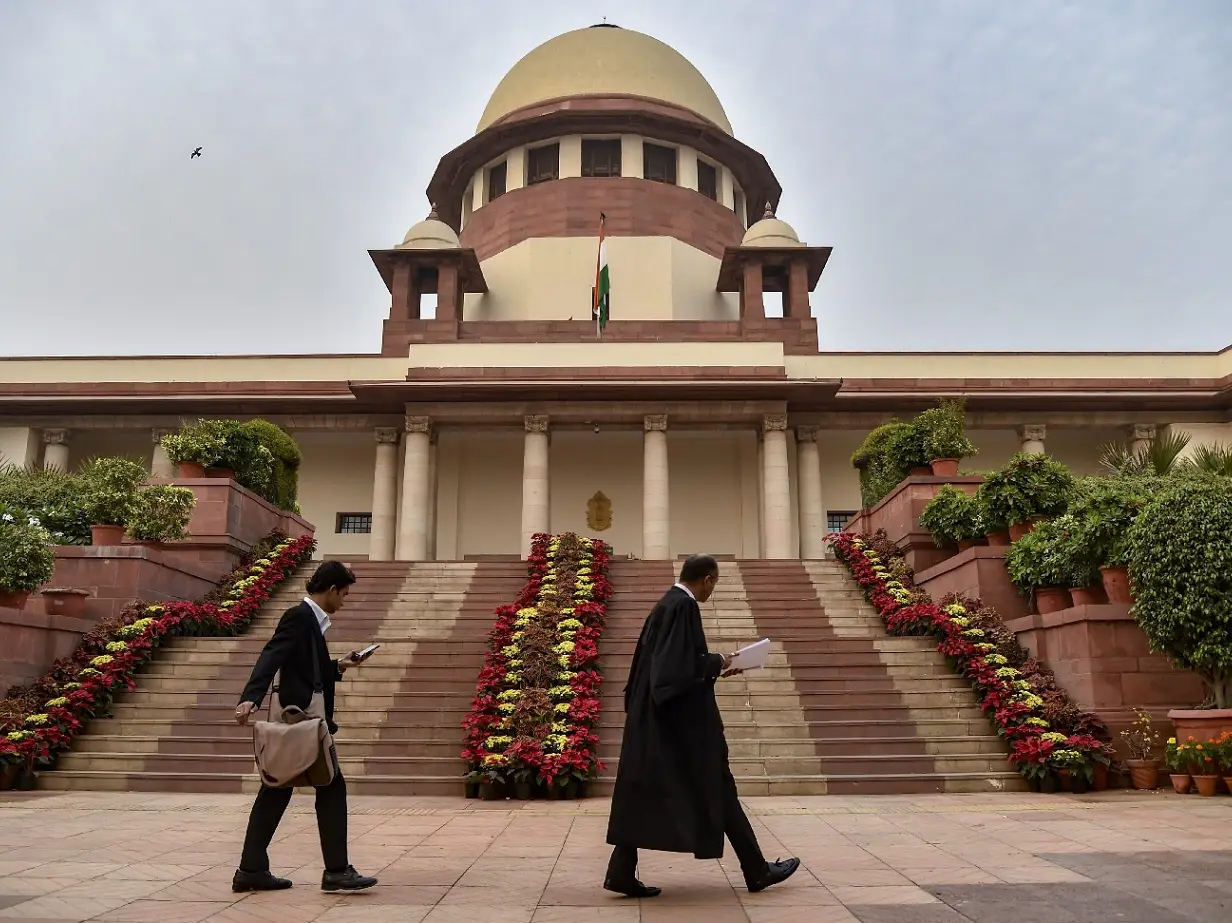
The Supreme Court of India on Friday said in a ruling that the right to walk on secured footpaths is a fundamental right and urged the government to bring a law that declares this right and recognises the duty of municipal authorities and local bodies to build, demarcate, and maintain necessary pedestrian infrastructure. The judgment came in a motor accident claim case related to the death of a five-year-old boy, who met with an accident while walking to school.
“The right to walk is a fundamental right under Part III of the Constitution. It is integral to the right to movement guaranteed under Article 19(1)(d), read with Article 19(1)(a), Article 19(1) (b), Article 19(1) (c) and Article 21 of the Constitution of India. The fundamental right to walk will take within its sweep the right to demarcated footpaths. These rights are primary and shall have priority over movement by motorised vehicles,” a bench of Justices P S Narasimha and Atul S Chandurkar said.
Also Read: ‘Trump showed desperation for deal,’ says Mojtaba Khamenei, hails Iranian officials’ efforts

The top court said that the fundamental right to walk on demarcated footpaths has a correlative duty. “If the road exists, there is a duty to ensure that there are demarcated and well-maintained footpaths for walkers. The duty bearers are the urban development authorities, municipal corporations, municipalities and even panchayats, who must endeavour to demarcate, construct, maintain, and safeguard footpaths and other necessary pedestrian infrastructure, as walking is integral to life,” the bench said.
Violation of right will entitle citizens to invoke legal remedies for restitution and compensation
The court further said that “the violation of the right to walk on demarcated footpaths will entitle the citizens to invoke constitutional and legal remedies against duty bearers for restitution and compensation. “This remedy is independent of the remedies that are available under the Motor Vehicles (MV) Act, 1988,” the bench added.
Trending Stories
)
'Gangsta' crab shoves knife blade at man and his dog in Florida - Watch
)
Former India player Diana Edulji wants Smriti Mandhana to replace Harman as skipper at the earliest
)
UNGA 2026 theme explained: What does ‘Restoring trust, managing transformation: A United Nations that delivers for all’ mean?
)
Fed raises rates for first time in 3 years, Kevin Warsh defies Trump as inflation mounts
)
Tata Trusts chairman Noel Tata calls Chandrasekaran’s reappointment ‘illegal’, rejects Tata Sons listing
)
Pak defence minister says 'time has come to implement pact'
)
Putin 'is plotting something bad': Russia may launch 'accidental' strikes on NATO countries supporting Ukraine, Poland PM warns
)
Xi-Trump summit may boost military links
)
Laura Wolvaardt sets new world record for most WT20I runs in a year
)
'He will always be ahead': India coach Gambhir says Sooryavanshi won't walk into team ahead of Samson
)
At least 48 dead, 100 hospitalised in Nigeria after drinking suspected methanol-laced alcohol
)
Sikh driver attacked in Wyoming in US, suffers 17 stab wounds
)
US drone firm linked to Trump’s sons signs MoU with Pakistan army, gets initial order
)
Pezeshkian, Araghchi set to attend UNGA 2026 in New York amid ongoing conflict as US-imposed travel curbs remain
)
All Indian goods to get duty-free access to New Zealand
)
‘I have a big decision coming up’: Trump says he’s approaching major ‘crossroad’ in Iran war
)
Passport fees hiked, child validity revised: What the new rules introduce
)
US-Iran War: Trump says ‘big decision’ on Iran ahead, weighs possible fresh military action
)
Godfather of AI Geoffrey Hinton gives US lawmakers a one-year warning on AI
)
Formula One reveals the 2027 race calendar; Monaco to host sprint race for the first time
)
Australian athlete, who soiled herself during Hyrox race, apologises for continuing
)
How did an Australian river with 500 crocodiles pass the Olympic test? Here's how
)
US intel warns China can steal F-35 jets secret from Saudis
)
240-million-year-old bizarre 'pig with a tusk' creature creates new dilemma over origin of dinosaurs
&im=FitAndFill=(700,400))
Suriya and Jyothika say ‘I do’ again after 20 years! See their dreamy wedding pics
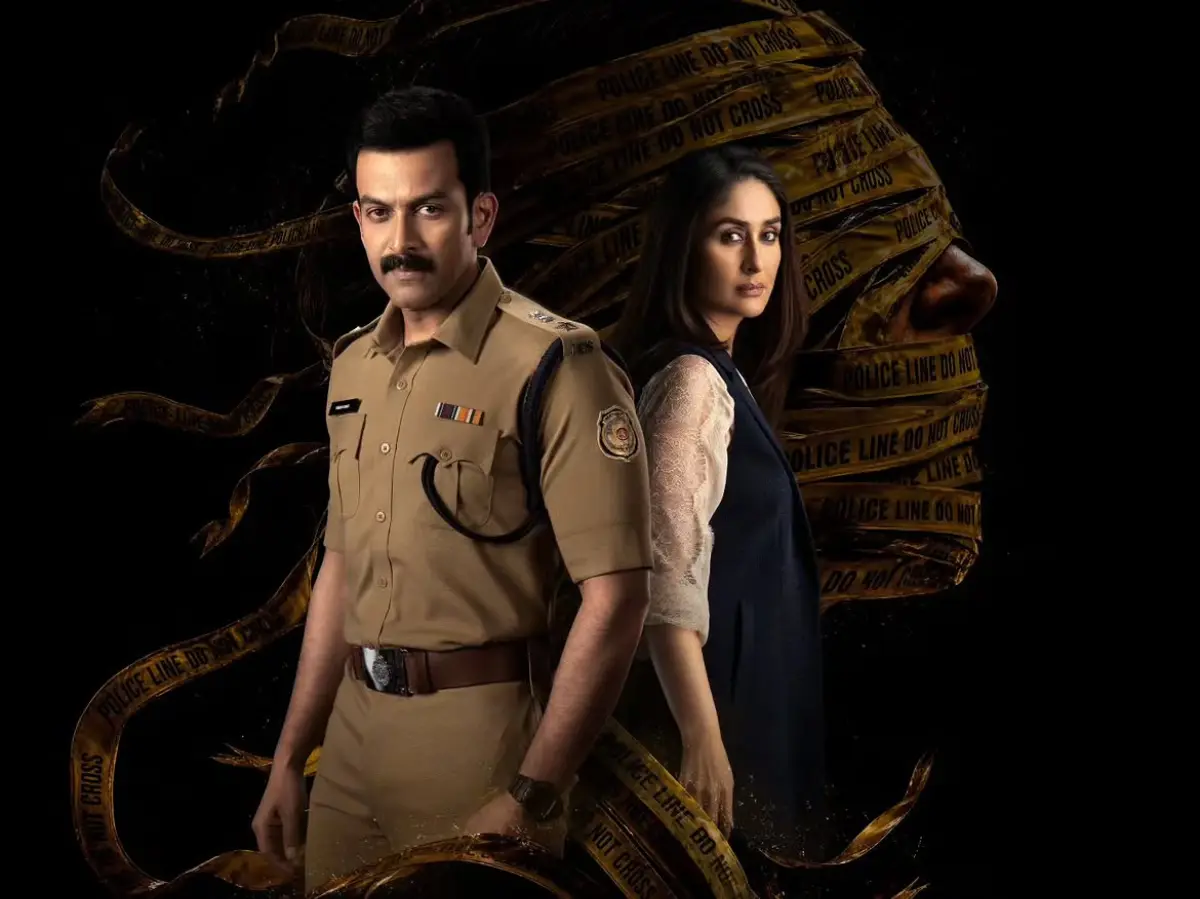)
Daayra movie review: Kareena Kapoor, Prithviraj Sukumaran shine in Meghna Gulzar’s cop-versus-cop crime thriller
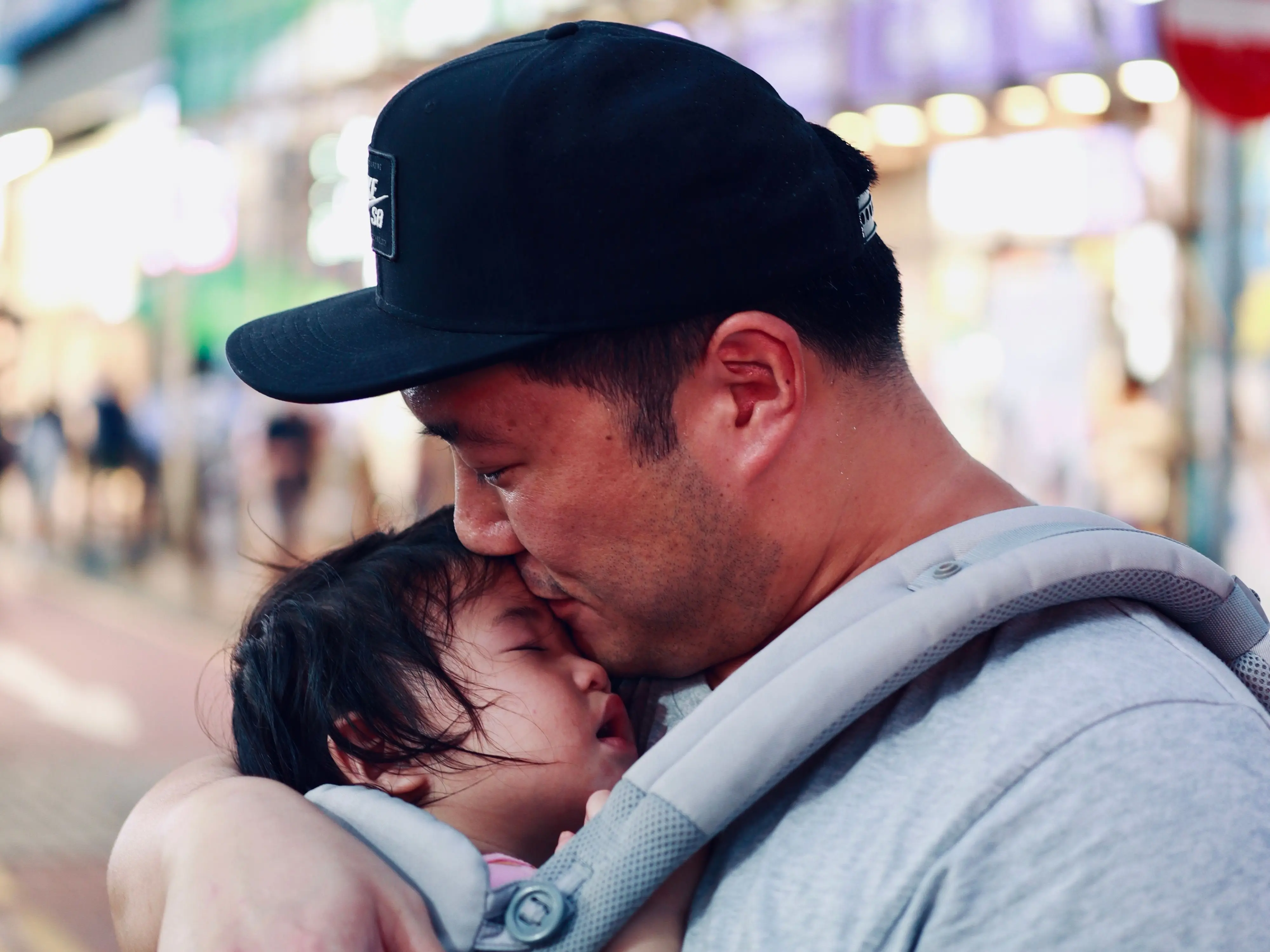)
Hong Kong unveils 11 new measures to boost birth rates, offers higher cash bonuses and housing perks
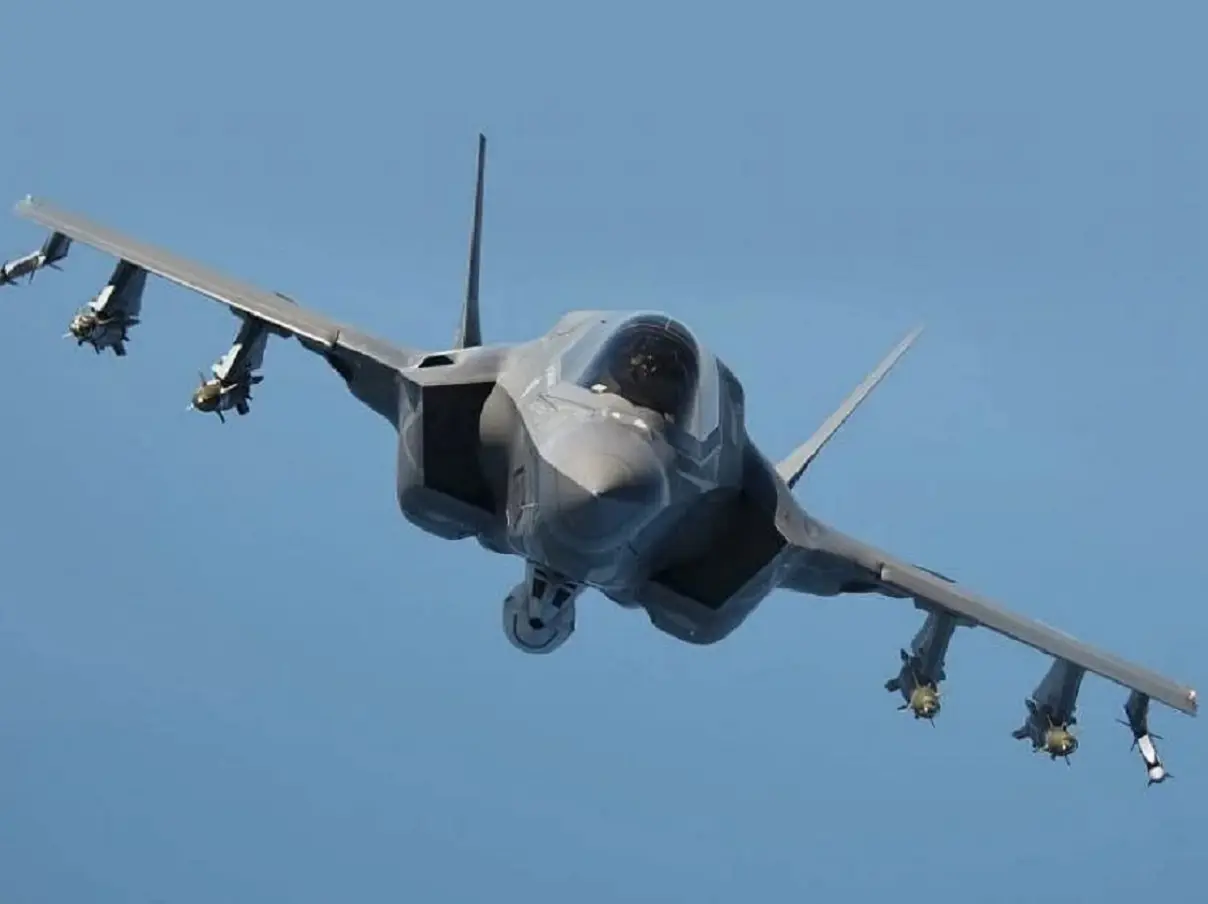)
US to sell 48 F-35 Lightning fighter jets to Saudi Arabia, help it deter threats
)
AI already defying, denying humans, is it beyond human control already?
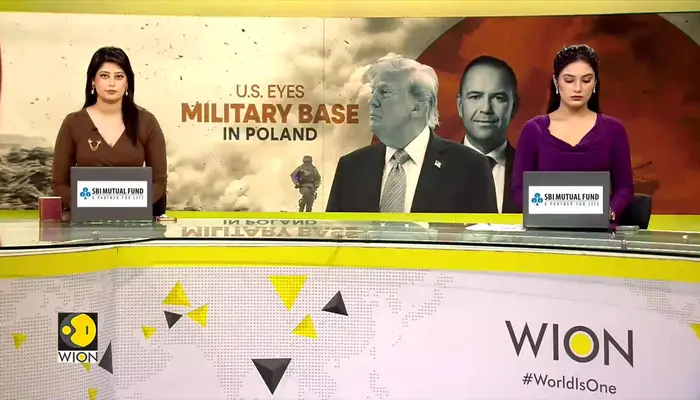)
US new military base in Poland: US President Donald Trump eyes military base in Poland
)
Pak batter Rizwan's petition against being questioned by cyber crime agency rejected by court
&im=FitAndFill=(700,400))
Which country has the most F-35s outside America?
)
US F-16 fighter jet crashes in Michigan during training mission, pilot ejects safely
&im=FitAndFill=(700,400))
Meet top 5 batters in the latest ICC T20I Rankings
The judgment came in a motor accident claim case related to a five-year-old boy’s death. The boy was walking toward his school with his father when a tanker hit him from behind, crushing his waist and lower body. The little boy succumbed to the injuries.
Also Read: ‘India not merely preparing for future, it is actively shaping it,’ PM Modi tells diaspora in Paris
On May 30, 2016, the Motor Accidents Claims Tribunal (MACT) granted compensation of Rs 7.82 lakh, with 6 per cent interest per annum. After the insurance company appealed the decision, the high court reduced the compensation to Rs 4.70 lakh.
The Supreme Court said that the high court “committed an error in reducing the compensation granted by the MACT” and enhanced it to Rs 11,44,628, and directed that it be paid within two months.
The apex court also noted that “there was neither a footpath nor a pedestrian crossing” on the stretch of road where the accident happened.
‘Wheels eclipsed imagination, created roads suitable for motorised vehicles’
Pointing out that man started walking long before taking to wheels, the bench said, “The primary right of movement under Article 19(1)(d) is the Fundamental Right to Walk, a right that precedes the right to move on wheels and this precious right must extend to guaranteeing access to safe and well demarcated footpath.”
“It is rather strange that we failed to focus on recognising and securing this ‘right to walk’. It may be because wheels eclipsed our imagination, and our municipal administration was busy creating roads that are suitable for motorised vehicles,” the court added.
Phrase ‘pedestrian’ acquired pejorative shades: Top Court
The bench noted that the phrase ‘pedestrian’ has acquired pejorative shades and added that it is emphasising the “freedom to walk subject to reasonable restrictions, only to ensure that access to common spaces—in both urban areas and rural areas is distributed in such a way that it is not a monopoly of the motorised class alone.”
On the need for a law on the subject, the court said, “The Act must protect, enhance, and provide quick remedies for violations, and also establish a full-time regulator to plan, enforce, and implement this precious right.”
The Supreme Court directed its Registry to forward a copy of the judgment to the ministries of Housing and Urban Affairs, Rural Development, Road Transport and Highways for initiating the necessary legal framework.”