Why Russian tanks are much lighter compared to US tanks

Russian tanks weigh 20 tonnes less than US tanks by using a three-man crew and an autoloader. This shrinks the turret and armour surface, allowing safe passage over 50-tonne capacity bridges.
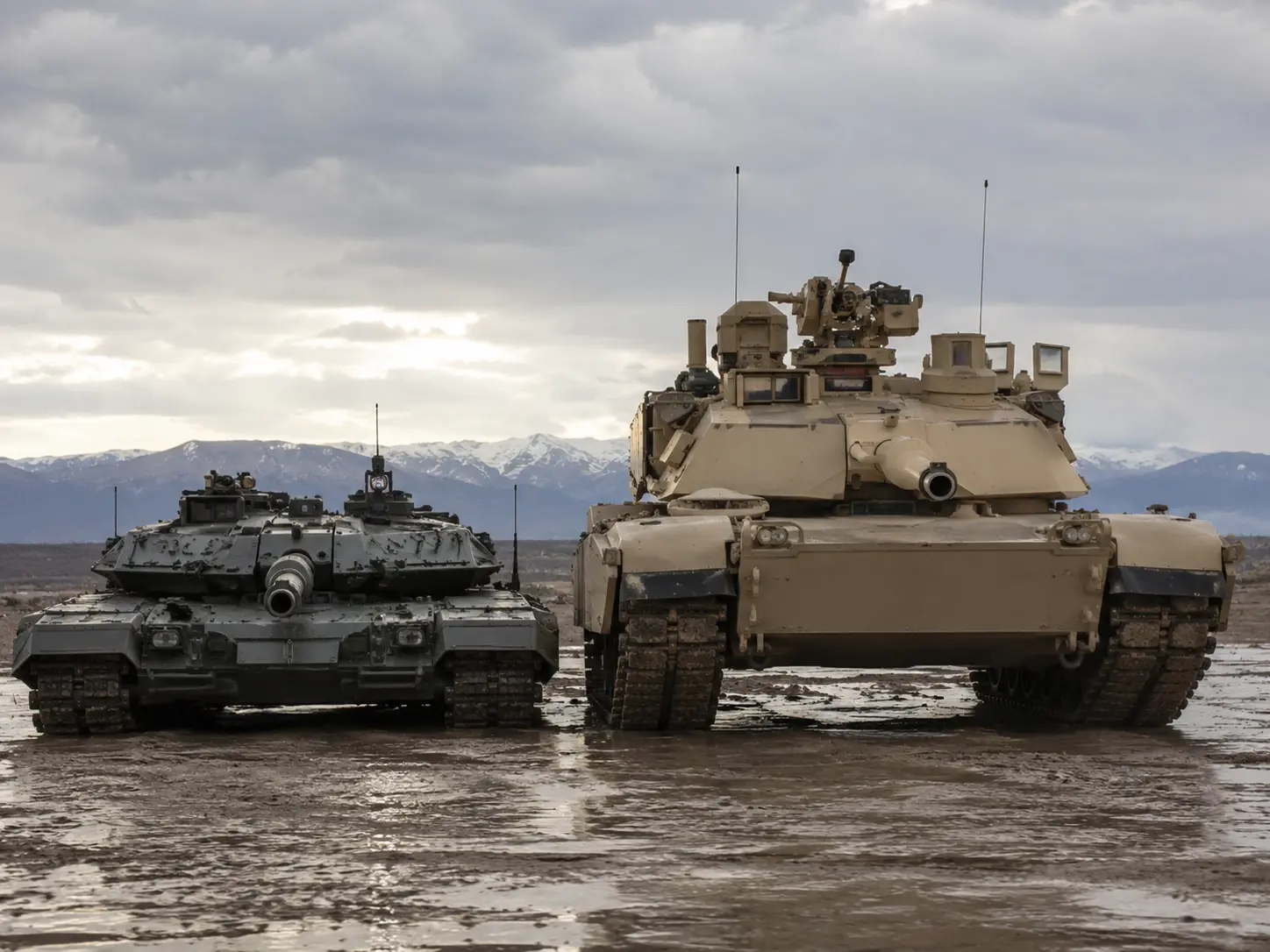
Under 2.2 Metres Tall
Russian main battle tanks like the T-72 and T-90 maintain a maximum roofline height of roughly 2.2 metres. In comparison, the United States M1 Abrams stands much taller at approximately 2.4 metres to the turret roof. This deliberate low vertical profile makes Russian armour a smaller visual target, naturally requiring less heavy plating to protect the vehicle.
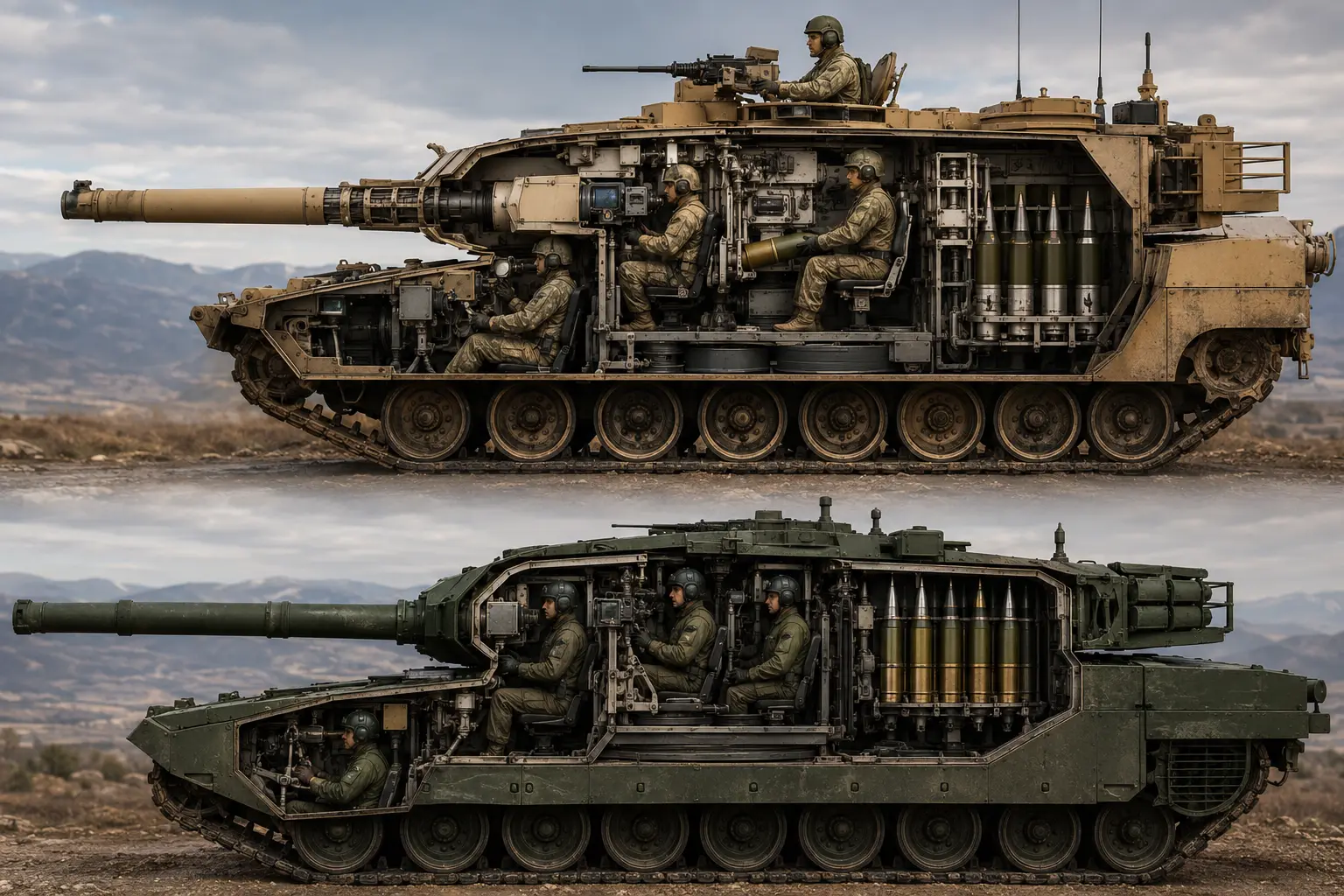
Three-Man Crew Systems
The primary reason for the weight difference is the inclusion of an automatic ammunition loading system. Replacing the human loader required in the four-man US Abrams removes a full crew member. Eliminating the need for a standing loader allows engineers to drastically reduce the interior volume and height of the main turret.
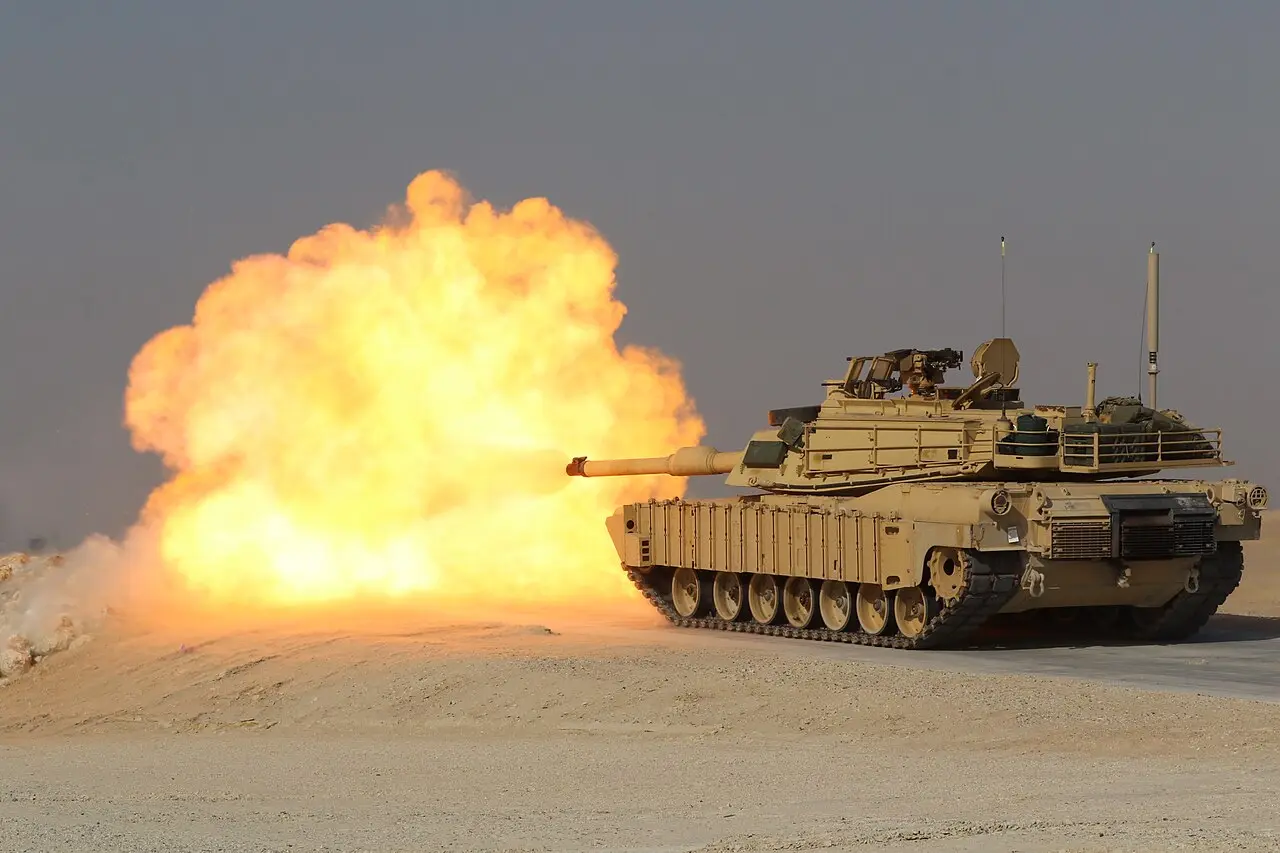
Saving 20 Tonnes Weight
A smaller and shorter hull means there is significantly less surface area that needs to be covered by heavy composite armour. As a result, standard Russian variants like the T-90 weigh around 48 tonnes. Meanwhile, the heavily armoured US M1A2 Abrams weighs roughly 70 tons, making it far more massive.
50-Tonne Bridge Limits
The compact structural dimensions of Russian tanks align perfectly with regional infrastructure limitations across Eurasia. Most civilian bridges and rural overpasses in the region are strictly rated for maximum weight limits of 50 tonnes. Lighter Russian vehicles can cross safely, whereas heavier American tanks face severe mobility restrictions.
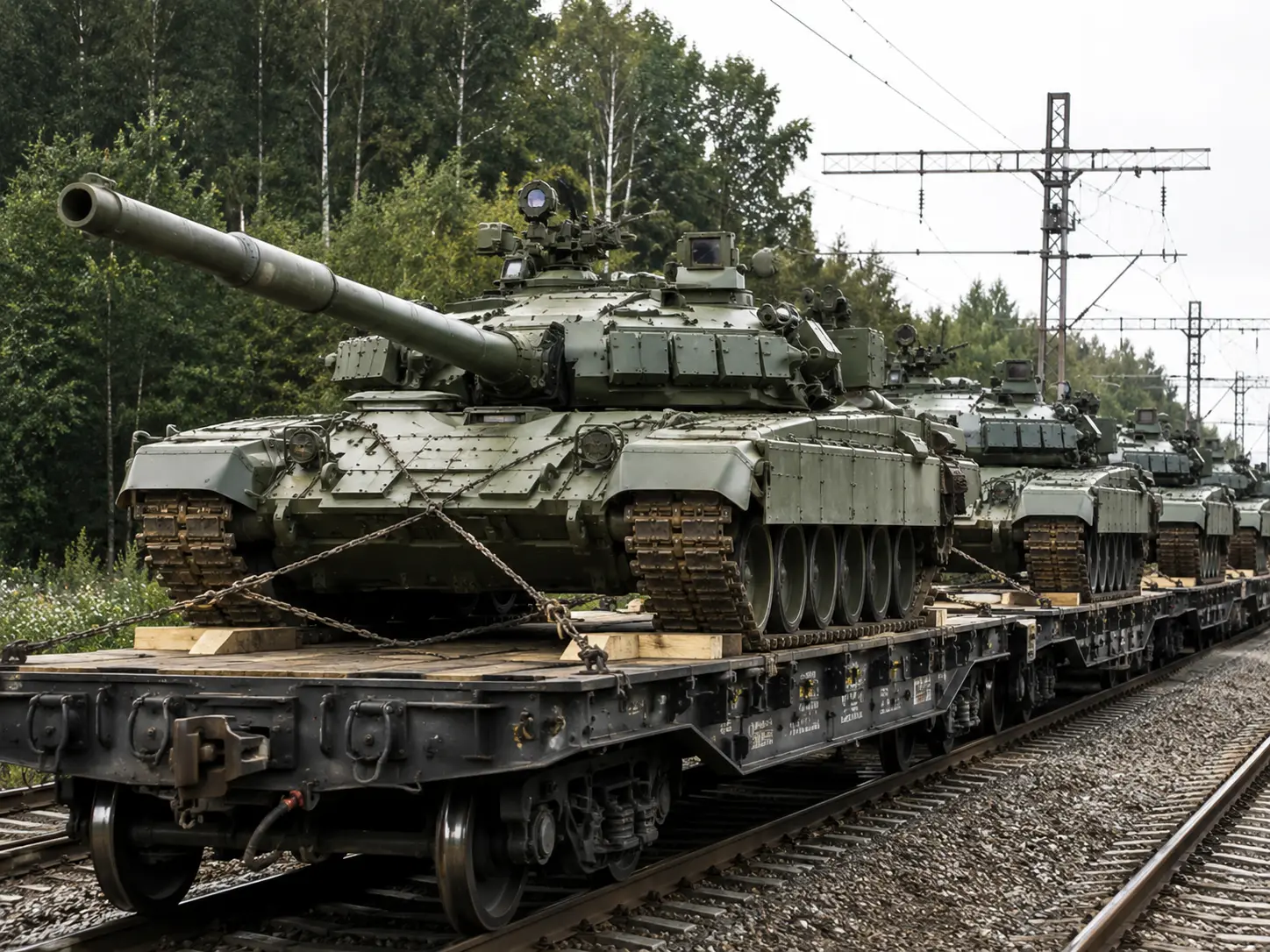
Diesel vs Gas Turbine
Because they carry 20 tonnes less mass, Russian tanks like the T-90 can operate effectively using roughly 1,130 horsepower diesel engines. In contrast, the heavier 70-ton Abrams requires a fuel-hungry 1,500 horsepower gas turbine engine just to maintain its mobility. This lighter weight allows Russian tanks to deploy over greater distances across terrain that heavier tanks cannot cross.
)
)
)
)
)