Why Russian jets use heavier steel compared to US jets

Soviet engineers built the MiG-25 using heavy nickel-steel instead of titanium to withstand extreme Mach 3 heat. This choice sacrificed agility but ensured cost-effective mass production, structural durability, and easier maintenance.
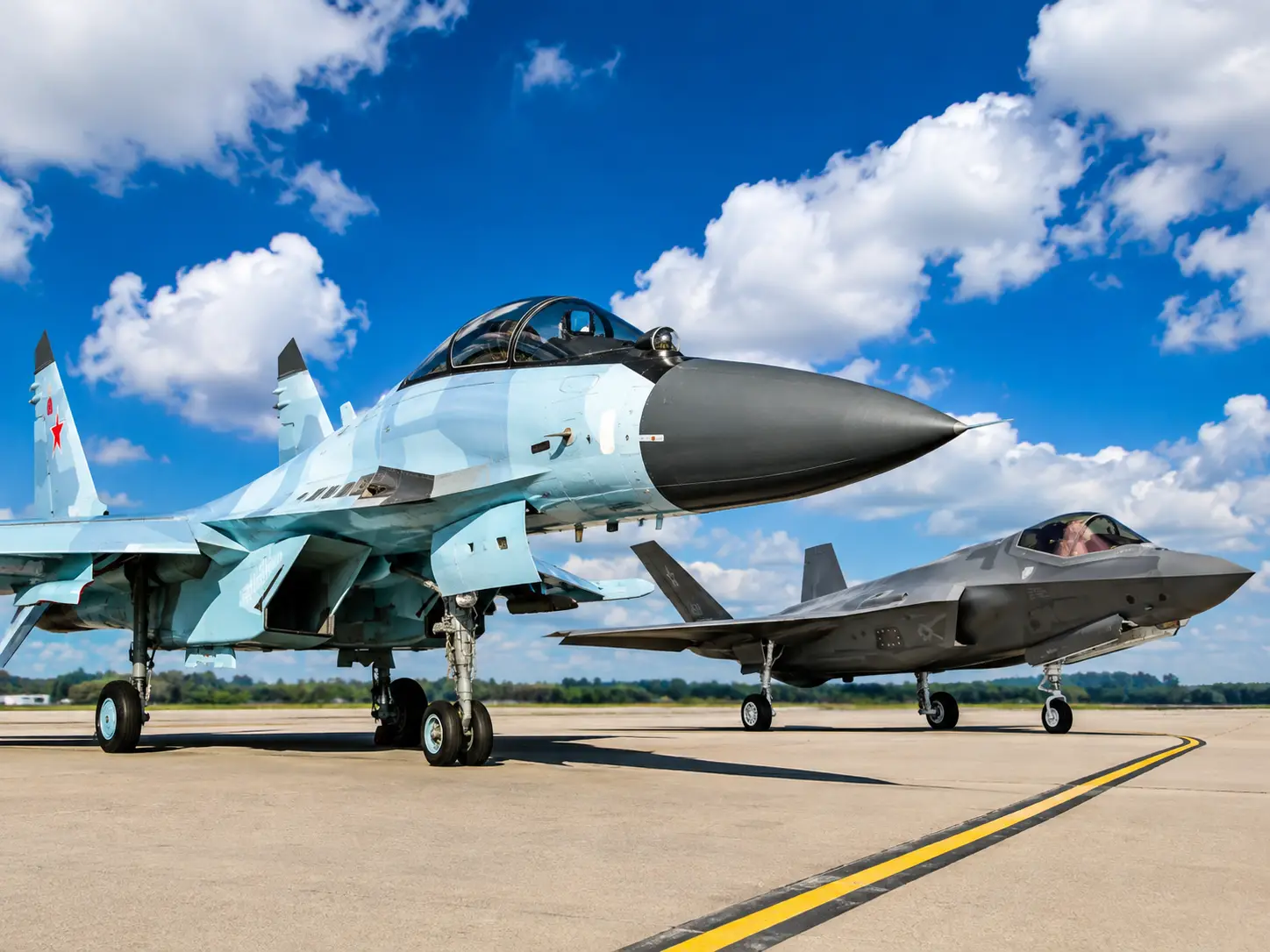
80 Per Cent Steel
Soviet engineers built the MiG-25 primarily from a heavy nickel-steel alloy to withstand extreme aerodynamic heating. This robust formulation allowed the jet to survive intense supersonic friction without warping. It offered a rugged, heat-resistant airframe that bypassed the complex manufacturing hurdles of lighter metals.
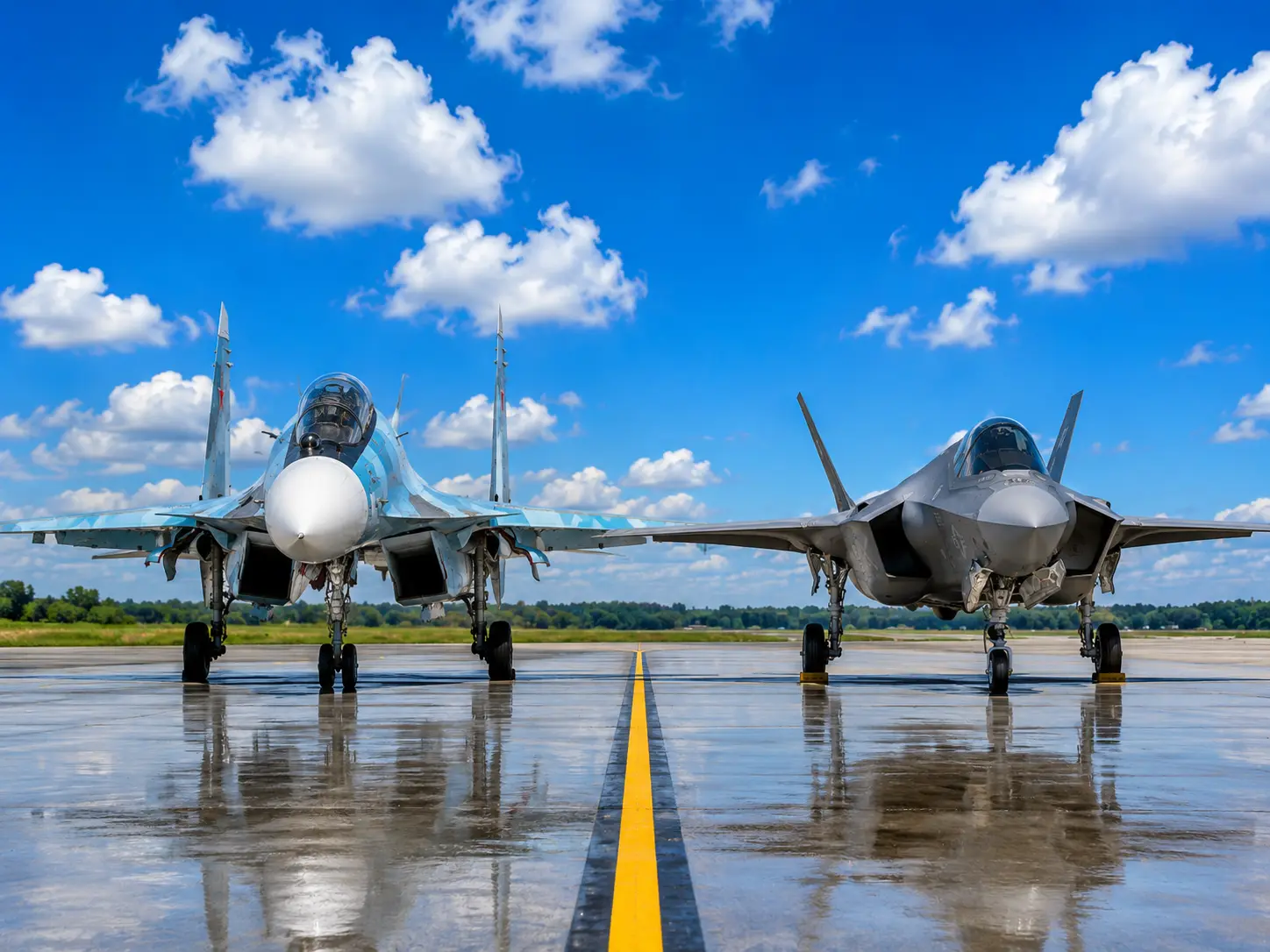
300 Degrees Celsius Heat
At speeds exceeding Mach 2.5, friction generates surface temperatures of over 300 degrees Celsius, which melts standard aluminium. The arc-welded steel structure provided exceptional rigidity and thermal protection under these extreme conditions. This brute-force engineering successfully shielded the aircraft during high-altitude interception missions.
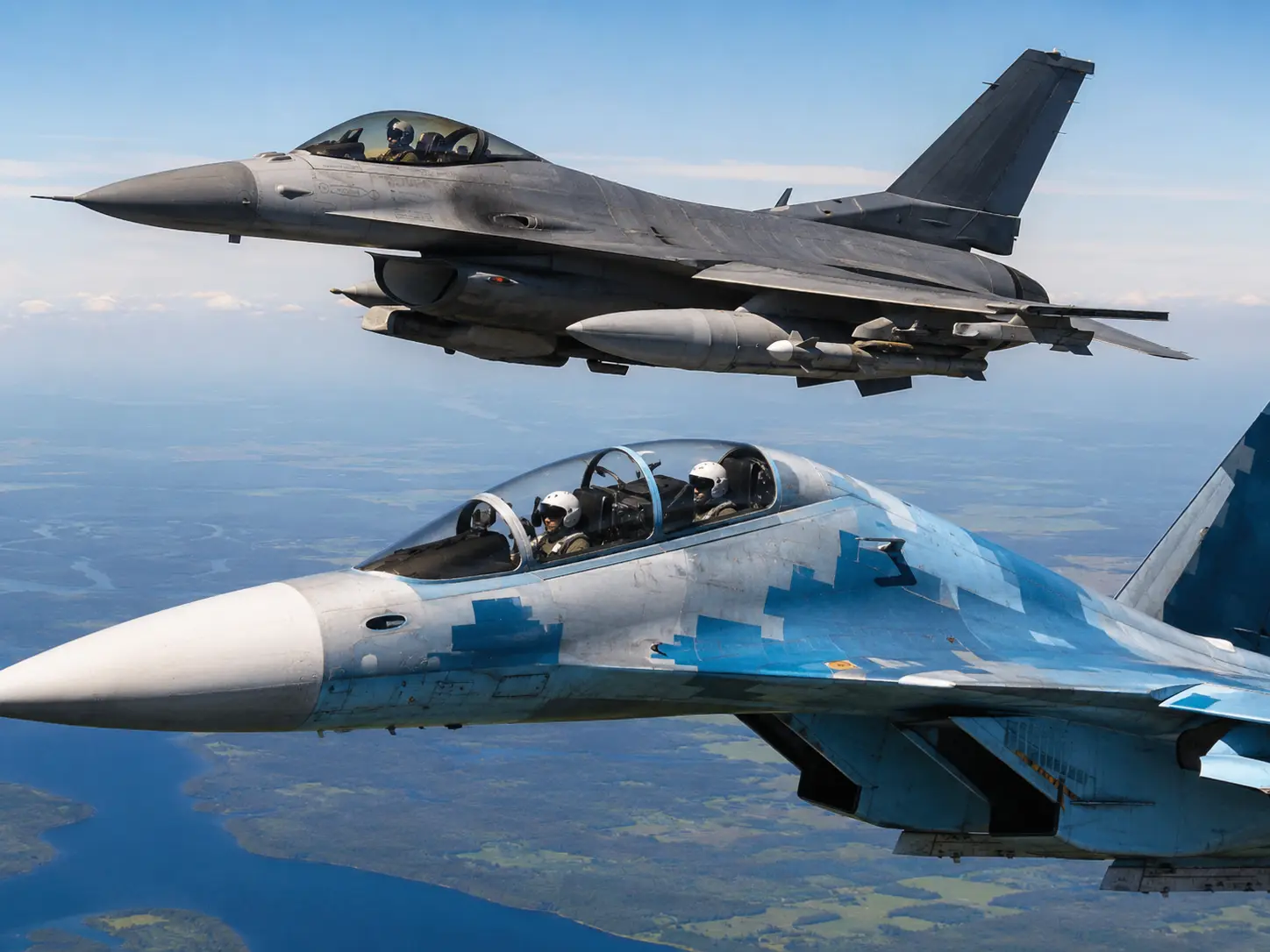
9 Per Cent Titanium
While the United States built the SR-71 Blackbird almost entirely from titanium, the Soviets used only a nine per cent fraction. Titanium was extremely expensive and its thin welded walls were prone to cracking in Soviet factories. Steel provided a far more economical, scalable, and easier-to-weld alternative for their military production.
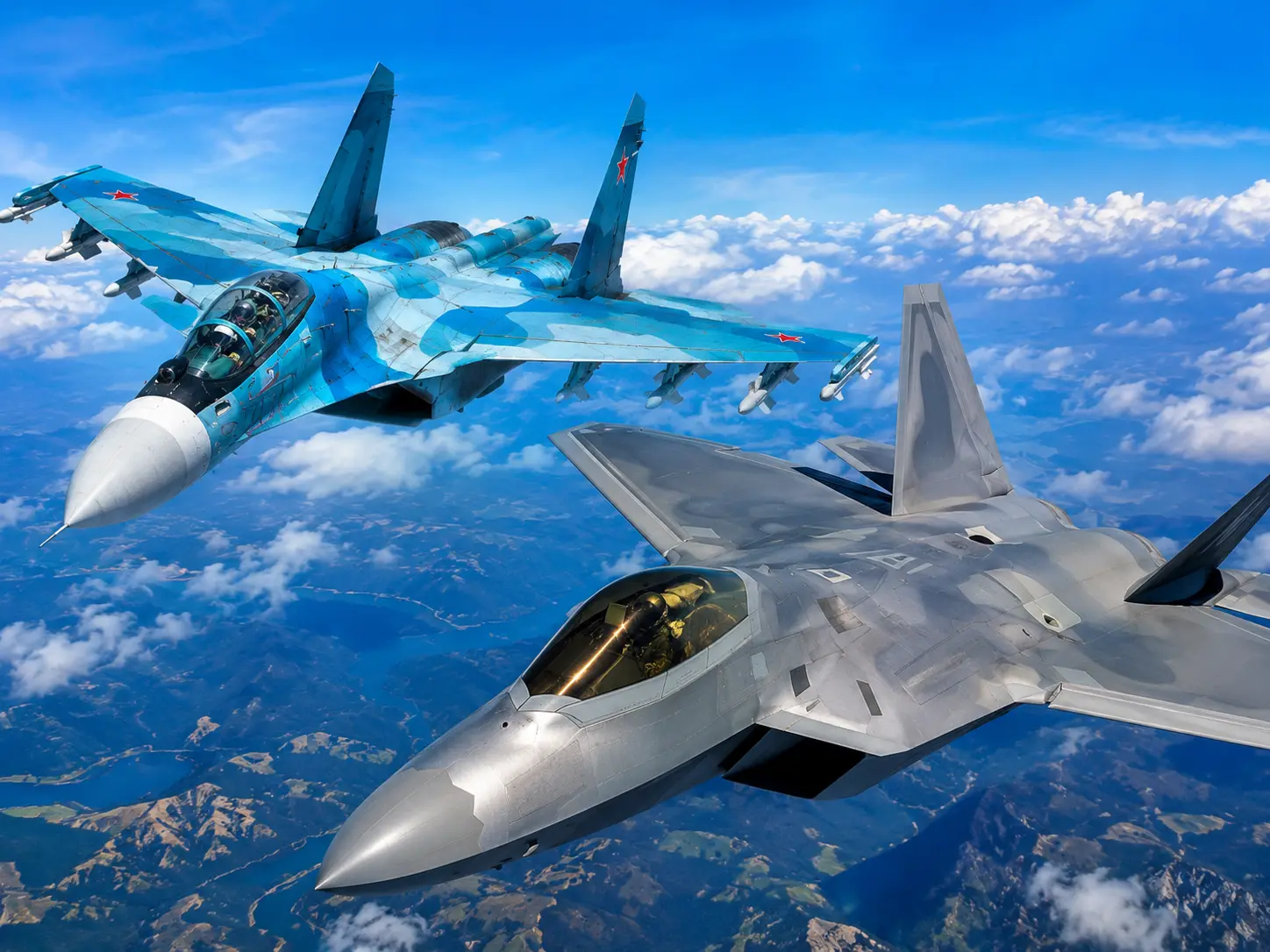
20,000 Kilogrammes Empty Weight
Stainless steel is significantly denser than titanium, pushing the unladen weight of the Russian jet to an immense scale. To propel this heavy 20,000-kilogramme structure, the aircraft relied on two gigantic Tumansky turbojet engines. Consequently, the fuselage essentially functioned as a massive flying fuel tank to feed these power plants.
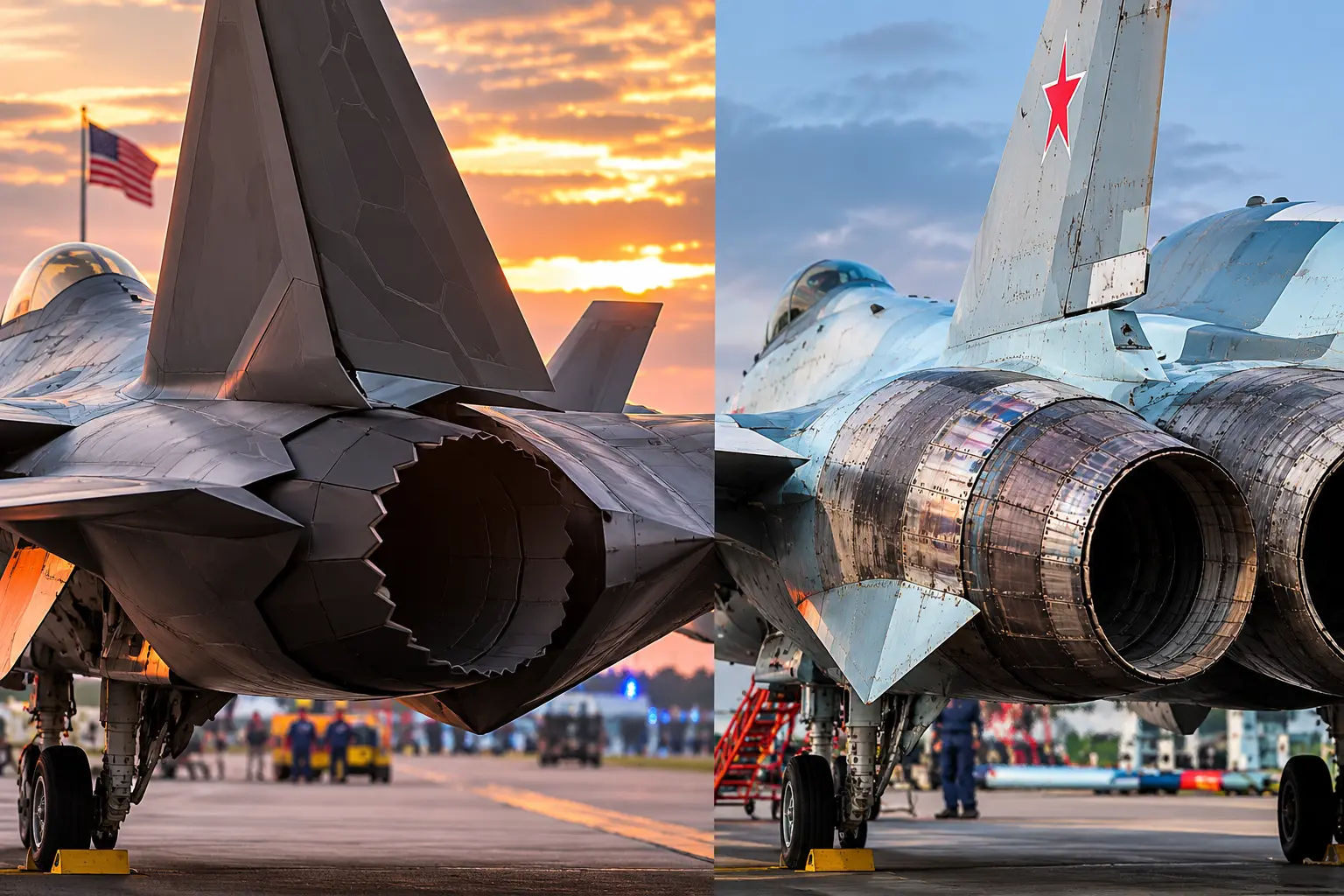
Mach 2.83 Top Speed
Despite the massive weight penalty of steel construction, Russian interceptors successfully reached incredible velocities. The jet could safely operate at Mach 2.83, proving that heavier metals were completely viable for high-altitude combat. This practical approach meant regular aircrews could maintain the jets without requiring highly specialised titanium repair facilities.
)
)
)
)
)