How often does an S-400 need maintenance?

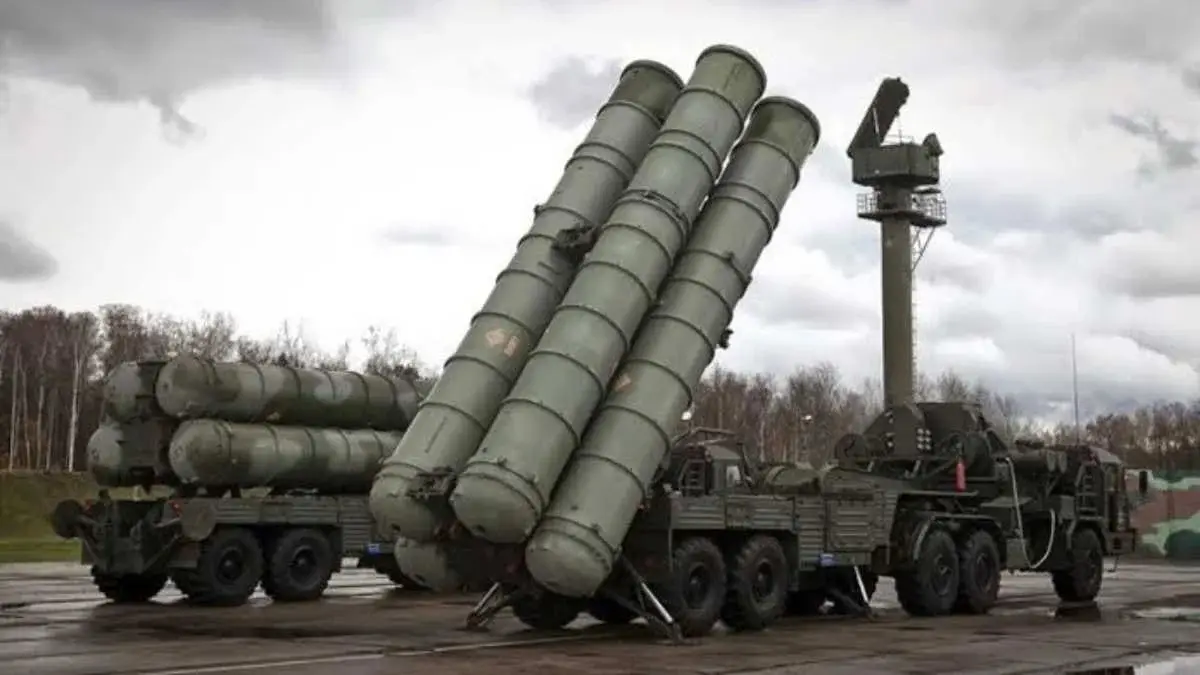
The S-400 air defence system requires a major overhaul every 10,000 hours of operation. While its heavy radar and command vehicles boast a 20-year service life, the interceptor missiles naturally degrade and demand replacement after just 10 years.
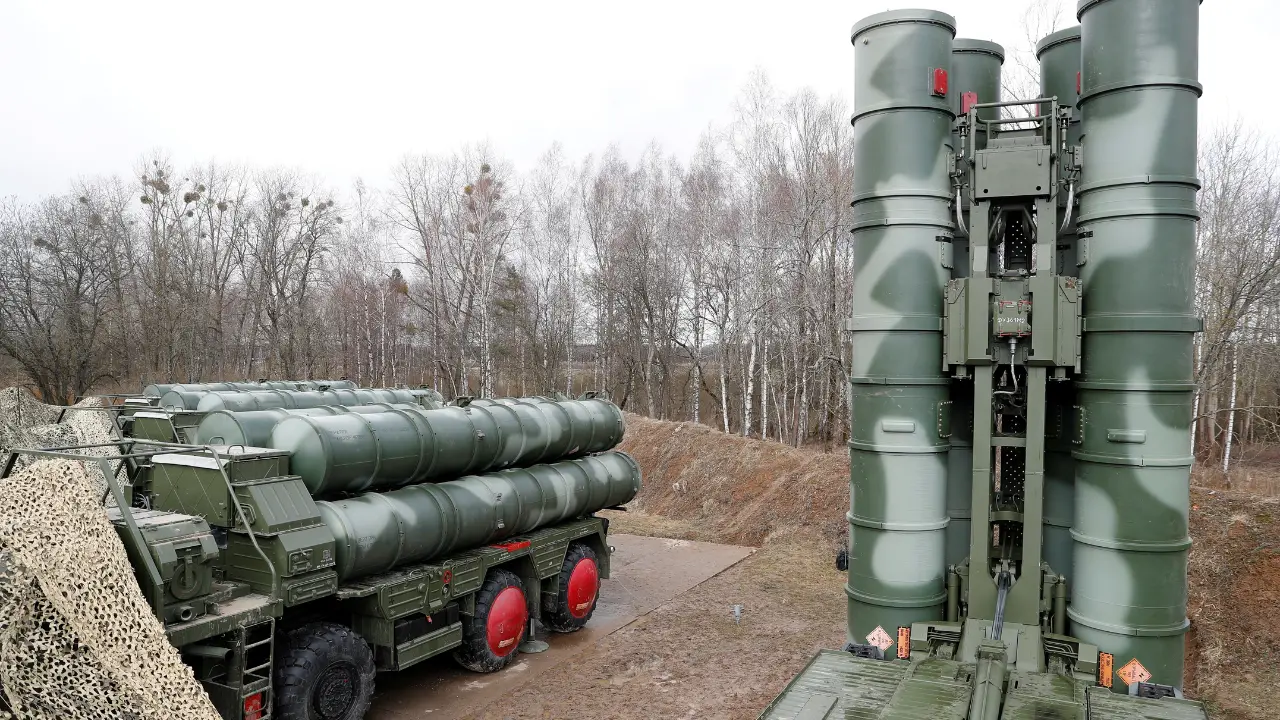
The 10,000-Hour Rule
To maintain peak combat readiness, the S-400 Triumf requires a scheduled major overhaul after 10,000 hours of active operation. Because the system's high-powered radars run continuously during wartime, militaries reach this maintenance milestone much faster than during peacetime deployments.
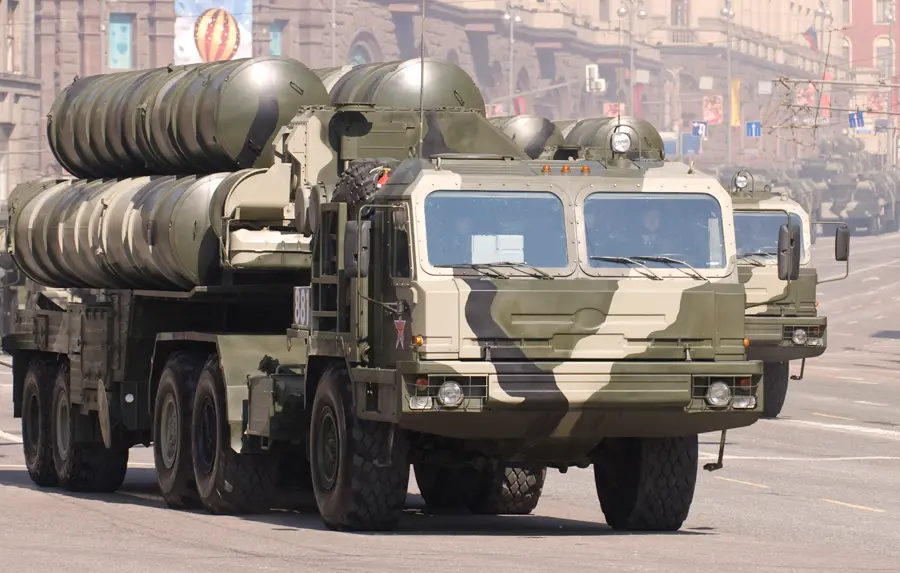
A 20-Year Lifespan
According to official specifications, the heavy ground facilities—including the radar arrays and command posts—are engineered for a service life of at least 20 years. This longevity requires rigorous preventative maintenance on the 400-horsepower diesel engines and heavy-duty chassis systems.
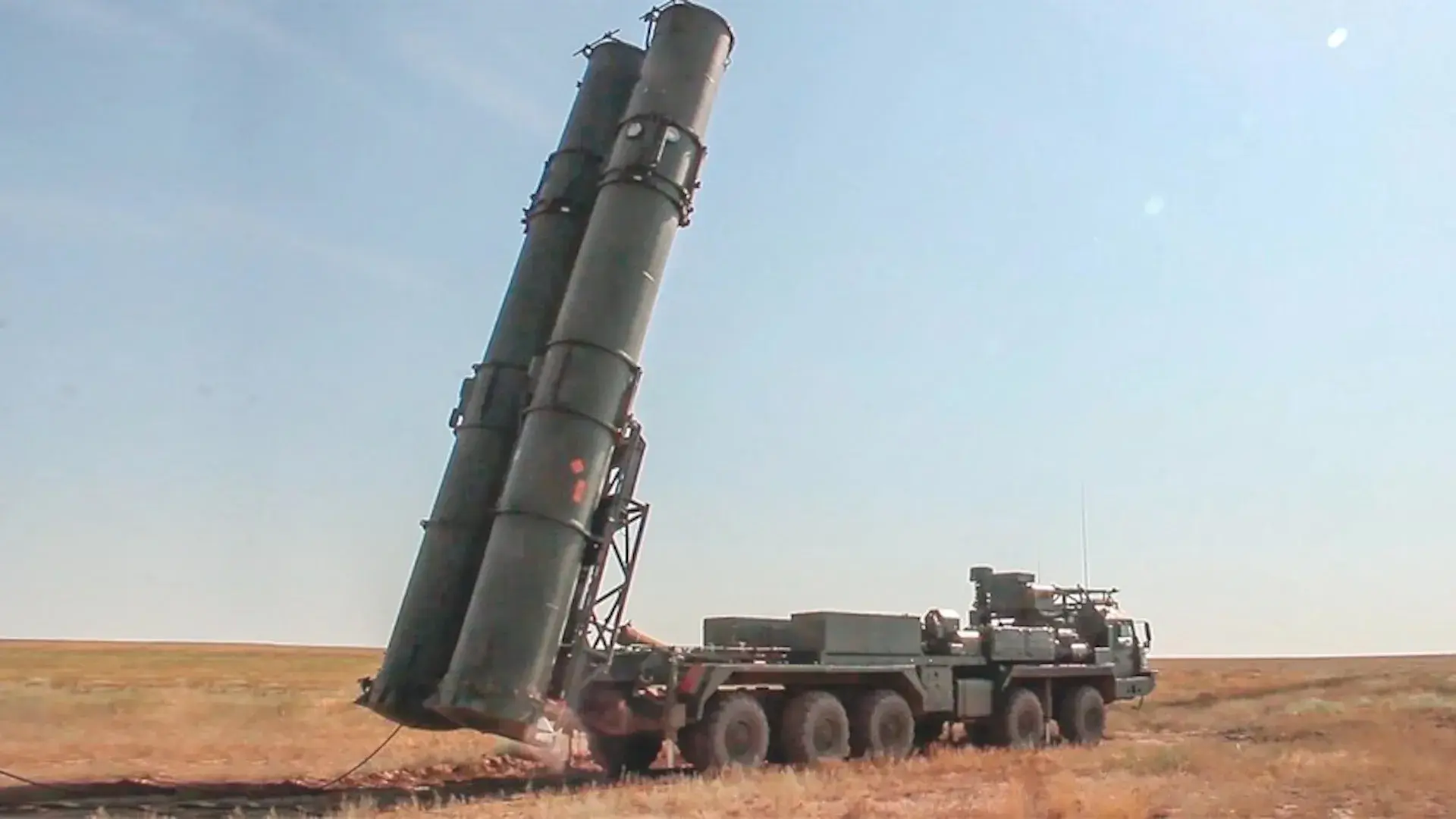
Missile Shelf Life
While the ground vehicles last two decades, the anti-aircraft guided missiles possess a strict service life of just 10 years. After a decade in sealed storage tubes, the solid rocket propellant and internal seekers degrade, demanding complete replacement or factory refurbishment.
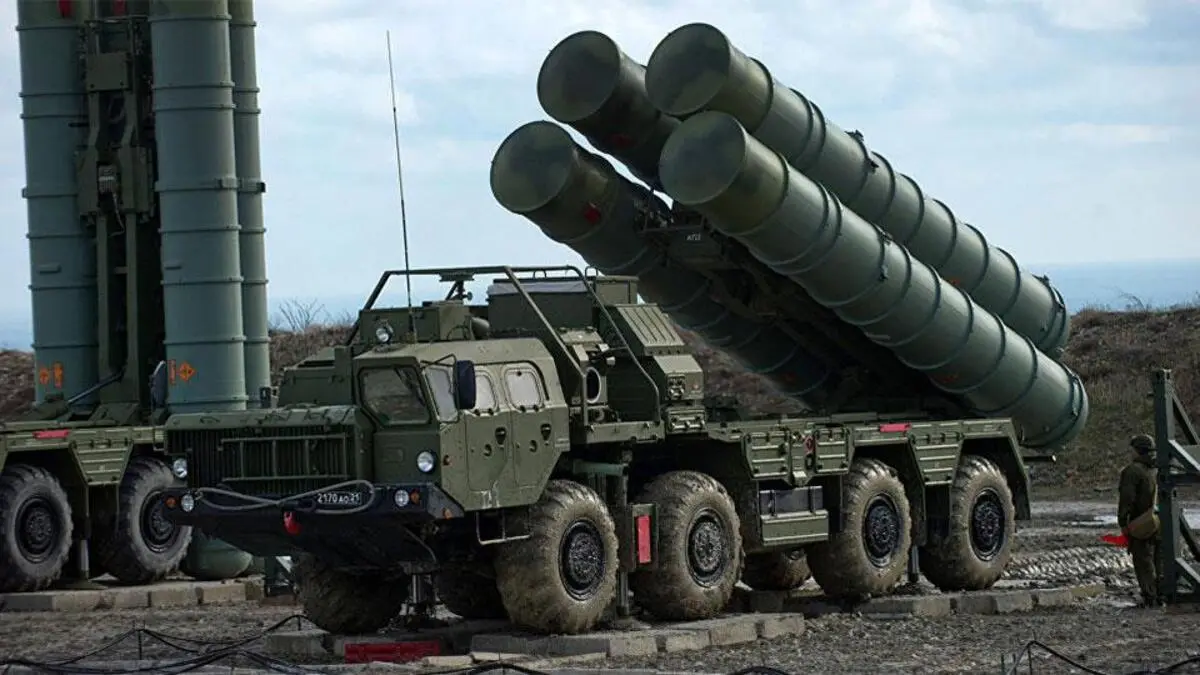
Field Maintenance
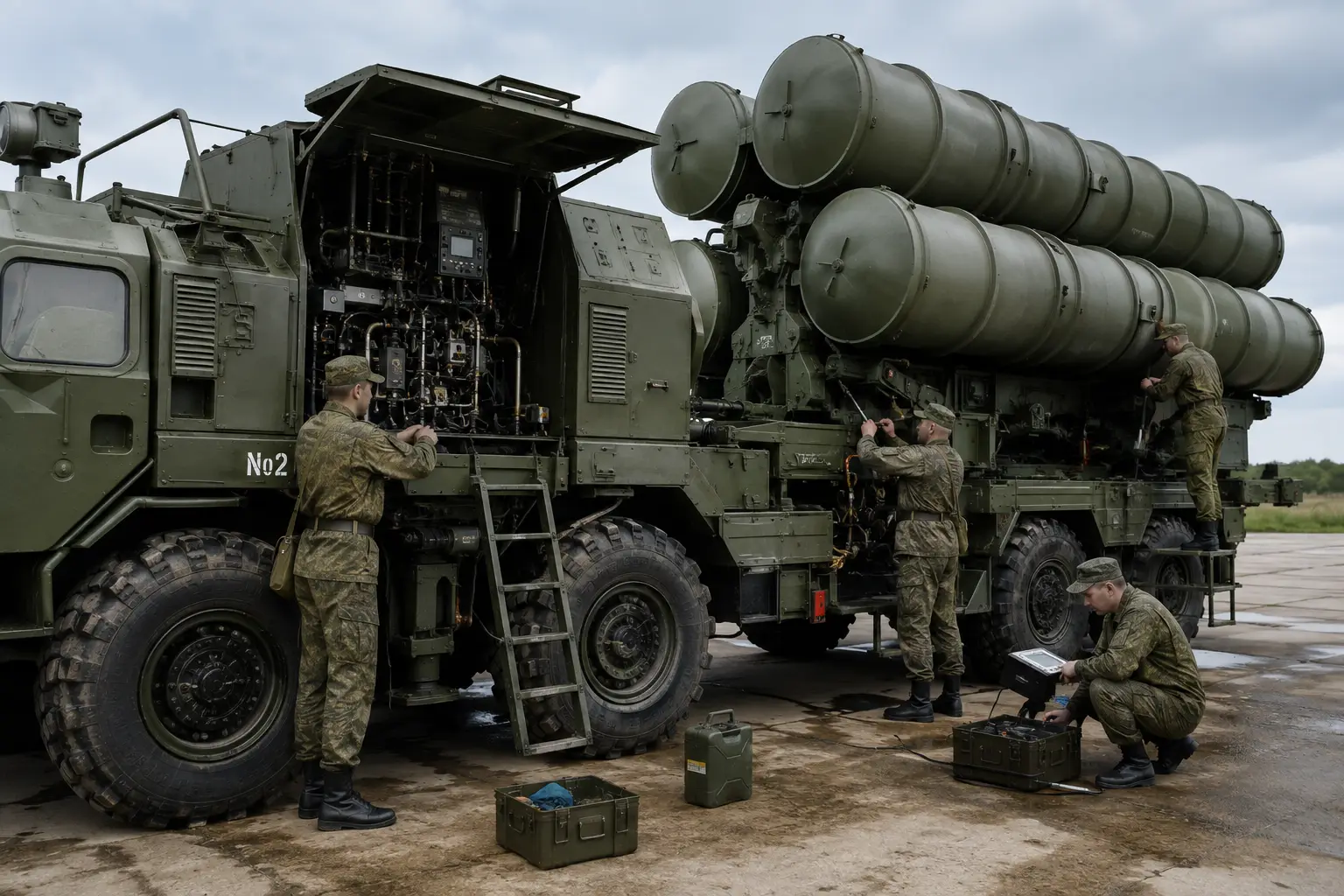
A standard S-400 squadron includes over 16 heavy vehicles designed to operate in punishing off-road environments. Field crews must routinely service the delicate hydraulic systems to ensure the battery can halt and deploy into combat mode in under five minutes.
Radar Calibration
The system relies on the 91N6E panoramic radar to track up to 300 targets across a 600-kilometre radius. Maintaining this massive sensor requires technicians to routinely calibrate the phased-array antennas and service heavy cooling systems to prevent the electronics from overheating.
The Localisation Push
Transporting a USD 1.25 billion missile battery back to Russia for its 10,000-hour overhaul presents a massive logistical burden. To resolve this, major operators like India initiated plans in 2025 to establish domestic Maintenance, Repair, and Overhaul (MRO) facilities for their local squadrons.
Continuous Combat Stress
In active conflict zones, the S-400 operates well beyond its standard peacetime maintenance schedules. Running the 55K6E command centre and engagement radars around the clock severely strains the hardware, forcing operators to drastically increase their supply of replacement components.
)
)
)
)
)