Can an S-400 detect a bird?

While the S-400's powerful 91N6E radar is sensitive enough to detect the tiny 0.01 square-metre radar cross section of a bird, advanced digital algorithms immediately filter them out. This prevents the system from being blinded by biological clutter.
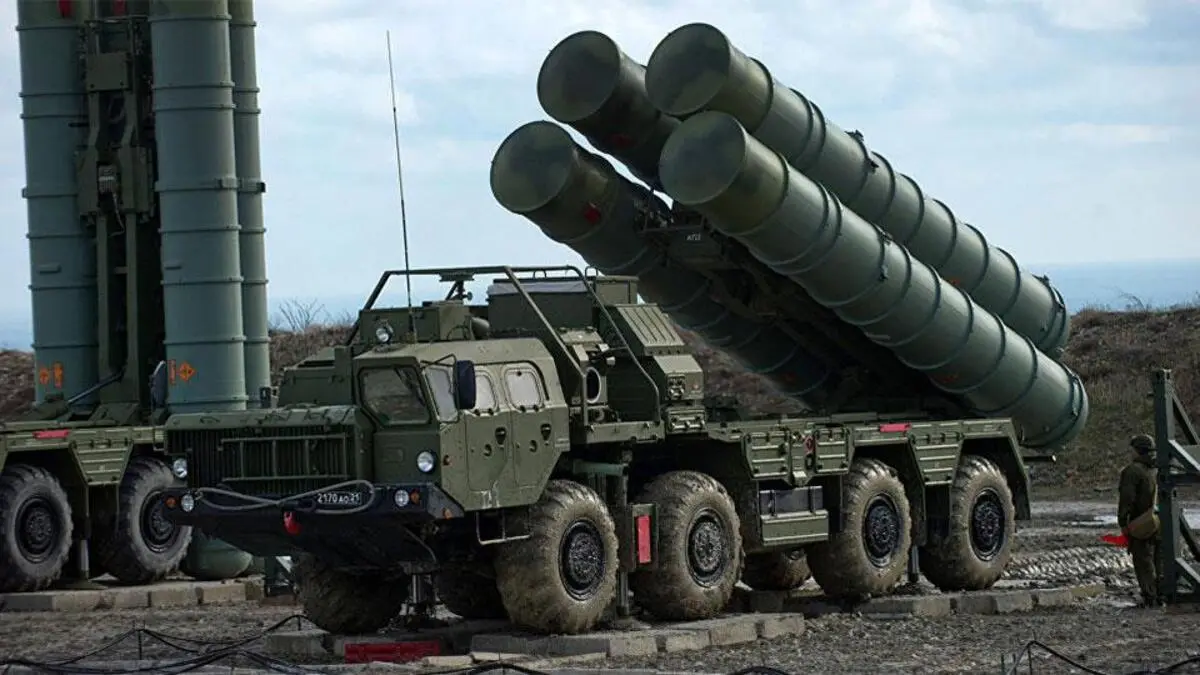
The Micro-Target Question
Can a USD 1.25 billion military air defence system detect a flying bird? The short answer is yes, but the technological reality of how the S-400 processes these microscopic radar signatures is highly complex.
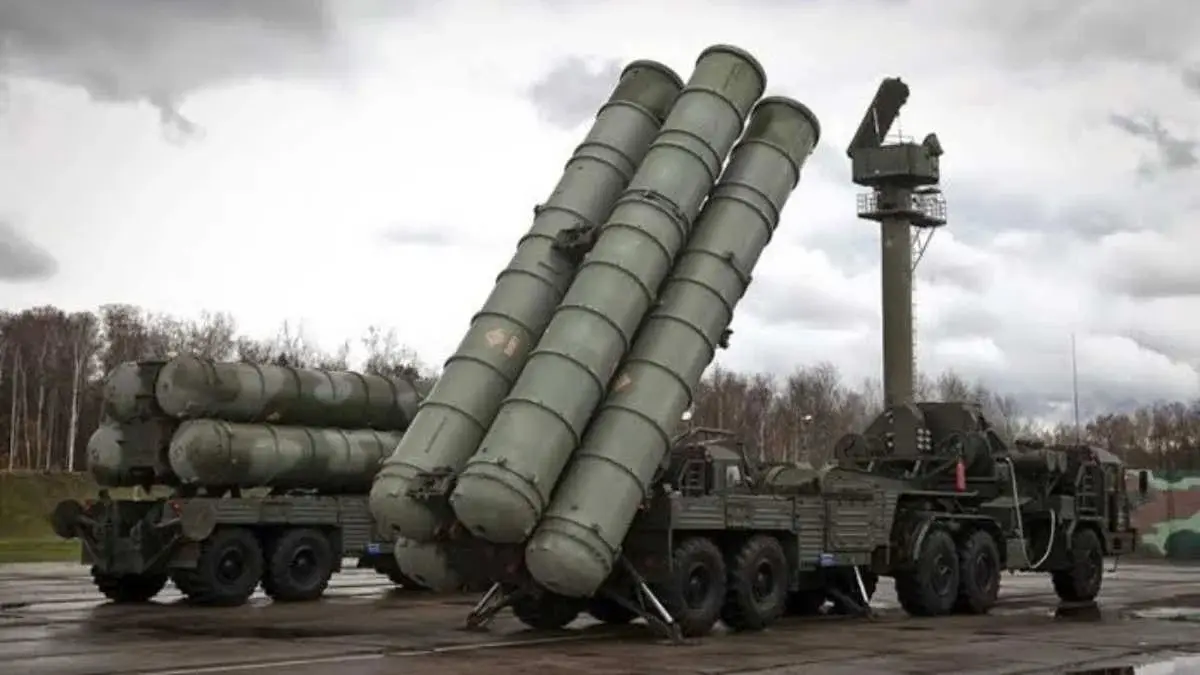
Understanding Radar Signatures
Radars measure objects using a metric called a Radar Cross Section (RCS). While a massive strategic bomber has an RCS of roughly 10 square metres, a typical bird possesses an RCS of just 0.01 square metres.

Extreme Sensitivity
The S-400 uses the incredibly powerful 91N6E panoramic radar to sweep the sky. According to military specifications, this sensor is sensitive enough to track low-visibility stealth targets with an RCS under 0.1 square metres at distances of 150 kilometres.
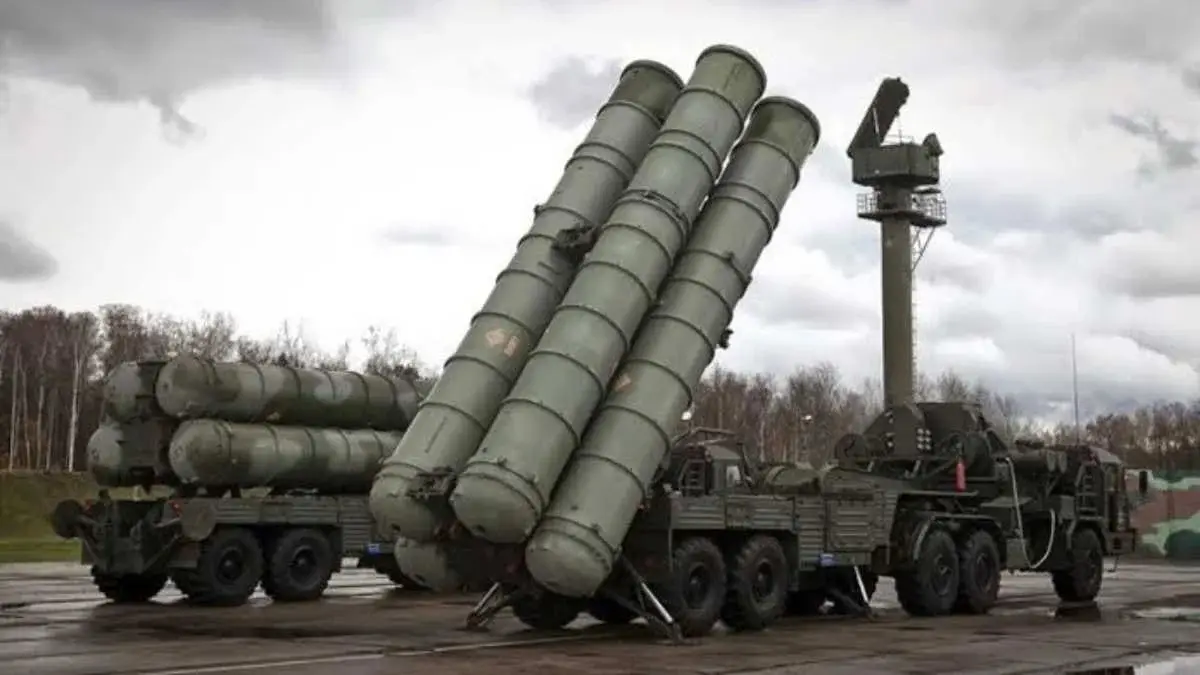
Detecting the Bird
Because the primary radar is engineered to track tiny precision-guided munitions and stealth drones, it undoubtedly captures the physical radar reflections bouncing off birds. At closer ranges, a flock of birds appears as a distinct cluster of electromagnetic returns on the raw radar feed.
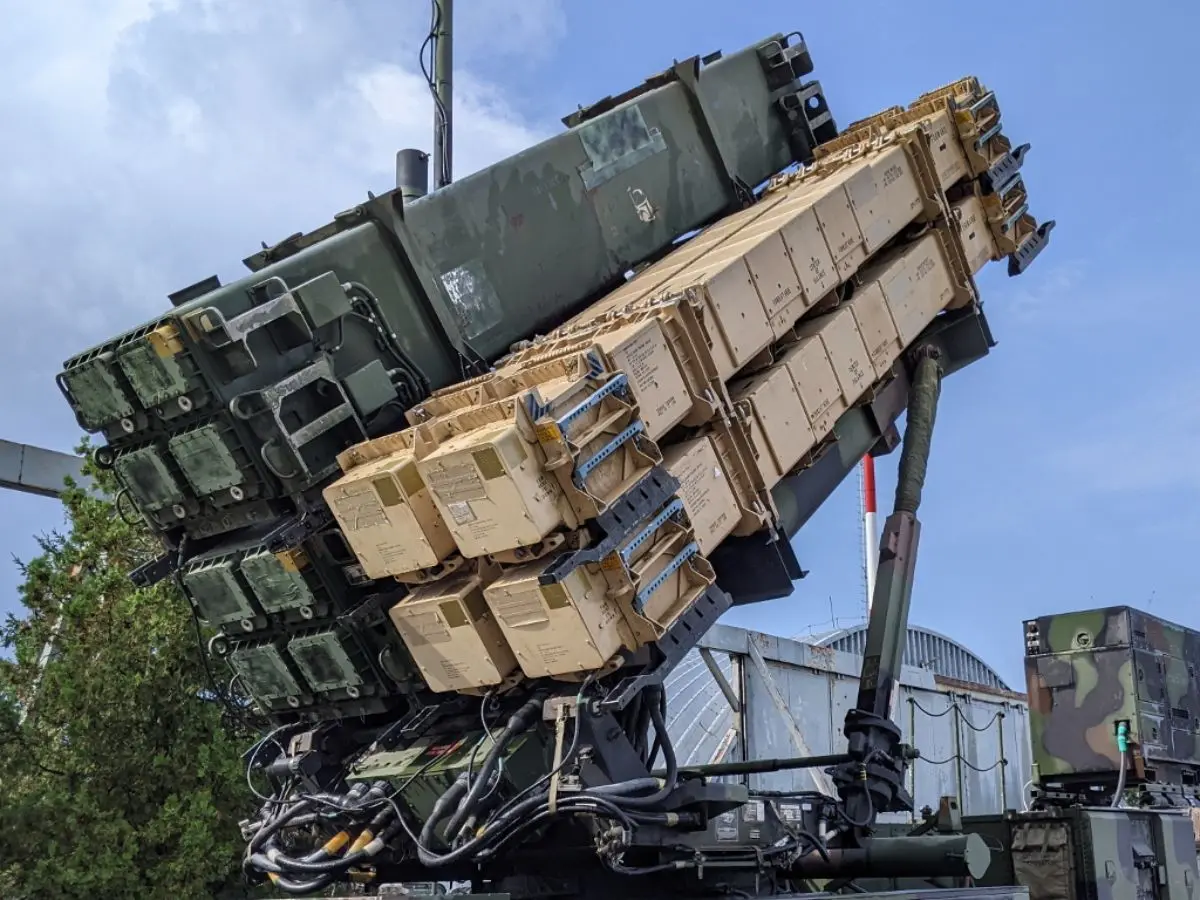
The Digital Filter
However, if the system displayed every bird, the human operators would be completely blinded by thousands of irrelevant blips. To solve this, the 92N6E engagement radar uses advanced digital signal processing to filter out biological noise and weather clutter.
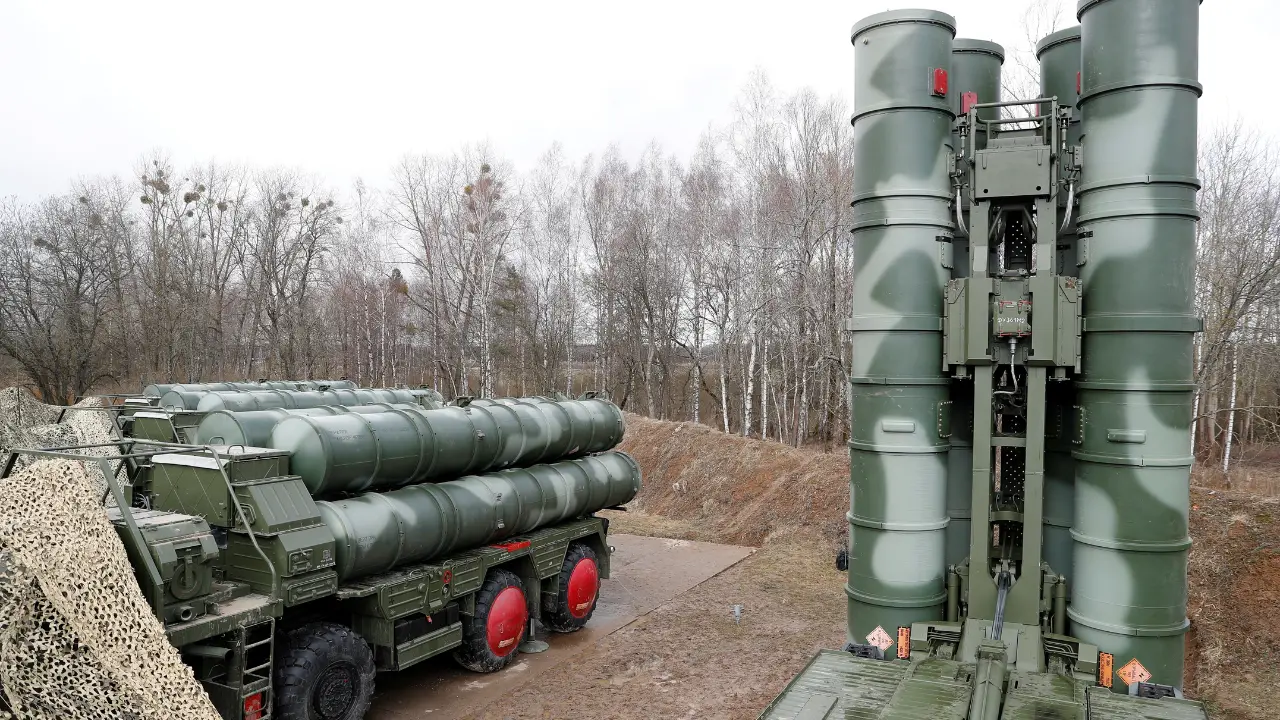
Speed and Trajectory
The system's 55K6E digital command centre automatically analyses the speed and flight path of every detected object. Because birds travel at a fraction of the speed of a fighter jet or a Mach 14 ballistic missile, the software instantly classifies them as harmless.
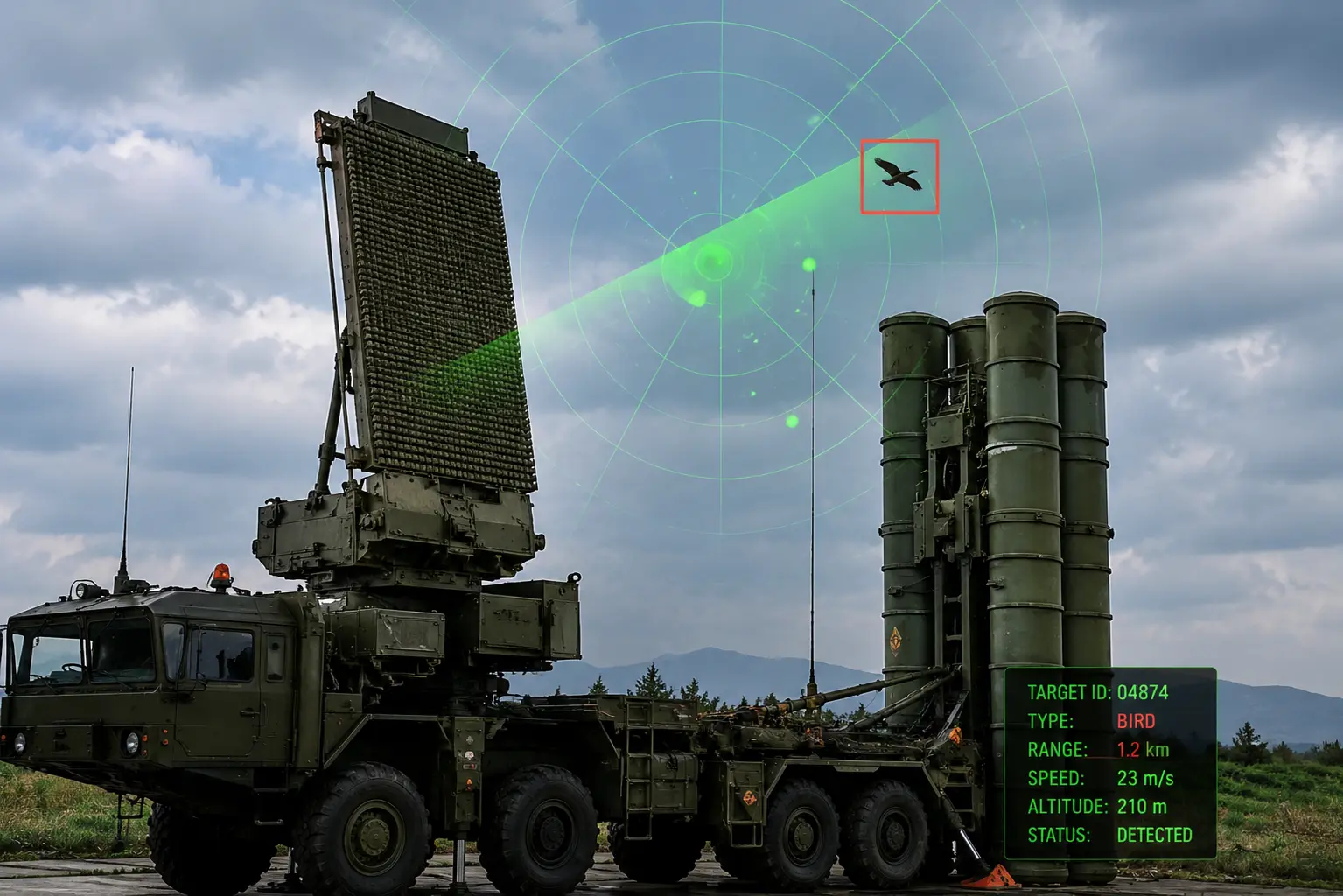
Focusing on the Threat
Ultimately, while the raw radar energy easily detects biological life, the S-400 is programmed to ignore it. This aggressive digital filtering ensures the system can simultaneously track 300 genuine military threats without being distracted by wildlife.
)
)
)
)
)