'Fifth-generation fighters': Can the S-400 shoot down an F-35?

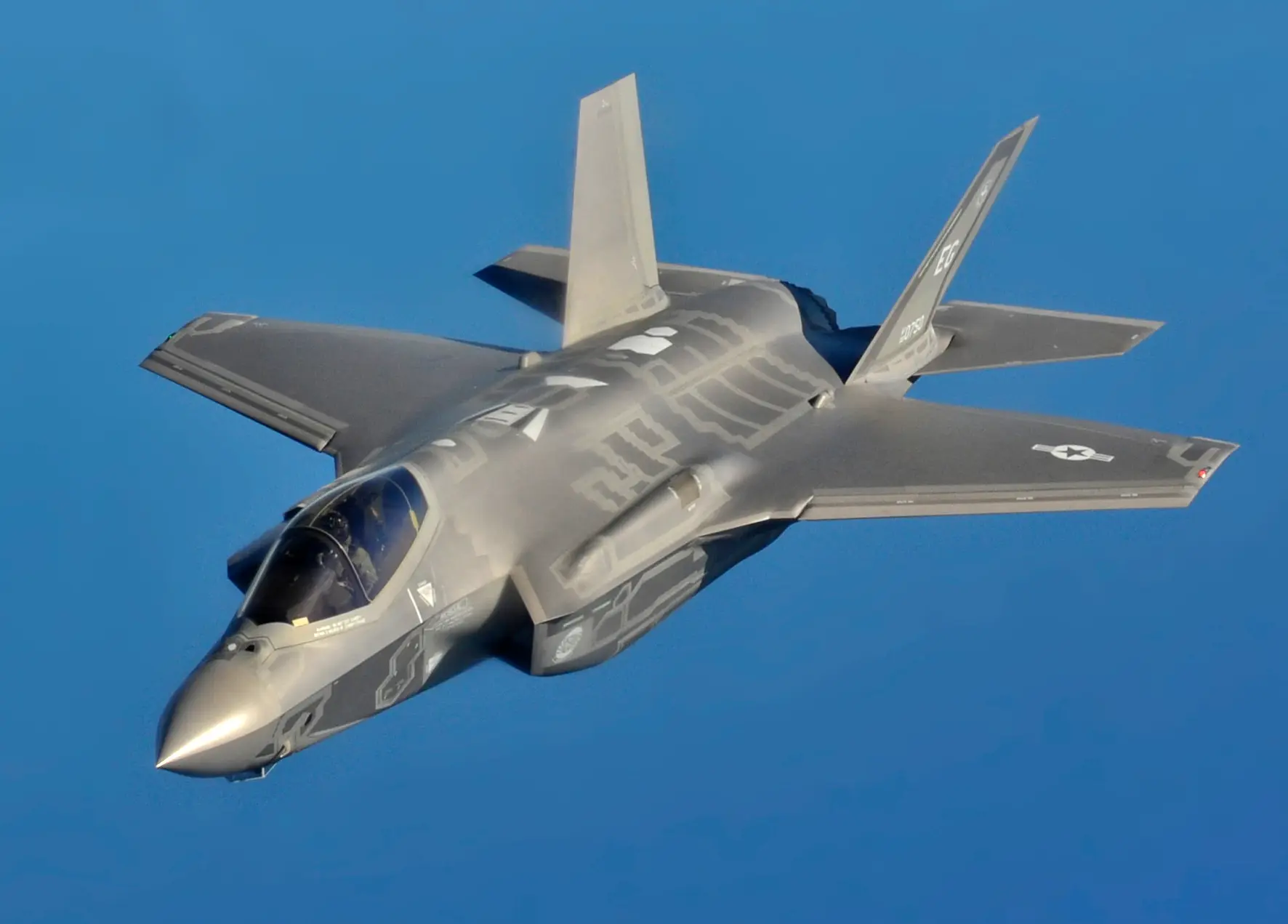
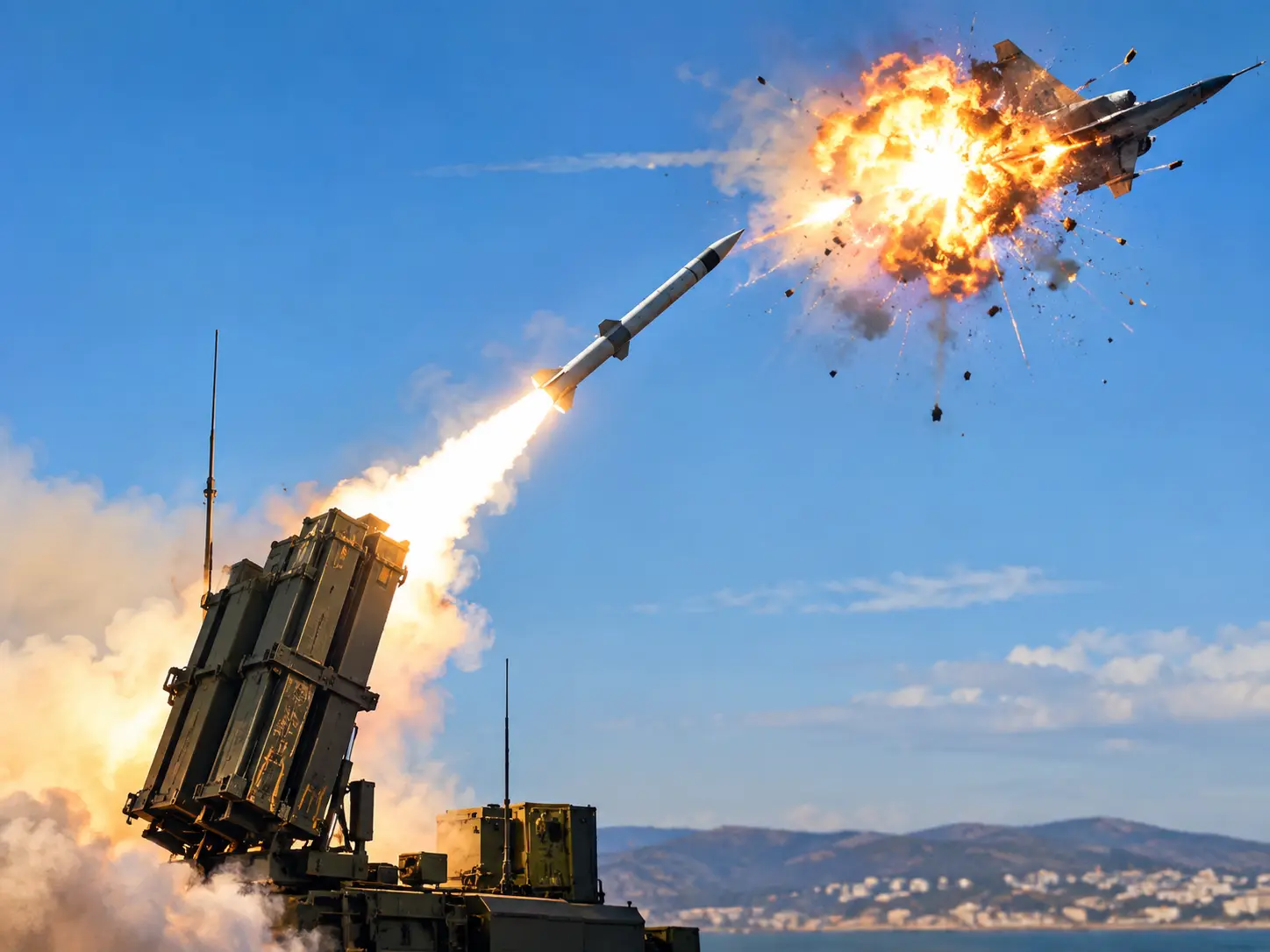
While the S-400 air defence system has a 400 km range, it can only secure a weapons lock on the stealthy F-35 from 20 to 30 miles away. This allows the aircraft to launch anti-radiation missiles from 60 miles out, neutralising the radar first.
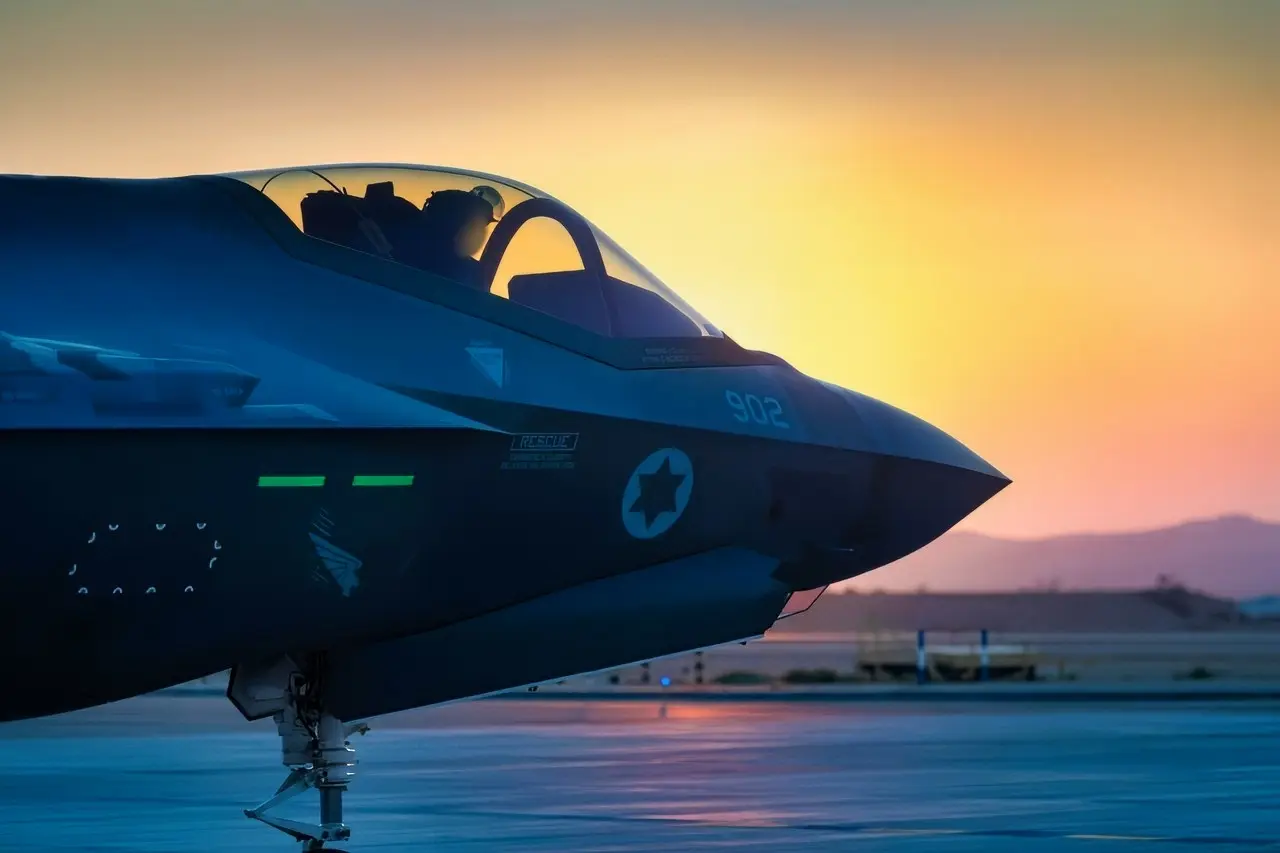
Detection versus weapons lock
While the S-400 can detect standard aircraft from 600 kilometres away, former US Navy specialists note that merely seeing a target is not enough. The system requires a precise X-band radar lock to actually fire an interceptor missile.
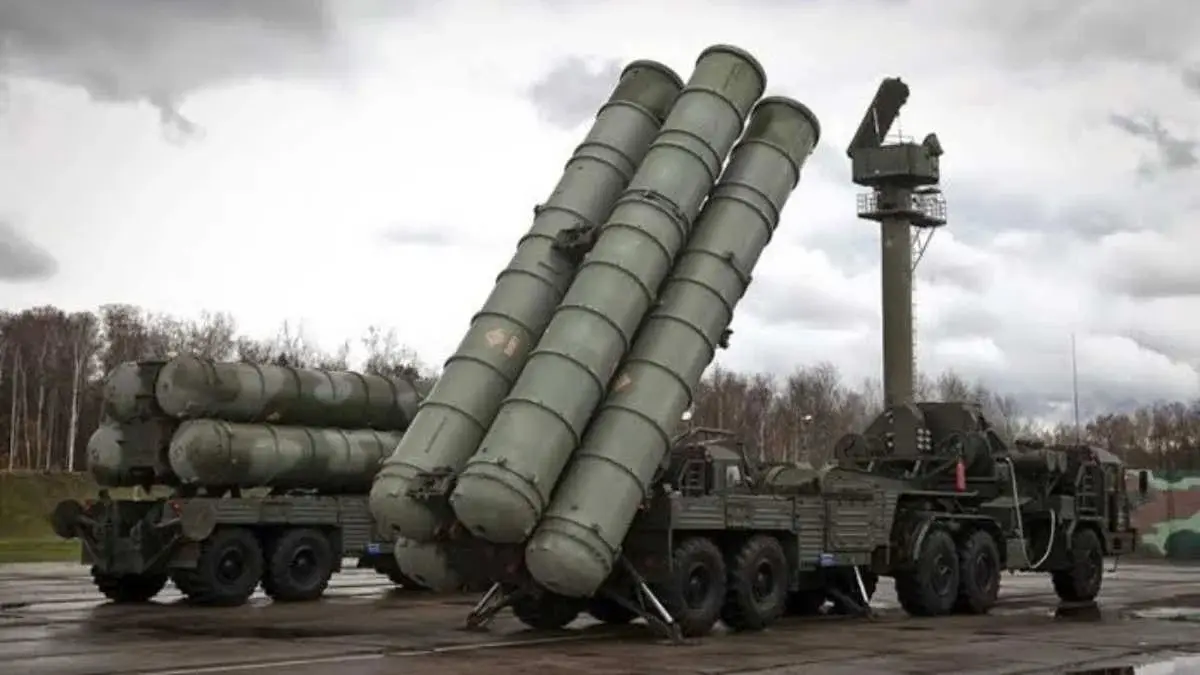
The stealth advantage
Because of its extremely low radar cross-section, the F-35 limits the S-400's ability to secure a weapons lock until the jet is within 20 to 30 miles. This drastically reduces the missile system's effective engagement window.
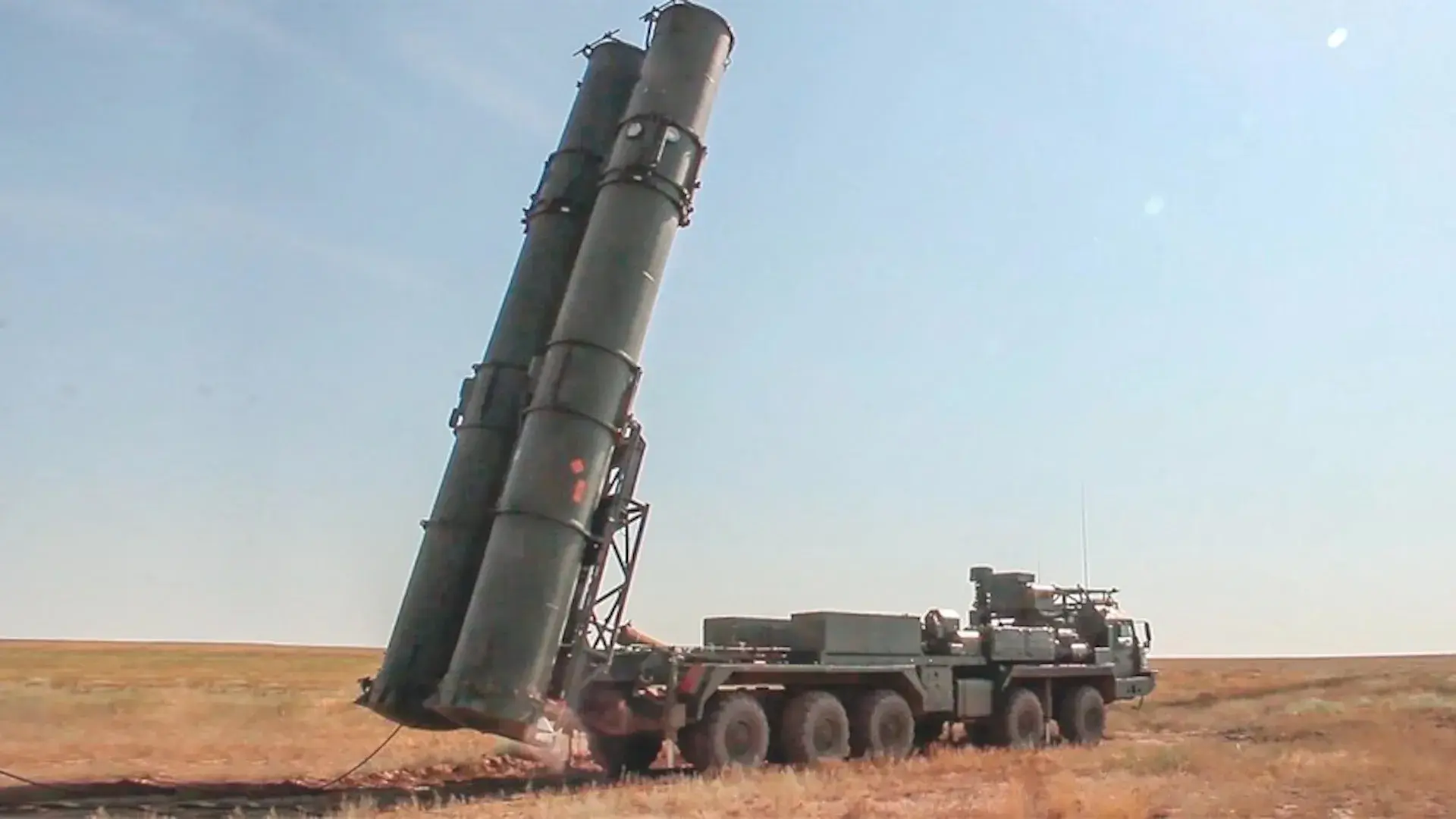
Striking before detection
This short lock-on range gives the F-35 a significant tactical advantage. The aircraft can launch AGM-88 High-Speed Anti-Radiation Missiles from 60 miles away, successfully destroying the S-400 radar before it can fire.
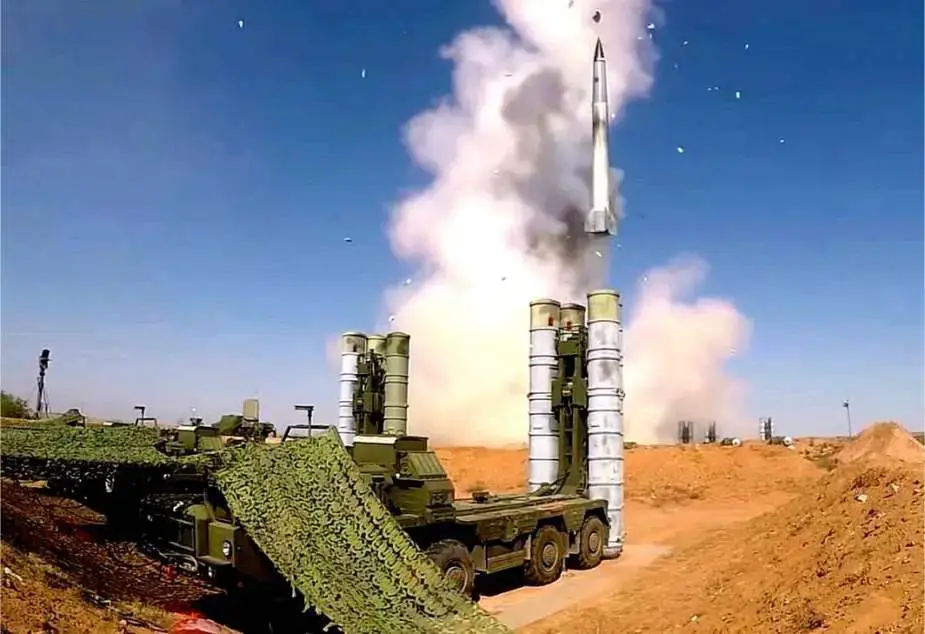
The intelligence threat
Despite this advantage, US defence officials remain cautious. In 2019, Undersecretary Ellen Lord warned that operating F-35s near S-400s over time could allow Russian systems to study and map the jet's classified stealth profile.
Using radar reflectors
To protect their stealth signatures during routine patrols near Russian air defences, F-35s frequently equip Luneberg reflectors. These small devices intentionally increase the jet's radar footprint, hiding its true stealth capabilities from adversaries.
)
)
)
)
)