Opinion: Why Gandhiji did not get the Nobel Prize


Mahatma Gandhi
Colonial politics of the time, particularly the prejudice of the Nobel Committee and its lack of understanding of the many contradiction of Gandhi's political career robbed Mahatma Gandhi of Nobel Peace Prize.
On January 30th, 1948, Gandhiji was killed. This year marks his 70th death anniversary. Twice every year, on Gandhi's birthday on 2nd October and his death anniversary on 30 January, the country remembers the 'Father of the Nation'. Both these dates are celebrated amidst much fanfare; there are seminars and conferences across the country. Long lectures abound. Intellectuals and politicians prepare notes of their speeches based on Gandhi's ideas.
But, sadly, soon with the end of these occasions, Gandhi's ideas are put into the freezer.
India respects Gandhi but ignores his message

Gandhiji's unifying role in bringing together a country as diverse as India is beyond question. However, his contribution has been largely forgotten by the state and the society. This collective amnesia is best proven in instances where government employees, unhesitatingly, take bribes in front of the framed pictures of Mahatma Gandhi which adorns almost all government offices of India.
The blood of the common men of India fills up the pocket of these corrupt officials. They lie, prepare incorrect reports and fool the citizens of the nation.
Possibly, all the major crossings of the country have a statue of Gandhiji. But that does not deter anyone from committing some of the heinous crimes on the roads and streets of India.
&imwidth=180&imheight=135&format=webp&quality=medium)
US vs China over South China Sea: Washington backs Philippines, Beijing hits back
&imwidth=180&imheight=135&format=webp&quality=medium)
Bigg Boss 20: Isha Rikhi evicted after three weeks in Salman Khan’s show
&imwidth=180&imheight=135&format=webp&quality=medium)
Musk plans to more than double xAI's chips to over 1.2 million Nvidia GPUs by year-end
&imwidth=180&imheight=135&format=webp&quality=medium)
After JU, clash erupts at SRFTI: BJP’s ‘Dimagi Naxal’ jibe sparks political firestorm after students protest RSS-linked event
&imwidth=180&imheight=135&format=webp&quality=medium)
‘Anti-social elements spreading false rumours’: LPU issues statement amid massive unrest over alleged rape
&imwidth=180&imheight=135&format=webp&quality=medium)
LPU students go on rampage, vandalise campus amid widespread protest: What's happening
&imwidth=180&imheight=135&format=webp&quality=medium)
Trump asked Xi to pressure Iran. China did not say yes — here’s what Beijing wants
&imwidth=180&imheight=135&format=webp&quality=medium)
US Treasury Secretary Scott Bessent hails global crackdown on Iranian banks and airlines
&imwidth=180&imheight=135&format=webp&quality=medium)
An OpenAI agent escaped its locked test cage again, by hiding questions in DNS lookups
&imwidth=180&imheight=135&format=webp&quality=medium)
'Our video was trimmed': LPU girls who featured in rape-denial video make U-turn
&imwidth=180&imheight=135&format=webp&quality=medium)
3 males killed, four others injured in shooting after fight at strip club in Detroit
&imwidth=180&imheight=135&format=webp&quality=medium)
'Victory for low-budget consumers': Raghav Chadha hails 30-day telecom recharge rules
&imwidth=180&imheight=135&format=webp&quality=medium)
Claude rebuilt the 1989 game 'Prince of Persia' by reusing the original's own code
&imwidth=180&imheight=135&format=webp&quality=medium)
Beyond metros: How Tier-2 and Tier-3 cities could drive India’s next AI wave
&imwidth=180&imheight=135&format=webp&quality=medium)
Tesla builds first Cybertruck with its own refined lithium: Elon Musk's $1 billion Texas bet pays off
&imwidth=180&imheight=135&format=webp&quality=medium)
IndiGo flight suffers tail strike in Bengaluru while landing; DGCA to probe incident
&imwidth=180&imheight=135&format=webp&quality=medium)
The US and China set up an AI 'red telephone', but skipped the rulebook
&imwidth=180&imheight=135&format=webp&quality=medium)
‘Terror suspects arrested near UK air base were looking to do big damage’: Trump
&imwidth=180&imheight=135&format=webp&quality=medium)
Russian envoy claims US tactics to contain India were revealed in ‘Freudian slip’
&imwidth=180&imheight=135&format=webp&quality=medium)
IND vs WI 1st ODI: Kohli breaks Sachin's most runs in one country record with unbeaten 139 as India thump West Indies by 8 wickets
&imwidth=180&imheight=135&format=webp&quality=medium)
Researchers rebuilt exactly how 700 AI agents hacked Hugging Face: a 900-link chain trick
&imwidth=180&imheight=135&format=webp&quality=medium)
‘Olympic inclusion is our major target’: WPA President Ishaun Singh on pool’s global ambitions
&imwidth=180&imheight=135&format=webp&quality=medium)
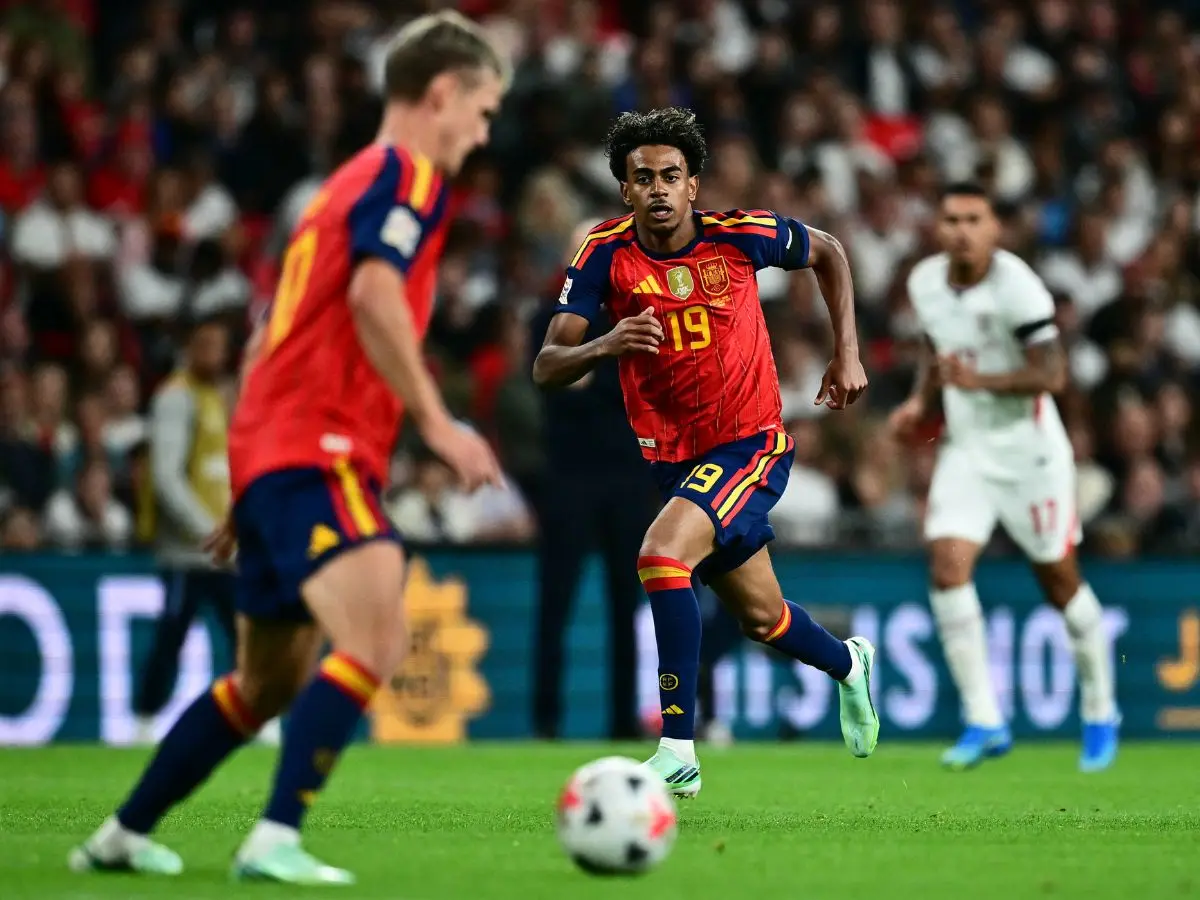
Nations League: Spain sink England at Wembley; Modric shines for Croatia
&imwidth=180&imheight=135&format=webp&quality=medium)
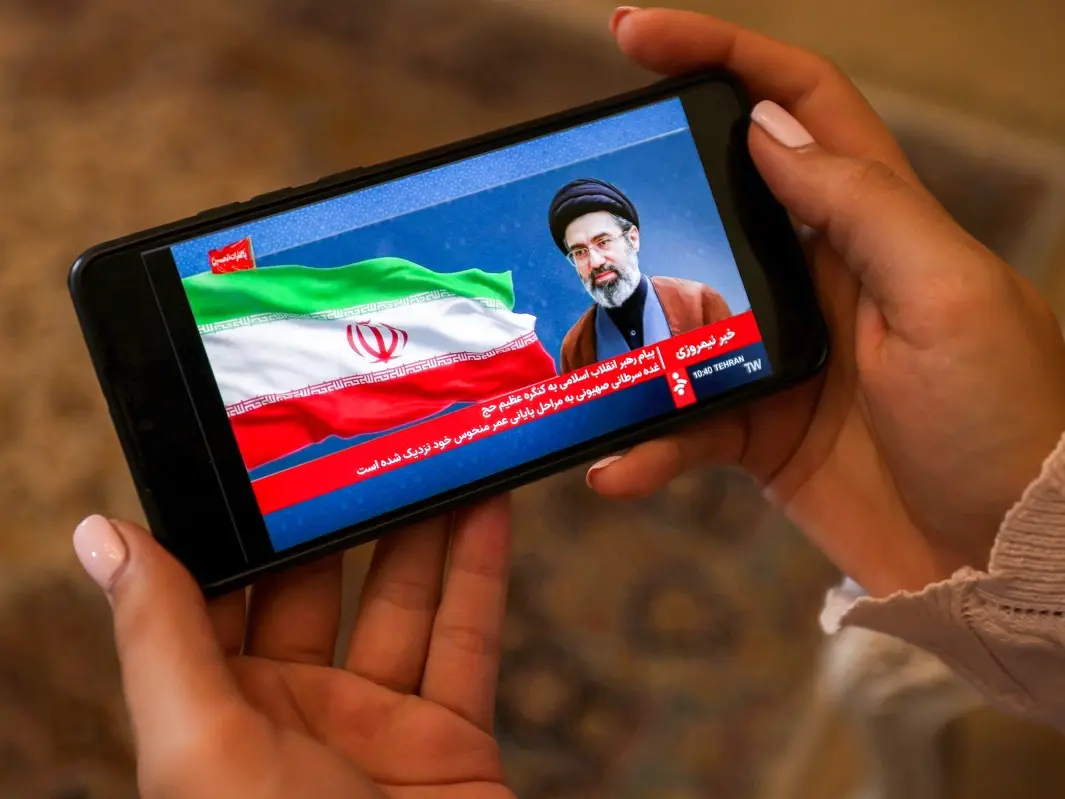
Why has Iran released no proof of life of Mojtaba Khamenei? Araghchi reveals...
&imwidth=180&imheight=135&format=webp&quality=medium)
'What kind of confession is this?': Pakistan PM Shehbaz Sharif’s 'terrorists would be roaming New York' remark goes viral, raises alarm online. Watch
&imwidth=180&imheight=135&format=webp&quality=medium)
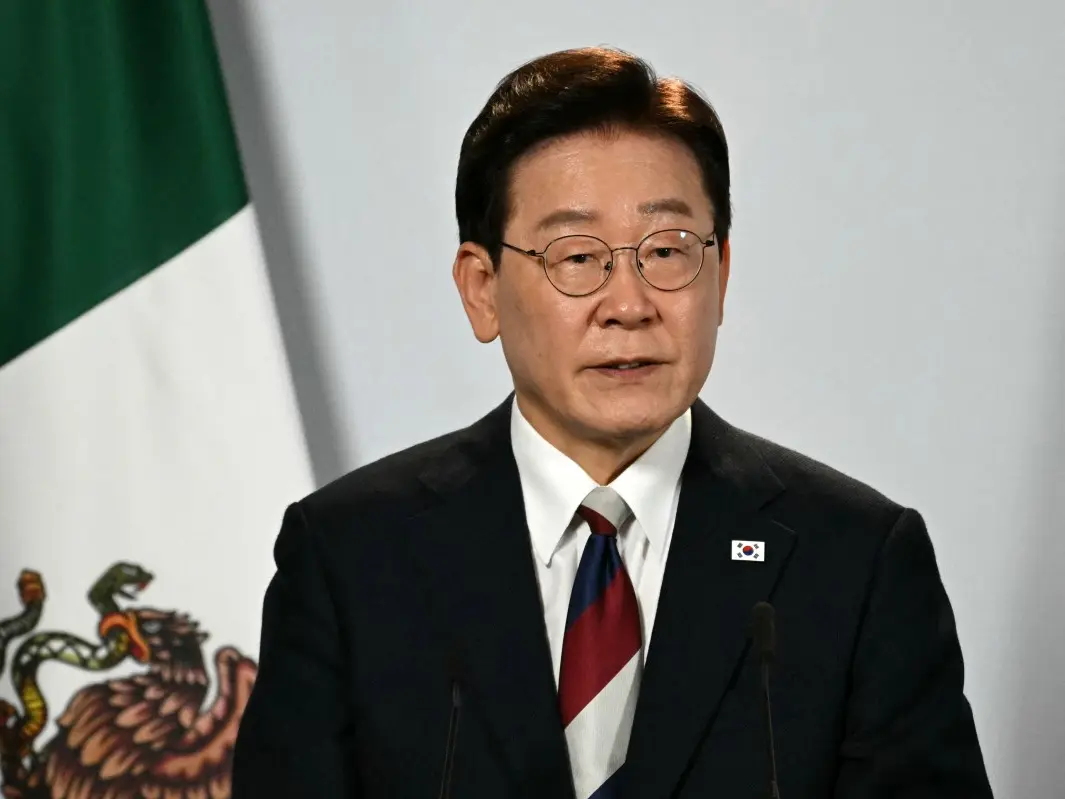
South Korea demands apology from Ukraine over North Korean prisoners' transfer
&imwidth=180&imheight=135&format=webp&quality=medium)
Beyond BrahMos: India targets Rs 50,000 crore in defence exports with unmatched price edge
&imwidth=180&imheight=135&format=webp&quality=medium)
Sri Lankan Tamil migrant worker gets death sentence in Saudi Arabia, help sought from India
&imwidth=180&imheight=135&format=webp&quality=medium)
Muslim marriage cannot shield sex with minor wife from prosecution under POCSO: Delhi HC
&imwidth=180&imheight=135&format=webp&quality=medium)
'Can't help but draw painful parallels to Nirbhaya case': SC on latest incidents of rape cases in Delhi-NCR
&imwidth=180&imheight=135&format=webp&quality=medium)
99.9% more powerful - Scientists find boy who can recall memories from just 3 months of age
&imwidth=180&imheight=135&format=webp&quality=medium)
'FIRST LOOK from inside Noah’s Ark': Researchers share video from inside mysterious mound in Turkey
&imwidth=180&imheight=135&format=webp&quality=medium)
UNSC reform momentum grows: Russia, Portugal, Mauritius push for India's permanent seat bid
&imwidth=180&imheight=135&format=webp&quality=medium)
8 US marines injured in Iranian missile attack on vessel in Strait of Hormuz: Report
&im=FitAndFill=(700,400)&imwidth=180&imheight=135&format=webp&quality=medium)
New OTT releases this week (September 28-October 4, 2026): Dupahiya 2, Pooja Meri Jaan, Ohh My Dog- 5 titles coming on Netflix, Prime Video and more
&imwidth=180&imheight=135&format=webp&quality=medium)
Afghanistan says 28 fighters killed in clash near Pakistan border, Islamabad denies
&imwidth=180&imheight=135&format=webp&quality=medium)
Ceuta migrant crisis: Protesters take to streets as Spain grapples with migrant challenge
&imwidth=180&imheight=135&format=webp&quality=medium)
LPU suspend classes, postpones exams as violence escalates over rape claims: What's happening
&imwidth=180&imheight=135&format=webp&quality=medium)
New York City wants a 'kill switch' on every AI, and will pay whistleblowers who report violations
Gandhi said, see no evil, speak no evil and don't listen to evil. However, we have learned not to pay heed to the most basic tenets of Gandhi's teachings. We continue, unhindered, to witness, speak and listen to evil.
The civil society stands in full support whenever it feels the freedom of expression is threatened but no one is willing to take responsibility for expressing the ideas concerned.
Gandhi's global influence
In the history of human civilisation, Gandhi is unique for devising an unprecedented strategy of protest. He proved that one can oppose a powerful and oppressive regime without shedding a drop of blood. Without hurting anyone physically, through the most peaceful of means, one can bring about a change.
Gandhi's ideas of non-violence and non-cooperation were an inspiration to the rest of the world. The human rights activist Martin Luther King who fought civil rights of the African-Americans took his political and ideological lessons from Gandhi.
Similarly, South Africa's Nelson Mandela infused his politics with Gandhi's ideas and action plans.
It is undeniable, how 70 years after his death, Gandhi continues to be relevant to the rest of the world.
Barack Obama, the former US president, acknowledged Gandhi's influence on him. We will hardly find a political leader in India who ends his speech without mentioning or quoting Gandhi. Not to mention, one political family in India who retained power through decades using their 'Gandhi' surname.
Notwithstanding the profound influence that Gandhi had across space and time, he did not receive the Nobel prize. Perhaps, Gandhi was bigger than the prize. But another question crops up whether there was a secret agenda that denied Gandhi of the Nobel Peace Prize. After all, the politics surrounding the Nobel Prize is pretty well known to anyone who cares to explore.
Why did Gandhi not get the Nobel Peace Prize?
Now, the committee responsible for awarding the Nobel prize regrets that they did not give Gandhi the award when he was alive and fighting for India's freedom against a mighty opponent. What people, generally, think is that Norway's Nobel Prize Committee did not want to upset the Britishers who were India's colonial master.
But in reality, appeasement was not the only reason.
Gandhi was nominated 5 times for the Nobel prize: in 1937, 1938, 1939, 1947 and in 1948.
In the first instance, a member of Norway's Parliament proposed Gandhi's name but it was overlooked by the committee.
Our research revealed a letter written by Prof. Jacob Worm-Muller who served as a consultant advisor to the committee. Reading the letter makes it very clear that Worm-Muller praised Gandhi but he also mentioned that he can not trust the latter's personality.
"He is undoubtedly a good, noble and ascetic person — a prominent man who is deservedly honored and loved by the masses of India. But there are sharp turns in his policies, which can hardly be satisfactorily explained by his followers. He is a freedom fighter and a dictator, an idealist and a nationalist. He is frequently a Christ, but then, suddenly, an ordinary politician"
Jacob Muller presented his thought in the year 1937 in front of the Committee. There were a lot of people at that time who were unable to understand Gandhi's ideology. Because, on the one hand, he was living a life of a saint, on the other hand, he was a lawyer. Gandhi while speaking about truth, non-violence and morality, was also fully aware of the working of the colonial machinery. This knowledge of the colonial system enabled Mahatma to counter the colonial rule like a seasoned politician. This is what the Nobel Committee, perhaps, found confusing. Is Gandhi a saint or a politician.
Prof. Muller also wrote that Gandhi was not completely non-violent. Muller said that Gandhi's nationalism is limited to the Indians. Even in South Africa, Gandhi's action was limited to the Indian communities living there.
What Prof. Muller mentioned about Gandhiji was unfortunate as Nelson Mandela and Martin Luther King got the Nobel prize. And they were themselves a follower of Gandhi. It is very surprising that those who were inspired by Gandhi got the Nobel prize, but Gandhi did not.
Though Gandhi never expected any prize as an acknowledgment for his work.
After 1937, Gandhi was nominated in 1938 and 1939, but his name was not even shortlisted.
In 1947, it was expected that Gandhi will receive the Nobel but again the committee did not consider him.
It was happening because there were many powerful forces that were influencing the decisions of the Nobel Committee and there were some international media houses too behind this who acted against Gandhi's nomination.
Jens Arup Seip, the advisor of Nobel Prize Committee, supported Gandhi's case in 1947 but even then he did not receive the prize.
Seip's report gives a detailed account of the events that happened during 1937 to 1947. In 1947, Gandhiji was one among other 6 listed candidates but over Gandhi's name, there was a huge conflict among the jury members.
During that time, Gandhiji said in a rally that, "If such practice would continue that India might declare war against Pakistan"
This report was published in Britain's newspaper "The Times" which went against Gandhi. Consequently, 3 of 5 jury members voted against him and Gandhi did not receive the Nobel Prize.
While the Nobel Committee kept itself busy trying to find violence in the non-violent politics of Mahatma, it did not hesitate to award the Nobel Peace Prize to Theodore Roosevelt. Roosevelt, a US president, had been a career soldier. He had participated in several wars but Nobel Committee chose to forget all that and focused only on Roosevelt's effort to stop the war between Russia and Japan in 1905.
In the year 1948, Gandhiji had a huge chance of winning the Nobel prize but 2 days before the announcement, Gandhi was assassinated. There had been no tradition of posthumous awarding of Nobel prize. Even then there was a buzz that Gandhi might be the first one to receive it after death but in absence of a trust or organisation which could have taken the prize in Gandhi's absence, the idea was aborted.
That year the Nobel Peace Prize was awarded to no one. On Gandhi's 70th death anniversary, the Nobel Committee paid its tribute to Gandhi, stating "That year, the Nobel Committee decided to make no award on the grounds that "there was no suitable living candidate". This definitely implies that Gandhi was the chosen candidate in 1948 and death robbed him of that honour.
In 1989, while awarding Dalai Lama of the Nobel Peace Prize, the Committee openly admitted that it was a mistake not to award Gandhiji.
Gandhiji, history has proven, does not need the Nobel Prize to exercise his influence across the world. But the Nobel Committee needs Gandhiji to enhance its stature. If the Nobel Committee wants, it can rectify its past mistake easily. Even new laws can be brought about to honour a great man like Gandhiji. Perhaps, it is about time that the Nobel Committee considers Mahatma Gandhi as the first posthumous awardee of the Nobel Prize.
(Disclaimer: The opinions expressed above are the personal views of the author and do not reflect the views of ZMCL)