Mumbai pushes for 10-month rollout of AI-driven pod taxi in BKC

&imwidth=600&imheight=450&format=webp&quality=medium "Mumbai pushes for 10-month rollout of AI-driven pod taxi in BKC")
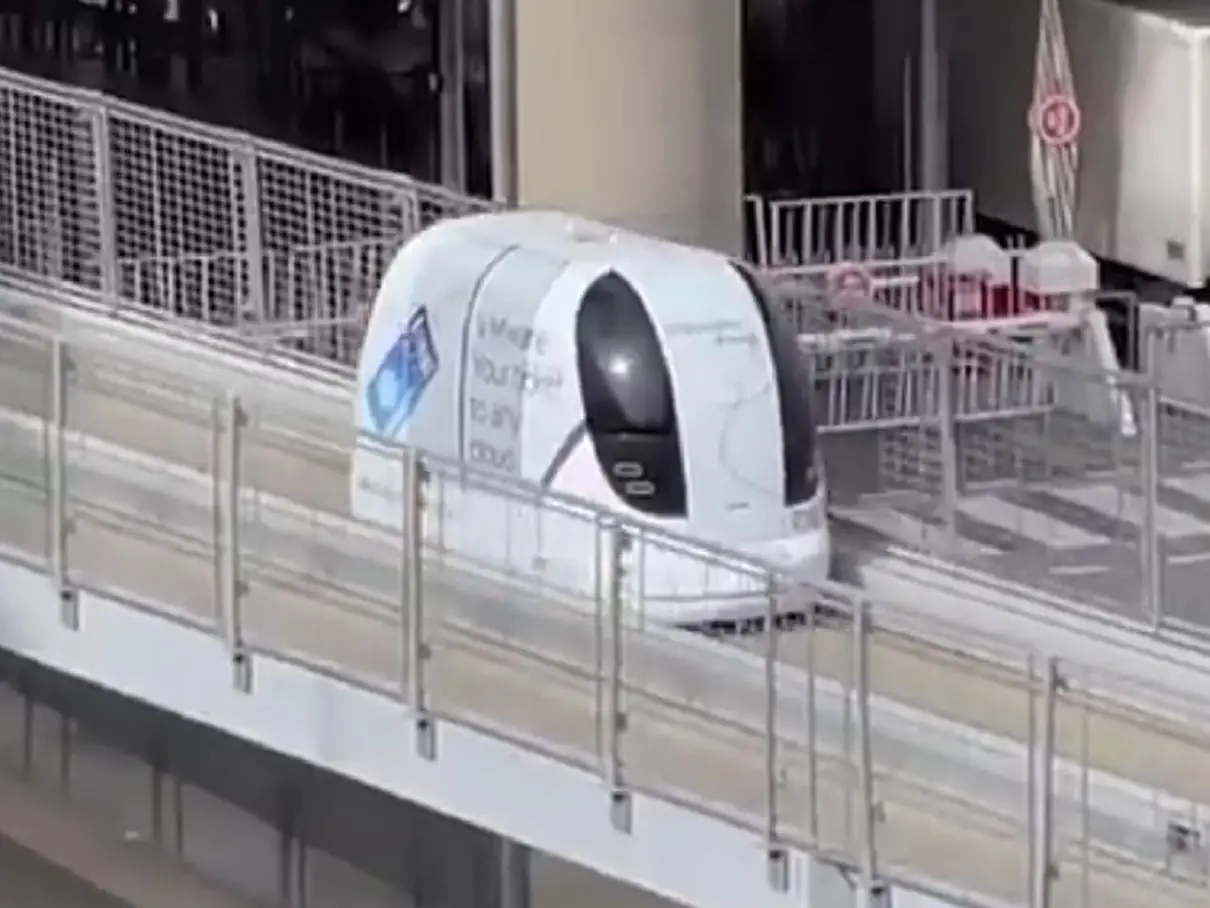
The pod taxis will be driverless, battery-operated, and powered by artificial intelligence Photograph: (X)
The pod taxi network will be integrated with major metro lines, including Metro Line 3 and Line 2B, creating a seamless multi-modal transport ecosystem for daily commuters. The larger plan envisions expanding the network to 8.85 kilometres with a total of 22 stations.
Mumbai: Mumbai is set to enter a new era of urban mobility, with the foundation stone laid for India’s first AI-driven pod taxi project in the city’s Bandra-Kurla Complex (BKC).
The initiative aims to tackle congestion and improve last-mile connectivity in one of the country’s busiest commercial hubs.
The project is being spearheaded by the Mumbai Metropolitan Region Development Authority (MMRDA) and is designed as a fully automated, eco-friendly transport system.
The pod taxis will be driverless, battery-operated, and powered by artificial intelligence, making them a sustainable alternative to traditional modes of transport.
Each pod is expected to accommodate up to six passengers and operate at speeds of up to 40 kmph. With pods arriving at intervals as short as 15 seconds, the system promises minimal waiting time for commuters.
A key feature of the service is its on-demand model—pods will halt only at stations selected by passengers, bypassing others to ensure faster and more efficient travel.
Trending Stories
)
)
)
)
)
)
)
)
)
)
)
)
)
)
)
)
)
)
&im=FitAndFill=(700,400))
)
)
)
&im=FitAndFill=(700,400))
)
&im=FitAndFill=(700,400))
&im=FitAndFill=(700,400))
)
In its first phase, the project will cover a 3.36-kilometre stretch connecting Kurla to Bandra East, passing through key junctions such as LBS Marg and Kalanagar.
The first phase is expected to be completed in the next ten months.
The larger plan envisions expanding the network to 8.85 kilometres with a total of 22 stations, significantly enhancing connectivity across the BKC area.
The pod taxi network will also be integrated with major metro lines, including Metro Line 3 and Line 2B, creating a seamless multi-modal transport ecosystem for daily commuters.
Officials estimate that by 2031, the system could serve over one lakh passengers easing traffic congestion and reducing travel time within BKC. The project will be developed under a public-private partnership (PPP) model, ensuring that there is no direct financial burden on the state government.
Speaking on the development, Maharashtra Chief Minister Devendra Fadnavis described the project as a “game-changer” for Mumbai, stating that it places the city on the global map of next-generation, smart transport solutions.