India reopens Kabul embassy, restores full diplomatic ties with Taliban-led Afghanistan - What this means

&imwidth=600&imheight=450&format=webp&quality=medium "India reopens Kabul embassy, restores full diplomatic ties with Taliban-led Afghanistan - What this means")
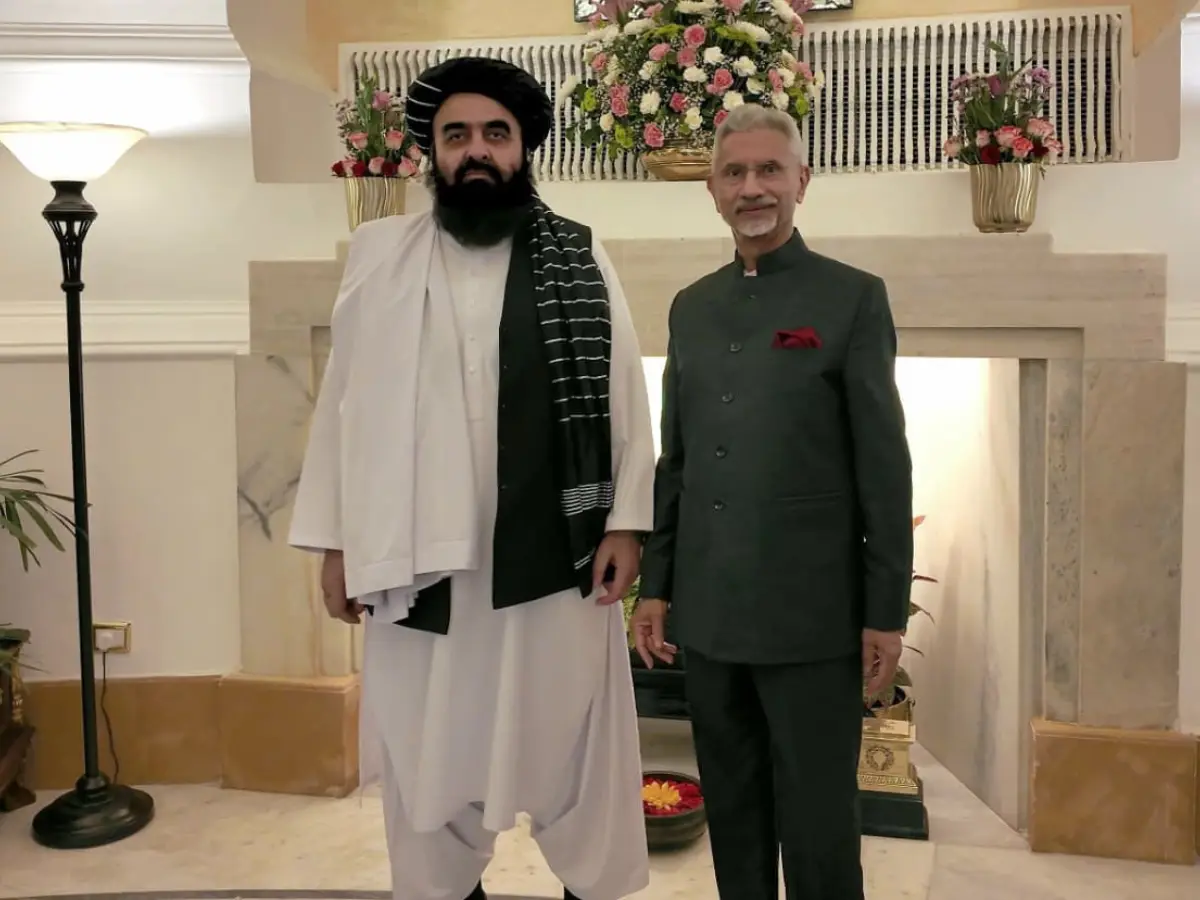
Indian Foreign minister S Jaishankar with Afghanistan’s Foreign Minister Amir Khan Muttaqi Photograph: (MEA/X)
India announced the upgrade of its Kabul technical mission to a full embassy during Afghan FM Amir Khan Muttaqi's visit, officially restoring diplomatic ties with Taliban-led Afghanistan. This marks the first high-level India-Afghanistan engagement since the 2021 Taliban takeover.
Indian External Affairs Minister S Jaishankar during a bilateral meeting with visiting Afghanistan Foreign Minister Amir Khan Muttaqi on Friday (Oct 10) announced that India will upgrade its technical mission in the Afghanistan capital Kabul to an embassy. India had closed its embassy as well as consulates in Afghanistan in August 2021, after the Taliban took control of the government. With this, India is officially restoring diplomatic ties with Taliban-led Afghanistan government. Muttaqi's visit is being watched closely by the world at large as it is the first high-level diplomatic engagement between the India and Afghanistan since the Taliban took power in 2021 after the withdrawal of US troops.
What is the significance of India's decision?
India’s decision to reopen its embassy in Kabul marks a renewed diplomatic engagement with the Taliban-led administration, reversing its 2021 withdrawal of diplomatic staff and closure of missions. This move strengthens India’s involvement in Afghanistan’s future, positioning it to play a more active role in rebuilding efforts, humanitarian outreach, and infrastructure support. The restored diplomatic presence opens a clear path for bilateral discussions on critical security issues like border management, anti-terrorism cooperation, and regional safety.
Strategically, this development enhances India’s influence in the region, particularly in counterbalance to rivals like China and Pakistan, as the future of Afghanistan continues to evolve. Though the reopening does not signify official recognition of the Taliban regime, it signals a shift toward a more pragmatic approach in India’s foreign policy—focusing on engagement over isolation.
However, the decision could spark international and domestic scrutiny due to the Taliban’s track record on human rights, particularly its treatment of women and minorities. Additionally, resuming full operations in Kabul enables India to protect its past investments and potentially restart infrastructure and aid projects that had been halted since the Taliban takeover.
)
)
)
)
)
)
)
)
)
)
)
)
)
)
)
)
)
)
&im=FitAndFill=(700,400))
)
)
)
&im=FitAndFill=(700,400))
)
&im=FitAndFill=(700,400))
&im=FitAndFill=(700,400))
)

