India-Pak ceasefire: What weapons did India, Pakistan use in four-day cross-border firing

Foreign Secretary Vikram Misri confirmed the ceasefire violations by Pakistan and urged Islamabad to take appropriate steps over the same. India news
After four days of intense exchange of drones and missiles, India and Pakistan agreed to immediately ceasefire across land, sea, and air on Saturday (May 10).
However, hours after the ceasefire was announced, Pakistan violated it, sending multiple drones over Jammu and Kashmir. Blackouts were imposed in several bordering cities after loud explosions were heard in J&K as India’s air defence system opened back up to intercept enemy drones.
Also read | India-Pak ceasefire | It took just 3 hours for Pakistan to breach an understanding: Can it be ever trusted?
Foreign Secretary Vikram Misri confirmed the ceasefire violations by Pakistan and urged Islamabad to take appropriate steps over the same.
Earlier on May 9, Prime Minister Narendra Modi, during talks with US Vice President JD Vance, over the de-escalation agreement with Pakistan said India will give a “devastating” reply to Islamabad if they do anything, said sources on Operation Sindoor.
Trending Stories
)
)
)
)
)
)
)
)
)
)
)
)
)
)
)
&im=FitAndFill=(700,400))
)
)
)
)
)
)
)
)
)
&im=FitAndFill=(700,400))
)
)
)
)
)
)
)
)
)
)
)
“If Pakistani do anything, they will get response, more devasting than anything,” said PM Modi to Vance, according to the sources.
During the four-day fight, both nations used a range of weapons.
Also read | India-Pak ceasefire | 'Pakistan will get devastating response if they do anything': PM Modi told JD Vance
Weapons used by India
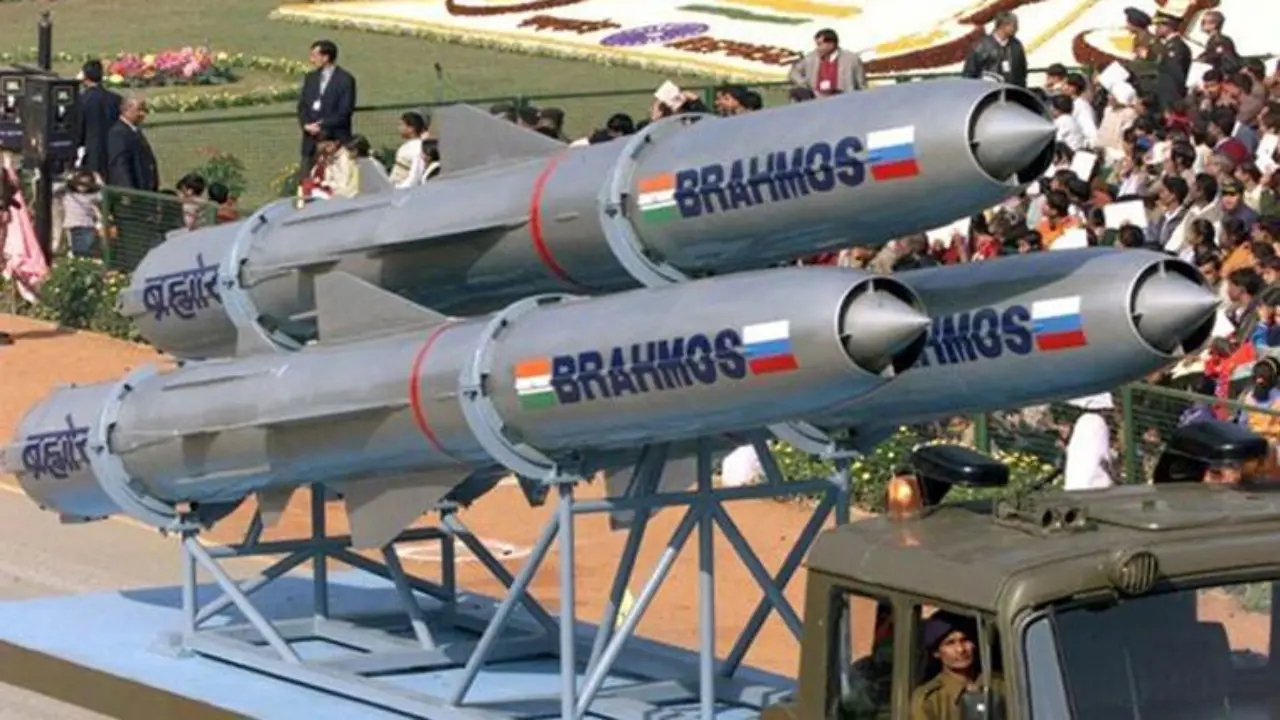
India used a variety of advanced air defence systems and missiles to defend itself from Pakistani drones and missiles. It included:
- BrahMos supersonic cruise missiles
- S-400 air defence systems
- Akash surface-to-air missiles
- Sensor-equipped kamikaze drones
- Scalp cruise missiles
- Barak 8 defences
- Anti-drone technologies
- Rafale fighter jets
- Hammer smart weapons
Also read | India-Pak Ceasefire: Pakistan pleaded for understanding after suffering 'catastrophic losses,' says BJP
Weapons used by Pakistan
Pakistan attempted to target multiple locations in Jammu and Kashmir and the bordering part of India but failed as Indian defence systems took down most of them. Its weaponry included:
- Turkish-armed drones
- JF-17 fighter jets
- Chinese-made PL-15 beyond visual range air-to-air missiles
Watch | India-Pakistan ceasefire: UN says ceasefire a positive step in ending current hostilities

