Baloch rebels launch female combat unit, 9 Pak army soldiers killed | Gravitas

&imwidth=600&imheight=450&format=webp&quality=medium "Baloch rebels launch female combat unit, 9 Pak army soldiers killed | Gravitas")
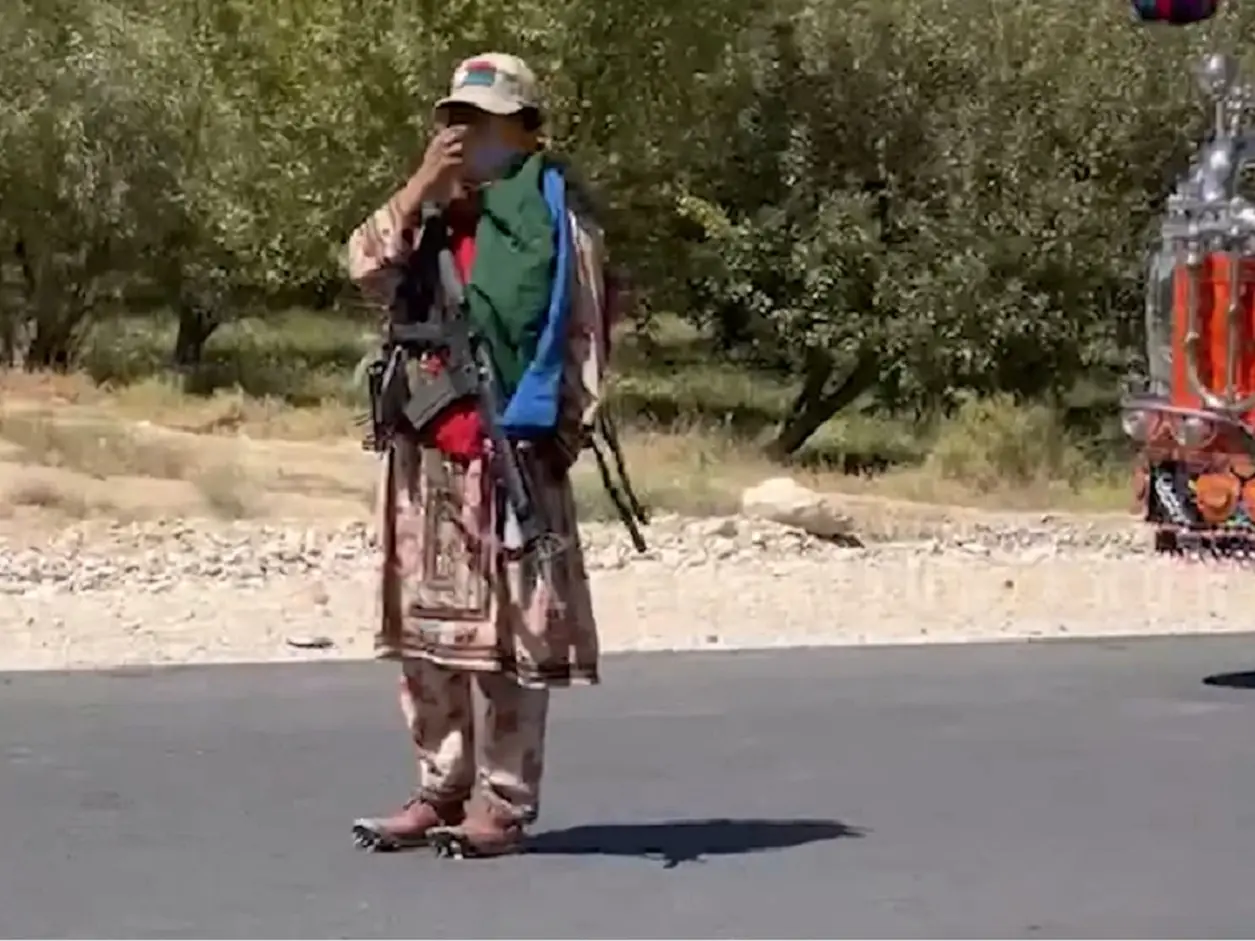
The Balochistan Liberation Front has launched its female combat unit called Karima Armed Assault Division or KAAD.
In February this year, the Balochistan Liberation Army released photos of two female suicide attackers—Hawa Baloch and Asifa Mengal. BLA said Baloch was killed while fighting in Gwadar, whereas Mengal stormed the ISI headquarters in Nushki before detonating herself.
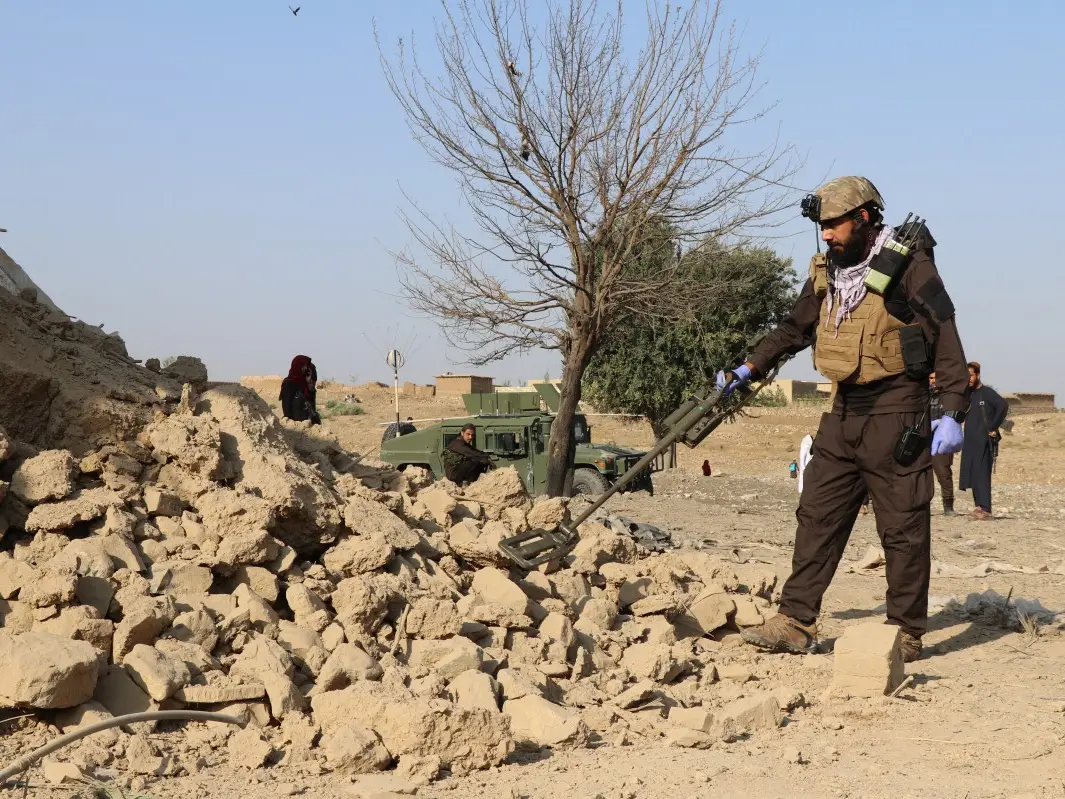
At a time when Pakistan has escalated its war against Afghanistan, Asim Munir's forces are struggling to deal with the situation in its own backyard.
Balochistan continues to be on the boil.
Baloch women have now taken up weapons, even as Pakistan has vowed to crush the insurgency with an iron fist.
The Balochistan Liberation Front has launched its female combat unit called Karima Armed Assault Division or KAAD.
Fighters belonging to this unit are seen marching and firing weapons at targets.
According to BLF, this unit carried out its first operation on September 22 when it ambushed a Pak military convoy on the CPEC highway in Turbat.
Trending Stories
)
)
)
)
)
)
)
)
)
)
)
)
)
)
)
)
)
)
)
)
)
)
)
)
)
)
)
)
)
)
)
)
)
)
&im=FitAndFill=(700,400))
)
)
)
)
The group added that its KAAD fighters also established blockades on the Quetta-Karachi highway in Kalat and attacked Munir's forces.
Overall, BLF claimed responsibility for the deaths of nine Pakistani military personnel, and destruction of military vehicles.
However, Pakistan is yet to react to this claim.
According to BLF, this unit is named after prominent political activist Karima Baloch, who headed the Baloch Students Organisation-Azad.
While living in exile, she was found dead under mysterious circumstances in Toronto in December 2020.
The unit seeks to challenge Pakistan's colonial domination in Balochistan as well as the patriarchal structures within Baloch society.
Now, this is not the first time Baloch women have been at the frontline of the struggle against the Pakistani army.
In February this year, Balochistan Liberation Army released photos of two female suicide attackers—Hawa Baloch and Asifa Mengal.
According to BLA, Baloch was killed while fighting in Gwadar, whereas Mengal stormed the ISI headquarters in Nushki before detonating herself.
What stood out was both of them were well-educated.
Last week, the Pakistani army claimed to have killed 73 terrorists in a 96-hour period across various parts of Balochistan, including Quetta, Ziarat and Noshki.
However, Munir's forces are unable to contain the growing attacks by Baloch rebels, who have staged a number of attacks this year.
In July, gunmen killed nine police officers in an attack on a checkpost at the Mangi Dam Project in Balochistan.
Earlier in May, over 30 people were killed after a suicide bomber rammed an explosive-laden car into a train in Quetta, which was carrying Pakistani security personnel and their families.
This is not all.
Pakistan has also suppressed dissent by jailing prominent human rights activists like Mahrang Baloch.
Now, by portraying its female members as highly educated and politically conscious, Baloch rebels are making it clear that the insurgency is not just an armed rebellion, but an intellectual movement that can transcend sectarian divisions.
With the South Asia Terrorism Portal reporting over 552 incidents of killing in Balochistan this year, a key question arises.
As Pakistan faces pressure from Saudi to join the war against Houthis, can it even afford to do so when it is unable to deal with the deteriorating security situation in Balochistan as well as Khyber Pakhtunkhwa?
It is apparent that Munir faces an uphill task...