Post-Traumatic Stress Disorder: Psychologist reveals how your body and brain change after trauma


Post-Traumatic Stress Disorder
PTSD, or Post-Traumatic Stress Disorder, can have significant effects on the brain. It involves alterations in various brain regions and neural networks that are responsible for memory, emotion regulation, and stress response.
Here is a more detailed explanation of how PTSD affects different parts of the brain:
Amygdala: The amygdala is a key brain structure involved in emotional processing and the formation of fear responses. In individuals with PTSD, the amygdala tends to be hyperactive or over-responsive. This heightened activation leads to an exaggerated fear response, hypervigilance, and the formation of traumatic memories. The amygdala's hyperactivity can also contribute to the feeling of constantly being on edge.

Hippocampus: The hippocampus is responsible for memory formation and consolidation. In individuals with PTSD, the hippocampus may exhibit reduced volume and impaired function. This can result in difficulties in accurately encoding and retrieving memories related to the traumatic event. The hippocampal abnormalities contribute to the intrusive memories, flashbacks, and fragmented recollections often experienced by individuals with PTSD.
Prefrontal Cortex: The prefrontal cortex, plays a crucial role in emotion regulation, executive functions, and cognitive processing. In PTSD, there is often reduced activity and connectivity within these regions. This leads to difficulties in regulating emotions, impaired decision-making, and impaired working memory. The decreased prefrontal cortical activity contributes to the heightened emotional reactivity and difficulty in suppressing fear responses seen in individuals with PTSD.
Hypothalamic-Pituitary-Adrenal (HPA) Axis: The HPA axis is responsible for regulating the body's response to stress. In individuals with PTSD, there is often dysregulation of the HPA axis. This results in abnormal cortisol levels and an exaggerated stress response.
)
Oxford United's new clothing line featured 'United 93' phase
&im=FitAndFill=(700,400))
‘Not the US or China’: These are the countries leading the world in arable land
)
Pentagon revives mandatory testosterone testing for male troops aged 30 and above
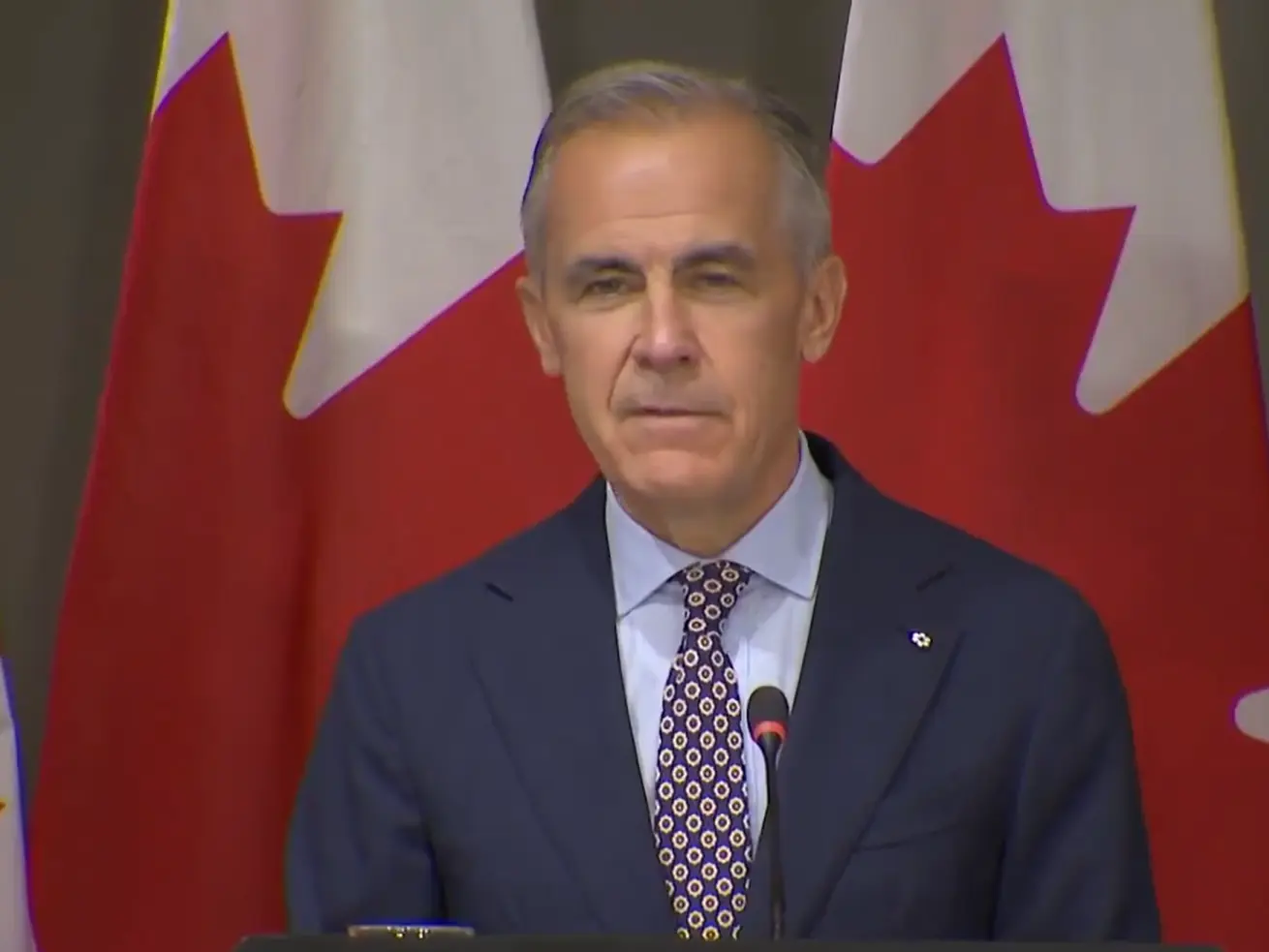)
Mark Carney mimics Trump in hilarious moment over C$70 billion clean-energy investment; room erupts in laughter
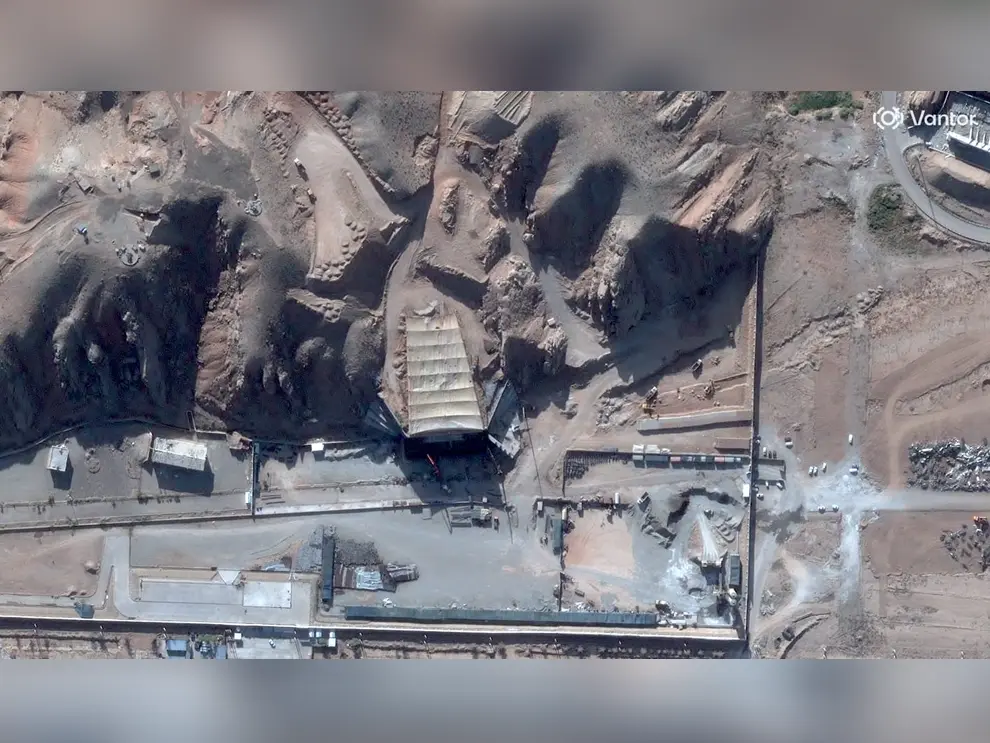)
Iran rebuilding nuclear facilities? New satellite images show Tehran may be rapidly restoring bombed Parchin base
)
It's a girl! Deepika Padukone and Ranveer Singh welcome their second child
)
FACT CHECK: Why did PM Modi ask Xi ‘is it okay’ at BRICS Summit? New video reveals...
)
Putin: European leaders using war rhetoric to save falling ratings
)
China may have gained access to US's classified F-35 jets; parts meant for repairs diverted to Hong Kong, sparking Pentagon inquiry
)
Trump announces ‘AI Force’ as debate grows over AI risks and regulation
)
Arvind Kejriwal, family members, Delhi CM Rekha Gupta get SIR notices
)
Cochin shipyard starts building Indian Navy's next-gen missile vessels
)
Russia extends ban on Western food imports for two more years in extended sanctions countermeasure
)
Brigitte Bardot’s private collection set for Paris auction; key items and prices revealed
)
Why Ranveer Singh’s Dhurandhar missed India’s Oscar entry; FFI jury member reveals what happened
)
How did an Australian river with 500 crocodiles pass the Olympic test? Here's how
)
‘Will go to any extent’: Pakistan vows to defend Saudi Arabia amid Houthi attacks
&im=FitAndFill=(700,400))
Ananya Panday to Sharvari: 5 actresses serving major princess vibes
66 years of the Indus Waters Treaty: How India and Pakistan settled a bitter river dispute
)
The Verdict | When precision fails: US commits war crime in Minab school strike, UN finds
)
Trump signs Russia sanctions bill into law, targets Moscow’s energy sector
Russia attacks Ukraine with 174 drones, kills 8; 2 vessels hit in Black Sea
)
Pak: A series of counter terrorism operations in Khyber Pakhtunkhwa
)
Flying cars in UAE: Ras Al Khaimah signs deal with Chinese company to test new transport
)
Reacher star Alan Ritchson opens up about alleged blackmail, suicide attempt during difficult period
)
Africa is splitting, and a lot sooner than estimated, giving way to a new ocean
)
Ajit Agarkar’s future as chief selector to be decided at right time, says BCCI secretary
)
Trump bans CNN, MS NOW and Politico from White House over ‘FAKE NEWS’
)
Trump 2.0: Dark days ahead for America’s ‘imperial presidency’
&im=FitAndFill=(700,400))
How many F-35s does Britain, Japan and Israel have?
)
Tirupati Laddu ghee adulterated with chemicals, says ED, supplier arrested
)
Trump extends H-1B visa's $100,000 fee until September 2027: What it means for Indians?
)
Russia holds first parliamentary elections since the beginning of the Ukraine war
&im=FitAndFill=(700,400))
Meet top 5 Indian batters with fastest T20I centuries
)
‘System run by six individuals’: Rahul Gandhi targets PM Modi, Amit Shah, NSA Doval
)
)
Neurotransmitters: Various neurotransmitters play a role in regulating mood and stress responses. In PTSD, there are alterations in neurotransmitter systems, including serotonin, norepinephrine, and gamma-aminobutyric acid (GABA). These imbalances can contribute to mood dysregulation, increased anxiety, and hyperarousal symptoms.
It's important to note that these brain alterations in PTSD are complex and interconnected. The hyperactivity of the amygdala, along with the reduced volume and functioning of the hippocampus and prefrontal cortex, contribute to the core symptoms of PTSD, including intrusive memories, emotional dysregulation, hypervigilance, and heightened arousal.
What does PTSD do to a person?
Post-Traumatic Stress Disorder (PTSD) can affect individuals on many different levels
The Physical Effects:
1. Arousal and reactivity: People with PTSD often experience heightened arousal and reactivity to triggers related to their traumatic event. This can manifest as increased heart rate, elevated blood pressure, rapid breathing, and excessive sweating. These physical responses can contribute to feelings of anxiety, hypervigilance, and difficulty sleeping.
2. Sleep disturbances: Sleep problems are common among individuals with PTSD. They may have trouble falling asleep, experience frequent nightmares or disturbing dreams related to the trauma, and have difficulty staying asleep. The lack of restful sleep can lead to fatigue, impaired concentration, and irritability.
3. Chronic pain and physical health issues: PTSD has been associated with various physical health problems, including chronic pain conditions such as headaches, migraines, back pain, and gastrointestinal issues. Additionally, individuals with PTSD may be at a higher risk of developing conditions like cardiovascular disease, autoimmune disorders, and gastrointestinal disorders.
The Neurological Effects:
1. Hypervigilance: People with PTSD often exhibit a state of heightened vigilance, where their brain remains on high alert for potential threats. This constant scanning of the environment can lead to increased activation in brain areas involved in threat detection, such as the amygdala and the insula. Over time, this heightened response can contribute to an overactive stress response system.
2. Hippocampal and prefrontal cortex abnormalities: The hippocampus and prefrontal cortex are brain regions involved in memory processing and emotion regulation. In individuals with PTSD, these areas may show structural and functional changes. The hippocampus may exhibit reduced volume, leading to difficulties in forming and retrieving memories accurately. The prefrontal cortex, responsible for executive functions and emotional regulation, may exhibit decreased activation, contributing to difficulties in regulating emotions and coping with stress.
3. Neurotransmitter imbalances: PTSD has been associated with alterations in neurotransmitter systems, particularly the stress hormone cortisol and neurotransmitters like serotonin and norepinephrine. These imbalances can affect mood regulation, sleep patterns, and the overall functioning of the nervous system.
It's important to note that the impact of PTSD on physical and neurological levels can vary among individuals, and not everyone will experience the same symptoms or effects.
Signs and symptoms you shouldn't ignore
While all symptoms of PTSD should be taken seriously, there are certain signs that may indicate a more severe or dangerous manifestation of the disorder. These signs require immediate attention and intervention.
Here are some of the most dangerous signs and symptoms of PTSD:
1. Suicidal thoughts or behaviours: If an individual expresses thoughts of self-harm or suicide, or exhibits suicidal behaviours, it is critical to seek immediate help. This can include expressing a desire to die, making plans for suicide, or engaging in self-destructive behaviours. If you or someone you know is in immediate danger, contact emergency services or a helpline in your country.
2. Reckless or self-destructive behaviour: Engaging in high-risk activities, such as substance abuse, excessive alcohol consumption, or participating in dangerous behaviours without concern for personal safety, can be indicative of a more severe form of PTSD. These behaviours can put the individual at risk of harm to themselves or others.
3. Extreme social withdrawal: While avoidance of reminders of the trauma is a common symptom of PTSD, extreme social withdrawal or isolation may be a dangerous sign. If an individual becomes completely disconnected from their social support system, avoids contact with loved ones, and displays a complete disinterest in engaging with others, it is crucial to intervene and provide support.
4. Psychotic symptoms: In some cases, PTSD can be accompanied by psychotic symptoms, such as hallucinations (perceiving things that are not there) or delusions (holding false beliefs). These symptoms can significantly impair an individual's ability to distinguish reality from their traumatic experiences and may require immediate psychiatric attention.
5. Severe dissociation or depersonalisation: Dissociation involves feeling detached from oneself, one's surroundings, or experiencing a sense of unreality. Depersonalisation refers to feeling disconnected from one's own body or thoughts. If an individual experiences severe and prolonged episodes of dissociation or depersonalisation, it is essential to seek professional help promptly.
Treatments for PTSD
PTSD is a multifaceted disorder and the treatment and management of PTSD involves a multifaceted approach that addresses the complex nature of the disorder. While there is no definitive "cure" for PTSD, various evidence-based treatments have shown effectiveness in alleviating symptoms and promoting recovery.
Psychotherapies, such as Cognitive Behavioral Therapy (CBT), Eye Movement Desensitization and Reprocessing (EMDR), and Prolonged Exposure Therapy (PE), focus on addressing traumatic memories, modifying distorted beliefs, and developing coping skills.
Medications, such as selective serotonin reuptake inhibitors (SSRIs), may be prescribed to manage associated symptoms like depression or anxiety.
Additionally, self-care practices, social support, and a safe environment are crucial components of the overall treatment plan, fostering resilience and healing for individuals living with PTSD.
(Inputs byMehezabin Dordi, Clinical Psychologist, Sir HN Reliance Foundation Hospital, Mumbai)
WATCH WION LIVE HERE
You can now write for wionews.com and be a part of the community. Share your stories and opinions with us here.