How the S-400 turns the sky into a no-fly zone

The Russian S-400 enforces a strict no-fly zone using A2/AD doctrine. By integrating Nebo-M anti-stealth radars and 400-kilometre missiles, it tracks 300 targets and engages 36 simultaneously to completely dominate the airspace.
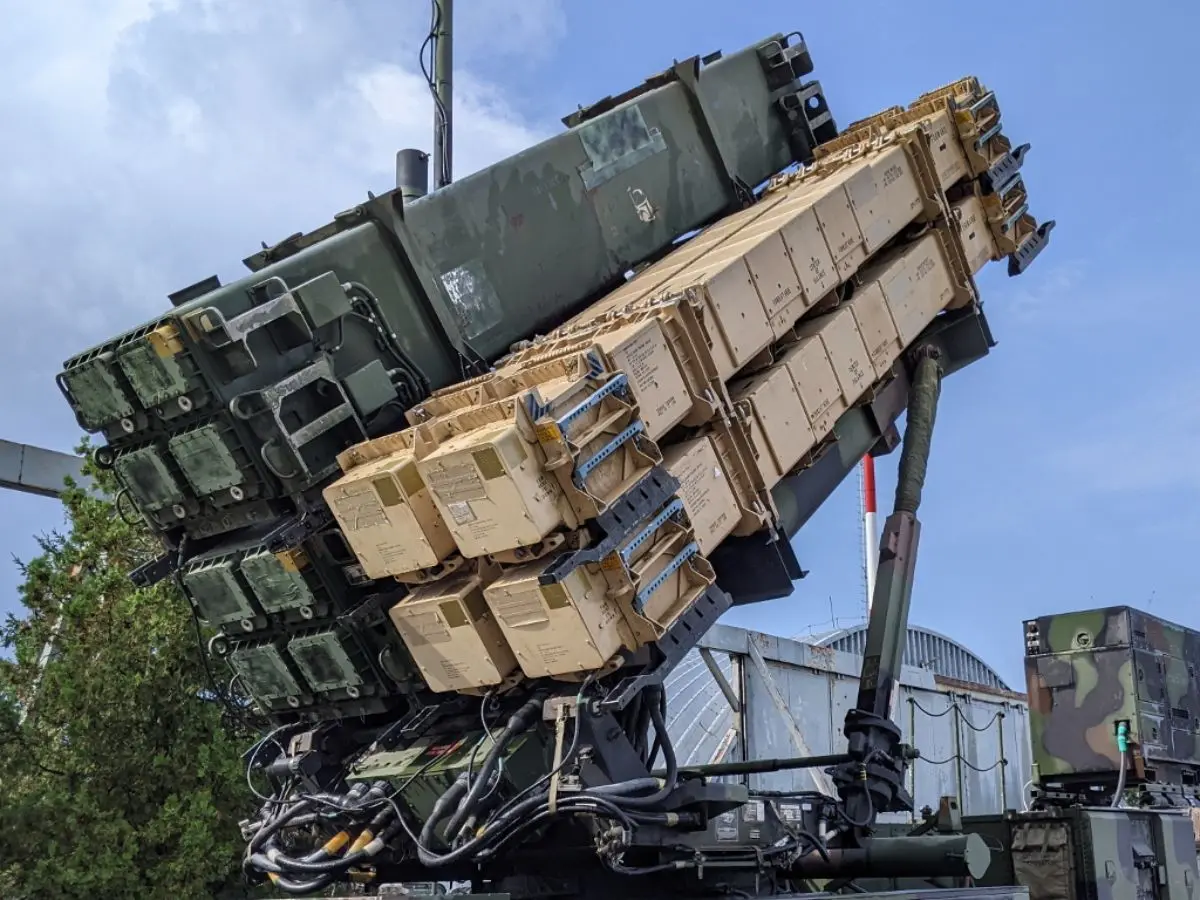
The A2/AD Doctrine
The Russian S-400 Triumf is designed to execute the ‘Anti-Access/Area Denial’ (A2/AD) doctrine, effectively creating an impenetrable dome over strategic regions. By severely restricting operational freedom, it forces enemy air forces to either abort missions or risk catastrophic losses.
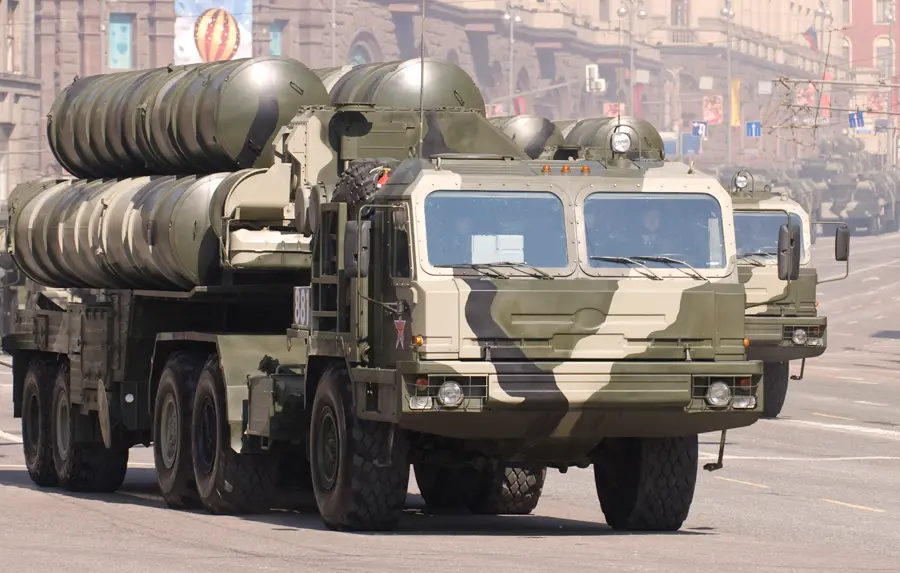
The 600-Kilometre Bubble
To dominate the airspace, the system relies on the 91N6E ‘Big Bird’ panoramic radar to continuously scan a massive 600-kilometre surveillance radius. According to official specifications, this powerful sensor can track up to 300 distinct aerial targets simultaneously, even in heavily jammed electronic environments.
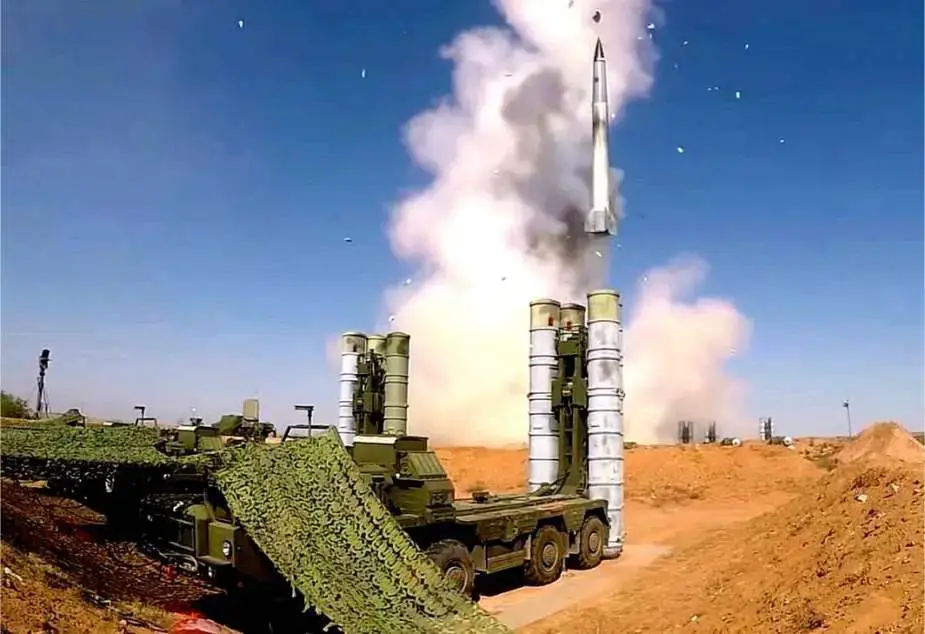
Defeating Stealth
Modern fifth-generation fighters often rely on radar-absorbent coatings to remain undetected, but the S-400 counters this by integrating the Nebo-M radar complex. Operating across multiple VHF and L-band frequencies, this system effectively neutralises stealth technology to expose hidden aircraft long before they can strike.
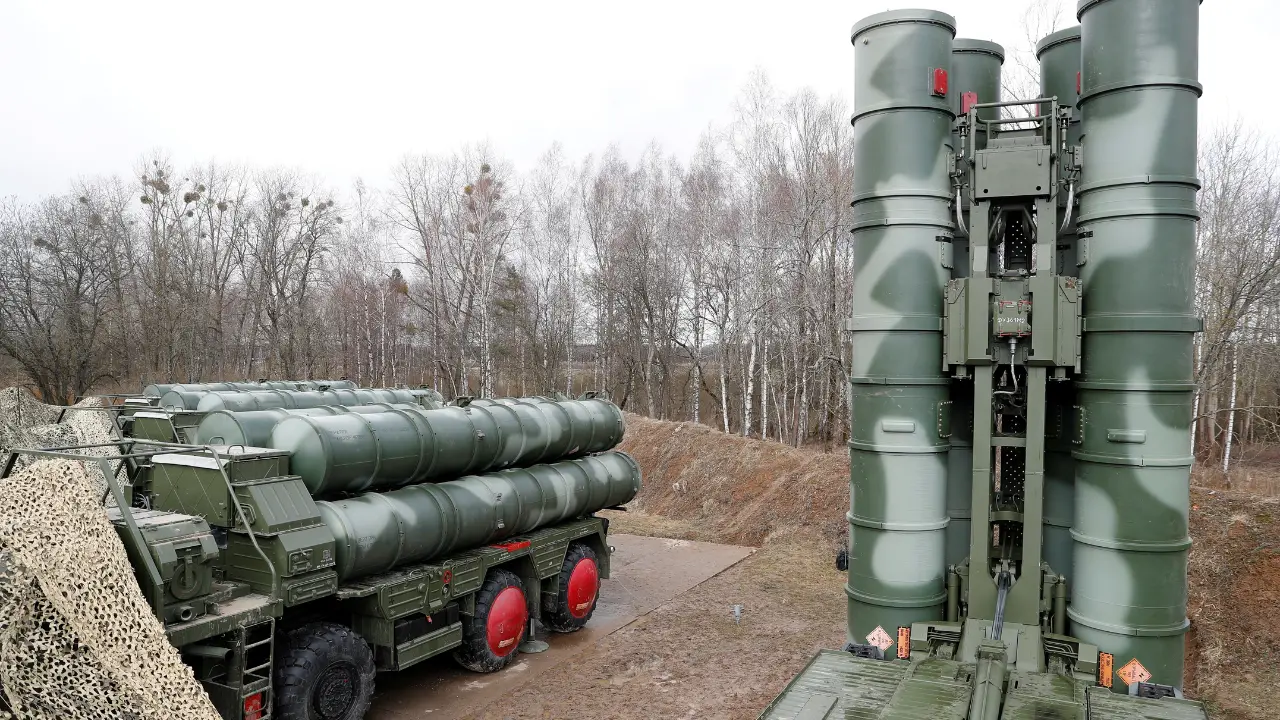
Layered Missile Shield
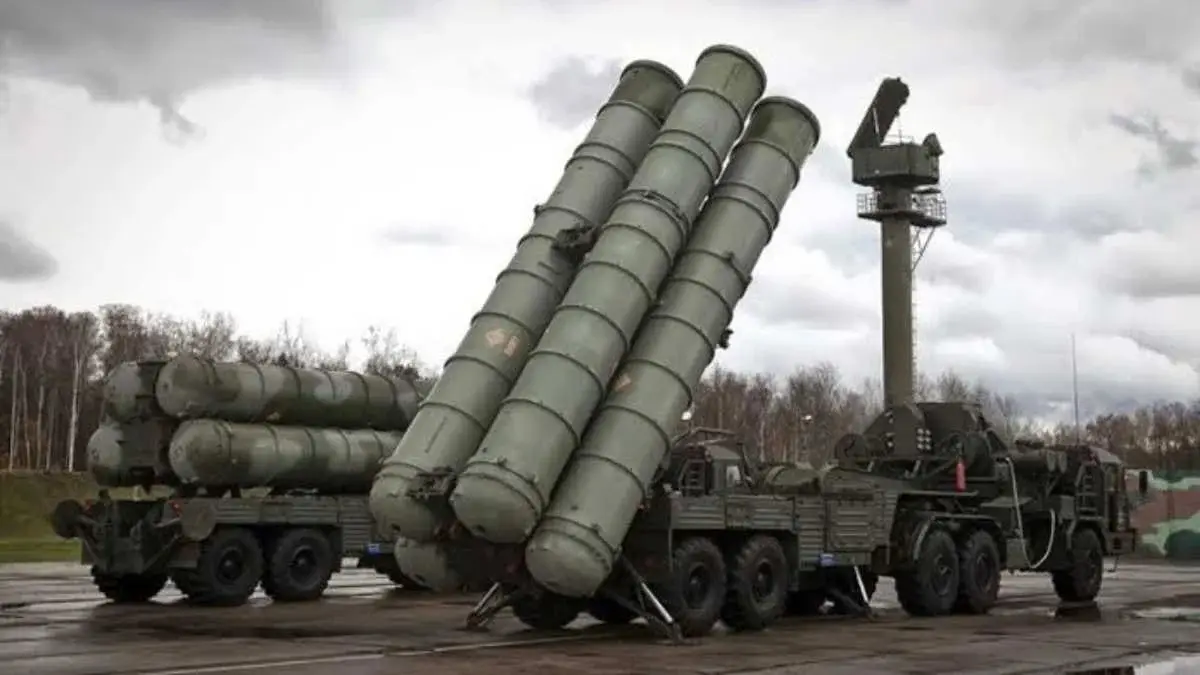
A single USD 1.25 billion battery creates a multi-layered shield by deploying several distinct interceptor variants. The massive 40N6E missile targets high-value bombers up to 400 kilometres away, whilst nimble 9M96E missiles destroy close-range cruise missiles and drones.
The 10-Second Kill Chain
Once the primary radar detects a threat, the 55K6E mobile command post automatically prioritises the target and initiates a lethal kill chain. The entire process—from initial detection to a hypersonic missile leaving the launch tube—takes a maximum of just 10 seconds.
Simultaneous Annihilation
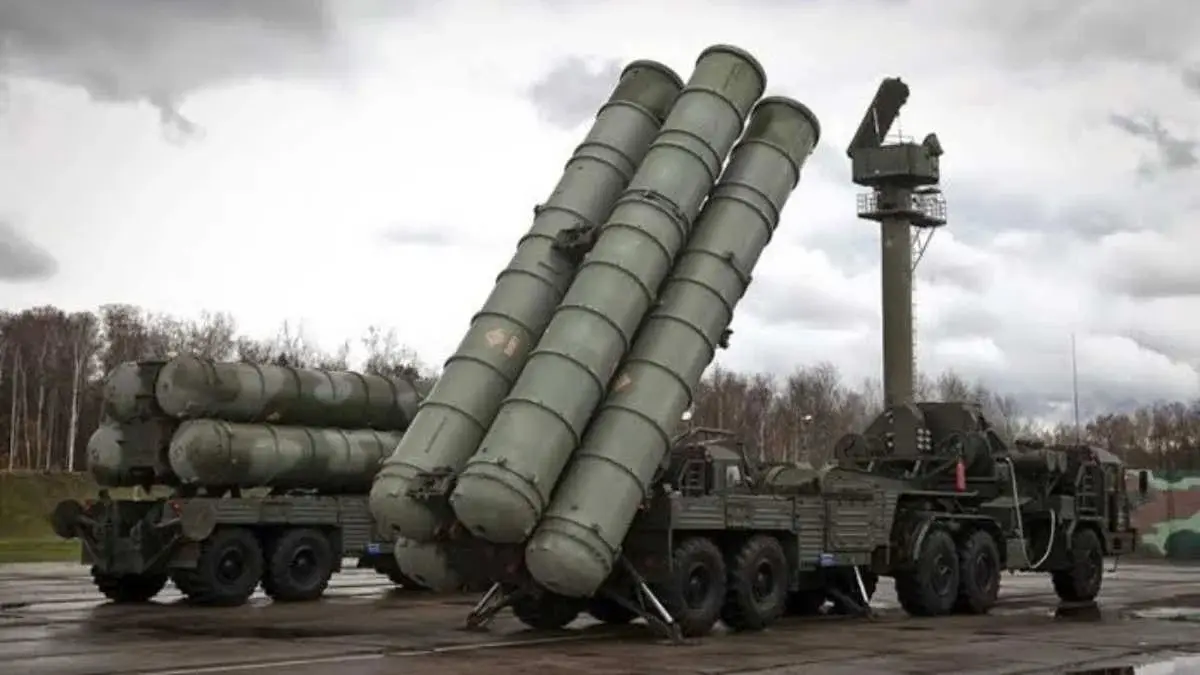
When facing a massive aerial bombardment, the system uses its 92N6E ‘Grave Stone’ engagement radar to execute highly coordinated counter-attacks. This allows the S-400 to simultaneously lock onto 36 different targets and precisely guide 72 interceptor missiles to destroy them at speeds up to Mach 14.
Shoot and Scoot
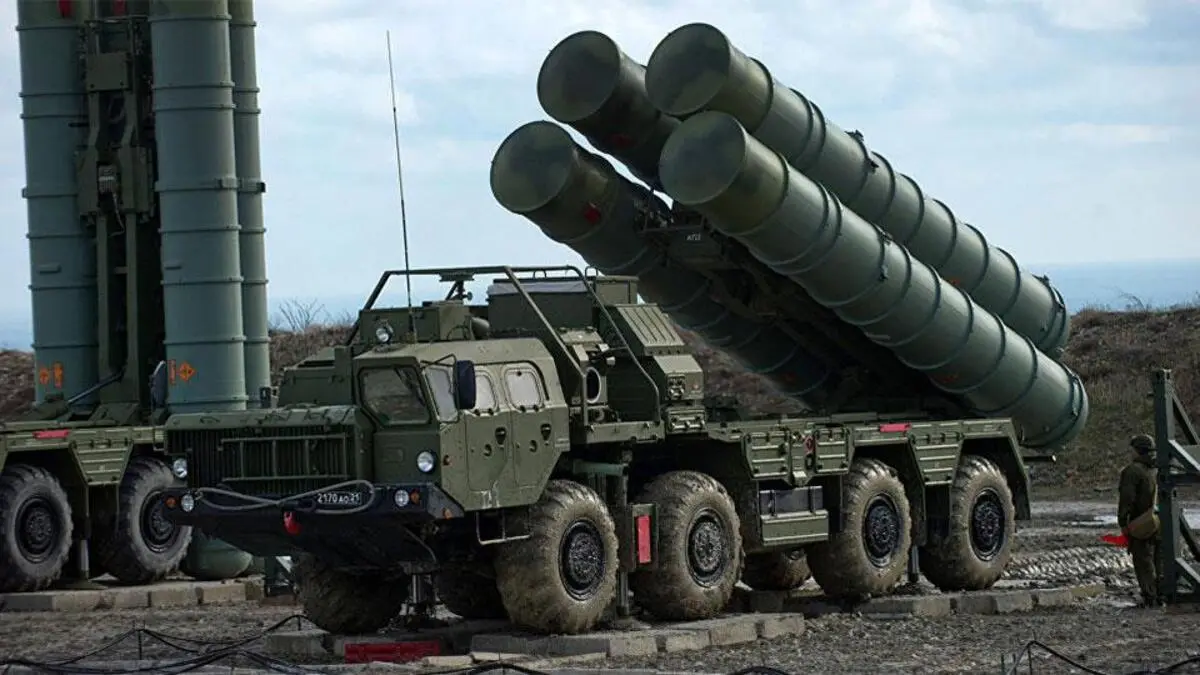
To survive retaliatory strikes, the entire air defence network is mounted on heavy-duty tactical vehicles. Crews can halt the convoy, fully deploy the radar and launchers into combat mode within five minutes, and rapidly relocate immediately after firing.
)
)
)
)
)