Japan vows to pursue US trade deal as Trump’s tariff deadline looms

&imwidth=600&imheight=450&format=webp&quality=medium "Japan vows to pursue US trade deal as Trump’s tariff deadline looms")
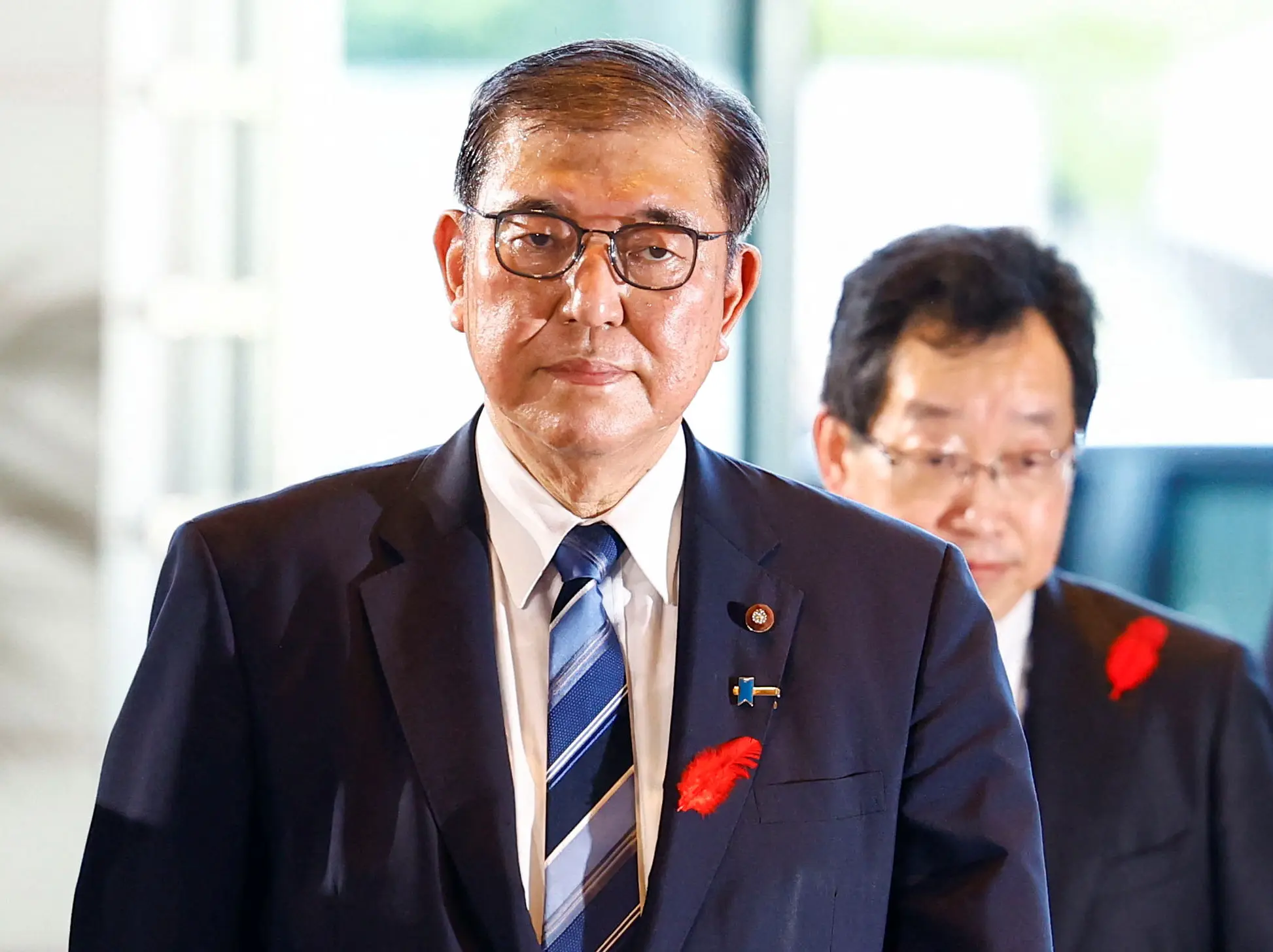
Japan's Prime Minister Shigeru Ishiba arrives at his official residence in Tokyo. Photograph: (Reuters)
Japan is pushing to secure a trade deal with the US before Trump’s 1 August tariff deadline, aiming to shield its key industries while avoiding damaging concessions.
Japanese Prime Minister Shigeru Ishiba has pledged to continue negotiations with the United States to secure a mutually beneficial trade agreement, after President Donald Trump threatened to impose a 25 per cent tariff on Japanese goods starting 1 August.
Trump’s tariff threat escalates trade tensions
President Trump on Monday formally announced the new 25 per cent tariff on imports from Japan, sharing letters addressed to Prime Minister Ishiba and other leaders on his social media platform. As per Reuters, the letters informed major trade partners, from suppliers like Japan and South Korea to smaller players, of steep new US tariffs.
While the tariffs are set to begin on 1 August, Trump suggested he was willing to consider delaying implementation if countries submitted acceptable proposals. According to Reuters, Trump told reporters the deadline was “firm, but not 100% firm,” leaving open the possibility of a negotiated settlement.
Japan seeks balanced deal while avoiding higher tariffs
Prime Minister Ishiba acknowledged that talks so far had helped Tokyo avoid even steeper tariff levels previously floated by Washington. As per Reuters, Trump had at one point signalled tariffs in the range of 30 to 35 per cent.
Trending Stories
)
)
)
)
)
)
)
)
)
)
)
)
)
)
)
)
)
)
)
)
)
)
)
)
)
)
)
)
)
)
)
)
)
)
&im=FitAndFill=(700,400))
)
)
)
)
Speaking at a cabinet meeting on Tuesday, Ishiba said: “We have received a proposal from the United States to swiftly proceed with negotiations towards the newly set August 1 deadline, and that depending on Japan’s response, the content of the letter could be revised.”
Ishiba added that Japan would “actively seek the chance of an agreement that benefits both countries, while protecting Japan’s national interest.” He also directed cabinet ministers to prepare measures to mitigate the potential impact of tariffs on industries and jobs, as per Reuters.
Trade talks complicated by automotive tariffs
According to Reuters, Japan and the United States failed to reach a deal before the 9 July expiry of a temporary pause on reciprocal tariffs. Talks have been especially fraught over automobiles, which are central to Japan’s export-driven economy. Tokyo has prioritised eliminating the existing 25 per cent US tariff on cars, a demand Washington has resisted.
Ishiba’s government is under pressure to avoid damaging concessions ahead of Japan’s upper house election on 20 July. As per Reuters, Ishiba has repeatedly insisted Japan will not make “easy concessions” just for the sake of a quick deal.
Political risks for Ishiba’s government
Analysts warn that the upcoming election complicates Tokyo’s negotiating position. Recent media polls cited by Reuters suggest Ishiba’s ruling coalition could struggle to maintain its majority in the upper chamber, potentially weakening the prime minister’s domestic standing and leverage in talks with Washington.
Economic headwinds add urgency
Japan’s economy faces wider challenges that make avoiding new tariffs all the more urgent. According to Bloomberg, the Japanese government this week delivered its bleakest assessment of the economy in nearly five years, citing weak consumption and manufacturing.
Official data show Japan’s economy shrank in the first quarter, with real wages in May falling at their fastest pace in nearly two years. As per Reuters, the threat of US tariffs has also weighed on currency markets, driving the dollar to a two-week high of 146.24 yen and raising already rising import costs.
Impact on exporters and wages
Economists warn that even with the avoided worst-case scenario of 35 per cent tariffs, the planned 25 per cent duty would still be painful for Japan’s manufacturers. Kazuki Fujimoto, an analyst at Japan Research Institute, told Reuters: “While Japan likely averted the worst-case scenario, 25% tariffs would still hurt exporters’ profits by up to 25%.”
Fujimoto added that weakening corporate profits could make it “hard to avoid companies from toning down on efforts to hike wages,” compounding risks to domestic demand.
Hope for deal remains despite tough negotiations
Despite the sharp rhetoric and the fast-approaching deadline, both sides continue to hold out hope for a deal. According to Reuters, Ishiba stressed Japan’s commitment to finding a “mutually beneficial” solution that preserves the country’s national interest while meeting US demands.
As the 1 August deadline nears, the coming weeks will test Ishiba’s diplomatic skill and determine whether Japan can protect its vital industries without compromising its negotiating principles, while preserving a stable relationship with its most important security ally.