Year 2023 marked as hottest summer in two millennia, reveals study


Wildfires
Last year's scorching temperatures not only shattered modern records but also etched a new chapter in Earth's climate history, according to a recent study published in Nature. The research unveiled in the journal said that 2023 witnessed the most blistering summer in the Northern Hemisphere in the past 2,000 years. This new revelation is now highlighting the magnitude of global warming.
Co-authored by Professor Jan Esper from Johannes Gutenberg University in Germany, the study looked into meteorological archives stretching back to the mid-1800s and scrutinised tree ring data from nine locations across the Northern Hemisphere.
Their findings revealed a staggering reality - the summer of 2023 surpassed all previous benchmarks, with temperatures soaring 2.07 degrees Celsius above pre-industrial levels.

Also Read |Scientists crack the code of Orangutans’ distinct yells with help from AI
Professor Esper said, "When you look at the long sweep of history, you can see just how dramatic recent global warming is."
Re-calibrating baseline
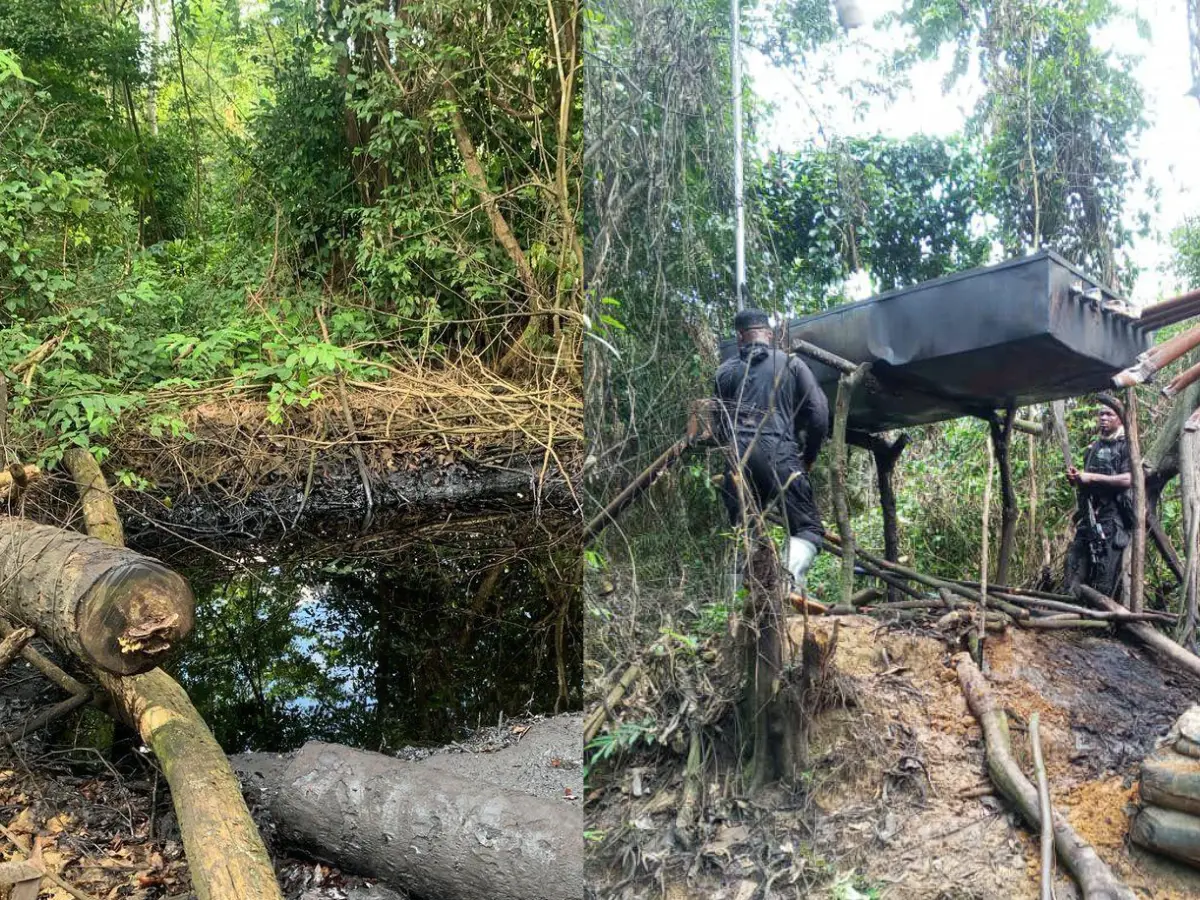)
Nigerian Navy discovers 99,000 litres of suspected stolen, illegally refined products as it intensifies anti-crude oil theft operations
)
Who is Aditi Paudel? 17-year-old becomes Japan's first literacy ambassador
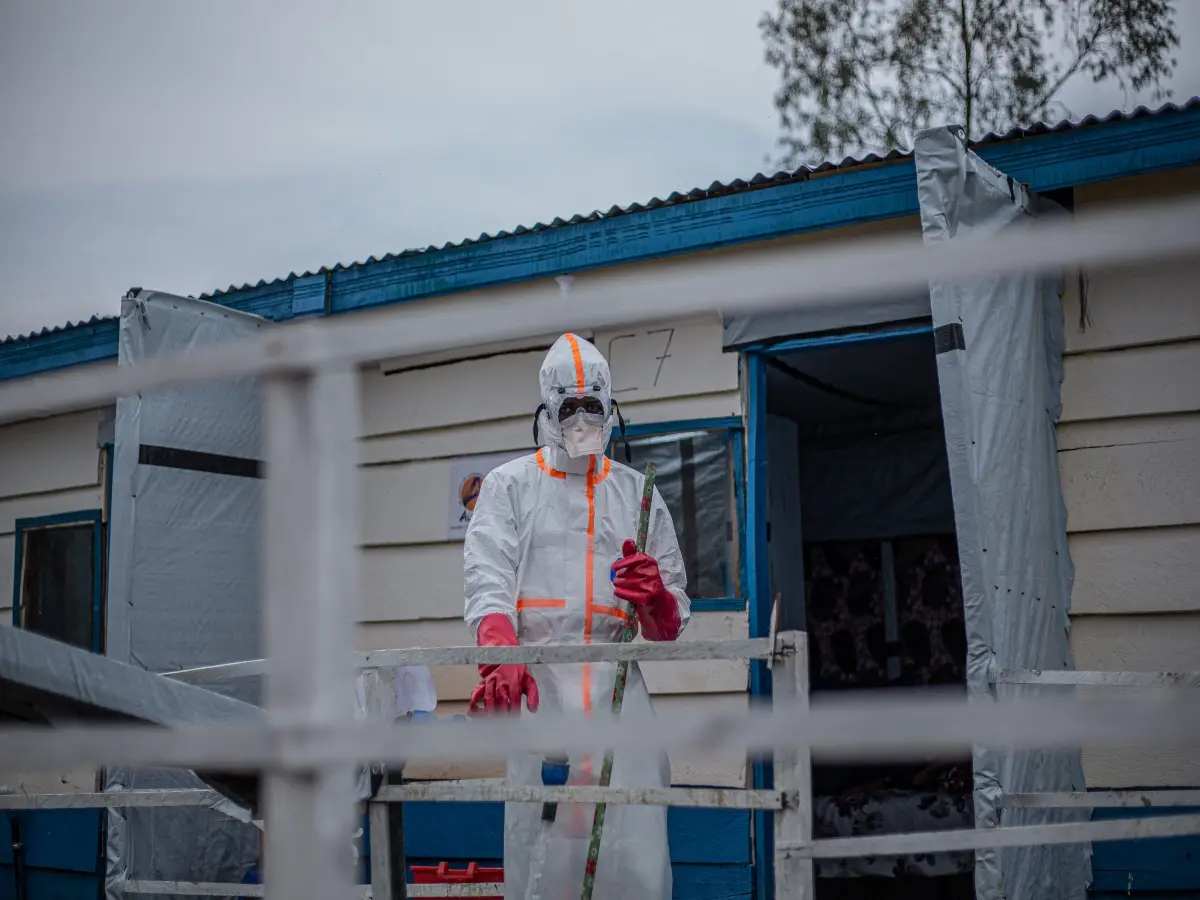)
What are the challenges Congo is facing in containing Ebola outbreak?
&im=FitAndFill=(700,400))
Why US tanks can spin their heavy turrets much faster than Russian tanks
)
Bolivia turns to crypto amid dollar crunch
)
‘Major escalation’: Zelensky accuses Russia of targeting SBU chief’s office
)
Women's Asia Cup 2026: India's Smriti Mandhana is now best batter ever in women's cricket
)
South Korea mulls military deployment in Hormuz amid Trump’s pressure
)
Breaking | Vance takes the podium: First White House briefing since Leavitt's exit
)
Indian agencies uncover hawala, shell firms and fake trade used to hide illicit money, FATF says
)
Indian Air Force pilot Abhinandan Varthaman, who shot down Pak fighter jet retires, takes up private job
)
Bangladesh batter Towhid Hridoy creates history with 350 not out in South Africa
)
Brendan Fraser’s transformation fuels The Mummy 4 excitement as fans welcome back Rick O’Connell
)
‘Thank you for your friendship’: Meloni thanks PM Modi for wishes as she sets Italy’s postwar record
)
Missed Vikrant Massey in Mirzapur: The Movie? Here’s what the actor has to say about the film
&im=FitAndFill=(700,400))
Krishna Janmashtami 2026: From Dhaniya Panjiri to Makhana Kheer- 5 best sweet dishes perfect for celebrating Lord Krishna’s birth
)
EAM Jaishankar: Russia-Ukraine conflict is a war ‘without winners’
)
Lindsay Clancy murder trial: Tensions rise as juror disputes over 'reasonable doubt' as verdict remains elusive
)
‘I wouldn’t call it a war,’ says JD Vance on ongoing conflict with Iran
)
Iran's army conducts drone & missile attack on US bases
)
Husband uses secret camera to record wife’s affair, wins divorce case, ends up in jail for spying
)
Russia-Ukraine truce in sight? Trump sends US envoys with 'peace plan'; Zelensky offerst emporary ceasefire
&im=FitAndFill=(700,400))
BRICS by numbers: Global GDP share, trade share, intra-BRICS settlement volumes and NDB disbursements — All you need to know
)
Asian Games 2026: VVS Laxman back as India men's head coach for Shreyas Iyer-led side
&im=FitAndFill=(700,400))
Why Russian fighter jets use bulky, low-pressure tyres compared to US jets
&im=FitAndFill=(700,400))
Why US tanks weigh over 20 tons more than Russian tanks
)
Mirzapur: The Movie X review: ‘Peak Mass Entertainer', netizens praise Pankaj Tripathi and Ali Fazal's thriller
&im=FitAndFill=(700,400))
New Friday OTT releases (September 4, 2026): GDN, Dhamaal 4, Jagamae Sangeetham- Watch 6 new movies and TV shows on Netflix, Prime Video and more
)
Iran attacks US bases in Kuwait & UAE, supersecret missile project in focus | Gravitas
)
Killing the Himalayas slowly: Human urine is melting a glacier on Mount Everest
The research challenged conventional baselines by recalibrating temperature data against a broader historical context. By leveraging tree ring chronologies, which offer a detailed glimpse into past climate conditions, scientists could extend their analysis beyond the confines of modern instrumental records that only go back as far as 1850.
Also Read |Sun releases strongest X-ray flares since 2005, scientists warn massive sunspot yet to burst
"Many of the conversations we have around global warming are tied to a baseline temperature from the mid-19th century, but why is this the baseline?" questioned co-author Professor Ulf Büntgen from Cambridge's Department of Geography.
"Only when we look at climate reconstructions can we better account for natural variability and put recent anthropogenic climate change into context."
Watch | Study links half of all cancer cases to obesity
While historical cooling periods such asLittle Antique Ice Age in the 6th century and the Little Ice Age in the early 19th century often followed volcanic eruptions, recent temperature surges have been exacerbated by the intensification of El Nino events. This has lead to more frequent and severe heatwaves.
"It's true that the climate is always changing, but the warming in 2023, caused by greenhouse gases, is additionally amplified by El Niño conditions," explained Professor Esper. "When you look at the big picture, it shows just how urgent it is that we reduce greenhouse gas emissions immediately."
(With inputs from agencies)