US Supreme Court limits race in redistricting: Landmark 6-3 ruling in Louisiana vs Callais

&imwidth=600&imheight=450&format=webp&quality=medium "US Supreme Court limits race in redistricting: Landmark 6-3 ruling in Louisiana vs Callais")
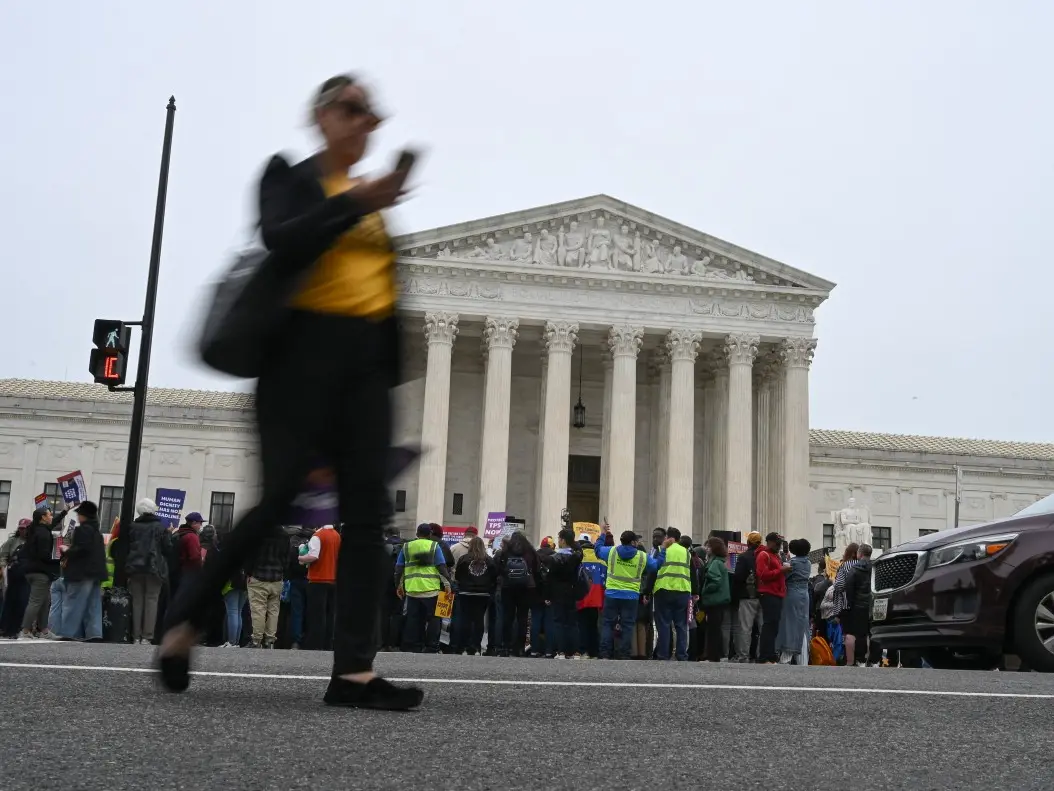
US Supreme Court limits race in redistricting: Landmark 6-3 ruling in Louisiana vs Callais Photograph: (Credit: AFP)
The Supreme Court has sharply limited race-based redistricting in a 6-3 ruling, striking down Louisiana's majority-Black district and weakening the Voting Rights Act.
In a landmark 6-3 decision that shifts the landscape of American electoral politics, the Supreme Court ruled on Wednesday (Apr 29) that the use of race in redistricting must be strictly limited, handing a major victory to Republican leaders. The ruling in Louisiana v. Callais effectively renders Section 2 of the Voting Rights Act (VRA) "a dead letter," according to the court’s dissenting liberal justices. Writing for the conservative majority, Justice Samuel Alito stated that the Constitution "almost never permits" the government to discriminate based on race. The court found that Louisiana’s second majority-Black congressional district created just last year to comply with a lower court order, was an unconstitutional "racial gerrymander."
The top Democrat in the Senate warned of a "devastating blow" to voting rights laws inflicted by the apex court’s decision that limited the use of race in drawing electoral districts. "Today, the Supreme Court turned its back on one of the most sacred promises in American democracy the promise that every voice counts," Senate Minority Leader Chuck Schumer said in a statement published by news agency, adding that it would lead to "fewer protections for voters, more power for politicians."
Alito argued that unless a state can prove "intentional discrimination," it cannot be forced to draw districts specifically to favor minority groups. "Compliance with Section 2 cannot justify the state's use of race-based redistricting here," Alito wrote, noting that states may draw maps for partisan advantage, but race cannot be the "predominant" factor.
Trending Stories
&im=FitAndFill=(700,400))
)
)
)
)
&im=FitAndFill=(700,400))
)
)
)
)
)
)
)
)
)
)
)
&im=FitAndFill=(700,400))
)
)
)
)
)
&im=FitAndFill=(700,400))
)
)
)
)
)
&im=FitAndFill=(700,400))
)
)
)
The decision is expected to spark an immediate "redistricting war" across the South. Republican-led legislatures in states like Mississippi, Texas, and Florida are now expected to move swiftly to break apart Democratic-leaning majority-minority districts.