&imwidth=800&imheight=600&format=webp&quality=medium "The elephant took a turn, and reasonable people are panicking: How India getting closer to China and Russia is making the West take note")
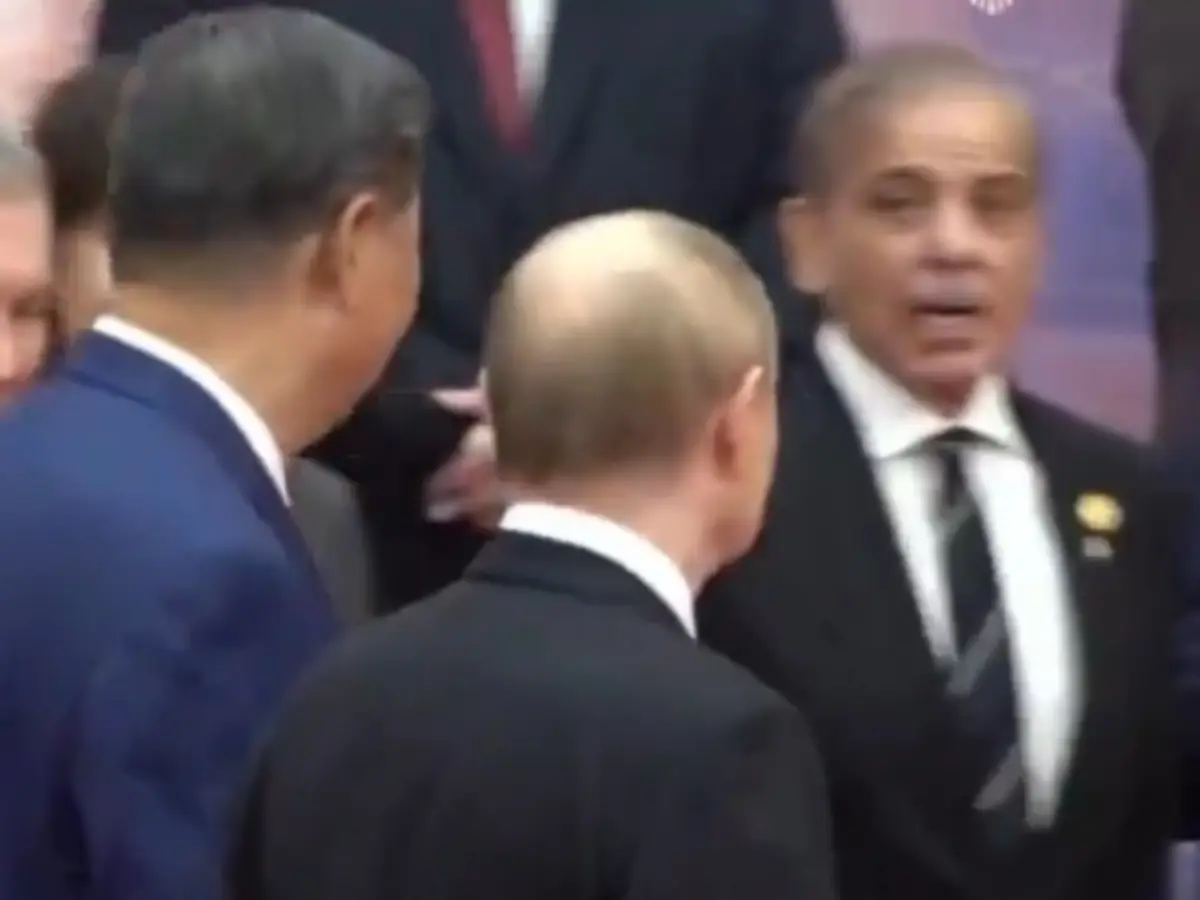
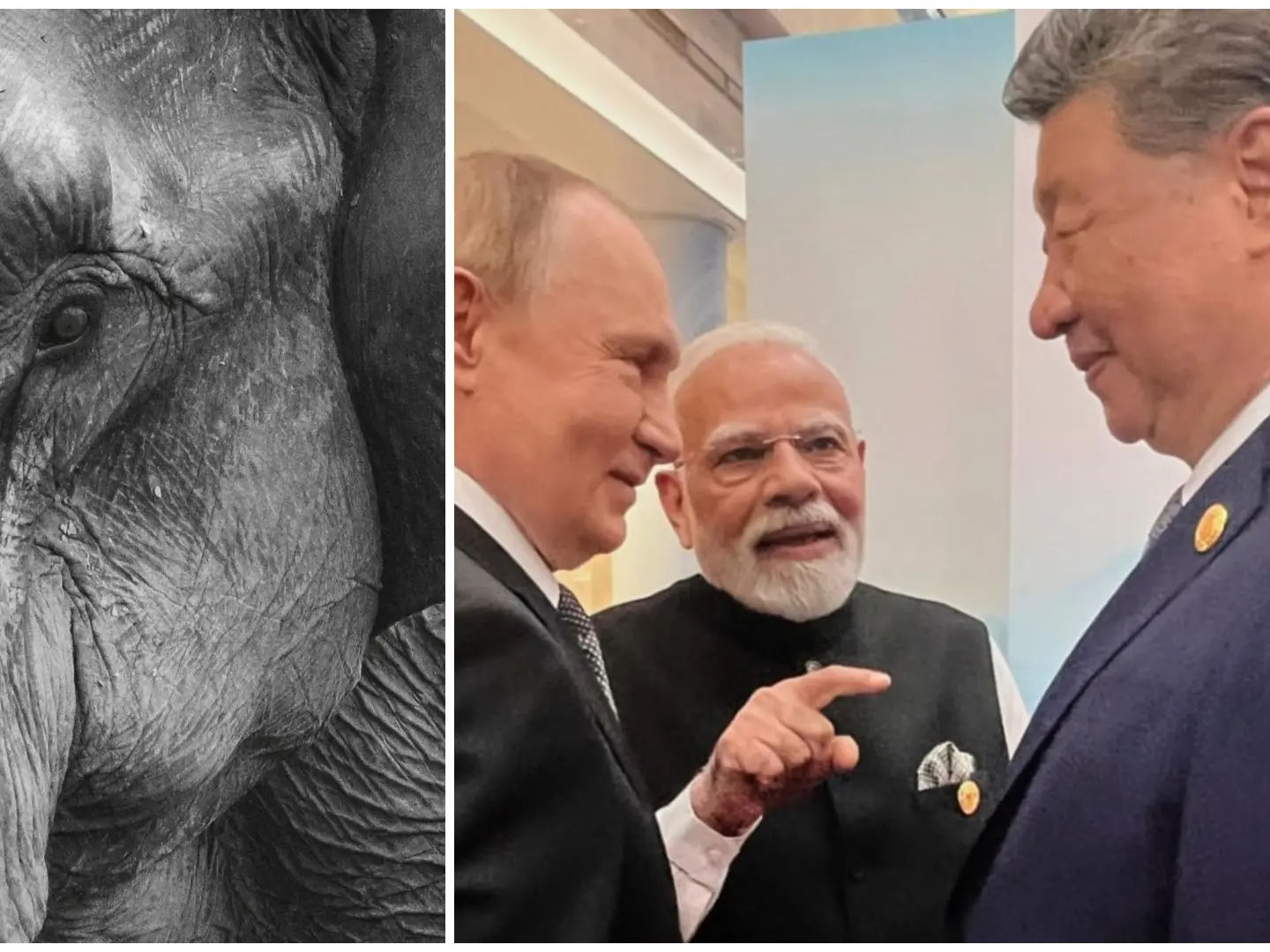
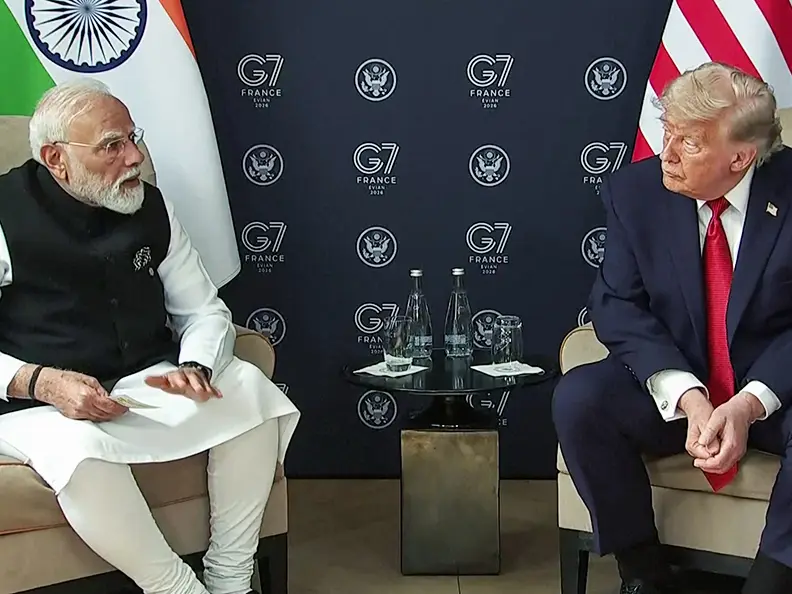
The past three to four days saw a frenzy of diplomacy from India, with Prime Minister Narendra Modi hobnobbing with Russian President Vladimir Putin and resetting ties with Chinese President Xi Jinping at the Shanghai Cooperation Organisation summit in China. This move appeared to be a deliberate counter to—and defiance of—US President Donald Trump’s punitive measures against New Delhi for its purchase of Russian oil, including the imposition of 50 per cent tariffs on Indian imports. While Trump remains adamant that he will not relent on these duties, a host of leaders, analysts and experts are cautioning against this heavy‑handed approach. Their core argument is simple: India’s independent foreign policy is its strength, and it must not be undermined.
‘We will lose this game’: A president's blunt warning to the US on India ties
Among the most urgent warnings came from Alexander Stubb, the President of Finland. Speaking about the SCO summit, he said that unless the West adopts "a more cooperative, more dignified foreign policy, especially with regard to Global South countries such as India, we are going to lose this game." He described the summit as a reminder that, in his view, the SCO is actively trying to weaken Western unity.

'Trump undermining decades of strategic trust'
US Congressman Ro Khanna, known for his vocal support for India on Capitol Hill, accused Trump’s tariffs of being akin to a "five‑alarm fire" that threatens decades of bipartisan strategic cooperation. He warned that the extraordinary 50 per cent tariffs risk accomplishing what years of diplomacy could not: pushing India closer to Russia and China.
Trending Stories
)
No Pandya as Auqib Nabi earns maiden ODI call-up; Mayank returns for WI T20Is| check full squads
)
Trump praises India’s Opium crackdown, hails anti-drug efforts
)
FBI Director Kash Patel grilled over change of hiring rules on bestiality
)
Sydney Sweeney defends provocative ad choice, the internet is still not impressed
)
Trump calls Canada-EU associate membership plan ‘laughable’ and threatens 'very serious tariffs'
)
Shahzad Bhatti Network declared terrorist organisation under UAPA: Govt order
)
US, China dominate global economy: Where does India rank among the world's biggest economies?
)
Finnish president Stubb calls Trump 'good for NATO' as allies increase defense expenditure
)
Hockey: Pakistan urges AHF to move Asian Champions Trophy out of India over security concerns
)
Bigg Boss 20: Mahhi Vij reveals she lost Yuva role to Kareena Kapoor; 'didn’t work out in my favour'
)
All Indian goods to get duty-free access to New Zealand
)
Lionel Messi for 2026 Ballon d’Or over Mbappe and Yamal, says Diego Simeone
)
Alex Saab, ally of Venezuela's Maduro, pleads guilty in US corruption case
)
Veteran actor Anant Nag honoured with Indian cinema’s highest award
)
800 million years old - Scientists discover 'fingerprints' of supercontinent Gondwana in ancient rocks
)
Pakistan naval vessel returns to harbour with 'severe damage' after collision with Indian warship in Arabian Sea
)
Fed raises rates for first time in 3 years, Kevin Warsh defies Trump as inflation mounts
)
What is Article 10 of the 1991 treaty at the centre of Pakistan Navy's 'unprofessional conduct'
)
Katrina Kaif’s postpartum weight is not the problem; your gaze is
)
Ex-CIA officer caught with gold bars worth $40 million seeks plea deal | Gravitas
)
Daayra movie review: Kareena Kapoor, Prithviraj Sukumaran shine in Meghna Gulzar’s cop-versus-cop crime thriller
)
US trade tariff: 100% tariff targets Russian buyers amid trade tensions
)
Pakistan: Imran Khan's sons Kasim & Sulaiman claim their father is 'tortured' in jail
&im=FitAndFill=(700,400))
New OTT releases this week (September 14-20, 2026): Lust Stories 3, Waiting Hai, Irumudi- 5 new titles coming on Netflix, Prime Video and more
)
Trump's Iran war faces fresh House rebuke; 7 Republicans join Democrats in push to end conflict ahead of midterms
)
Trump gets new power to hit India, China with up to 100% tariffs as US Senate clears Russia sanctions bill
)
US Treasury rallies global financial institutions for Op Economic Outcast to isolate Iran
)
Saudi vs Houthis: Riyadh claims to have shot Houthi drone targeting Mecca
)
Riyadh warns of ‘red line’ after Mecca targeted; Houthis claim downing Saudi fighter jet – What’s happening?
&im=FitAndFill=(700,400))
Suriya and Jyothika say ‘I do’ again after 20 years! See their dreamy wedding pics
)
Abhishek Sharma rises to No. 2 in T20Is; ENG’s Robinson 3rd after record Pakistan Tests
)
Extreme warming in Indian Ocean added 695 billion tons of ice to Antarctica ice sheet
)
BRICS success stuns White House, Trump targets India with 100% tariff | Gravitas
)
Meghan Markle's phone number leaked from children's WhatsApp group, couple switches Archie and Lilibet's school
)
The Early Spring season 2 is happening, but fans have one request - 'don't change the actors'
'India is a proud civilisation. Treat it that way'
Former UK Foreign Secretary William Hague offered a timely reminder of India’s enduring strategic autonomy, rooted in its post‑independence non‑aligned stance. He cautioned US policymakers that India, proud and independent, will not back down in the face of economic coercion; indeed, "If you hit India with tariffs, it won’t back down. It will go work with somebody else."
'Trump shredded decades of Western efforts'
John Bolton, former US National Security Advisor, delivered a scathing critique of the current US approach. He said that Trump has "shredded decades of efforts" to draw India closer to the West and away from Soviet‑era ties, arguing that the tariff policy has handed Xi Jinping a significant geopolitical opening. He stated that Modi’s appearance alongside Putin and Xi was a “substantial gain for China’s Xi.”
SCO summit a significant setback for the US, warn experts
David Ignatius, veteran foreign affairs commentator, described the visuals of Modi and Putin standing together at the Tianjin summit as "a significant setback for the United States." He argued that India’s shifting orientation toward Russia and China undermines diplomacy that has been conducted since the George W Bush presidency.
Also read: PM Modi's 'car diplomacy': From Putin to Obama, when Indian PM rode in same car with world leaders
America ‘might as well go home’ if India, China, Russia unite
Ed Price, a global markets analyst and former British trade official, issued a stark warning: if India were to align strategically with China and Russia, "America will not be able to compete in the 21st century. We might as well go home."
'We need India to counter China, we can’t do it alone'
Mary Kissel, former senior adviser in the US State Department, emphasised the indispensability of India in countering China’s rise. She asserted, "If we are serious about China being the greatest threat to the United States, then we need India. It’s just a fact. We can’t fight the Chinese alone in the Asia‑Pacific."
She added that India brings heft that is essential alongside other partners like Japan and Australia.
Media commentary underscores broader realignment
Commentators across outlets such as Reuters, The Guardian and The Wall Street Journal have pointed out that India’s warm participation in the SCO amid escalating US tariffs signals a geopolitical realignment that could profoundly challenge Western influence in Asia.
While some observers view the summit as symbolic, they caution that symbols often herald real shifts.
What is the common refrain? India is not a pawn in any Great Game
Taken together, the responses are strikingly clear: India is no longer a pawn in big‑power diplomacy, it plays by its own rules.
The West now faces a choice: engage with India with respect for its autonomy, or stand by as it drift strategically and economically toward its rivals.
The elephant has taken a turn, and reasonable people are panicking. The question is, will Washington DC take note?