Why do iPhones have fewer megapixels than many Android phones?

Apple limits iPhones to 48-megapixels because larger individual pixels capture significantly more light than the microscopic pixels used in 200-megapixel Androids. This measured approach guarantees superior natural detail and unmatched 4K video quality.
The Megapixel Myth
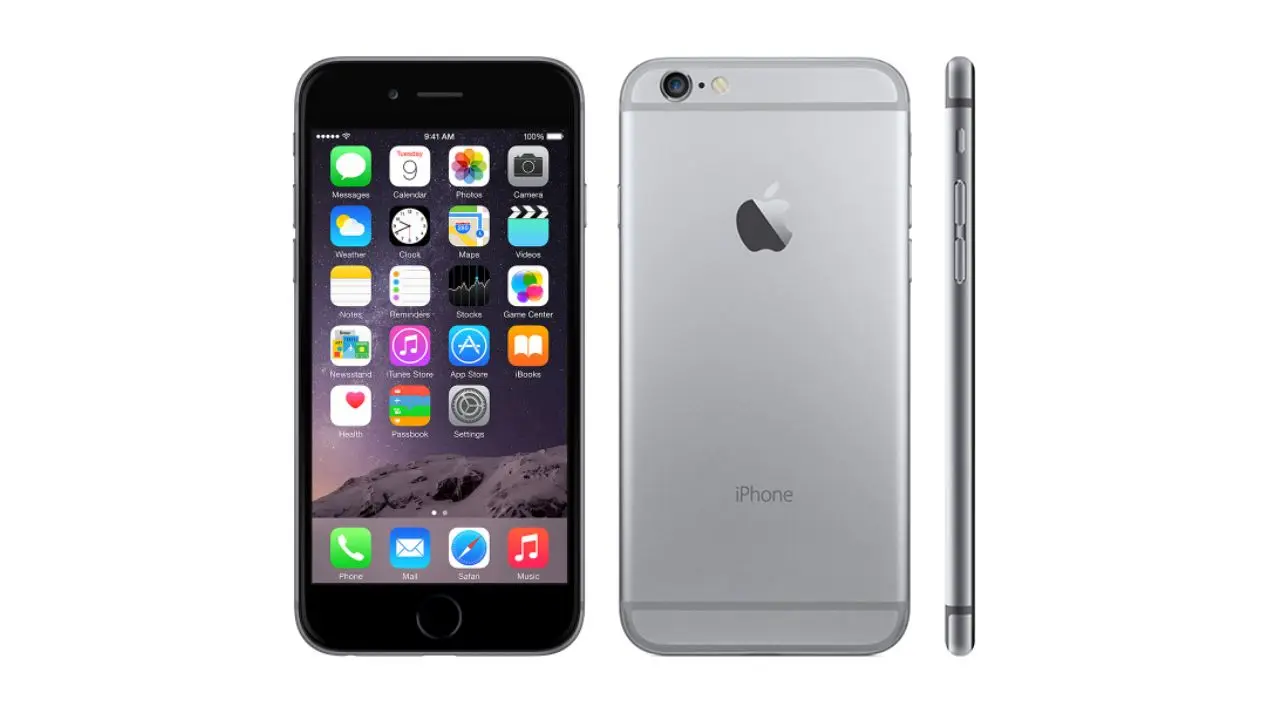
While some Android smartphones boast massive 200-megapixel cameras, Apple typically restricts its premium iPhones to a 48-megapixel main sensor. The technology giant prioritises physical sensor size and individual pixel quality over raw numerical specifications.
The Physics of Light
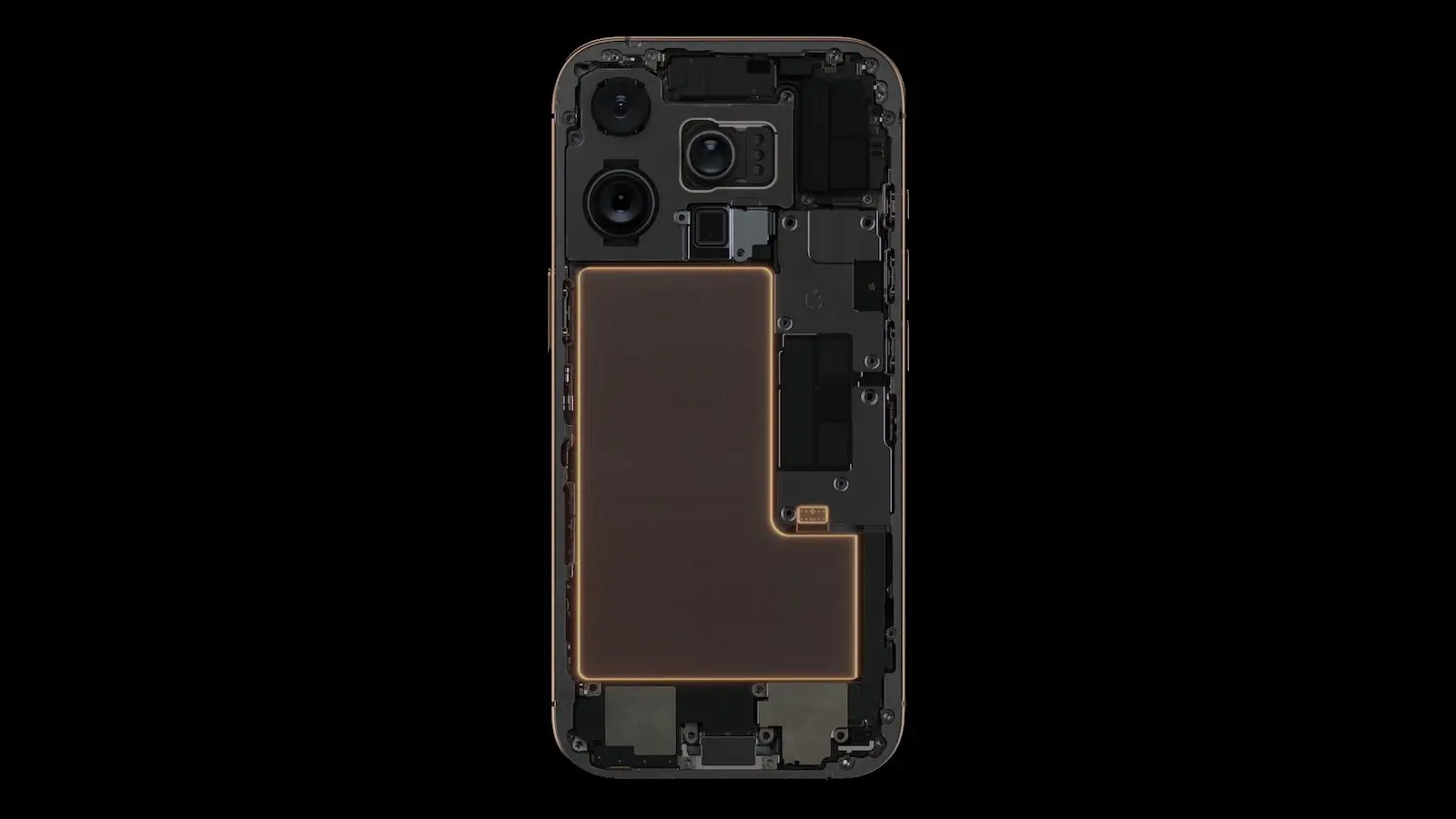
Camera pixels act as individual buckets collecting light. Packing 200 million pixels onto a mobile sensor requires shrinking them to microscopically small sizes, often measuring just 0.56 micrometres. These tiny pixels struggle to capture adequate light, physically limiting natural low-light performance.
The Apple Approach
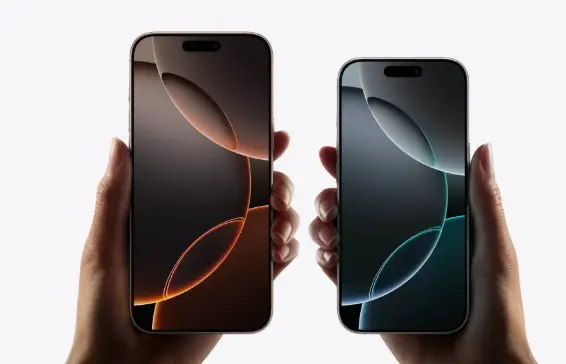
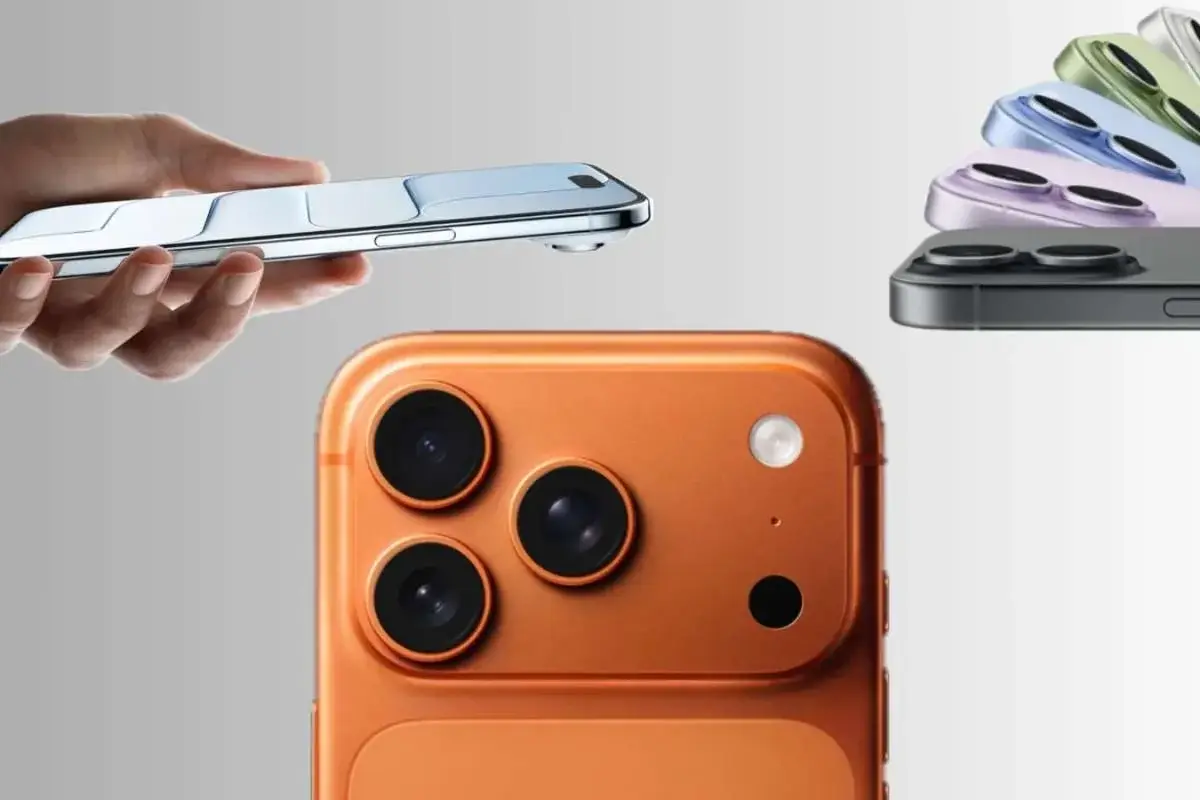
Instead of inflating megapixel counts, Apple equips its Pro models with physically larger sensors featuring a 1.22-micrometre pixel pitch. These significantly larger individual pixels absorb more natural light, reducing image noise and delivering superior dynamic range without heavy artificial compensation.
The Binning Compromise
To fix their light-gathering issues, high-megapixel Android phones rely on ‘pixel binning’ to combine 16 adjacent pixels into one super-pixel. Apple employs a more measured ‘quad-Bayer’ array, binning four pixels together to convert a 48-megapixel capture into a stunningly sharp 12-megapixel final image.
Computational Supremacy
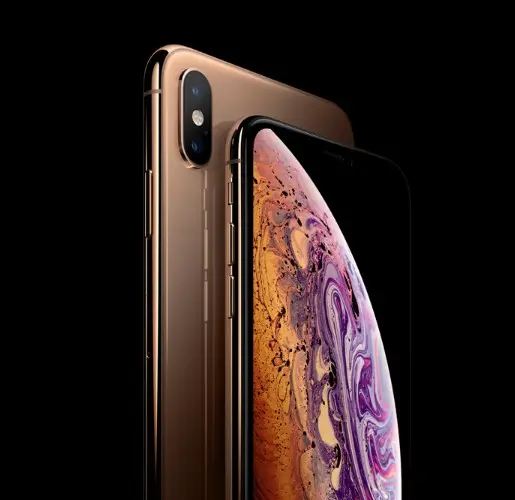
Apple offsets lower megapixel counts through advanced computational photography powered by its proprietary silicon. The Photonic Engine analyses multiple uncompressed frames simultaneously, applying deep learning to preserve authentic textures, accurate colours, and realistic skin tones.
Realism vs Processing
Many high-megapixel Android devices aggressively sharpen edges and heavily saturate colours to make images appear dramatic. In contrast, Apple's 48-megapixel system avoids heavy artificial enhancements, prioritising a realistic, professional, and consistent visual output across all lighting conditions.
Unmatched Video Quality
This larger-pixel strategy is the exact reason iPhones dominate mobile videography. The efficient data readout from the 48-megapixel sensor allows iPhones to capture flawless 4K Dolby Vision HDR video, a feat that ultra-high megapixel sensors often struggle to match smoothly.
)
)
)
)
)