&imwidth=800&imheight=600&format=webp&quality=medium "OPEC+ raises output quota after UAE withdrawal from cartel amid Iran conflict")
The OPEC+ on Sunday (May 03) increased its oil production quota, signalling continuity within the group after the sudden exit of the United Arab Emirates earlier this week. In a statement, the alliance said seven key producers, including Saudi Arabia, Russia, Iraq, Kazakhstan, Kuwait, Oman and Algeria, will raise output by 188,000 barrels per day in June. The group said the move reflects “their collective commitment to support oil market stability,” but made no reference to the UAE’s departure.
The increase was widely expected and follows similar production hikes announced in March and April. However, the higher quota may not significantly change actual supply, as several members are already producing below their assigned limits.
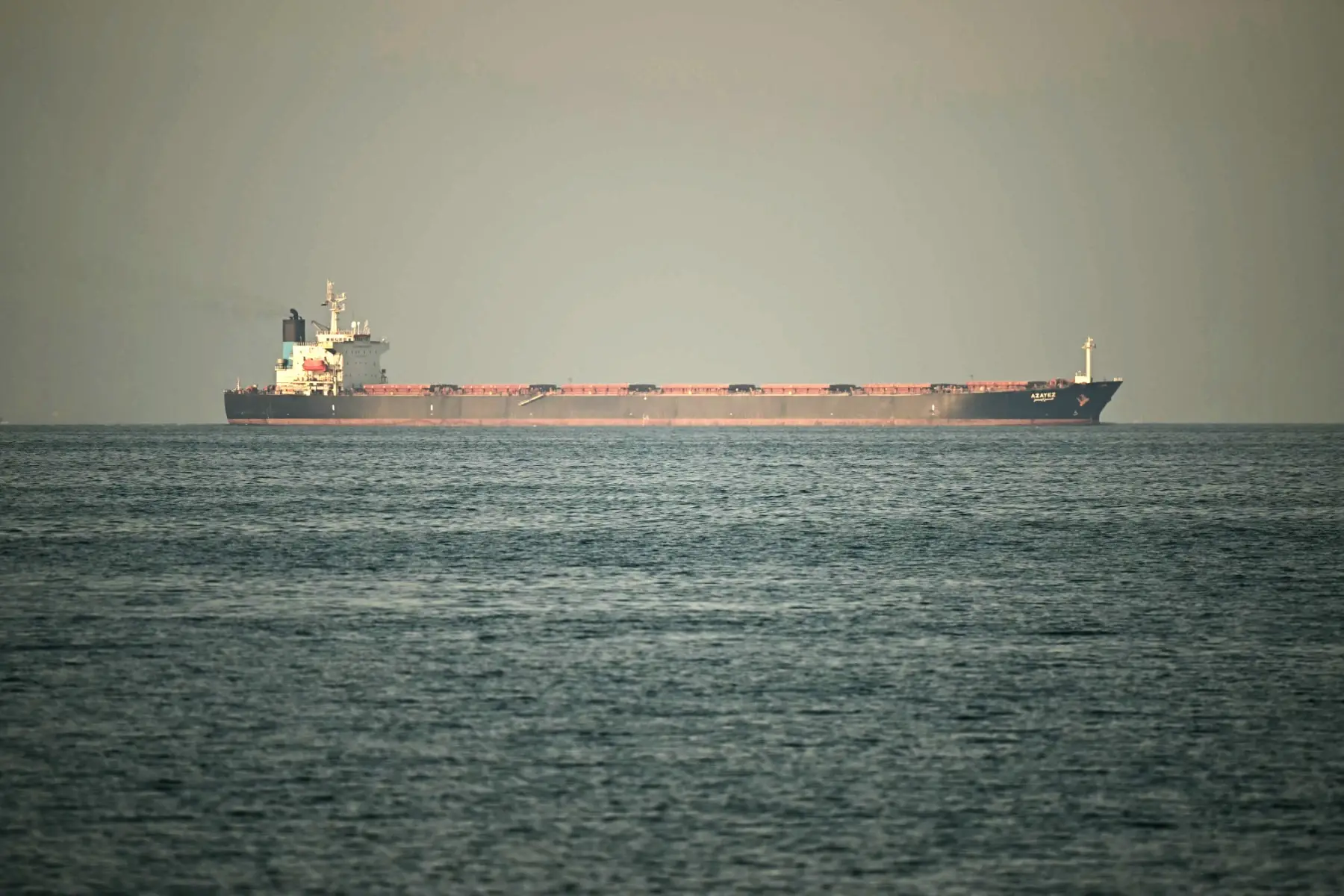
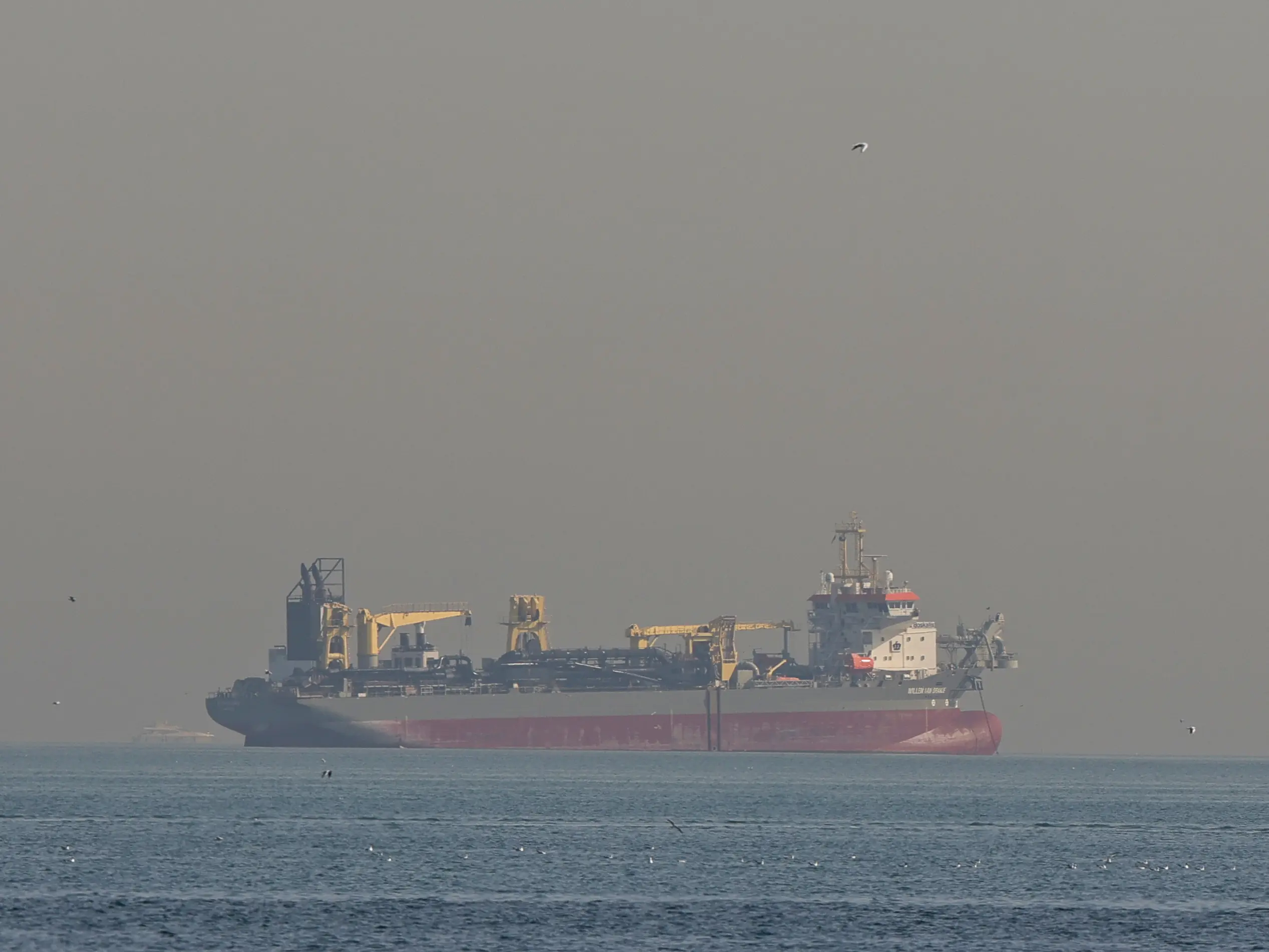
Supply constraints continue to affect the market, particularly in the Gulf region, where a large share of untapped reserves is located. Exports have been disrupted due to tensions around the Strait of Hormuz, triggered by Iran following US and Israeli strikes earlier this year. Oil prices have remained above $100 per barrel for nearly two months, putting pressure on economies, industries and airlines worldwide.

The UAE, one of the world’s top oil producers, formally exited both the Organisation of the Petroleum Exporting Countries (OPEC) and OPEC+ after announcing its decision on April 28, with the move taking effect on Friday.
Also Read: ‘Impossible operation or bad deal’: Iran Revolutionary Guards warn Trump has limited options
Explaining the decision, UAE Energy Minister Suhail bin Mohammed Al Mazrouei said, “The UAE’s decision to exit Organisation of the Petroleum Exporting Countries reflects a policy-driven evolution aligned with long-term market fundamentals. We thank OPEC and its member countries for decades of constructive cooperation. We remain committed to energy security by providing reliable, responsible and lower-carbon supply, while supporting stable global markets.”
Trending Stories
)
Three labourers killed as DU student loses control of his car, rams into them on Dwarka Expressway
)
Sikh driver attacked in Wyoming in US, suffers 17 stab wounds
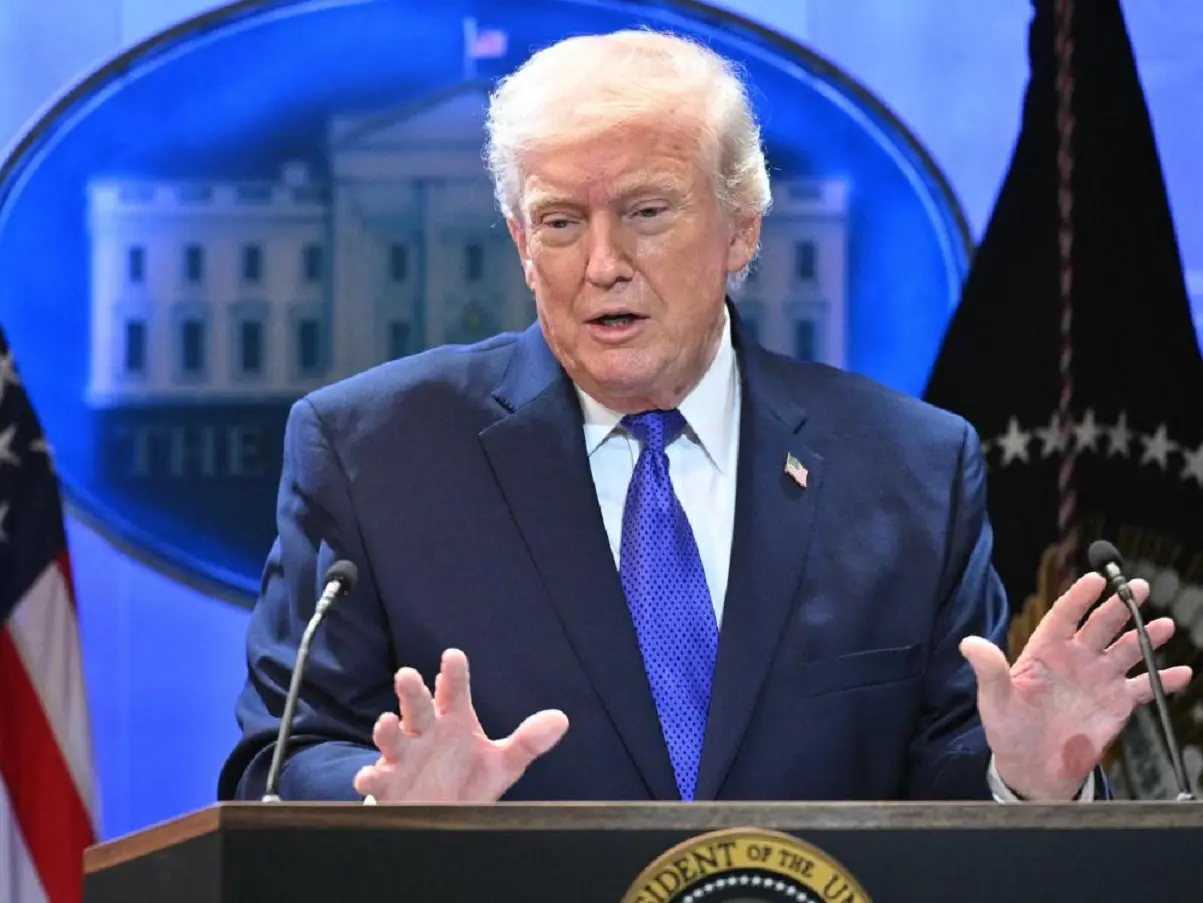)
‘I have a big decision coming up’: Trump says he’s approaching major ‘crossroad’ in Iran war
)
India seeks to build a full semiconductor supply chain
)
US intel warns China can steal F-35 jets secret from Saudis
&im=FitAndFill=(700,400))
From Abhishek Sharma to Sahil Chauhan, 5 batters with fastest T20I hundreds
)
Indian activist-lawyer Prashant Bhushan's post brings focus on ‘conflict of interest’ appointments of ex-govt officials at Reliance, Adani groups
)
Former India player Diana Edulji wants Smriti Mandhana to replace Harman as skipper at the earliest
&im=FitAndFill=(700,400))
Meet top 5 batters in the latest ICC T20I Rankings
)
Formula One reveals the 2027 race calendar; Monaco to host sprint race for the first time
)
UNGA 2026 theme explained: What does ‘Restoring trust, managing transformation: A United Nations that delivers for all’ mean?
)
Godfather of AI Geoffrey Hinton gives US lawmakers a one-year warning on AI
)
AI already defying, denying humans, is it beyond human control already?
)
US F-16 fighter jet crashes in Michigan during training mission, pilot ejects safely
)
Xi-Trump summit may boost military links
&im=FitAndFill=(700,400))
Meet top 5 Indian batters with fastest T20I centuries
)
Hong Kong unveils 11 new measures to boost birth rates, offers higher cash bonuses and housing perks
)
Shivakumar attends 79th Kalyana Karnataka Utsav in Kalaburagi
)
US to sell 48 F-35 Lightning fighter jets to Saudi Arabia, help it deter threats
)
Australian athlete, who soiled herself during Hyrox race, apologises for continuing
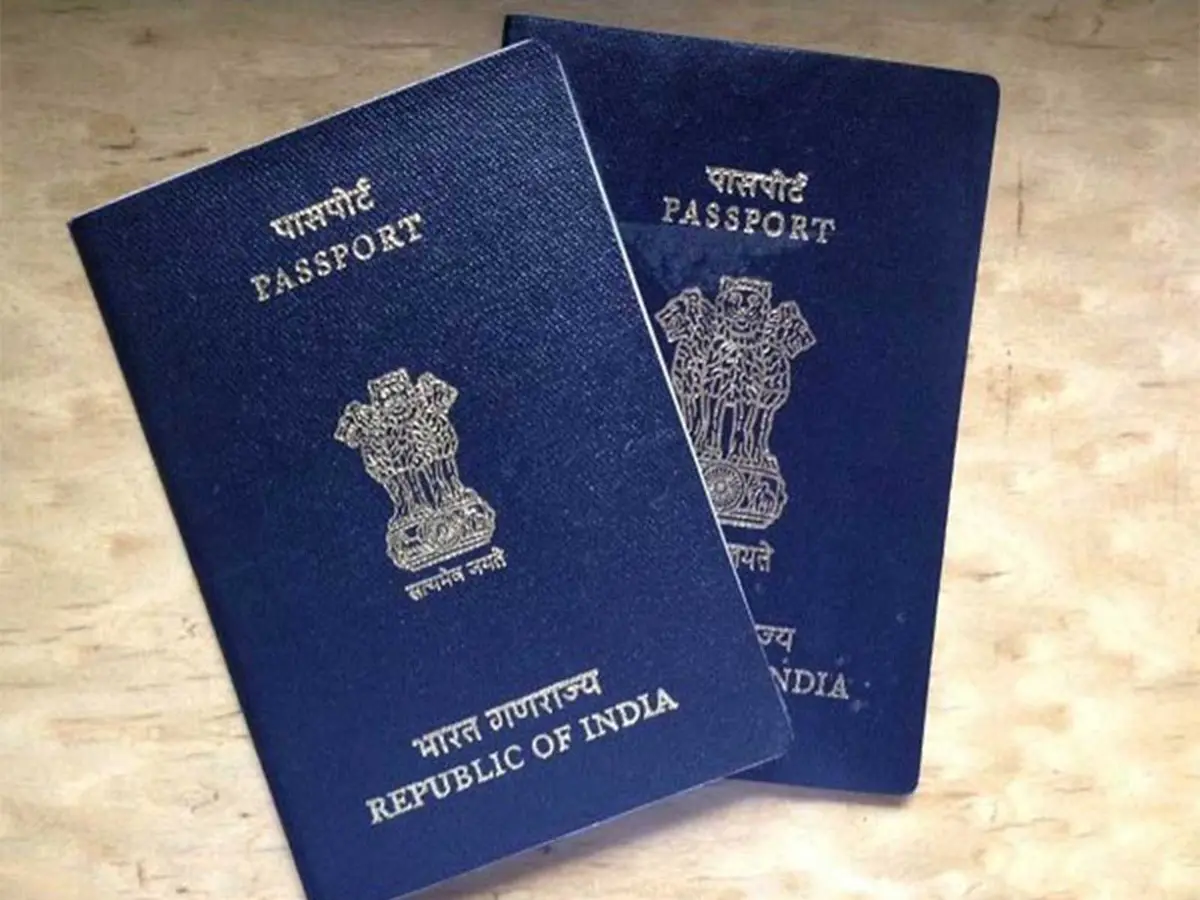)
Passport fees hiked, child validity revised: What the new rules introduce
)
Hong Kong extends newborn cash support scheme by three years
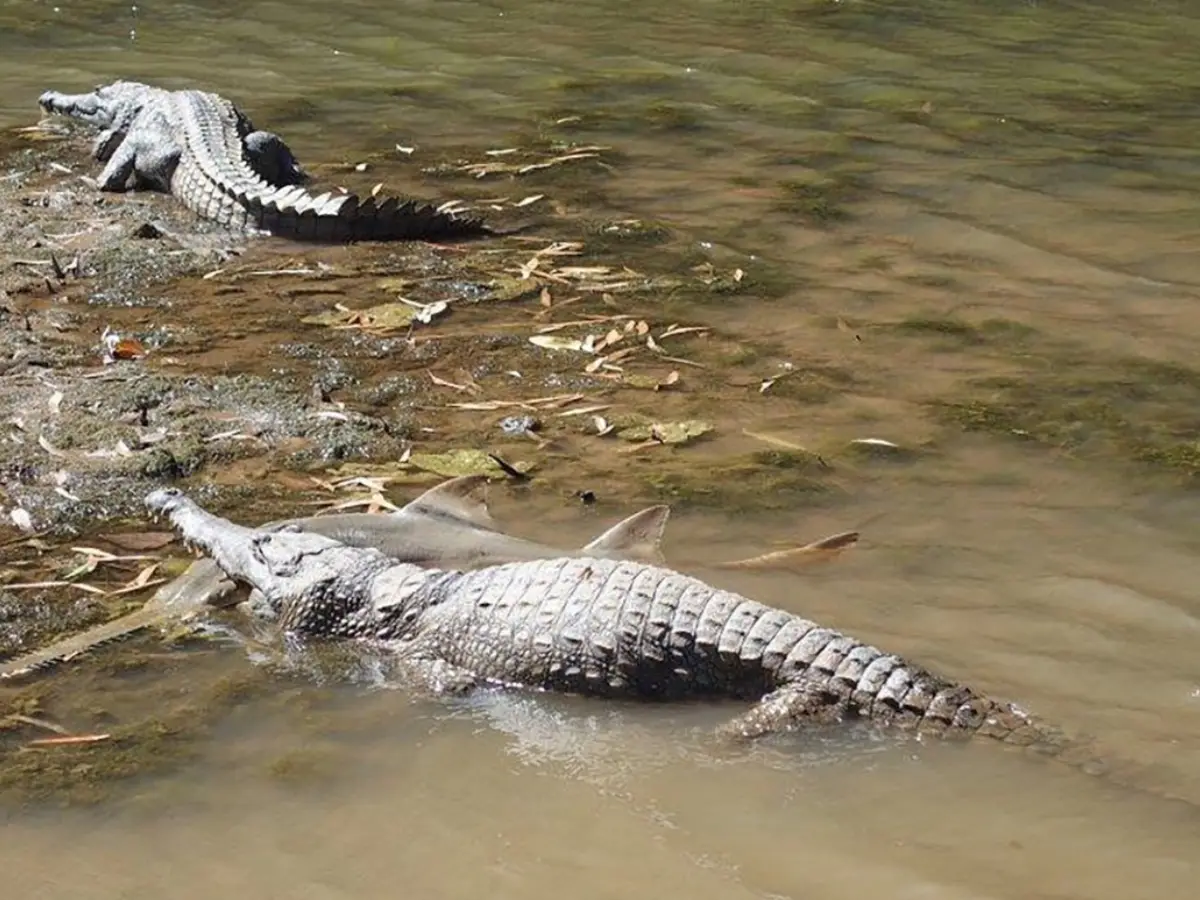)
How did an Australian river with 500 crocodiles pass the Olympic test? Here's how
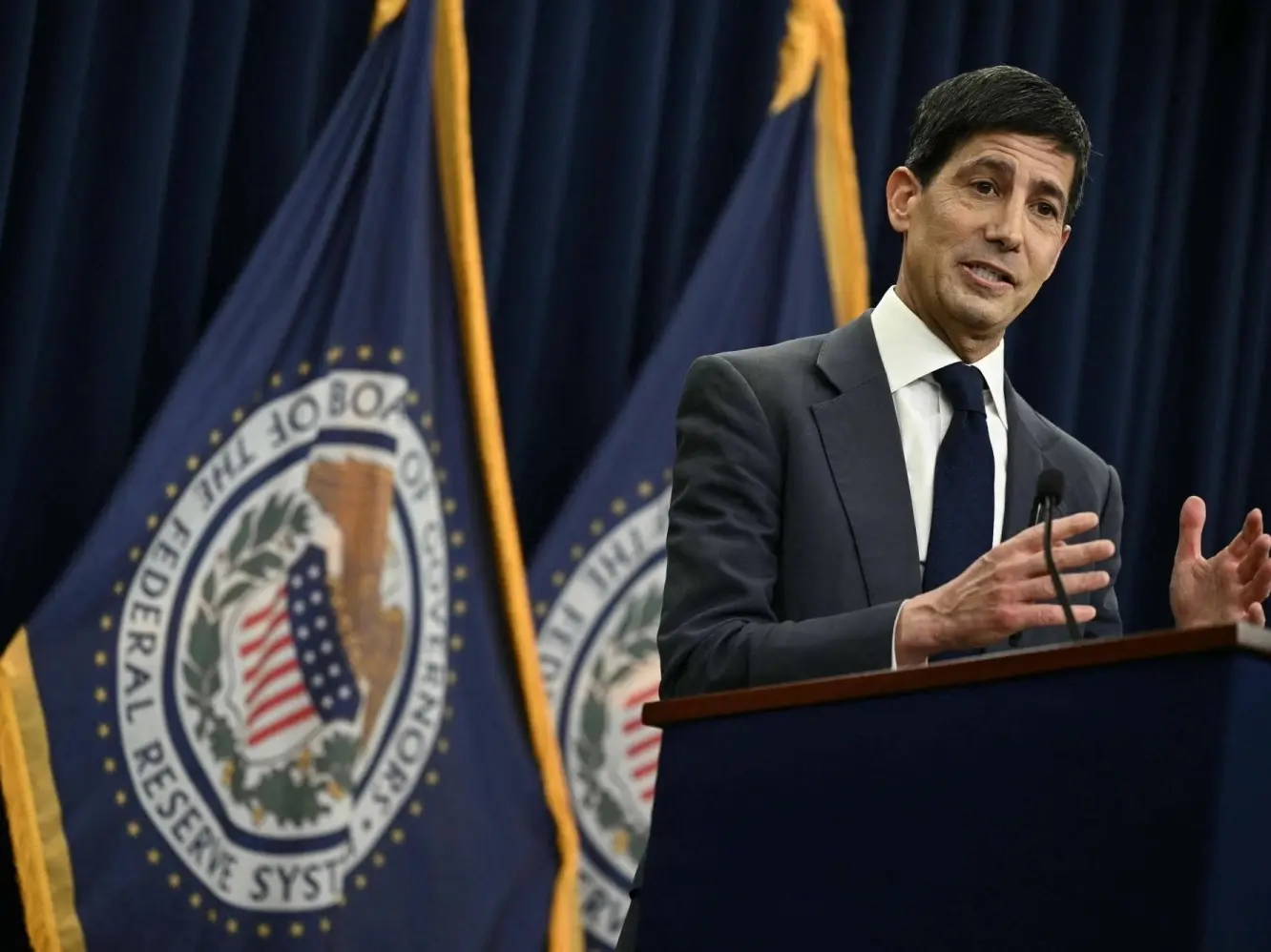)
Fed raises rates for first time in 3 years, Kevin Warsh defies Trump as inflation mounts
)
US drone firm linked to Trump’s sons signs MoU with Pakistan army, gets initial order
)
Pak batter Rizwan's petition against being questioned by cyber crime agency rejected by court
)
Daayra movie review: Kareena Kapoor, Prithviraj Sukumaran shine in Meghna Gulzar’s cop-versus-cop crime thriller
&im=FitAndFill=(700,400))
Which country has the most F-35s outside America?
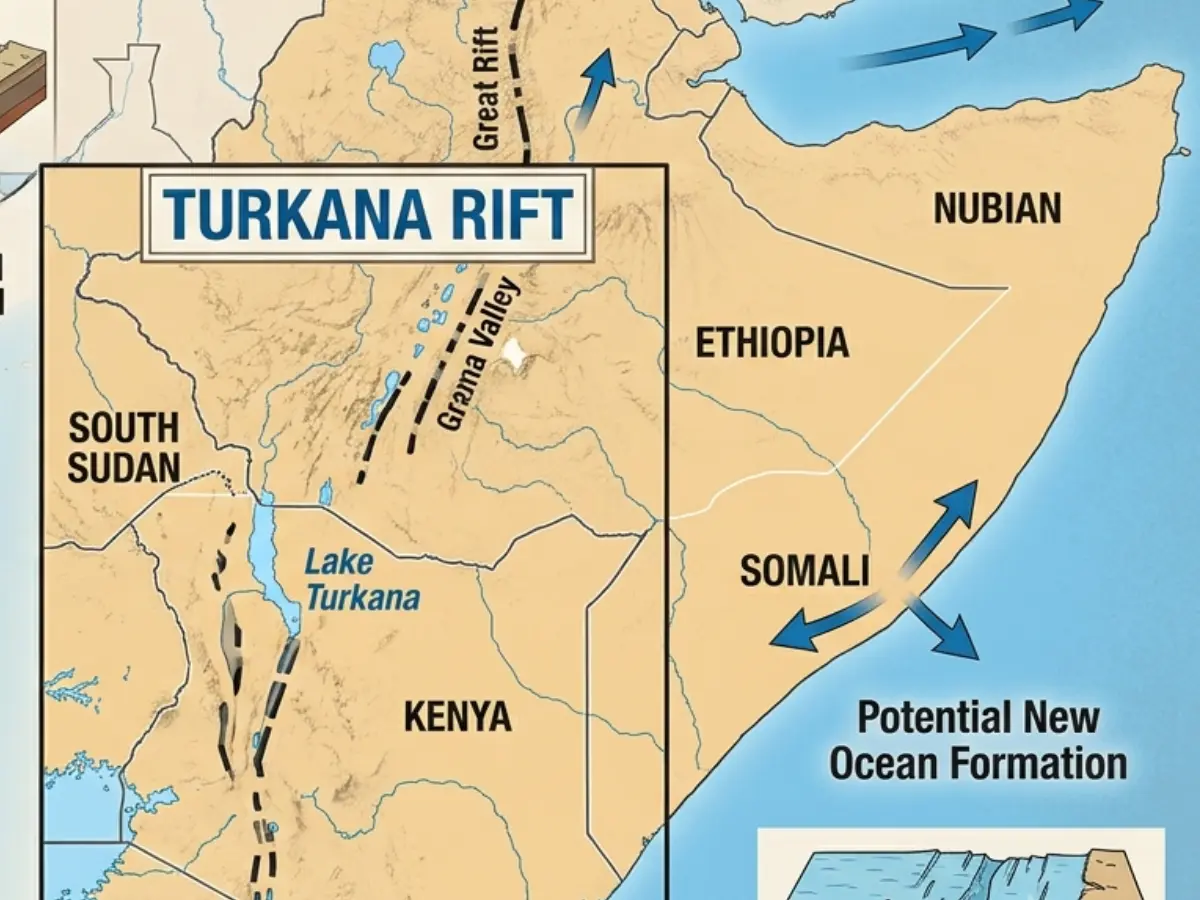)
Africa is splitting, and a lot sooner than estimated, giving way to a new ocean
)
'Gangsta' crab shoves knife blade at man and his dog in Florida - Watch
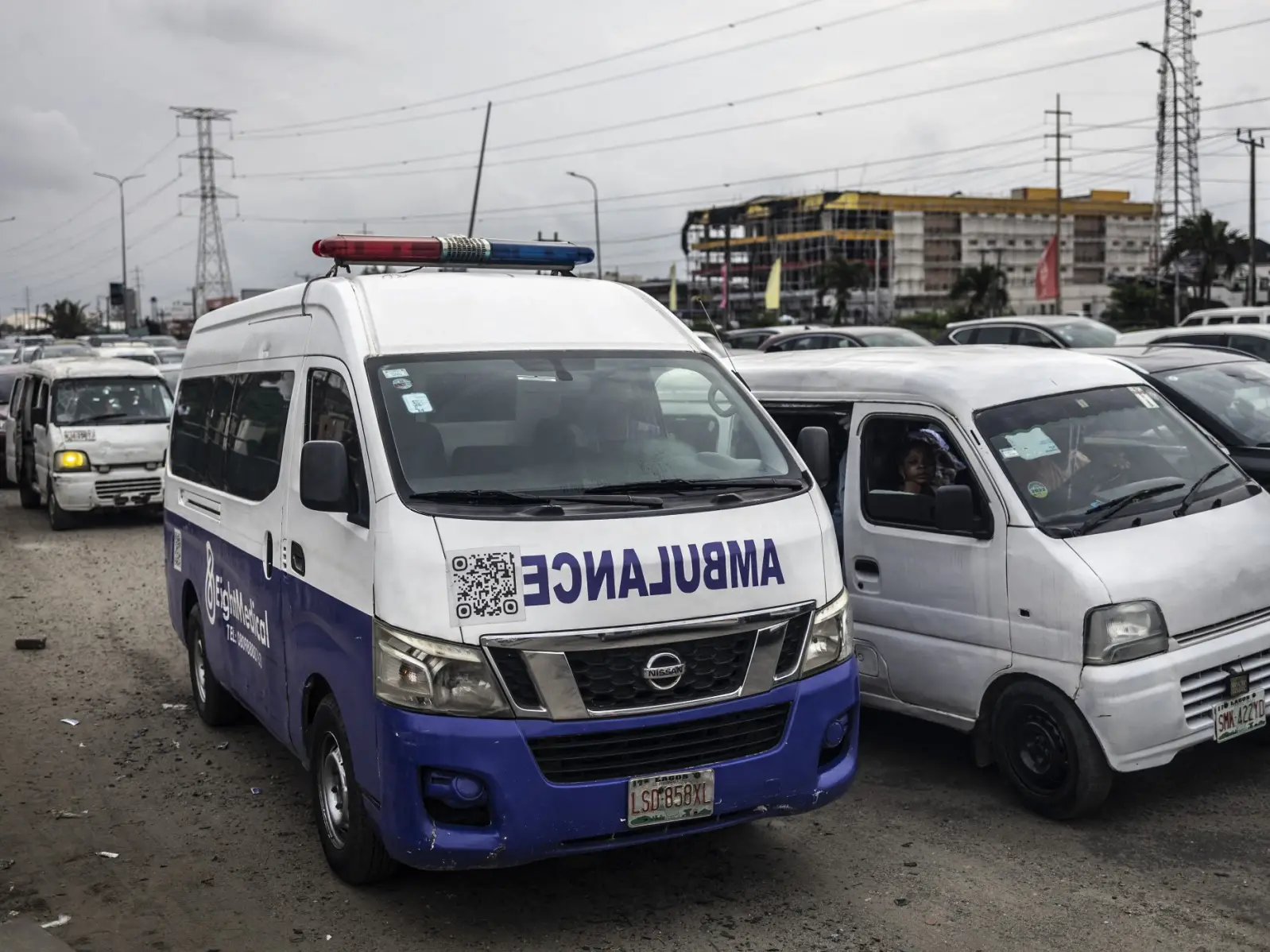)
At least 48 dead, 100 hospitalised in Nigeria after drinking suspected methanol-laced alcohol
)
US-Iran War: Trump says ‘big decision’ on Iran ahead, weighs possible fresh military action
&im=FitAndFill=(700,400))
Meet top 5 bowlers in latest ICC T20I rankings
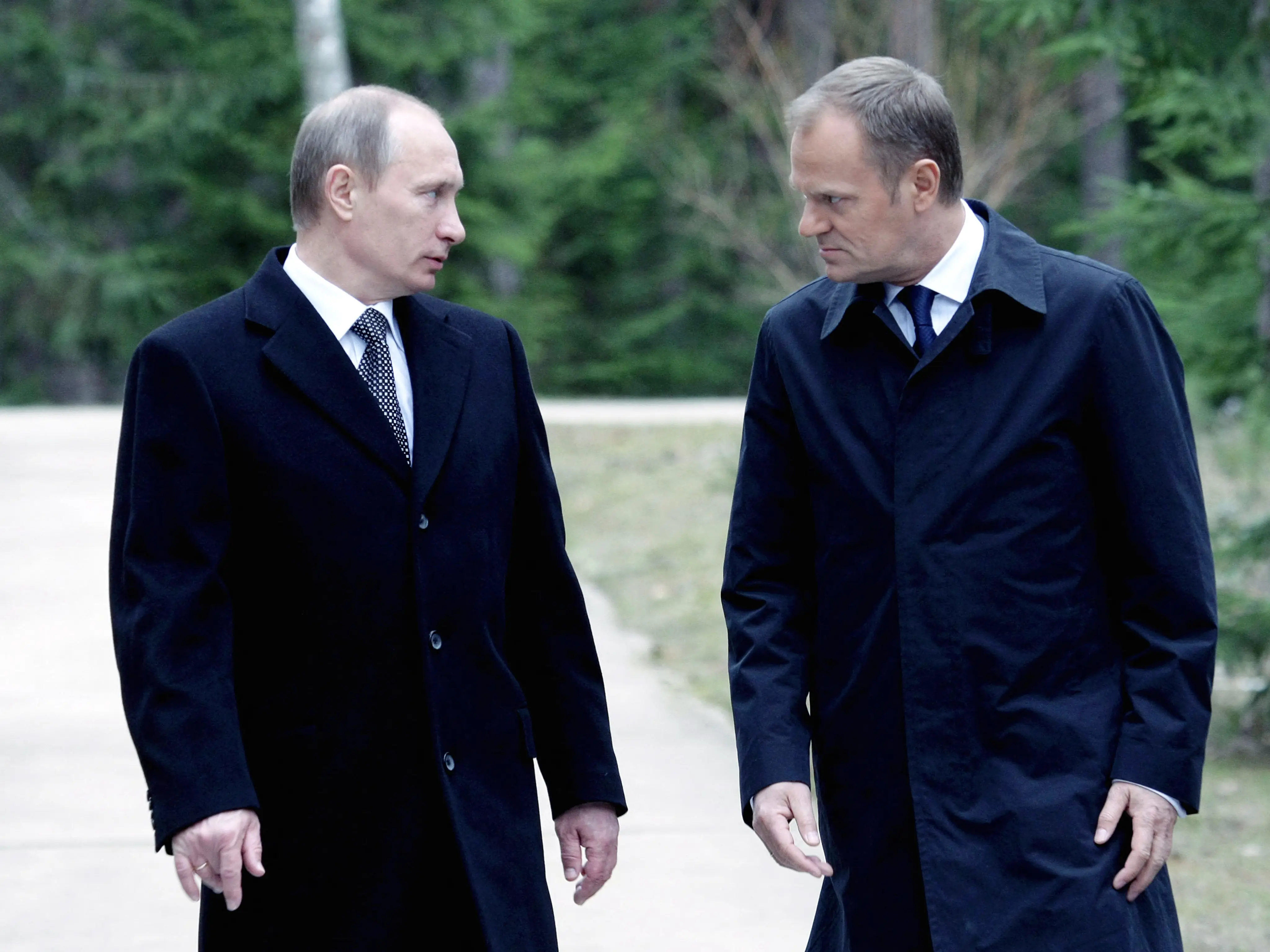)
Putin 'is plotting something bad': Russia may launch 'accidental' strikes on NATO countries supporting Ukraine, Poland PM warns
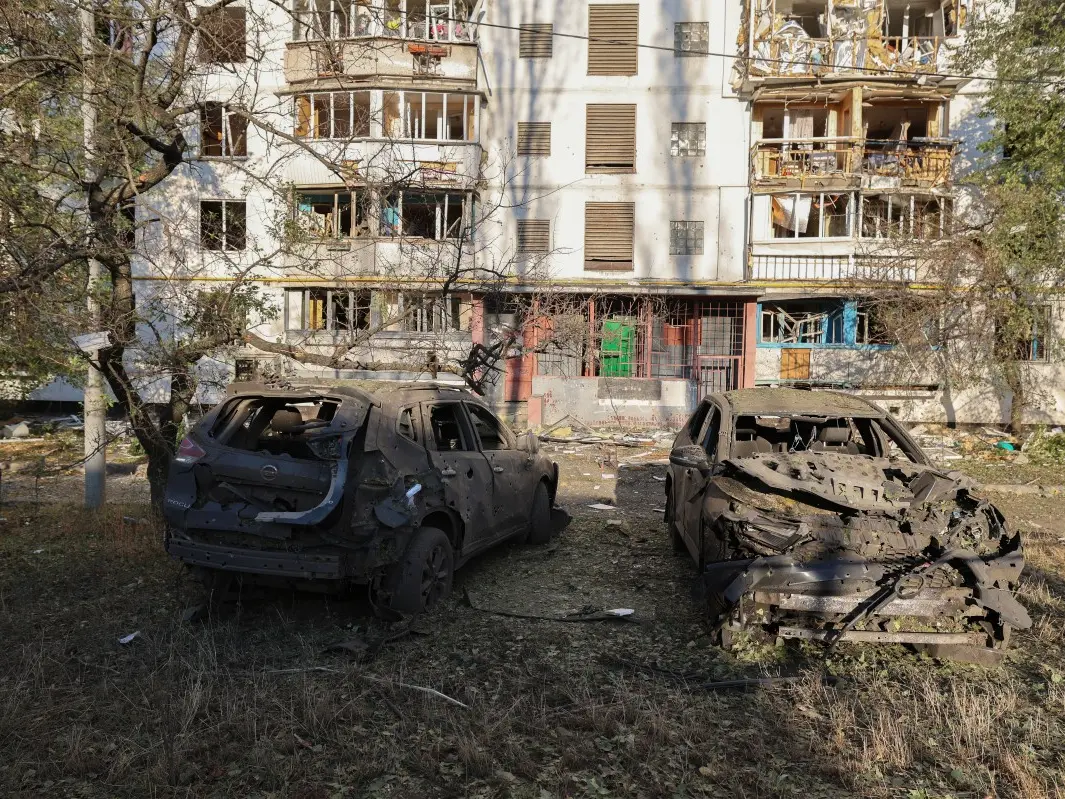)
Ukraine plans record $109 bn defence spending, nearly two thirds of budget amid Russia war
&im=FitAndFill=(700,400))
Suriya and Jyothika say ‘I do’ again after 20 years! See their dreamy wedding pics
)
Laura Wolvaardt sets new world record for most WT20I runs in a year
)
Asian Games 2026: Shafali stars as India thump Japan by 8 wickets to book semis berth
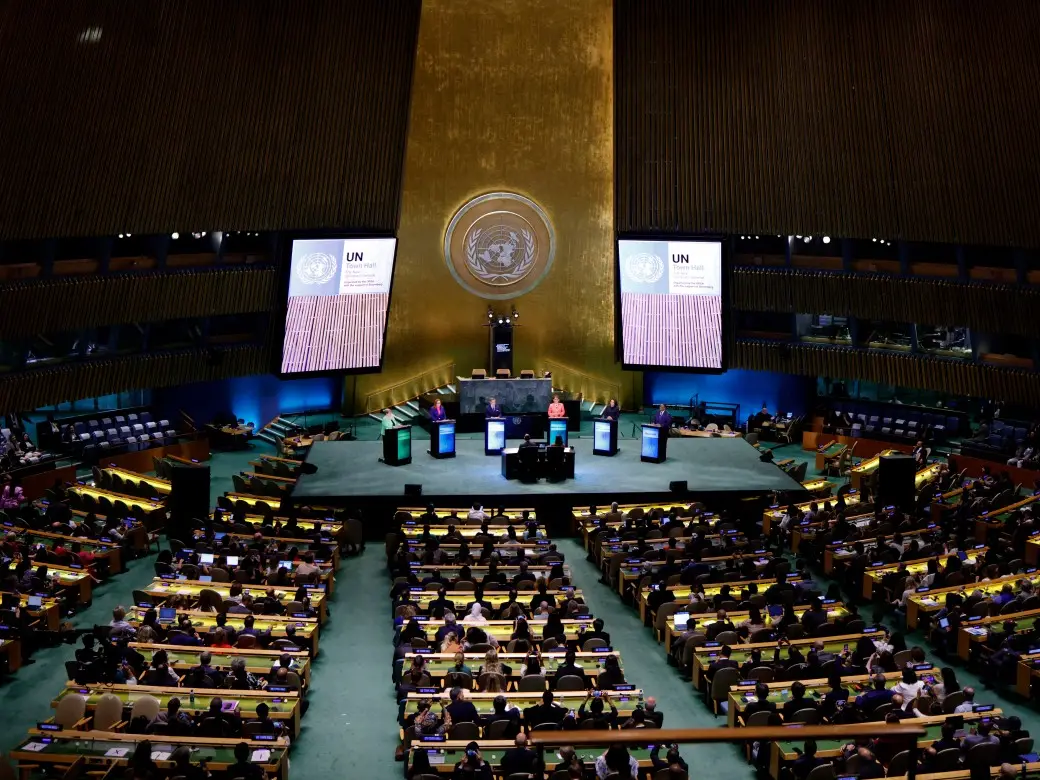)
Pezeshkian, Araghchi set to attend UNGA 2026 in New York amid ongoing conflict as US-imposed travel curbs remain
)
'He will always be ahead': India coach Gambhir says Sooryavanshi won't walk into team ahead of Samson
He added that the decision followed a review of the country’s production strategy. “This decision follows a comprehensive review of the UAE’s production policy and its current and future capacity. It is based on our national interest and our commitment to contributing effectively to meeting the market’s pressing needs,” a statement carried by the official Emirates News Agency said.
So far, OPEC+ members have not publicly responded to the UAE’s exit, making its absence from the latest statement notable. The decision to raise output came after a virtual meeting of member countries as the group attempts to maintain stability amid ongoing geopolitical tensions.