Japan 'den of spies': Tokyo vows stricter scrutiny after report reveals weapons parts smuggling

&imwidth=600&imheight=450&format=webp&quality=medium "Japan 'den of spies': Tokyo vows stricter scrutiny after report reveals weapons parts smuggling")
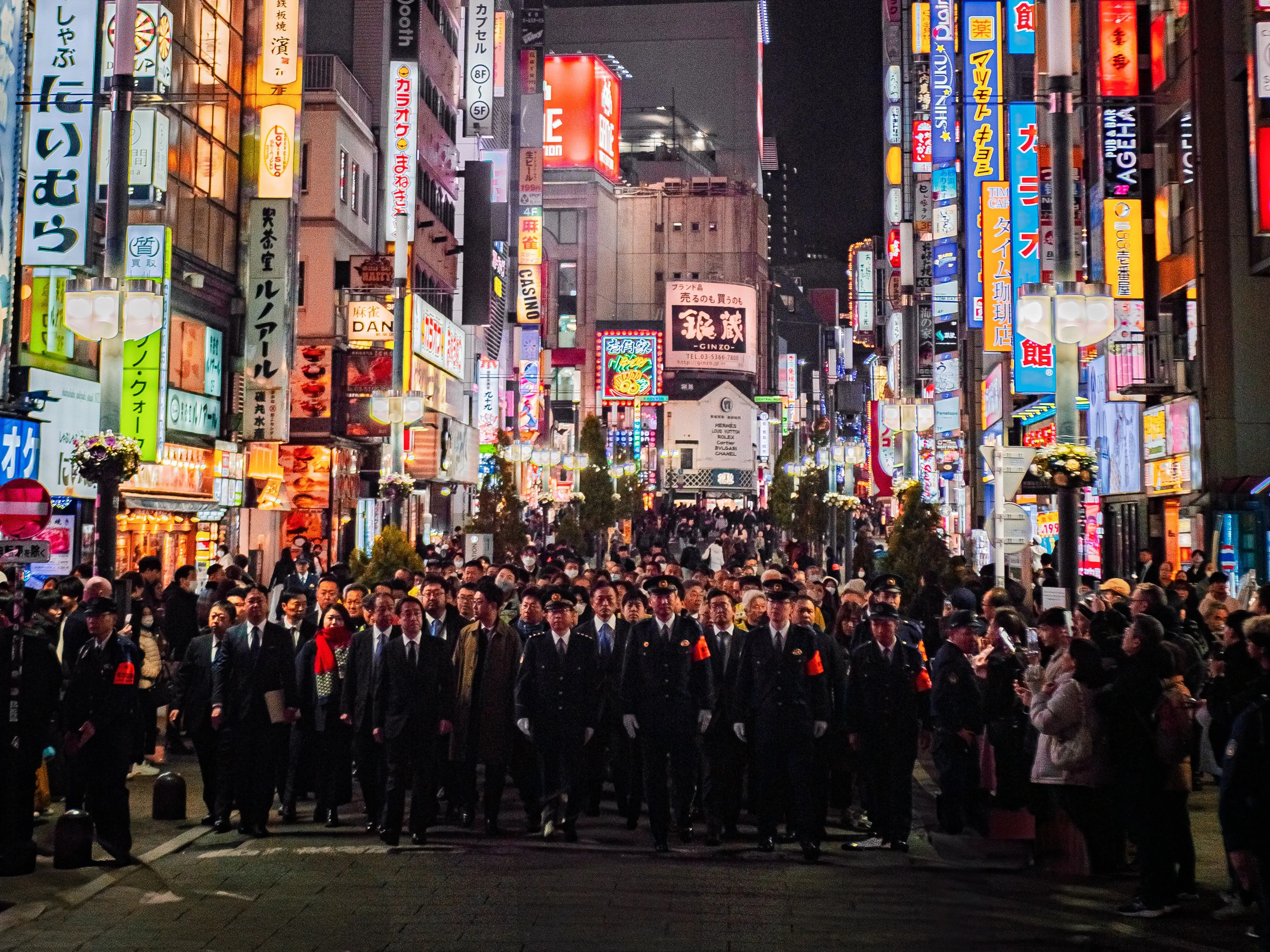
A crowded street in Tokyo at night with colorful neon signs and people walking Photograph: (Credit: Pexels/Representative image)
Japan’s government has acknowledged the urgent need to counter foreign intelligence networks after a landmark New York Times investigation revealed Russia turned Tokyo into a "den of spies" to smuggle dual-use microchips and technology components for its war in Ukraine.
Chief government spokesman Minoru Kihara announced Monday (July 13) that Japan recognises the growing need to enhance its countermeasures against foreign intelligence activities threatening its national security. This statement followed a news outlet New York Times investigation published Sunday, which reported that Russia has transformed Japan into a "den of spies" and a major hub for acquiring weapons components due to the country's weak espionage laws.
The report detailed that Moscow utilises Japan for intelligence gathering and the procurement of dual-use technology essential for its war in Ukraine. According to Ukrainian government estimates cited in the investigation, 90 per cent of Russian drones and missiles contain components from Japan. Because direct exports to Russia are restricted, these procurement networks reroute the components through intermediary companies and third countries, including Vietnam, Uzbekistan, and Sri Lanka.
The New York Times identified Maksim Vladimirovich Filchenkov as the Russian intelligence operative running these operations in Japan. Filchenkov reportedly works under cover at the Tokyo office of the Russian airline Aeroflot.
Trending Stories
)
)
)
)
)
)
)
)
)
)
)
)
)
)
)
)
)
)
)
)
)
)
)
&im=FitAndFill=(700,400))
)
)
)
)
&im=FitAndFill=(700,400))
)
)
While Kihara declined to comment directly on the American newspaper's specific report, he emphasized to reporters that Tokyo must address the acquisition of critical information and foreign intelligence threats with even greater rigour. To combat these challenges, Kihara noted that Japan's parliament approved legislation this year to pave the way for creating a new national body. This new entity will be tasked with coordinating the country's currently fragmented intelligence activities.

