Iranian threats have dramatically increased both inside and outside US, says intel chief Jay Clayton


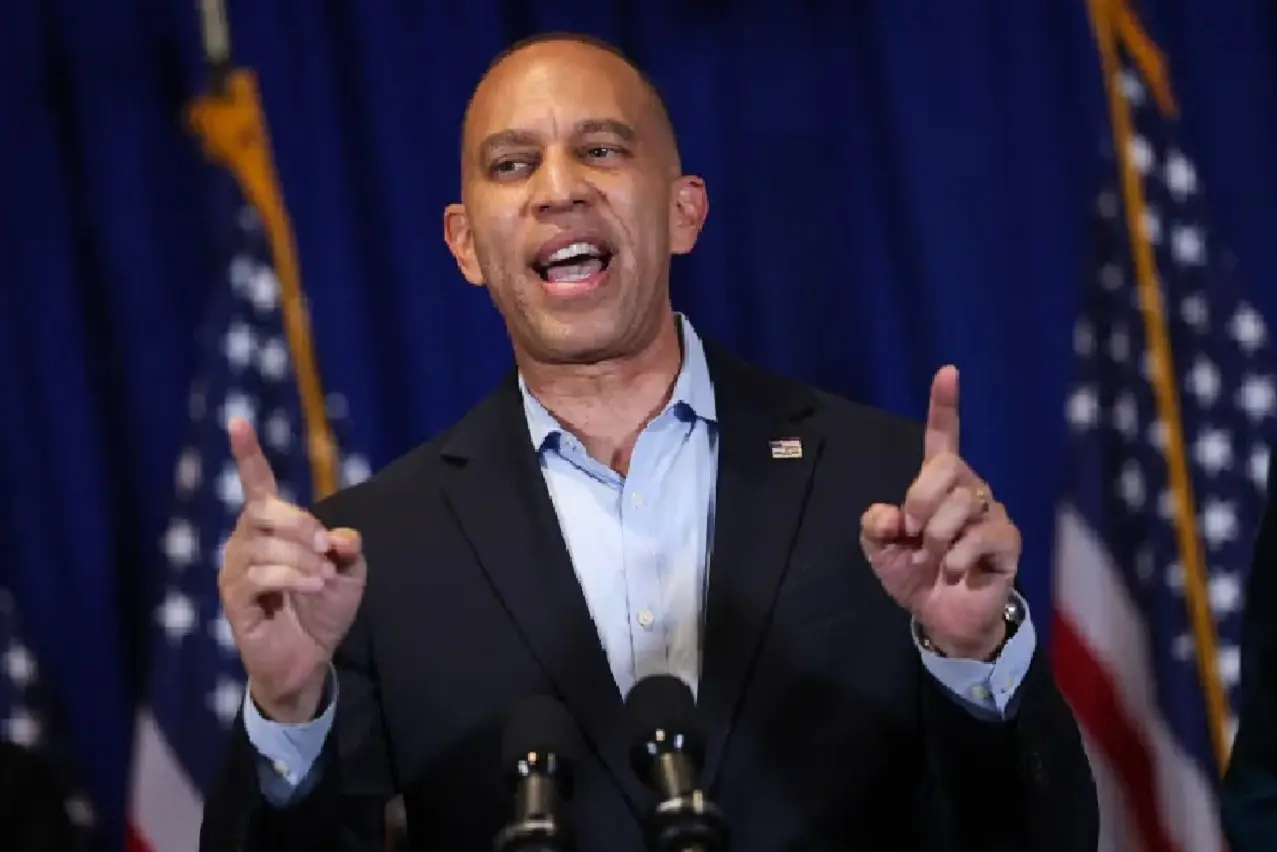
US Director of National Intelligence Jay Clayton testified at a hearing of the US House Homeland Security Committee. Photograph: (AFP)
US Director of National Intelligence Jay Clayton emphasised the danger posed by online radicalisation and while describing how foreign extremist networks can influence individuals already living inside the United States, said the threat is not theoretical but real.
US Director of National Intelligence Jay Clayton said during a hearing on Wednesday that Iranian threats inside and outside the United States have “dramatically increased” and emphasised the danger posed by online radicalisation.
Clayton said the US faces “a heightened threat from Iranians’ lethal plotting against our citizens at home and abroad.”
“We remain committed to detecting, deterring and combatting the Iranian lethal plotting outside the United States and inside the United States,” Clayton told members of the House Homeland Security Committee during a hearing.
“These threats have dramatically increased,” he added.
Clayton was responding to a question about media reports concerning an alleged Iranian plot to detonate a so-called “dirty bomb” in the US.
He chose not to speak further on the specifics of US intelligence or detail the supposed threat.
Trending Stories


The Director of National Intelligence also emphasised the danger posed by online radicalisation and described how foreign extremist networks can influence individuals already living inside the United States.
“That's not theoretical; it’s real,” Clayton said.
Deputy FBI Director Christopher Raia said that intelligence about possible plots does not necessarily mean would-be attackers have the capability to carry out the plans.
“A lot of the reporting is largely aspirational,” Raia said. “But that does not mean we do not take it seriously.”
Clayton testified at a hearing of the US House Homeland Security Committee titled “Worldwide Threats to the Homeland: 25 Years after 9/11”, alongside Secretary of Homeland Security Markwayne Mullin and Deputy FBI Director Christopher Raia.
CENTCOM chief meets Israeli general in Tel Aviv
The chief of Israel’s military, Lt. Gen. Eyal Zamir, met with US Central Command leader Adm. Brad Cooper in Tel Aviv on Wednesday to discuss the current situation in the Middle East.
“During the meeting, the participants discussed regional developments and shared security challenges,” Israeli officials said in a statement.
“They also addressed the importance of deepening strategic and operational cooperation between the two militaries, strengthening coordination, and enhancing joint readiness to address a range of scenarios.”
CENTCOM oversees military action in the Middle East.
In addition, Zamir, Cooper and Mossad Director Roman Gofman took part in a trilateral meeting. Mossad is Israel’s foreign intelligence agency, similar to the US Central Intelligence Agency.
The US and Israel have been debating whether to restart military action against Iran. The US launched a strike on Qeshm Island on Tuesday, which was categorised as self-defence after Iran had launched unsuccessful strikes against Bahrain multiple times this week.