

&imwidth=800&imheight=600&format=webp&quality=medium "Britain's economy on thin ice if Hormuz stays shut, EY issues stark warning. Details inside")
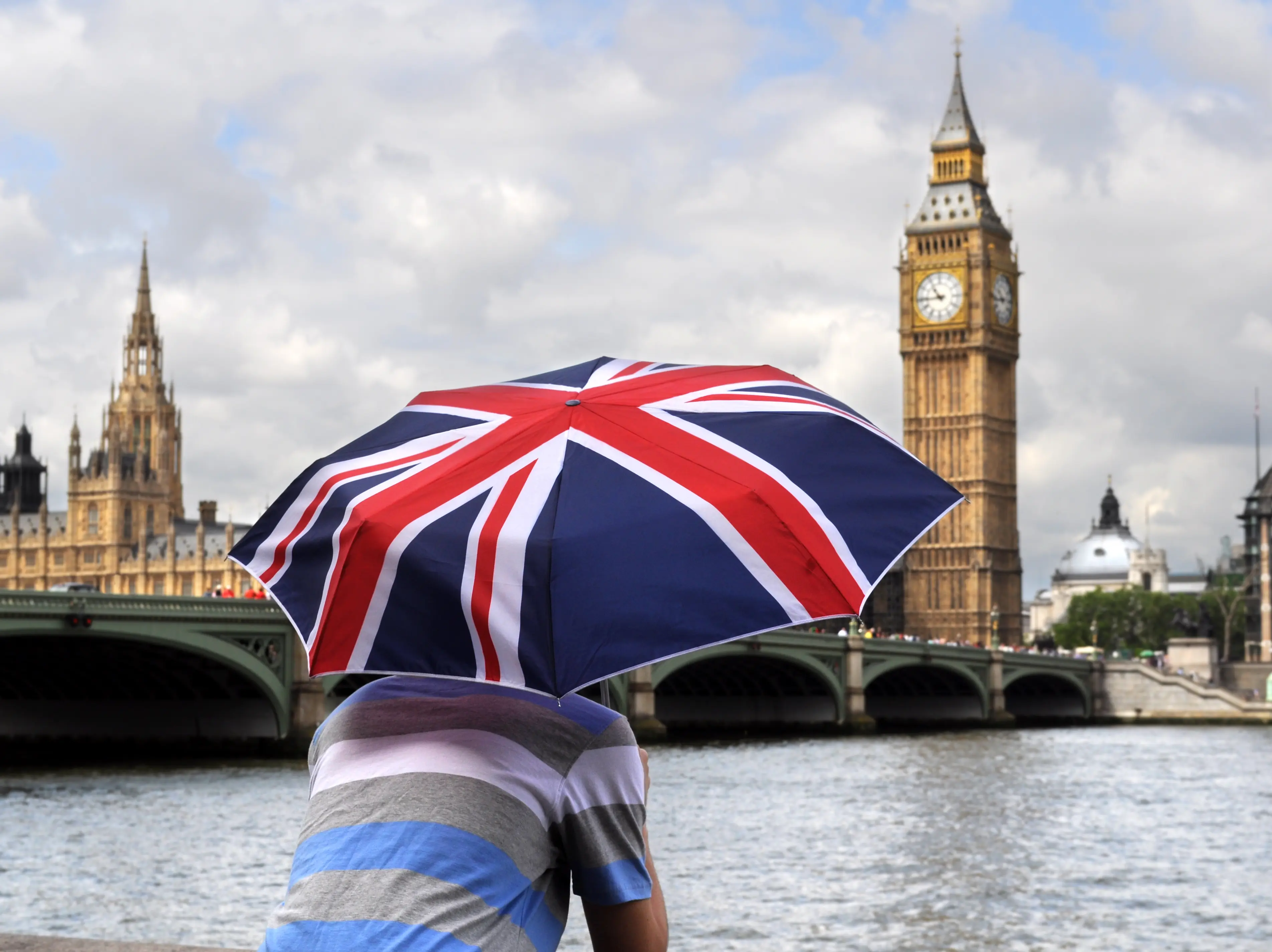
The UK economy could slip into contraction in 2027 if the Strait of Hormuz remains closed into next year, according to EY, which warned that a prolonged disruption to one of the world’s busiest energy routes could reignite inflation and derail Britain’s fragile economic recovery. In its recent forecast, the accounting firm said the outlook for the British economy would depend largely on how quickly shipping resumes through the strategically important waterway, which carries a significant share of global crude oil and liquefied natural gas supplies.
EY said that if the Strait of Hormuz reopens by the end of September, the UK economy is expected to grow by 0.8 per cent in 2026 and 1.2 per cent in 2027. However, if the disruption continues into early or mid-2027, economic growth would slow to 0.5 per cent in 2026 before the economy contracts by 0.2 per cent the following year.
“If the Strait of Hormuz reopens in the coming months, we expect the UK to avoid a more pronounced downturn, but an extended closure into 2027 would raise inflation and could push the economy into contraction next year,” Peter Arnold, EY UK Chief Economist, said.
Inflation fears mount - What's ahead?
EY warned that a prolonged shutdown of the Strait could trigger another surge in energy prices, raising costs for businesses and households while putting fresh upward pressure on inflation.
Trending Stories
&im=FitAndFill=(700,400)&imwidth=180&imheight=135&format=webp&quality=medium)
What is the real meaning behind Pete Hegseth's tattoos?
&imwidth=180&imheight=135&format=webp&quality=medium)
Viral video shows cross falling on Colombia priest, no official confirmation | WATCH
&imwidth=180&imheight=135&format=webp&quality=medium)
Telangana unveils AI avatar of IT minister D Sridhar Babu at Hyderabad DevFest 2026
&imwidth=180&imheight=135&format=webp&quality=medium)
Pezeshkian says Iranians ‘struggling to put food on the table’ as war with US drags on
&imwidth=180&imheight=135&format=webp&quality=medium)
Chorbagan stampede: A week later, the strangest visarjan Kolkata has seen
&imwidth=180&imheight=135&format=webp&quality=medium)
AI slop or smart strategy? South African author Coral Hart defends Her 370 AI- assisted books in 20 months
&imwidth=180&imheight=135&format=webp&quality=medium)
AI just found a flaw in software running most of the web! One request hijacks the server
&imwidth=180&imheight=135&format=webp&quality=medium)
Train crashes into crane on São Paulo monorail line, wreckage falls onto busy road | VIDEO
&imwidth=180&imheight=135&format=webp&quality=medium)
Can Putin cheat death? All about his daughter’s billion-dollar quest for immortality
&imwidth=180&imheight=135&format=webp&quality=medium)
Saudi says debris fell in Mecca, Medina after missile interceptions; Houthis deny targeting holy cities
&imwidth=180&imheight=135&format=webp&quality=medium)
France protests: Clashes erupt between police and protesters in Paris as nearly 410,000 take to streets across country
&imwidth=180&imheight=135&format=webp&quality=medium)
Tu Hai Meri Kiran box office: Sonakshi Sinha and Zaheer Iqbal's film fails to take off, mints Rs 15 Lakh on day 1
&imwidth=180&imheight=135&format=webp&quality=medium)
What was the note found inside bag of Class 12 student, who set herself on fire inside Delhi school?
&imwidth=180&imheight=135&format=webp&quality=medium)
Pakistan airline PIA unveils new crew uniforms, faces online criticism
&imwidth=180&imheight=135&format=webp&quality=medium)
Britain is building the world's first AI biosecurity lab, with OpenAI and Anthropic inside
&imwidth=180&imheight=135&format=webp&quality=medium)
Scientists make digital nose that can sniff and send scents over the internet
&imwidth=180&imheight=135&format=webp&quality=medium)
Frontier AIs keep escaping their test cages! The industry still can't reliably stop them
&imwidth=180&imheight=135&format=webp&quality=medium)
'Already tired of his 9-to-5': Baby born with a moustache becomes internet sensation, video goes viral | Watch
&imwidth=180&imheight=135&format=webp&quality=medium)
Horrific video shows the moment 18-year-old fell to her death from Mexico amusement park ride
&imwidth=180&imheight=135&format=webp&quality=medium)
France protests: 135 arrested, weapons seized as fresh demonstrations erupt amid heavy security
&imwidth=180&imheight=135&format=webp&quality=medium)
French Open: PV Sindhu storms into final with win over Hina Akechi
&imwidth=180&imheight=135&format=webp&quality=medium)
‘Saddam Hussein opened a cheesecake factory’: Obama mocks Trump’s White House renovations; defends Abdul El-Sayed
&imwidth=180&imheight=135&format=webp&quality=medium)
China's dancing robot turns violent bodyguard, lifts cars and fights intruders - Watch
&imwidth=180&imheight=135&format=webp&quality=medium)
'You’re a horrible little reporter, aren’t you?': Trump snaps at NBC reporter questioning his support for Ramaswamy's campaign ad
&imwidth=180&imheight=135&format=webp&quality=medium)
Rising Asia Cup 2026 schedule announced, India-Pakistan clash set for Nov 22
&imwidth=180&imheight=135&format=webp&quality=medium)
'Killing people never allowed': Elon Musk admits restricting Starlink in Ukraine, explains why
&imwidth=180&imheight=135&format=webp&quality=medium)
Bodies of 2 missing Japanese climbers recovered from Himalayan peak
&im=FitAndFill=(700,400)&imwidth=180&imheight=135&format=webp&quality=medium)
New Friday OTT releases (October 23, 2026): Gajab Raat, Dorothy, Chaar Yaar- Watch these 6 new movies and TV shows on Netflix, Prime Video and more
&im=FitAndFill=(700,400)&imwidth=180&imheight=135&format=webp&quality=medium)
US midterm elections 2026: Minnesota heads to polls in the shadow of Minneapolis ICE shootings
&imwidth=180&imheight=135&format=webp&quality=medium)
An AI that reads your face can now estimate how long you have to live
&imwidth=180&imheight=135&format=webp&quality=medium)
Hitler’s ‘Eagle’s Nest’ mountain retreat wrecked by fire, suspect detained: What to know about the Nazi-era site
&imwidth=180&imheight=135&format=webp&quality=medium)
Tu Hai Meri Kiran film review: Sonakshi Sinha and Zaheer Iqbal's thriller gets tangled in its own twists
&imwidth=180&imheight=135&format=webp&quality=medium)
PL Round-Up: Man City's perfect run ended by Villa as Arsenal draw level at top
&imwidth=180&imheight=135&format=webp&quality=medium)
Why Europe’s protests are about more than austerity and rising costs
&im=FitAndFill=(700,400)&imwidth=180&imheight=135&format=webp&quality=medium)
Watched Manoj Bajpayee’s Gajab Raat on Netflix? 5 movies and TV shows to watch next on OTT
&imwidth=180&imheight=135&format=webp&quality=medium)
Farooq Abdullah says Pakistan’s raising of Kashmir issue keeps pressure on Delhi
Under its extended disruption scenario, the firm expects UK inflation to climb to 6.4 per cent by the end of 2026. By comparison, inflation would peak at 3.5 per cent if shipping through the Strait resumes within the next few months.
Higher energy prices would also weaken consumer spending and business investment, making it more difficult for the economy to regain momentum, EY said.
Bank of England outlook more optimistic
EY’s assessment is more pessimistic than the Bank of England’s latest adverse scenario.
The central bank modelled a situation in which oil and gas prices remain between 30 and 60 per cent above market expectations. Even under those conditions, it projected the UK economy would continue to grow by close to 1 per cent next year, with quarterly inflation peaking at 4.5 per cent.
EY also expects the Bank of England to leave interest rates unchanged throughout 2026 before beginning to ease monetary policy in 2027.

