A Pompeii alley unearthed in 1794 reveals previously unknown graffiti using a special camera setup

&imwidth=600&imheight=450&format=webp&quality=medium "A Pompeii alley unearthed in 1794 reveals previously unknown graffiti using a special camera setup")
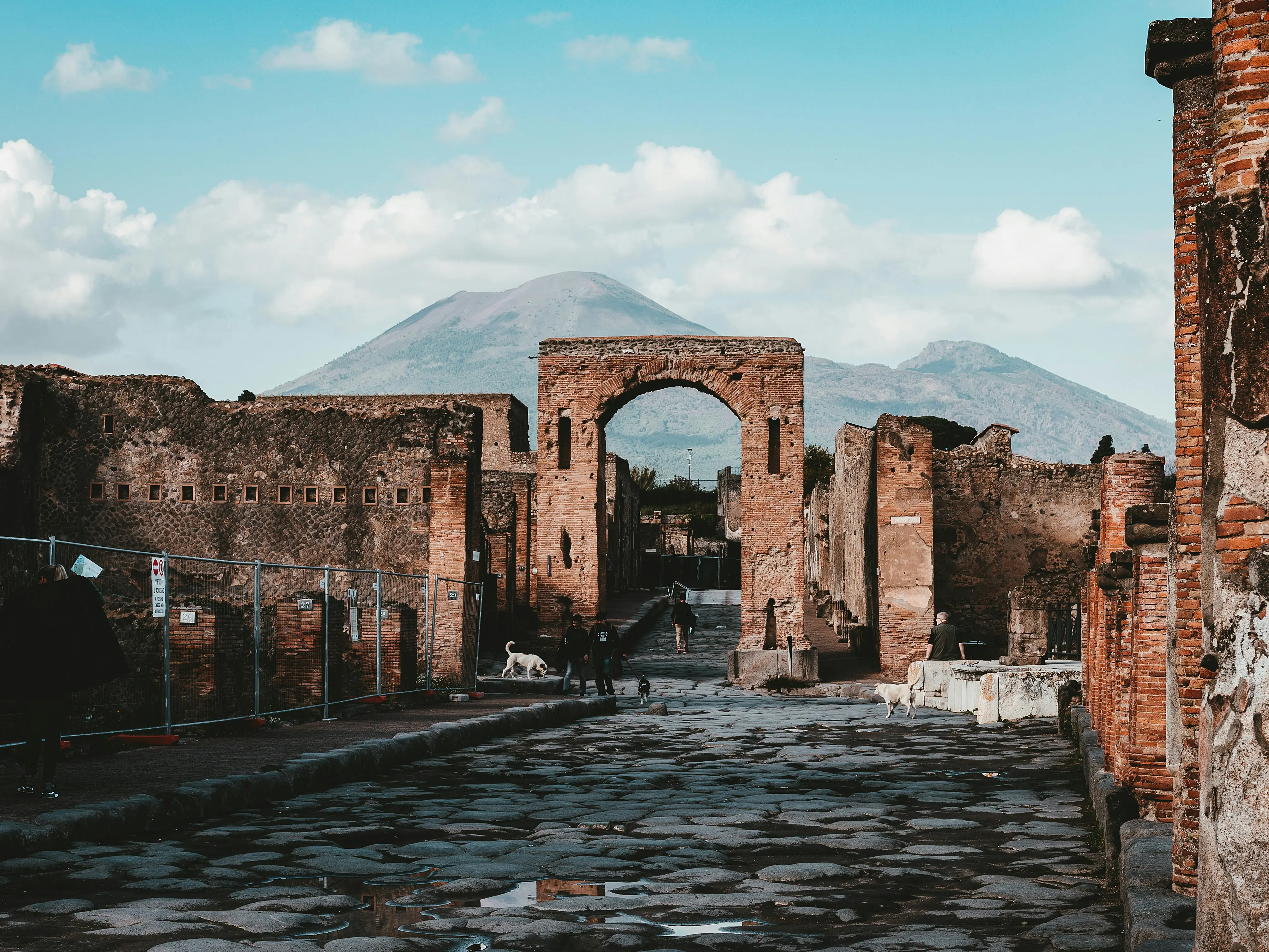
The ruins of Pompeii. Photograph: (Unsplash)
New Pompeii graffiti has been found, which shows that human behaviour never changes. The pictures show gladiators fighting, a message of love, a goodbye and a story about a sex worker.
Archaeologists have found 79 new pieces of inscriptions scratched into the walls of an alley in Pompeii using a technology that made "invisible" graffiti visible. Reflectance Transformation Imaging (RTI) technology helped them see what had remained hidden all these years. The previously unpublished inscriptions have been added to the bank of around 200 that were already known and are famous worldwide. This particular portion likely served as a urinal during those times. Graffiti, messages and all sorts of doodles are common in today's public bathrooms, and this is exactly how ancient Romans behaved as well. The ones found in Pompeii range from crude sex jokes to love and even bowel movements. The findings were published in the e-Journal degli Scavi di Pompei.
One of the messages talks about a sex tale, and not a very nice one. Pompeii's Theatre Corridor is an alley that connects two theatres and acts as a space where people could hang out. While they were doing this, some of them scratched doodles and graffiti without any inhibitions. There is the common one, which reads "Erato Amat..." ( 'Erato Loves...'), with the name of Erato's lover no longer visible. Erato was a common name for female slaves and freedwomen in those times.
Images on Pompeii alley wall
Another message mentions that a sex worker named Tyche was taken "to this place" and had sex with three men. Researchers know that a side of the corridor likely served as an open–air urinal because of the traces of guttering. The graffiti on the 27–metre–long and 3–metre–wide alleyway was first noticed when the place was excavated in 1794. However, not all of it was clearly visible. Technology has now allowed archaeologists to clearly see more of it, with 79 new messages now showing up.
Trending Stories
)
&im=FitAndFill=(700,400))
)
)
)
)
)
&im=FitAndFill=(700,400))
)
&im=FitAndFill=(700,400))
)
)
)
)
)
)
)
)
)
)
)
)
)
)
)
)
)
)
)
)
)
)
)
)
)
)
)
)
&im=FitAndFill=(700,400))
)
)
)
The messages on Pompeii wall
Researchers from the Sorbonne in Paris and the University of Quebec used a technique called Reflectance Transformation Imaging to take a better look at the walls. They positioned a special camera setup to shed light on the wall from different angles. Whatever little detail was present that could not be seen otherwise, was detected by a computer program. Over 300 pieces of graffiti were picked up by the system, and 79 of them had never been seen before. There are messages of love, like the one by Erato, and another that reads, “I'm in a hurry; take care, my Sava, make sure you love me!”
One of the more yucky ones reads, "Miccio, your father ruptured his belly when he was defecating; look at how he is, Miccio!" There are also some crude and sexual drawings, while some people showed off their artistic skills in detail. Another illustration shows two gladiators in combat, and the researchers think that the details in the image show the artists likely witnessed a real fight and recreated it from memory.

