
&imwidth=800&imheight=600&format=webp&quality=medium "2,000-year-old coins from time of King Vasudeva discovered in Pakistan prove something about religious beliefs")
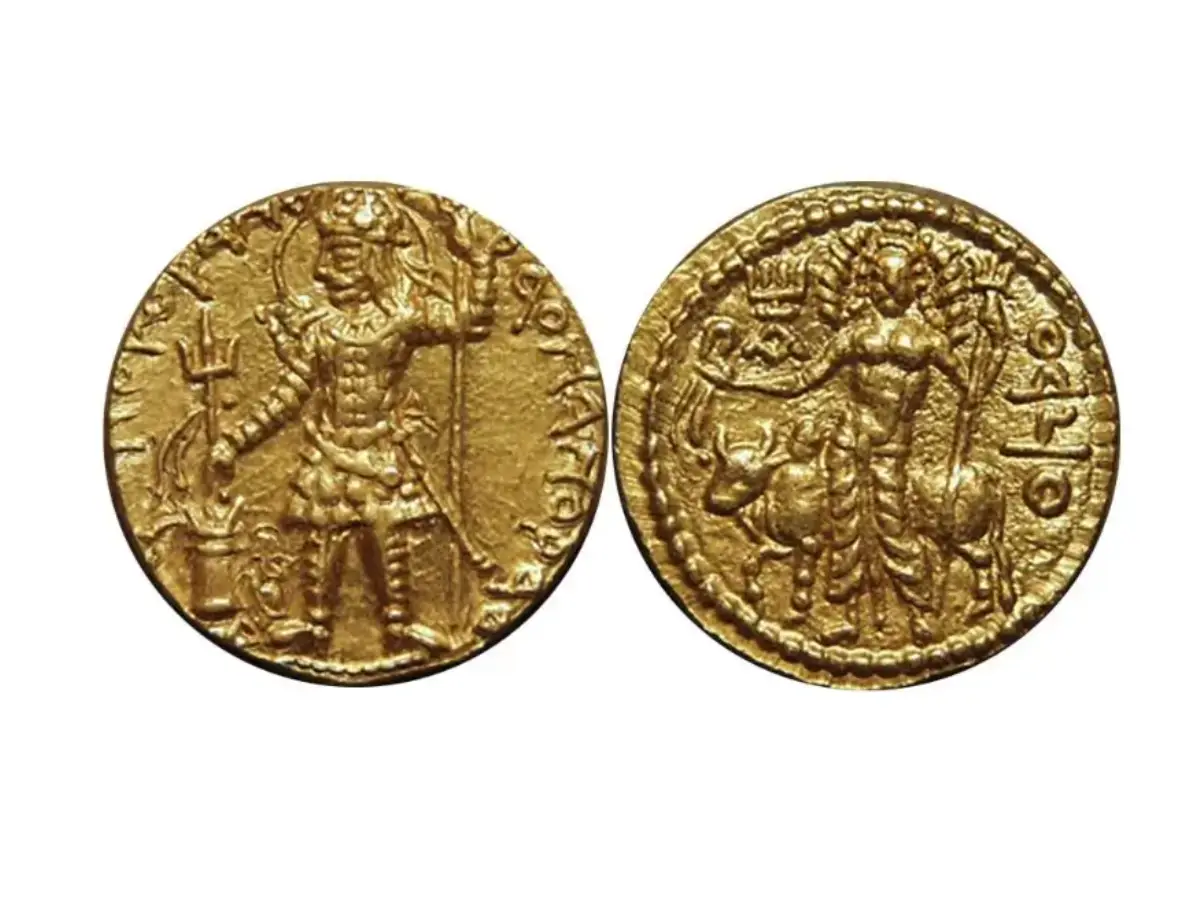
A major historical discovery has been made in Pakistan's Rawalpindi, where archaeologists have found 2,000-year-old coins from the Kushan dynasty. They also came across fragments of lapis lazuli, a prized semi-precious stone, at Bhir Mound near Taxila. The coins are from the time of King Vasudeva, one of the last great Kushan rulers, while the stone pieces are from a much earlier time period. Researchers say the finding shows the region was used for trade and played a major role during the Common Era. Archaeologists digging at the site unearthed bronze coins along with lapis lazuli. According to them, the stones are from the 6th century BC, and the coins belong to the 2nd century AD. The Kushan Empire flourished between the first and third centuries AD, which confirms that the coins are from the same dynasty.
Kushan rulers backed multiple faiths

The coins were scientifically analysed to reveal more details about them. Images of Emperor Vasudeva, regarded as the last great Kushan ruler, were found on the coins following scientific dating and numismatic analysis. He is featured on one side of the coin with a female religious deity depicted on the other side. Researchers say that the Kushan era encouraged multiple religions, as proven by the image on the coin. The rulers patronised multiple faiths during this period, historical records suggest. Kushan coins found in the past carried images from Indian, Iranian, Greek, and Buddhist traditions, showcasing that the empire had a wide theological outlook.
Also Read: Indus Valley Civilisation died a slow death - Scientists reveal what really led to its fall
Also Read: 8,200-year-old calculations: Ancient humans knew geometry and long division way before numbers were invented
Kushan trade in Taxila and link to India
Trending Stories
)
Trump-Xi Summit: Trade, Taiwan and the red lines shaping US-China talks | Race To Power
)
US citizen injured in Illinois after ICE agents mistook him for fugitive, hospitalised
)
US judge questions Trump’s decision to ban CNN, MS NOW and Politico from White House
)
Afghan woman cyclist who disguised herself as a boy to escape Taliban, wins Asian Games medal
)
'There will be elections': Venezuela's interim leader Delcy Rodriguez makes big announcement at UN
)
IIT Bombay CCTV footage emerges: Sahil Wakode seen looking at phone in examination hall
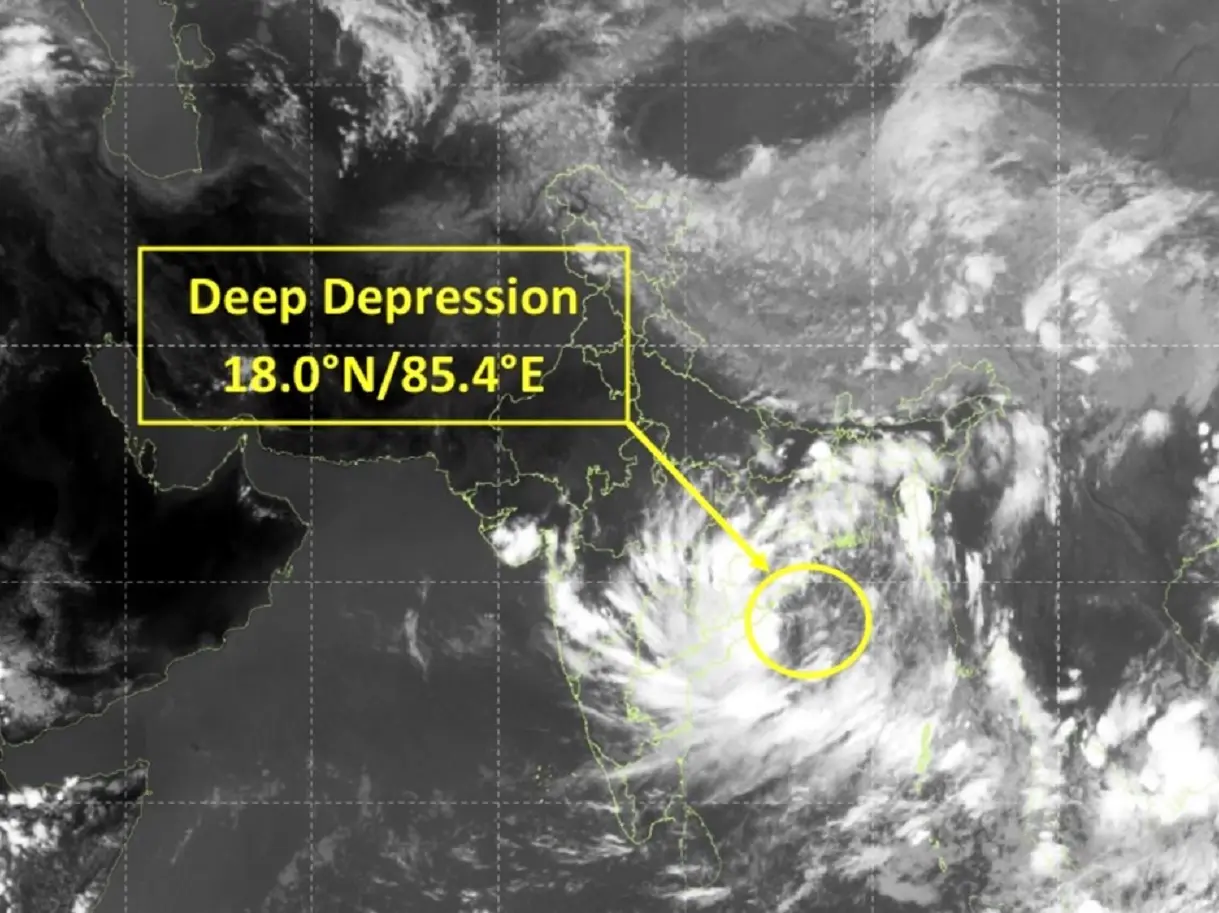)
Cyclone Arnab: Landfall expected before midnight tomorrow as IMD issues orange alerts across six states
)
9 killed, several injured as tourist bus catches fire on Yamuna Expressway
)
NBA player Steven Adams shares hilarious GTA VI theory
)
WION Iconic Tourism Summit 2026: Union Minister Shekhawat on 'experiential travel', peace diplomacy
)
ICC plans T20I expansion and fewer ODIs in 2027–2031 FTP cycle: Report
)
'AI got into my speech': Prince Harry jokes after teleprompter failure at event in New York
)
Scientists detect first radio signals directly from faraway planet
)
China to test supersonic jet that moves at Mach 2, double the speed of sound
)
WION Iconic Tourism Summit: 'Hanuman Ansh' Director on blockbuster success
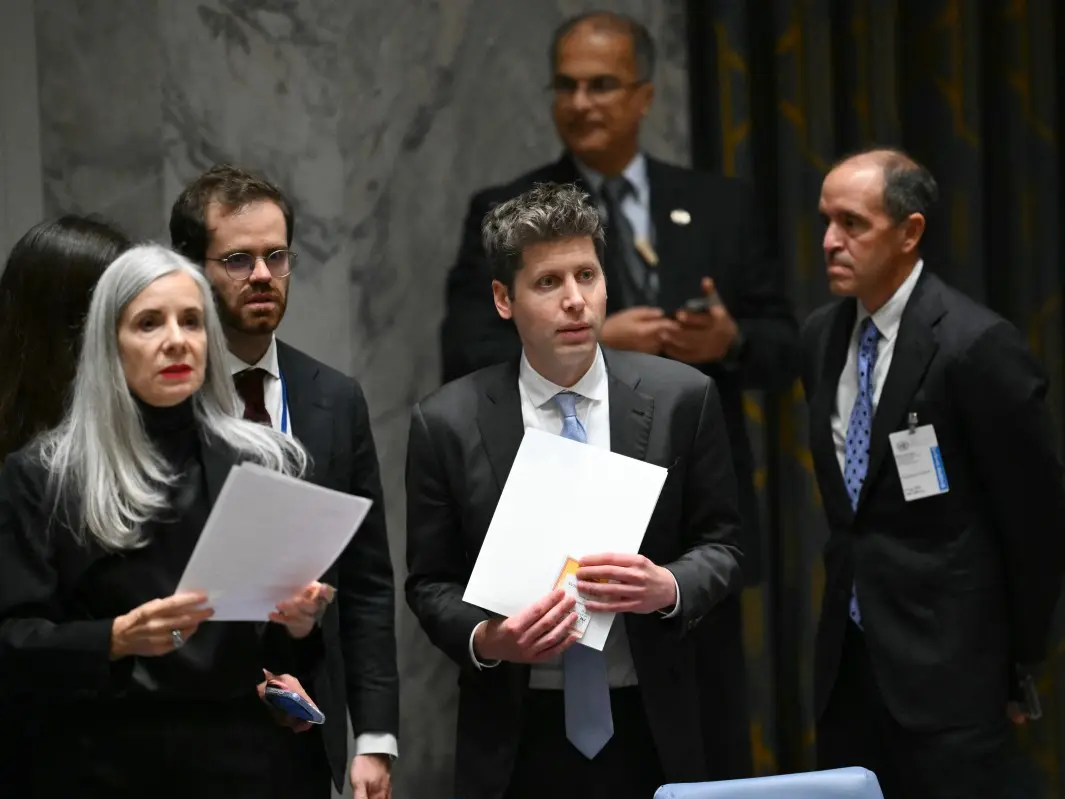)
Open AI, Anthropic CEO urges caution over rapid AI development at UN Security Council, call for 'extreme care'
)
Bomb scare in New York amid UNGA: Suspicious suitcase found near UN headquarters
)
Hours before Xi-Trump meeting, US announces visa curbs targeting birth tourism: What is it?
)
'Partners rather than rivals': Xi Jinping's first message after landing in US for Trump summit
)
WION Iconic Tourism Summit: Is India's travel boom outrunning its airports, airlines and hotels?
)
WION Iconic Tourism Summit and Awards 2026: Key voices to discuss India’s tourism future
&im=FitAndFill=(700,400))
New OTT releases this week (September 21-27, 2026): Shaque: Trust No One, Hunkkaar, Don’t Be Shy- 5 new titles coming to Netflix, Prime Video and more
)
WATCH | China President Xi Jinping lands in US as Trump greets him ahead of high-stakes summit
)
Australian PM Anthony Albanese calls OpenAI AI incident 'unacceptable' after restricted data access
)
'What kind of confession is this?': Pakistan PM Shehbaz Sharif’s 'terrorists would be roaming New York' remark goes viral, raises alarm online. Watch
)
WION Iconic Tourism Summit: How local tourism MSMEs must upskill for AI integration
)
Eight USS Abraham Lincoln sailors attempted suicide, Acting Navy Secretary says
)
Pilot recreates Mona Lisa in sky over Oklahoma and Arkansas in four-hour flight: VIDEO
)
Elephants hide behind trees, stage surprise attack on poachers targeting rhinos in South Africa
)
'Putin is patient zero': Zelensky slams Russian president at UNGA, accuses him of using fighters from 47 countries
&im=FitAndFill=(700,400))
National Film Awards 2026: Kartik Aaryan, Mammootty, Yami Gautam, Randeep Hooda and other key winners
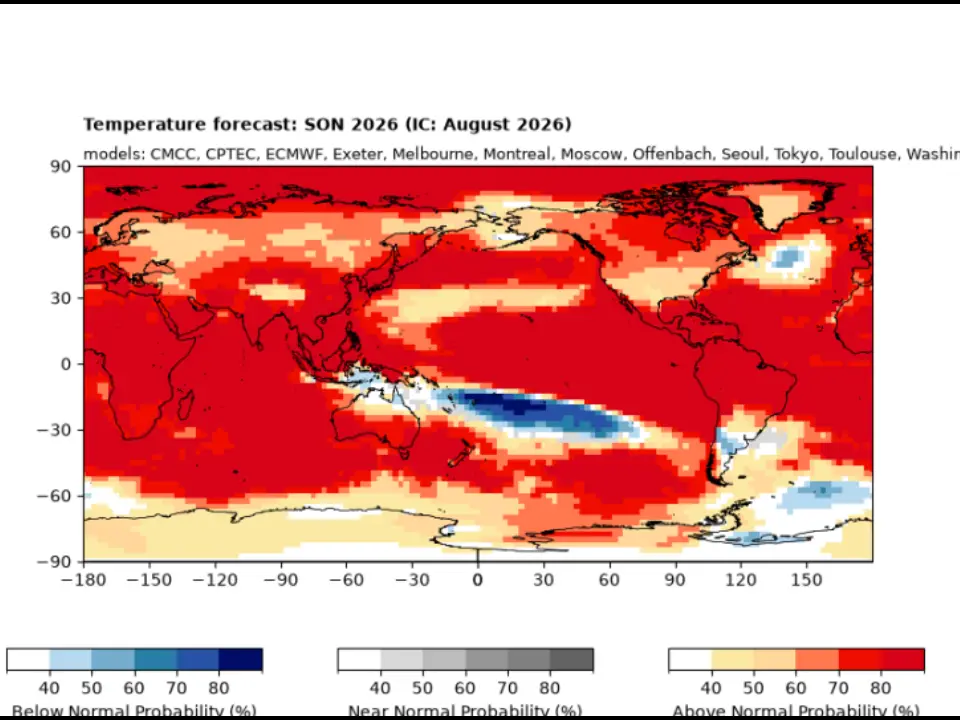)
El Niño 2026 heats up to become strongest in 1,000 years
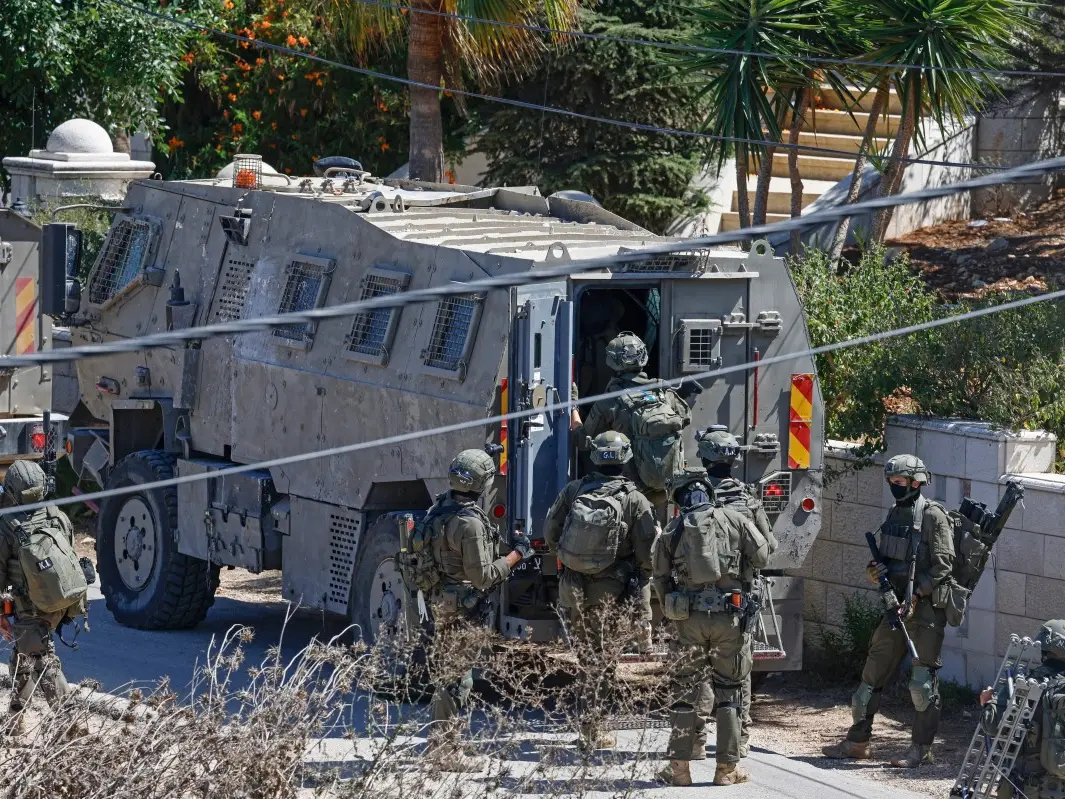)
Israeli envoy to US Yechiel Leiter’s son critically injured in West Bank ramming attack
&im=FitAndFill=(700,400))
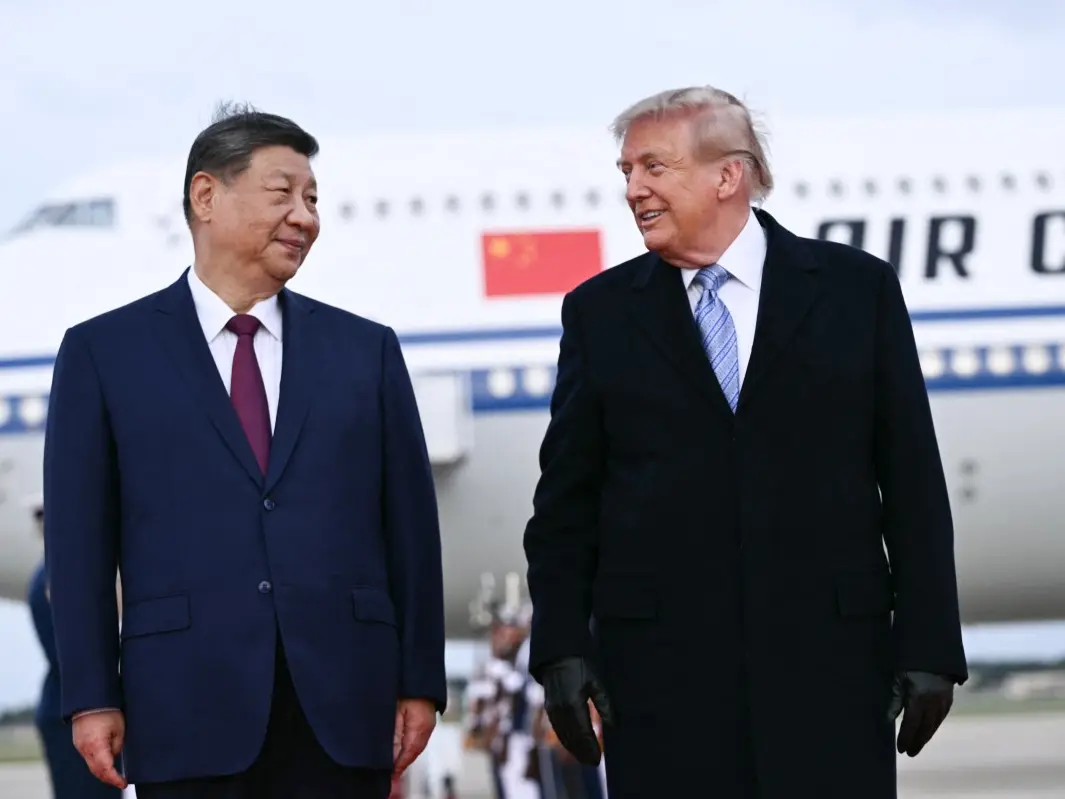
Trump welcomes Xi Jinping in rare airport gesture: Photos from Chinese President's arrival in US
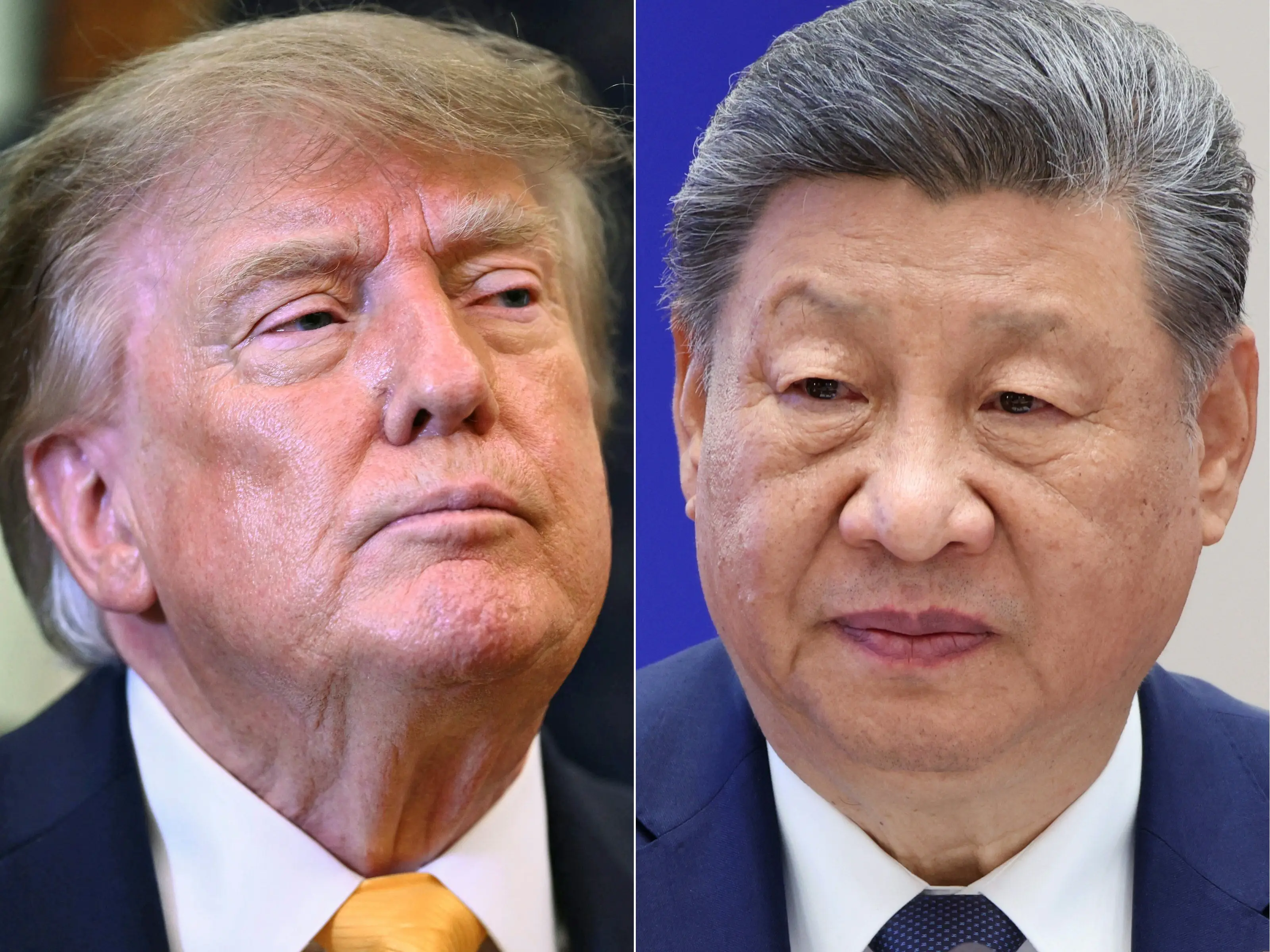)
Xi-Trump meeting: China’s human rights red line and past protests explained
According to the researchers, the presence of lapiz lazuli in Taxila is proof that the region was part of long-distance trade networks across Central and South Asia. Taxila was connected to the Mauryan capital Pataliputra (Patna, Bihar) by the ancient "Royal Highway". This means that trade and cultural exchange took place between the regions. However, Taxila-specific coins have not been found within Bihar. Overall, they prove religious pluralism and that Taxila was politically and economically important under the Kushans. Archaeological records also show that Taxila turned into a major centre of administration under rulers like Kanishka the Great. Not only this, but the kingdom also promoted Buddhism, trade, and Gandharan art, combined with Greek, Persian, Roman, and Indian influences.

