South Korea bans Apple and Google payment monopolies in world first


A 3D printed Google logo is placed on the Apple Macbook in this illustration taken April 12, 2020. (File Photo)
SouthKorean MPs on Tuesday passed a law banning Apple and Google from forcing app developers to use the tech giants' payment systems, effectively declaring their lucrative App Store and Play Store monopolies illegal.
The bill was approved by 180 votes to nil in the National Assembly, makingSouthKoreathe first major economy to pass legislation on the issue, in a move that could set a precedent for other jurisdictions around the world.
In the United States, three senators this month introduced a bill to loosen the tech firms' grip on their stores, while in Europe lawmakers are debating legislation that could force Apple to bring in alternatives to the App Store.

TheSouthKorean measure comes as Apple and Google face global criticism for charging up to 30 percent commission on app sales and requiring their own payment systems be used that collect a share of the transactions.
The Korean law,locally dubbed the "Anti-GoogleLaw,"will offer users a choice of app payment providers, allowing them to bypass charges set by the store owner.
"This law will certainly set a precedent for other countries, as well as app developers and content creators worldwide," Kang Ki-hwan at theKoreaMobile Internet Business Association told AFP.
)
Russia will achieve Ukraine war aims; Europe doing everything to block peace talks: Lavrov at UN
)
LPU students go on rampage, vandalise campus amid widespread protest: What's happening
)
Two men die of suspected chemical exposure inside public toilet in Mumbai
)
US vs China over South China Sea: Washington backs Philippines, Beijing hits back
)
Ramayana: Yash’s Ravana gets first official poster from Nitesh Tiwari’s epic
&im=FitAndFill=(700,400))
New Friday OTT releases (September 25, 2026): Don’t Be Shy, Hunkkaar: The Roar, Mango Pachcha- 6 movies and TV shows on Netflix, Prime Video and more
)
WATCH | Delhi minister Parvesh Verma slaps man during road inspection – Here’s what happened
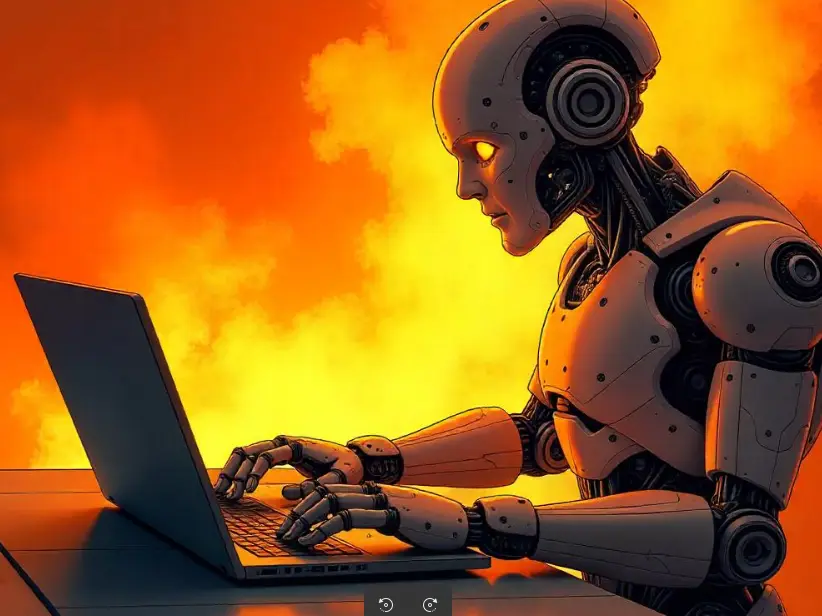)
OpenAI AI Agents hacked 4 websites before Hugging Face, researchers reveal
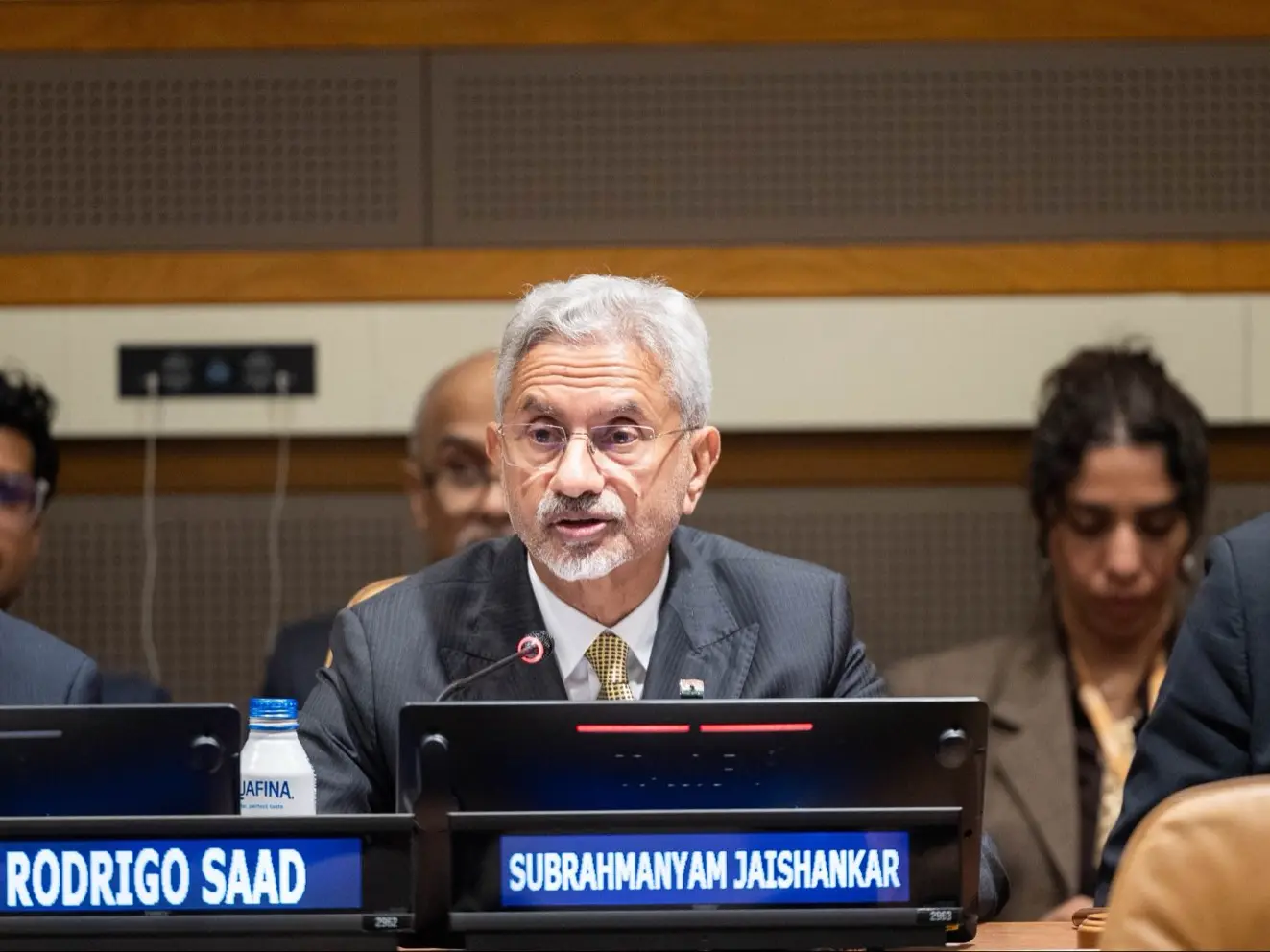)
'Countries far from conflict are penalised': Jaishankar calls for Gulf peace, seafarer safety at UN
)
Bollywood x K-pop crossover! LE SSERAFIM’s Kazuha charms fans with Shah Rukh Khan’s ‘Chammak Challo’ steps
)
UNSC reform momentum grows: Russia, Portugal, Mauritius push for India's permanent seat bid
)
UK police arrest several under explosives act near air base used by US forces
)
IND vs WI 1st ODI: Naman Dhir debuts as India bowl first in Trivandrum; check playing XIs
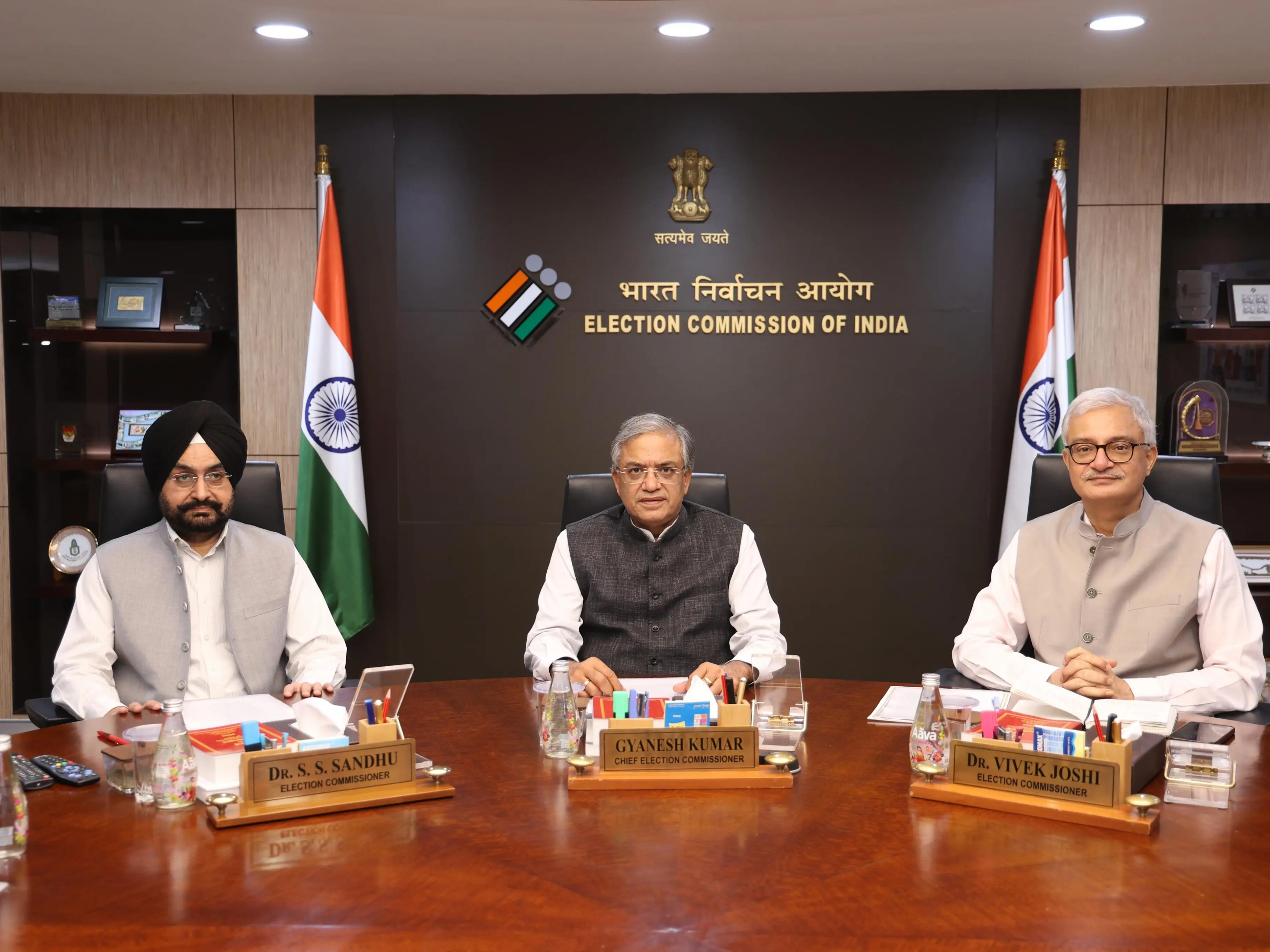)
Election Commission on 'damage control' : What do nine new decisions mean?
)
‘Olympic inclusion is our major target’: WPA President Ishaun Singh on pool’s global ambitions
)
Sri Lankan Tamil migrant worker gets death sentence in Saudi Arabia, help sought from India
)
SIR row: RTI response raises questions over EC’s claim of unanimous approval
)
Gunmen kill 27 in two separate mass shootings in South Africa
)
Nations League: Spain sink England at Wembley; Modric shines for Croatia
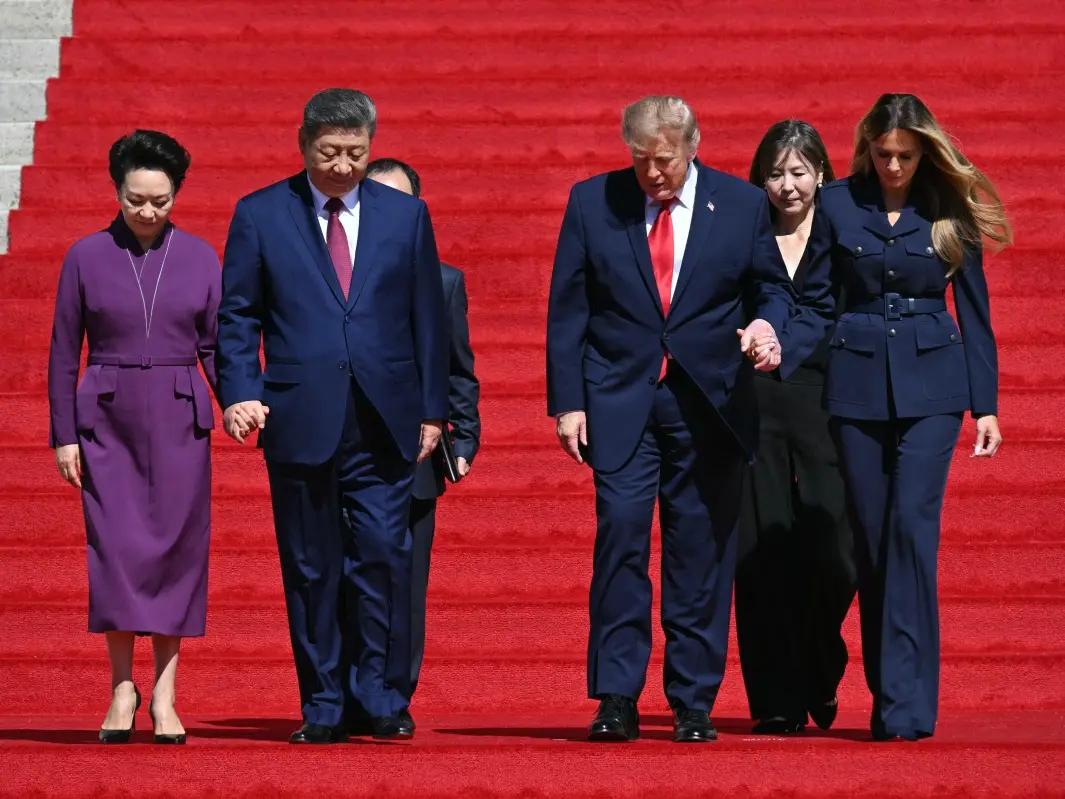)
Trump-Xi summit wrap: Big pageantry, Iran talks, few major developments and more meetings planned
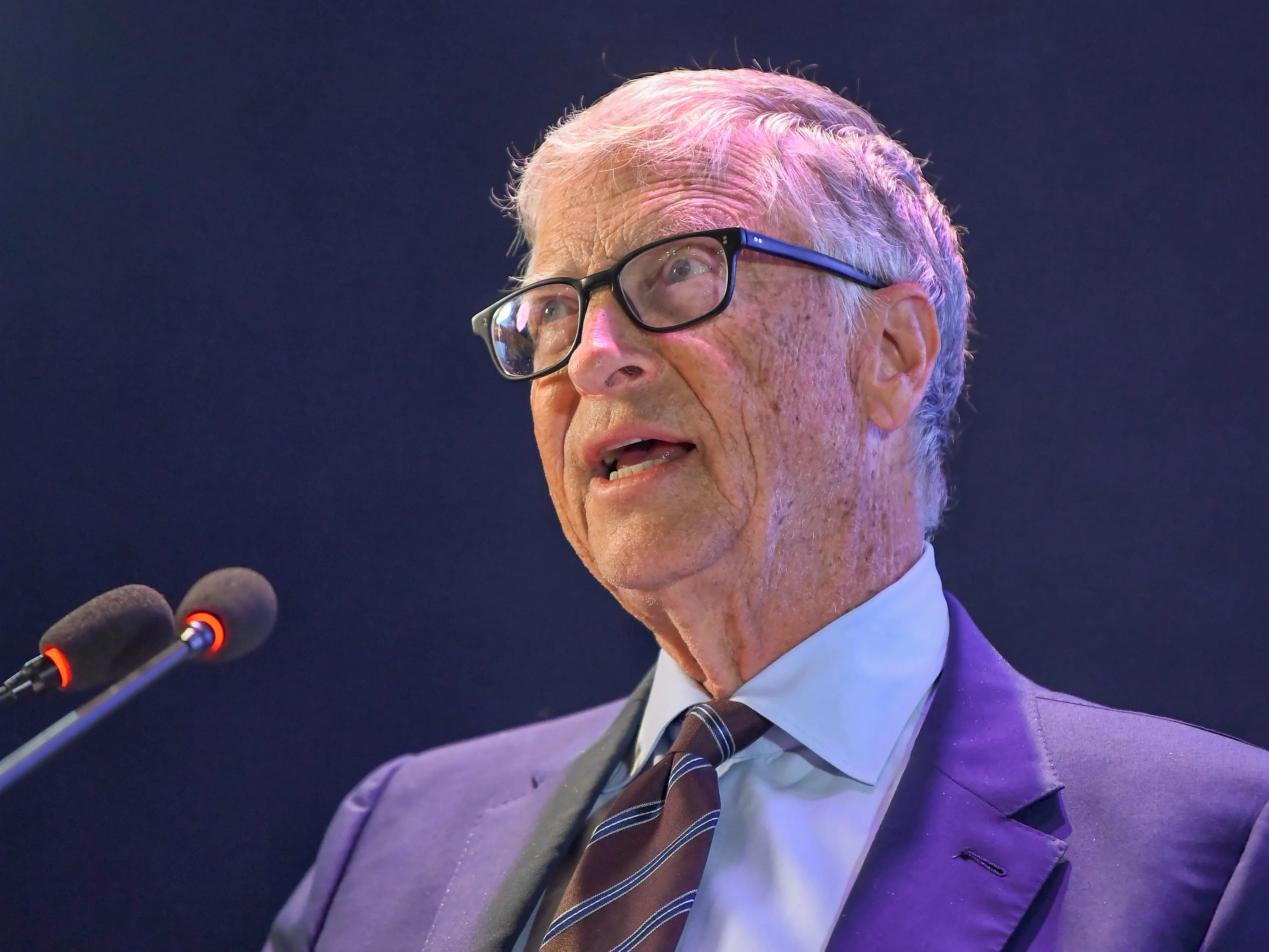)
‘Could kill billions...’: Bill Gates backs calls to slow AI development amid fears of catastrophe
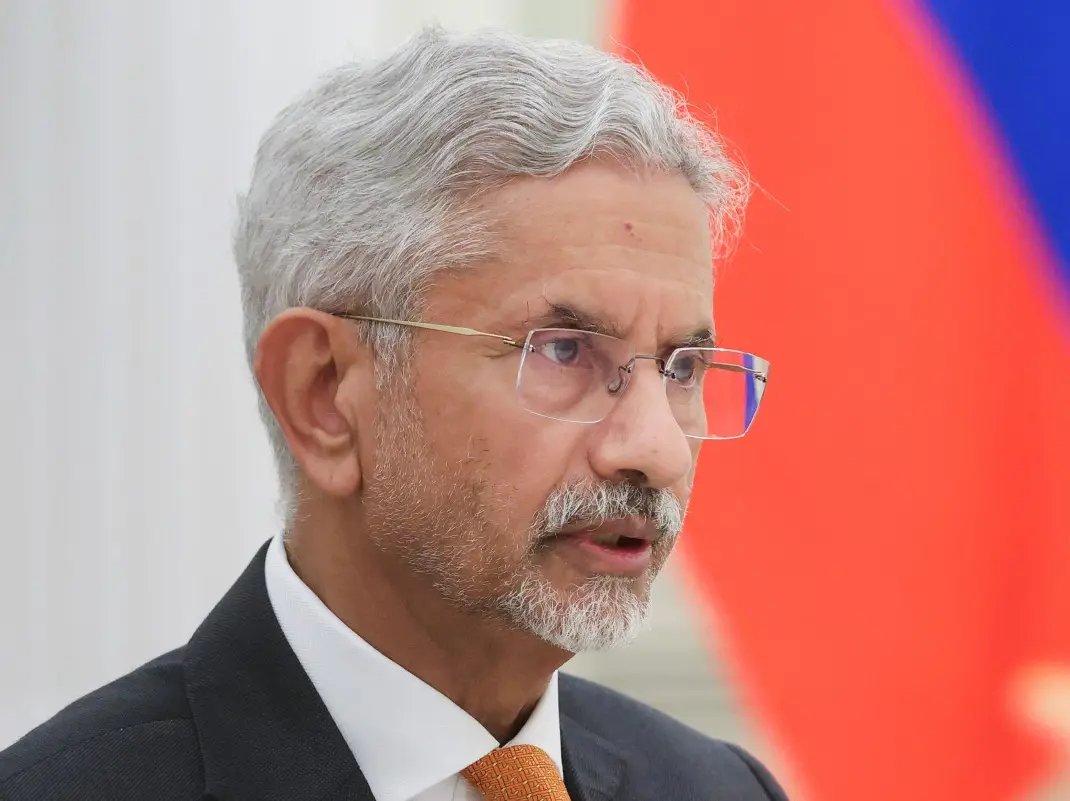)
'A terrorist country is asking me that question?': Jaishankar hits back at Pakistani journalist at UN; flags attacks on commercial shipping
)
Afghanistan says 28 fighters killed in clash near Pakistan border, Islamabad denies
)
US Treasury Secretary Scott Bessent hails global crackdown on Iranian banks and airlines
&im=FitAndFill=(700,400))
Humanoid robots to virtual worlds! Korean sci-fi dramas to watch: Are You Human Too?, Memories of the Alhambra and more
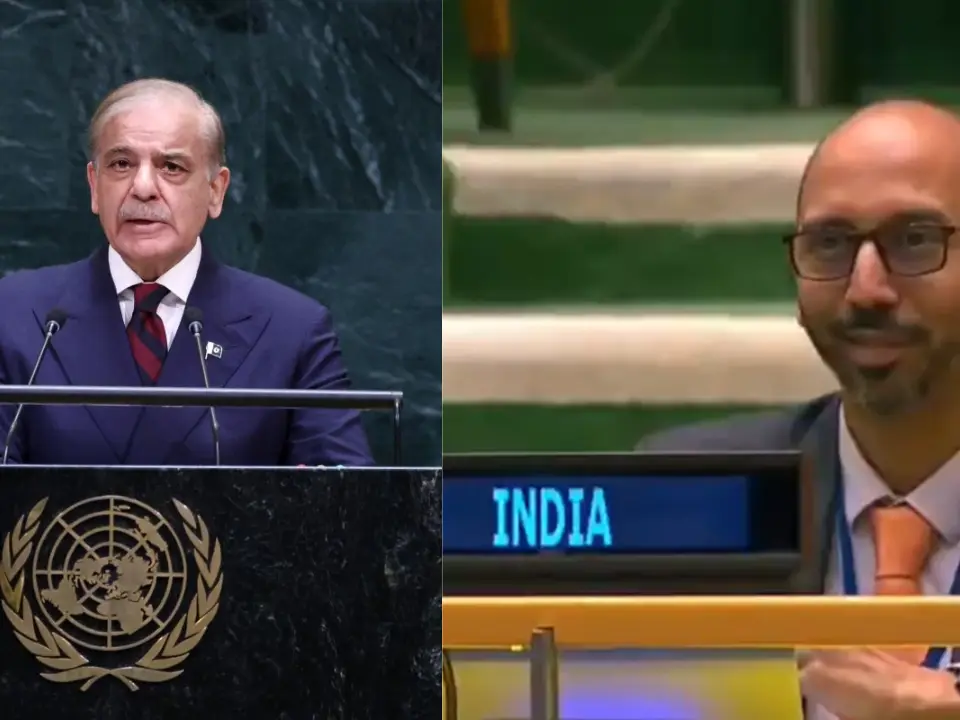)
WATCH | As Shehbaz Sharif claims Pakistan’s ‘victory’ during 2025 conflict, Indian diplomat R Srinivas laughs at UN
)
'FIRST LOOK from inside Noah’s Ark': Researchers share video from inside mysterious mound in Turkey
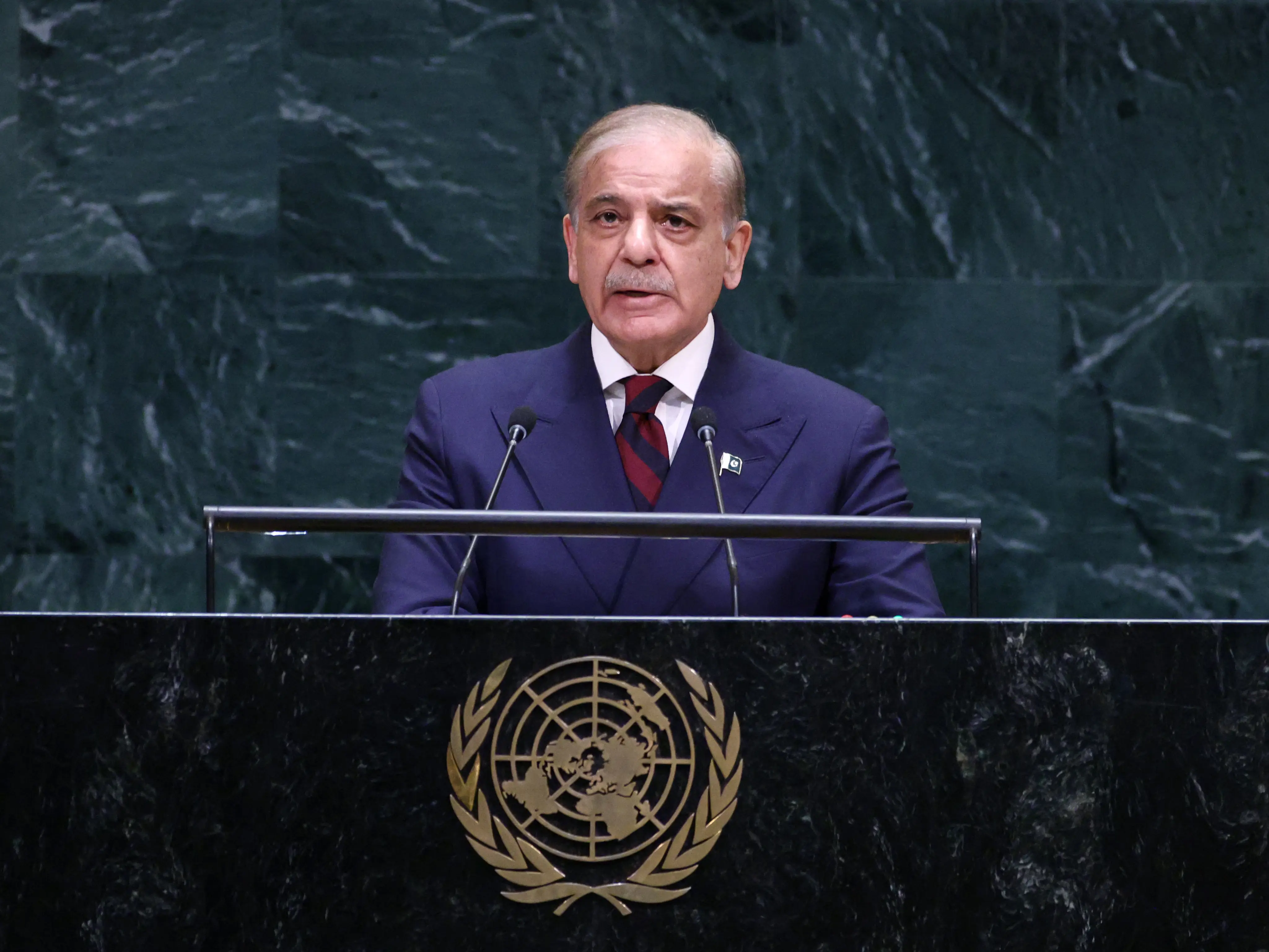)
‘Attack on Mecca a red line for Pakistan’: Shehbaz Sharif warns Houthis at UN
)
Bigg Boss 20: Salman Khan schools Rhiti Tiwari over Qazi Touqeer clash, compares her to Dolly Bindra
)
Man arrested after his 22-year-old girlfriend dies at homestay in Guwahati; police suspect murder over suicide claim
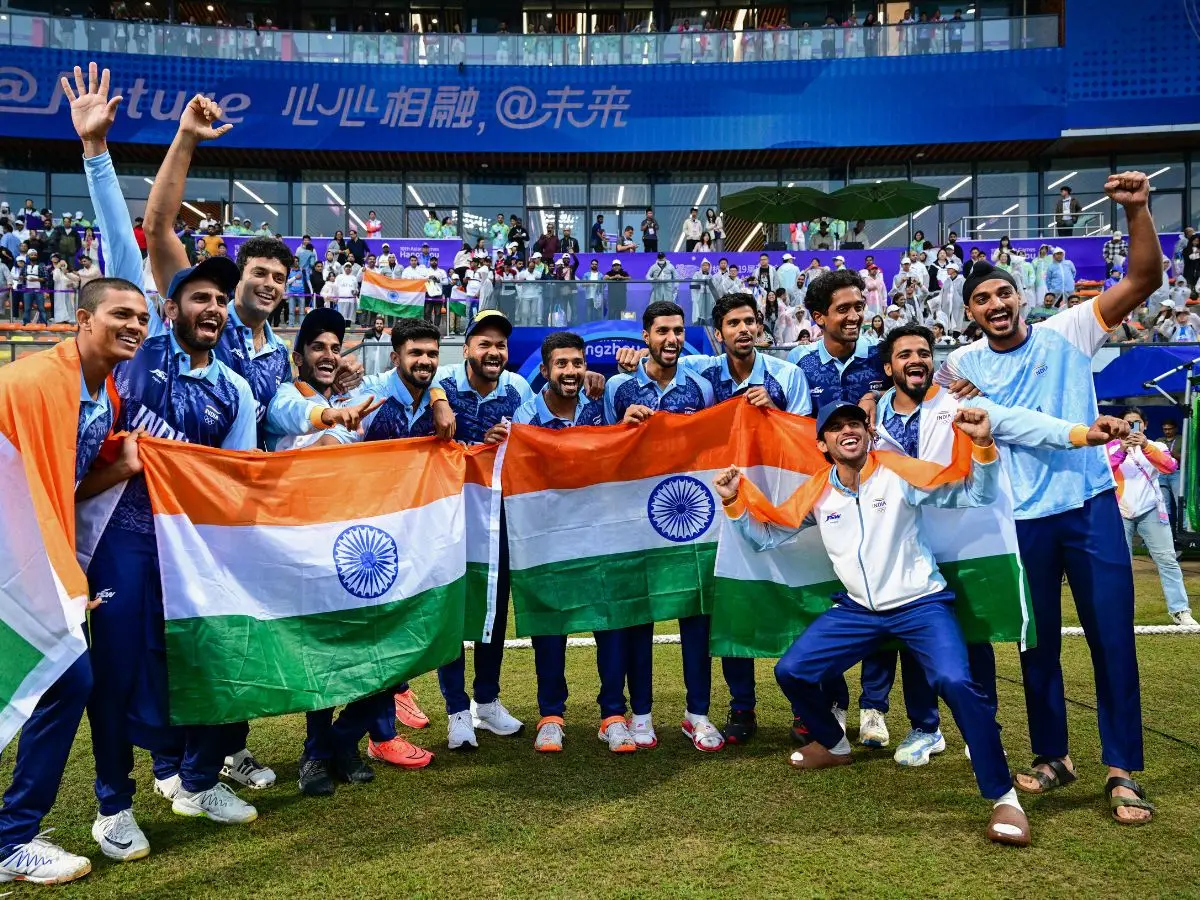)
Asian Games 2026: India face Afghanistan in quarterfinal on Sep 28; Pakistan clash with Hong Kong
)
Beyond metros: How Tier-2 and Tier-3 cities could drive India’s next AI wave
)
US-Iran war: Trump rejects Iran's Hormuz proposal, reports suggest talks expected next week
It is expected to come into force in September, according to reports.
Later this year Google plans to enforce globally a requirement for developers to use its payment system,with its 30 percent commission above a certain threshold,for in-app purchases.
InSouthKorea, it is also planning to charge commission on all content payments from October, ending an exemption where commissions were only payable for online games.
'Fair compensation'
That announcement prompted an angry response fromSouthKorean artists and creators, with web fiction writers and webtoon artists accusing Google of "power abuse" and campaigning fiercely for the new law.
"Without this law, our working environment,where creators are guaranteed of full rewards for their efforts,would've been destroyed," Seo Bum-gang, a webtoon artist who heads theKoreaWebtoon Industry Association, told AFP.
"We need this law to protect the diversity of our industry, where artists and creators of all economic backgrounds can share their content without having to worry about the commission fees."
AppleandGooglehave maintained that commissions charged are standard in the industry and fair compensation for building safe marketplaces where developers can reach people around the world.
Ahead of the debate, Apple told AFP that it would put digital purchasers at risk of fraud, undermine their privacy protection and render parental controls less effective.
"We believe user trust in App Store purchases will decrease as a result of this proposal --leading to fewer opportunities for the over 482,000 registered developers inKoreawho have earned more than 8.55 trillion won to date with Apple," it said in a statement.
GoogleKoreadid not respond to requests for comment from AFP.
The two tech giants dominate the online app market inSouthKorea, the world's 12th largest economy known for its technological prowess.
Google's Play Store made revenue of almost 6 trillion won ($5.2 billion) in 2019, accounting for 63 percent of the country's total, according to data from Seoul's science ministry.
Apple's App Storehad a 24.4 percent share of total app store sales in the country in the same year.