Massive asteroid that eradicated dinosaurs when it crashed into Earth was not alone: Researchers

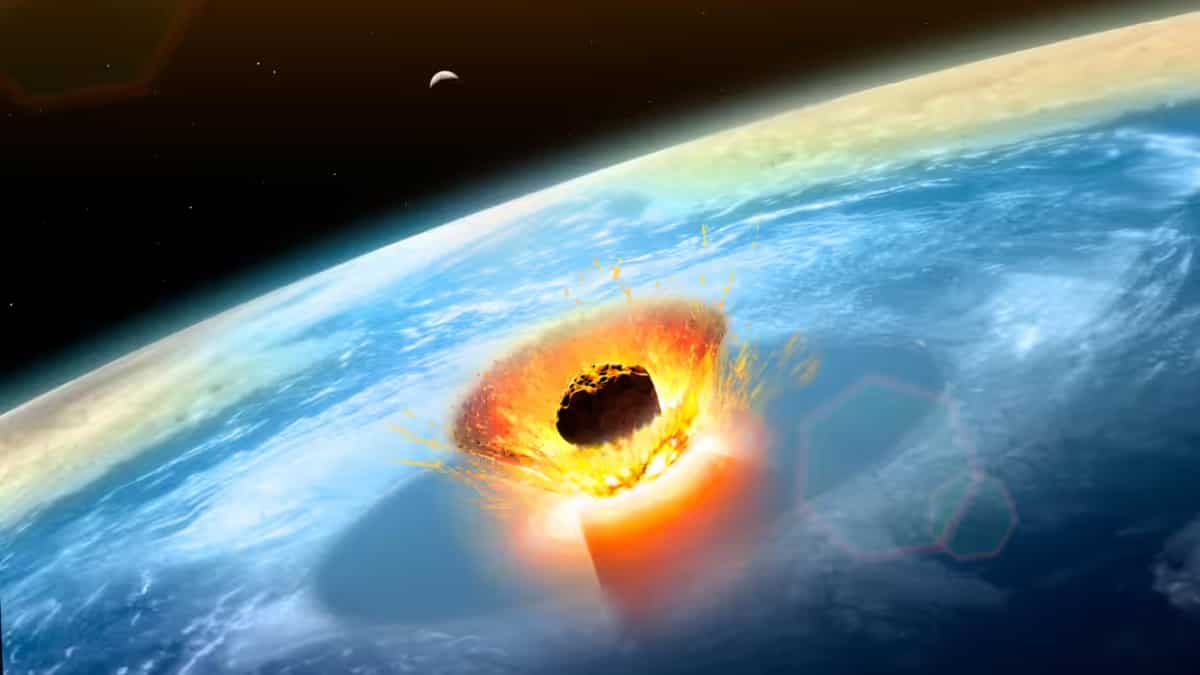
Scientists estimate that the asteroid struck Earth at nearly 45,000mph
The massive asteroid that is believed to have ended the era of dinosaurs when it crashed into Earth some 66 million years ago was not the only culprit, researchers found recently.
After performing detailed scans of an underwater crater off the coast of Guinea in West Africa, researchers discovered that it was created when another large asteroid smashed into Earth around the same time at the end of the Cretaceous period.
The violent collision between 65 million and 67 million years ago produced a crater more than five miles across, the scans reveal. Scientists estimate that the asteroid measured a quarter of a mile wide struck Earth at nearly 45,000 miles per hour.

Also Read |Earth has hosted mini-moons in the past, and one of them will revisit in 27 years
Though the other space rock was much smaller than the asteroid that caused the mass extinction of dinosaurs, it was large enough to leave scars on the face of the planet.
“The new images paint a picture of the catastrophic event,” said Dr Uisdean Nicholson, a marine geologist at Heriot-Watt University in Edinburgh, who first discovered the Nadir crater in 2022. At the time, the details of the impact were unclear.
&imwidth=180&imheight=135&format=webp&quality=medium)
'Baseless and misconceived': India issues statement after Elon Musk's 'oligarchs' claim over Starlink delay
&imwidth=180&imheight=135&format=webp&quality=medium)
‘You earned that love’: Messi’s wife shares heartfelt message as football icon bids farewell to international stage
&imwidth=180&imheight=135&format=webp&quality=medium)
BJP chief Nitin Nabin calls Rahul Gandhi ‘anarchist’, says Oppn ‘spreading poison’ in society
&imwidth=180&imheight=135&format=webp&quality=medium)
‘Team first and team ahead’: India coach Gambhir pens heartfelt wish for chief selector Ajit Agarkar
&imwidth=180&imheight=135&format=webp&quality=medium)
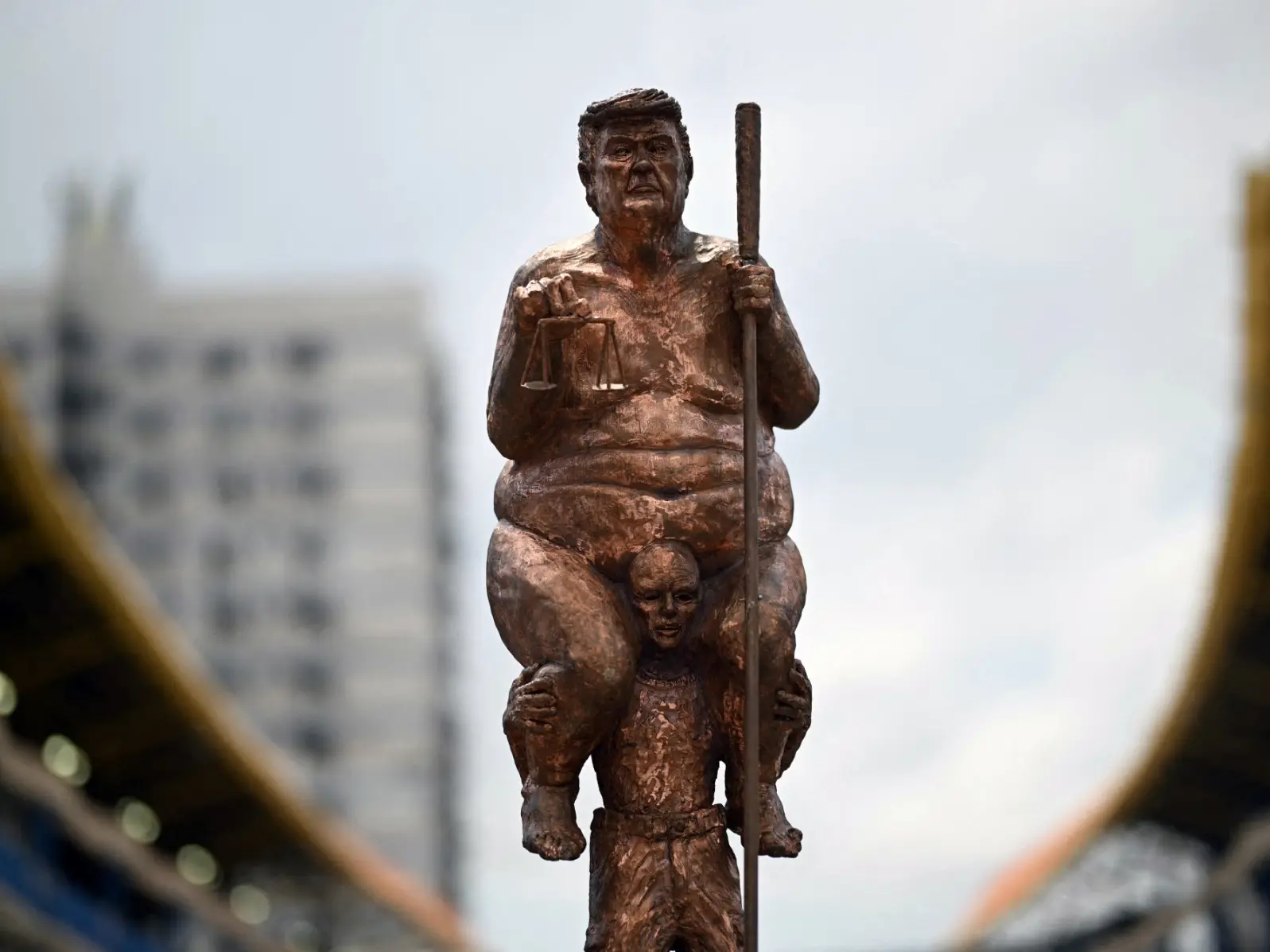
Trump's naked 23-karat gold statue unveiled near European Parliament
&imwidth=180&imheight=135&format=webp&quality=medium)
Nana Patekar: Remembering a legend of the Indian cinema
&imwidth=180&imheight=135&format=webp&quality=medium)
Thai Actors Fourth Nattawat, Gemini Norawit face racism accusations from Indian fans over viral Bollywood act
&imwidth=180&imheight=135&format=webp&quality=medium)
Captain Smit Machchhar on feet again, walks 10 steps as recovery continues after Flydubai flight attack
&imwidth=180&imheight=135&format=webp&quality=medium)
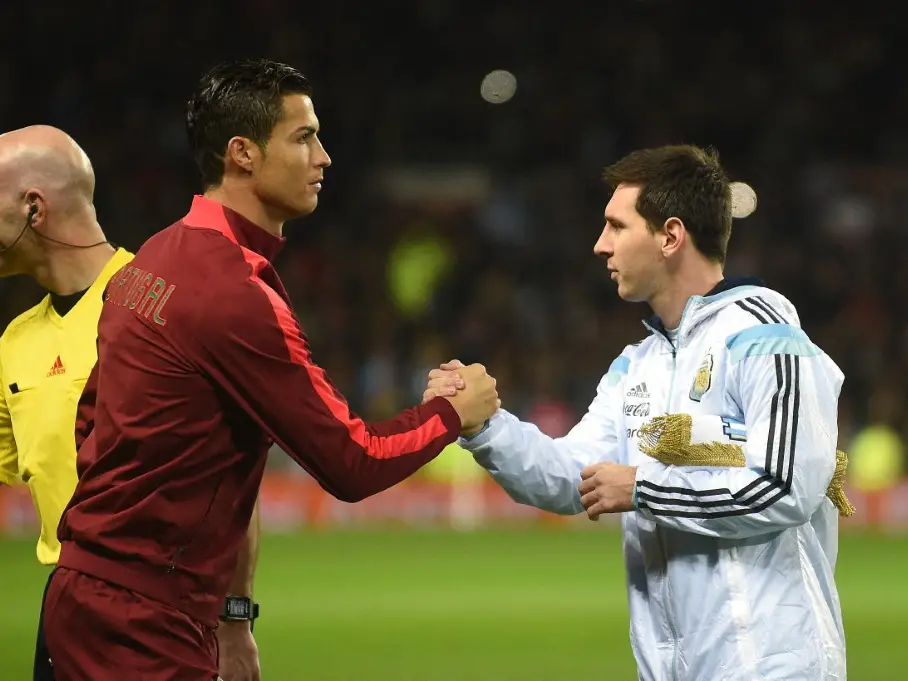
Ronaldo sends 'a hug' after Messi says he misses 'wearing the blue and white'
&imwidth=180&imheight=135&format=webp&quality=medium)
Trump distances himself from senior political advisers over work for pro-Russian government
&imwidth=180&imheight=135&format=webp&quality=medium)
A Love Other Than Yours: The temptation to cheat and what pushes people over the edge
&imwidth=180&imheight=135&format=webp&quality=medium)
Narendra Modi Stadium bomb threat declared hoax; India & Australia U19 squads safe
&imwidth=180&imheight=135&format=webp&quality=medium)
US midterms 2026: Why the Latino vote could shape control of Congress
&imwidth=180&imheight=135&format=webp&quality=medium)
BTS agency HYBE announces first-ever Weverse Con Festival in India
&imwidth=180&imheight=135&format=webp&quality=medium)
US Midterms 2026: Barack Obama hits campaign trail to boost Democratic candidates
&imwidth=180&imheight=135&format=webp&quality=medium)
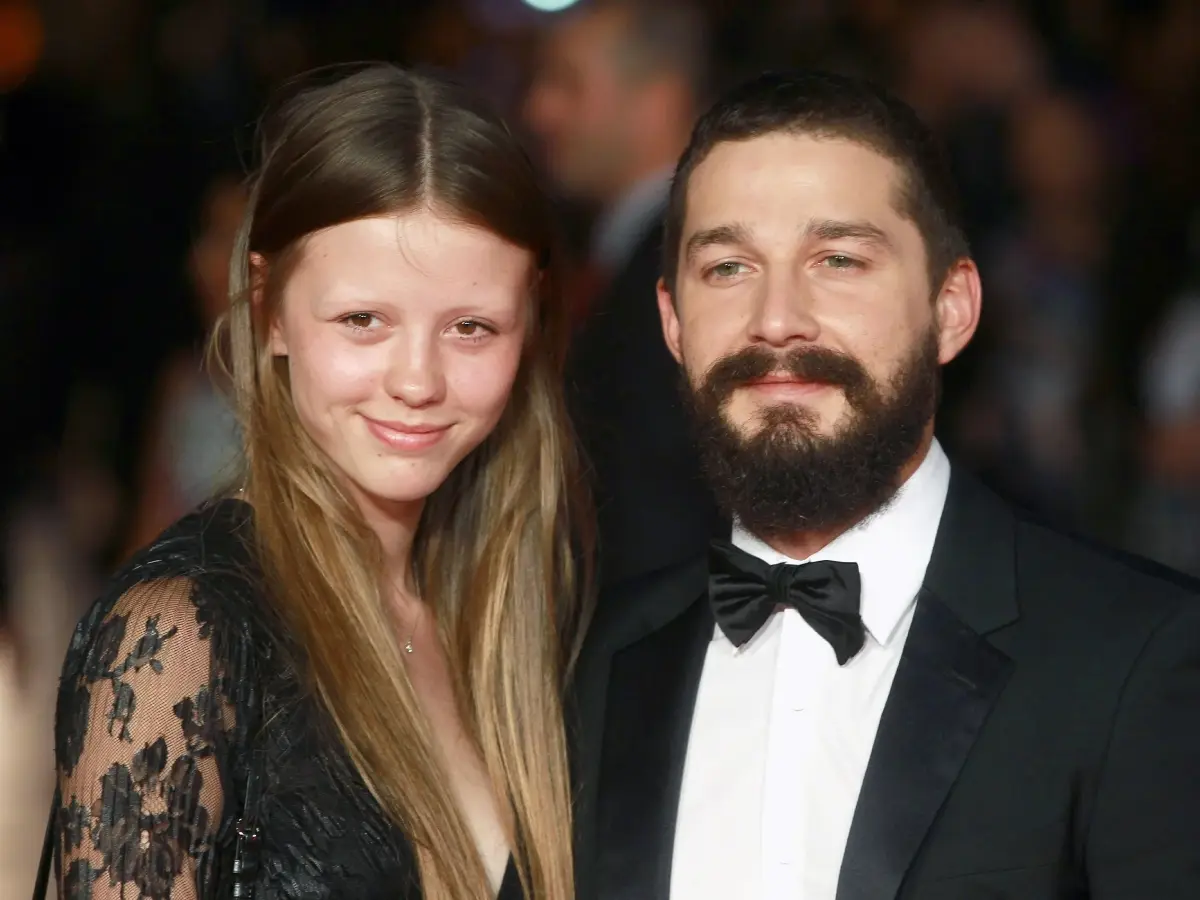
Shia LaBeouf and Mia Goth head for divorce after nearly 10 years
&imwidth=180&imheight=135&format=webp&quality=medium)
Who is DogeDesigner? All we know about the X account that sparked India-Musk-Starlink ‘oligarchs’ controversy
&imwidth=180&imheight=135&format=webp&quality=medium)
Christa Pike wakes after failed execution, asks 'Where am I and who are you?'
&imwidth=180&imheight=135&format=webp&quality=medium)
Christa Pike 'angry' and 'confused' after failed execution; judge orders to preserve evidence
&imwidth=180&imheight=135&format=webp&quality=medium)
Nigerian President Bola Ahmed Tinubu hails Modi’s 25-year leadership milestone, calls for deeper Nigeria-India strategic ties
&im=FitAndFill=(700,400)&imwidth=180&imheight=135&format=webp&quality=medium)
US midterms 2026: 10 leaders and candidates to watch in the battle for Congress
&imwidth=180&imheight=135&format=webp&quality=medium)
Nana Patekar's #MeToo controversy: From Tanushree Dutta’s allegations to court ruling
&imwidth=180&imheight=135&format=webp&quality=medium)
Atlantic hurricane Isaias could make landfall as a strong Category 2 storm, tornado warnings issued
&imwidth=180&imheight=135&format=webp&quality=medium)
Veteran actor Nana Patekar dies at 75 after suffering cardiac arrest
&imwidth=180&imheight=135&format=webp&quality=medium)
Musk alleges ‘oligarchs’ blocking Starlink in India, here is what we know so far
&imwidth=180&imheight=135&format=webp&quality=medium)
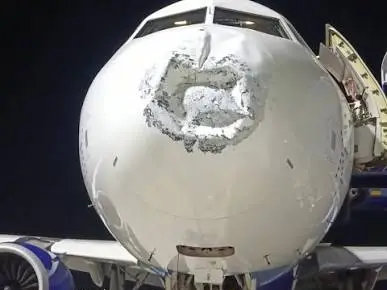
Lightning strikes IndiGo Patna-Lucknow flight at 17,000 feet, damages nose; all 110 safe
&imwidth=180&imheight=135&format=webp&quality=medium)
Who is Nana Patekar's wife Neelakanti? The bank officer who earned Rs 2,500 when he earned Rs 50
&imwidth=180&imheight=135&format=webp&quality=medium)
Mall of America attack: FBI arrests man over alleged ISIS-inspired mass shooting plot with AK-47 and 200 rounds
&imwidth=180&imheight=135&format=webp&quality=medium)
France holds talks with Taliban government amid diplomatic outreach
&imwidth=180&imheight=135&format=webp&quality=medium)
IndiGo flight struck by lightning at 17,000 feet, nose of Patna-Lucknow flight damaged
&imwidth=180&imheight=135&format=webp&quality=medium)
US readying to strike Iran? Report suggests Trump preparing to put on show of strength ahead of US midterms
&imwidth=180&imheight=135&format=webp&quality=medium)
Zendaya gives The Odyssey white lace jacket a stylish twist at Paris Fashion Week 2026
&im=FitAndFill=(700,400)&imwidth=180&imheight=135&format=webp&quality=medium)
World’s top vehicle producers: Top 10 countries making the most cars. Check where India stands
&imwidth=180&imheight=135&format=webp&quality=medium)
Trump to honour Elon Musk, Sergey Brin and Jensen Huang with top science honour at White House. Check the full list here
&imwidth=180&imheight=135&format=webp&quality=medium)
'We don't think so': Trump says Russian plague lab worker's death not linked to bio-weapon
&imwidth=180&imheight=135&format=webp&quality=medium)
Sri Lankan Tamil worker gets death sentence in Saudi Arabia over blasphemy, calls for pardon intensify
&imwidth=180&imheight=135&format=webp&quality=medium)
France protests: How a Gen Z school movement turned into a political war | The Verdict
Impact of another massive collision
Scientists devised 3D seismic imaging to map the crater rim on the Earth to further understand about the impact of the second collision. The team also analysed the scars that lie 30 metres beneath the ocean floor.
“There are around 20 confirmed marine craters worldwide, and none of them has been captured in anything close to this level of detail,” said Nicholson. “It’s exquisite.”
Researchers found that the collision set off intense tremors that liquefied beneath the ocean floor causing faults to form below the seabed. This impact triggered landslides with visible traces thousands of square miles beyond the crater rim and also created a tsunami more than 800 metres high that would have travelled across the Atlantic.
Also Read |Earth has a hidden massive sixth ocean in a crystal structure under its crust. Here's why
The details of the research are published in Nature Communications Earth & Environment.
The team of researchers though cannot pinpoint the exact location where the asteroid struck the Earth, the discovery of the crater and its approximate age has itself prompted speculation that it may have belonged to a cluster of dinosaurs at the end of the Cretaceous period.
“The closest humans have come to seeing something like this is the 1908 Tunguska event, when a 50-metre asteroid entered Earth’s atmosphere and exploded in the skies above Siberia,” Nicholson said.
(With inputs from agencies)