Online Gaming Going Aatmanirbhar Way! PM Modi’s Push for Esports Rooted in Ethical Entertainment

&imwidth=600&imheight=450&format=webp&quality=medium "Online Gaming Going Aatmanirbhar Way! PM Modi’s Push for Esports Rooted in Ethical Entertainment")
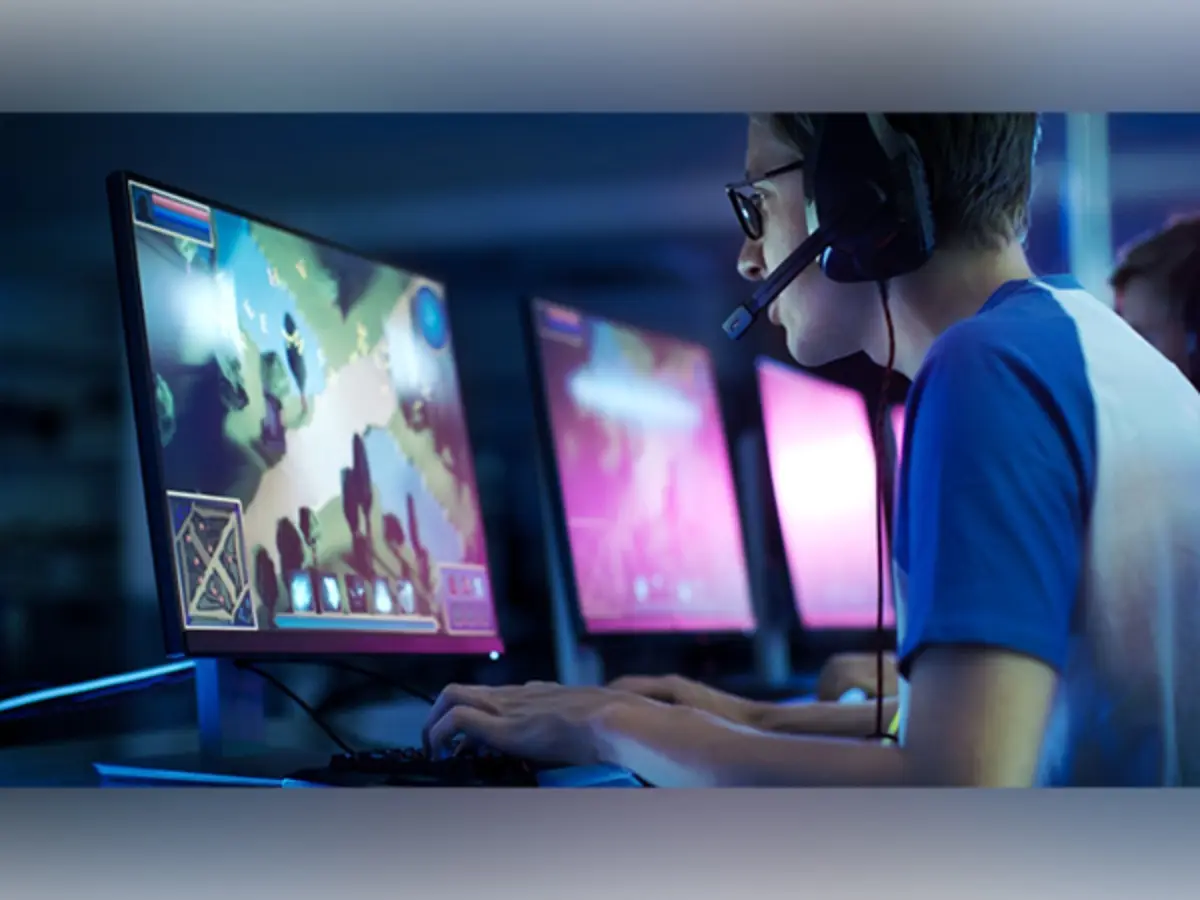
Representative Image Photograph: (ANI)
Indians lose nearly Rs 20,000 crore annually to such games, impacting around 45 crore people. The human toll is stark—families pushed into debt, young lives disrupted, and mental health strained by addictive platforms.
The Parliament of India’s decision to pass the Promotion and Regulation of Online Gaming Bill, 2025, banning real-money online games, marks a turning point for the country’s digital landscape. The move, driven by concerns over gambling addiction, money laundering, and financial frauds, targets a USD 3.8 billion industry that has attracted global investors and powered platforms like Dream11, Games24x7, Mobile Premier League, 99Games, KheloFantasy, and My11Circle. Official data paints a grim picture: Indians lose nearly Rs 20,000 crore annually to such games, impacting around 45 crore people. The human toll is stark—families pushed into debt, young lives disrupted, and mental health strained by addictive platforms. This ban, while disruptive, reflects the PM Modi-led Central Government’s duty to shield citizens from exploitative systems that drain household savings and channel profits to foreign firms. Yet, it also raises a critical question: what lies ahead for India’s gaming future?
For years, real-money gaming (RMG) platforms have lured players with the promise of quick riches. Games like rummy, poker, and fantasy sports blurred the lines between skill and gambling, trapping users in cycles of deposits and losses. Industry advocates highlight the sector’s economic contributions—Rs 31,000 crore in annual revenue, over 2 lakh jobs, and Rs 25,000 crore in foreign investment. However, these gains pale against the social costs. Media reports note that lawmakers see an outright ban as more effective than regulation, given the financial ruin caused by “manipulative design features and addictive algorithms” in these games. The state’s stance is clear: if physical gambling faces strict controls, its digital version cannot escape scrutiny. The flow of billions overseas further underlines the unsustainability of this model, where India’s tax revenue is dwarfed by citizen losses.
Ban, an opportunity
The ban, however, is not just a crackdown—it’s an opportunity to reshape India’s gaming ecosystem. The Online Gaming Bill explicitly promotes e-sports, educational, and social gaming platforms, signaling a shift toward ethical entertainment. The Union Ministry of Sports will frame guidelines for e-sports events, establish training academies, research centres, and technology platforms, recognizing competitive gaming as a legitimate sport. This aligns with global trends, where e-sports is a USD 180 billion industry, surpassing films and music in revenue. By nurturing skill-based gaming, India can tap into professional tournaments, streaming economies, and creative studios, building a sector that inspires talent and careers without exploiting users.
Gaming, the Aatmanirbhar way
A Make-in-India gaming vision could anchor this new direction. For too long, Indian gamers have consumed foreign content—Chinese battle royales, American sports titles, or European fantasy games—while local talent served global studios. A domestic ecosystem can change this. It would keep capital within India, curbing the outflow of billions to overseas firms. Game development, animation, coding, and event management could create lakhs of jobs, boosting employment in high-skill sectors. Games rooted in Indian culture—think a strategy title based on the Mahabharata or a city-builder inspired by the Indus Valley Civilization—could resonate globally, showcasing India’s heritage. Most crucially, homegrown platforms can embed ethical safeguards like spending caps, time alerts, and age verification, ensuring safe and responsible entertainment. So, if Aatmanirbhar Bharat is more than a slogan, online gaming is one of the sectors where it must be tested.
Trending Stories
)
)
)
)
)
)
)
)
)
)
)
)
)
)
)
)
)
)
)
)
)
)
)
)
)
)
)
)
)
)
)
)
)
)
&im=FitAndFill=(700,400))
)
)
)
)
Eyeing for ethical gaming
The bill’s emphasis on cultural and educational games matching with Indian values adds another layer. These platforms, free from monetary stakes, can engage users through storytelling and skill-building. Imagine games that teach history or promote digital literacy, appealing to both young players and families. Such initiatives can position India as a hub for meaningful gaming, distinct from the profit-driven RMG model. The government’s push to regulate content under the Ministry of Electronics and Information Technology ensures these games remain age-appropriate and culturally relevant, creating a balanced digital ecosystem.
Critics warn that a blanket ban might drive users to illegal offshore apps, which lack oversight and consumer protections. This concern is valid—unregulated platforms pose risks of fraud and exploitation. However, the solution lies in swiftly building ethical alternatives. When offered engaging, safe, and culturally resonant games, users are likely to shift away from shady operators. European markets offer a blueprint: strict KYC norms, spending limits, self-exclusion options, and independent grievance mechanisms ensure responsible gaming. India, with its success in digital payments, can adopt similar standards, leapfrogging into a model for ethical gaming globally.
The road ahead demands a straegic coordination. Policymakers must work with developers to create a supportive environment, offering incentives for local studios and clear compliance rules. Entrepreneurs should seize the chance to build platforms that prioritize user welfare over profit. Gamers, too, have a role—choosing ethical games can drive demand for quality content. If real-money gaming is revisited, it must operate under tight rules: robust KYC, spending caps, and transparent fund management to prevent misuse.
Ultimately, gaming is more than entertainment—it ventilates how India balances innovation with responsibility. The ban is not the end but a chance to clear a flawed path and build a better one. A healthy, ethical gaming industry can become a pillar of India’s digital economy, creating jobs, retaining wealth, and projecting cultural pride. Under PM Modi’s vision, India is not just banning harmful games—it is laying the foundation for a gaming future that is innovative, inclusive, and proudly Indian.