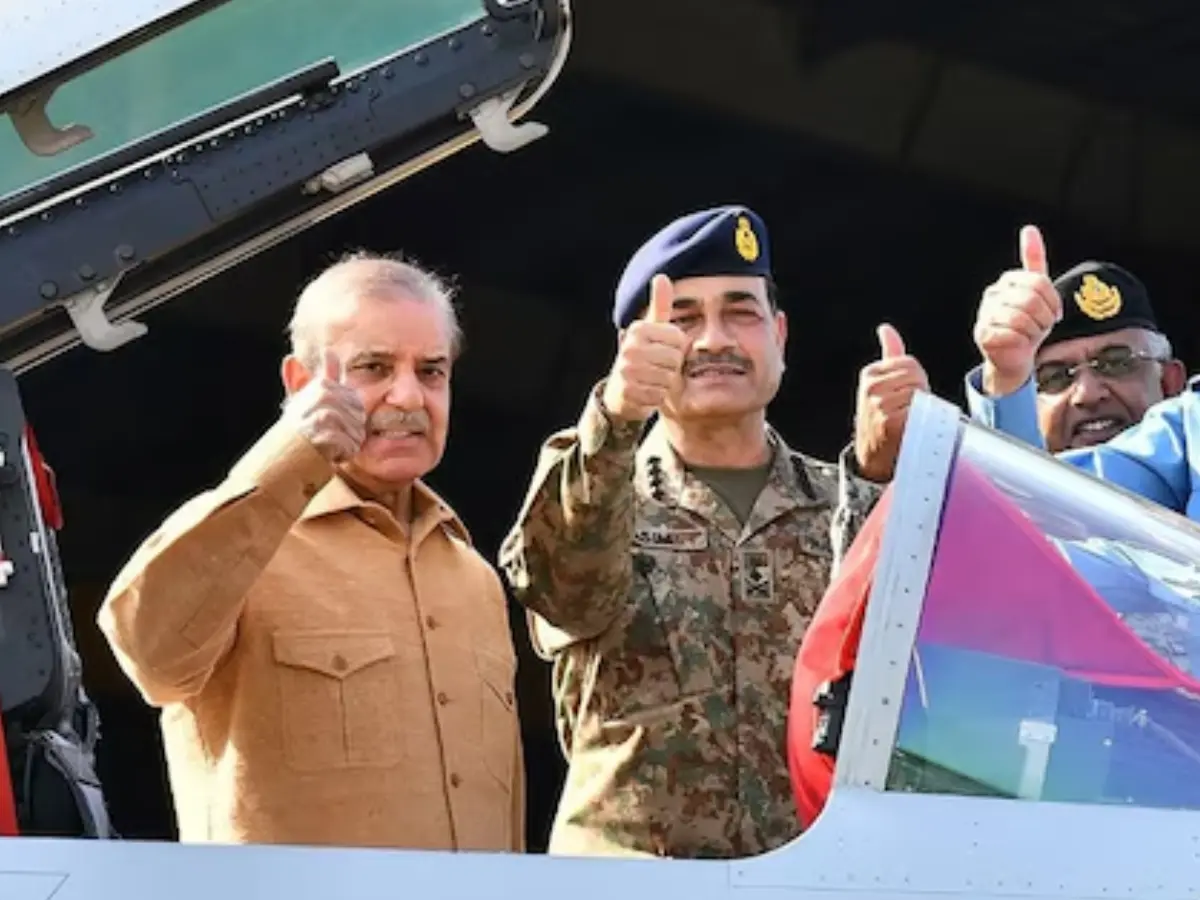
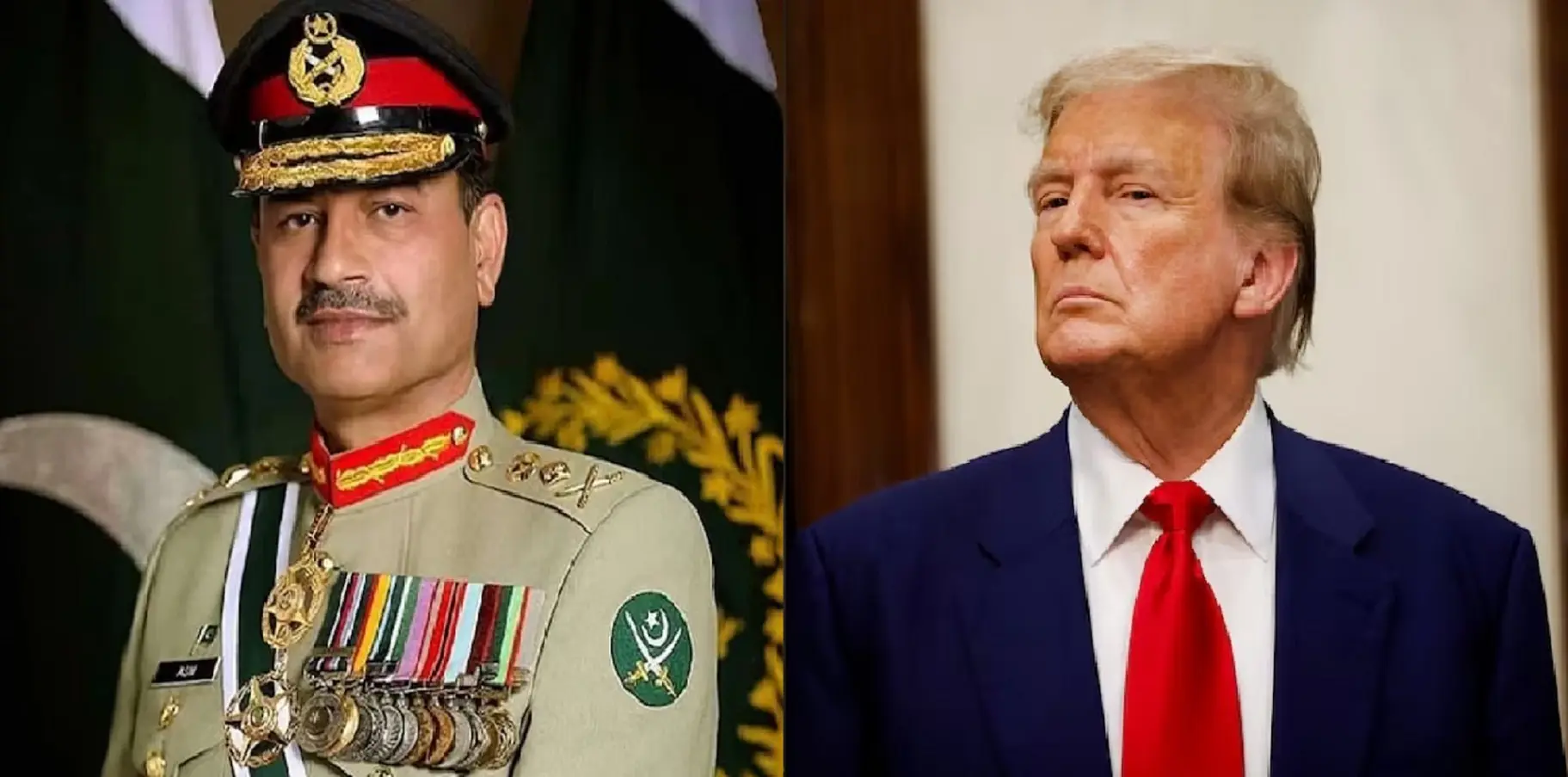
A Theatre of Fear: Why Pakistan Army Chief Asim Munir's 'Half the World' gambit finds an unimpressed audience in India.

&imwidth=600&imheight=450&format=webp&quality=medium "A Theatre of Fear: Why Pakistan Army Chief Asim Munir's 'Half the World' gambit finds an unimpressed audience in India.")
A file picture of Pakistan Army Chief Asim Munir Photograph: (Others)
Asim Munir's claim of “taking down half the world” is theatre. Pakistan has no publicly known intercontinental-range system in service; its credible reach is regional, not global
Pakistan’s army chief, Field Marshal Asim Munir, reportedly told a private gathering in Tampa, Florida, that Pakistan would “take half the world down” if it was going down—and that Indian dams could be “finished with 10 missiles.” These lines were relayed by attendees of a closed-door dinner; there’s no public video or official transcript, but multiple outlets carried the account on 10–11 August. Treat the quotes as reported, not proven. Still, the message is clear: open nuclear brinkmanship, delivered on American soil.
Why say this in the US, and why now?
Three reasons stand out. First, timing: Munir’s remarks coincided with the US Central Command’s change-of-command ceremony in Tampa on 10 August, where Gen Michael E Kurilla handed charge to Adm Brad Cooper. The event drew senior American brass and global attention, giving Munir a big stage on the sidelines. Second, access: his visit included meetings with top US military leaders, keeping Pakistan in Washington’s line of sight during a period when Islamabad worries about fading influence. Third, audience: speaking in Florida let him rally the Pakistani diaspora and signal to US policymakers that Pakistan is still “too risky to ignore.” That’s classic “weaponising instability”—reminding the world that isolation could be costly.
Now to capability versus rhetoric. Pakistan is a nuclear weapons state with an estimated triple-digit arsenal and a broad missile mix—short-range systems like Nasr/Ababeel for battlefield roles and medium-range systems like Shaheen and Ghauri able to reach anywhere in India. That is real deterrent power. But the claim of “taking down half the world” is theatre. Pakistan has no publicly known intercontinental-range system in service; its credible reach is regional, not global. So, while the threat is frightening, it is not a realistic description of worldwide strike ability. (This is why many observers see the Tampa lines as psychological pressure, not a war plan.)
What about the “10 missiles for Indian dams” line? Hitting large dams is not just a military act—it is ecological warfare with mass-casualty potential downstream on the Indus system. The point of saying it aloud is to frighten, raise crisis costs, and deter India from building leverage after New Delhi held the Indus Waters Treaty in abeyance post-crisis. But again, saying it in the US is the real tactic: to broadcast risk before American ears and nudge Washington to lean on India.
Trending Stories
)
)
)
)
)
)
)
)
)
)
)
)
)
)
)
)
)
)
)
)
)
&im=FitAndFill=(700,400))
)
)
)
)
)
)
)
)
&im=FitAndFill=(700,400))
)
)
&im=FitAndFill=(700,400))
)
India’s response space is broader than it was a decade ago. In July–August, Indian officials and experts have spoken more openly about the tools used in May’s crisis response—BrahMos leading precision strikes and Akashteer guarding the skies. This isn’t chest-thumping; it is quiet signalling that India has credible conventional options and an improving defensive shield. Politically too, the ruling coalition has framed Operations Sindoor/Mahadev as a “new normal” of proportionate but firm action after terror attacks, which supports continued investment in readiness.
On the defensive side, India fields layered measures: long-range detection networks, quick-reaction surface-to-air systems, and high-end imports like the S-400 integrated with indigenous command-and-control (e.g., Akashteer). None of this makes India invulnerable—missile defence never offers a 100% wall—but it raises the bar for any attacker and preserves decision-time for leaders in a fast-moving crisis. The message to any “10 missiles” talk is simple: some will be shot down, and any strike invites a calibrated and punishing response.
On the nuclear side, India’s doctrine remains centred on credible minimum deterrence and a strong retaliatory capability, historically paired with no-first-use language. Pakistan’s habit of speaking loosely about nuclear use to shield sub-conventional actions is meant to narrow India’s choices. But the pattern since early May shows India using precise conventional force, information discipline, and political signalling rather than rushing up the nuclear ladder. That mix preserves deterrence while denying Pakistan an easy escalatory narrative.
So, what was the context in July and August that pushed Munir toward such talk? Three threads:
• US stagecraft: With a CENTCOM handover in Tampa, Pakistan’s top general had a rare, concentrated American audience. Loud words travel fast in that setting.
• Narrative contest post-crisis: India has been publicly detailing the professionalism and indigenous content behind its May response. That undercuts Pakistan’s old script that India will self-deter. The Tampa rhetoric tries to restore fear.
• Diaspora leverage: Closed-door diaspora events are ideal for fund-raising, lobbying, and message seeding. A dramatic line—“half the world”—gets headlines back home and pressure points abroad.
Where does this leave India? First, do not overreact to bluster. Treat the Tampa quotes as reported but unverified; respond to the risk, not the noise. Second, keep strengthening the conventional edge—more standoff precision, better air defence coverage, faster decision loops. Third, continue clear political signalling: India will hit back proportionately after terrorism—without taking the bait of reckless rhetoric. Recent government and industry messaging in August shows exactly that balance.
Finally, a word on American optics. The US military just shifted CENTCOM leadership, and Washington’s bandwidth is divided across theatres. Munir’s aim in Tampa was to force attention—by linking Pakistan’s fate to global catastrophe. The better answer—for India, the US, and the region—is to refuse nuclear blackmail as a diplomatic tool, maintain channels for crisis management, and keep building India’s credible, layered deterrence so that threats about “half the world” stay where they belong: in the realm of desperate talk, not doable action.