One year on, Uri’s border villages still bear the scars of LoC violence

&imwidth=600&imheight=450&format=webp&quality=medium "One year on, Uri’s border villages still bear the scars of LoC violence")
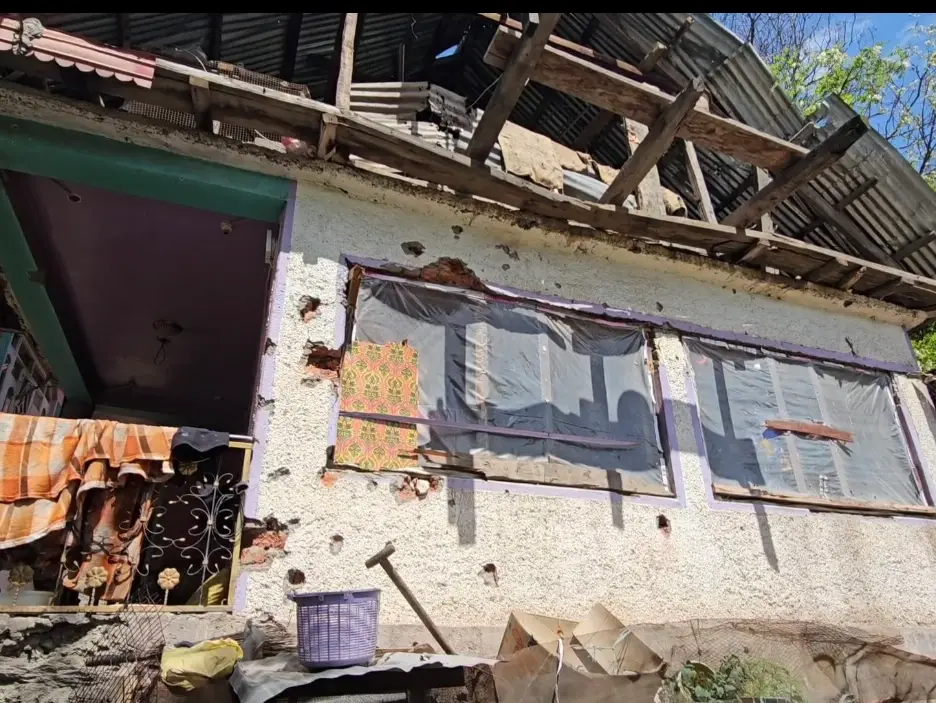
One year on, Uri’s border villages still bear the scars of LoC violence Photograph: (WION)
A year after Line of Control tensions, villages in Uri still struggle to recover from shelling damage. Residents cite slow rebuilding, trauma, and lack of bunkers despite compensation, highlighting ongoing vulnerabilities in border areas.
A year after the escalation that rattled parts of Jammu and Kashmir along the Line of Control, the villages that bore the brunt of the violence are still struggling to rebuild physically, economically, and emotionally.
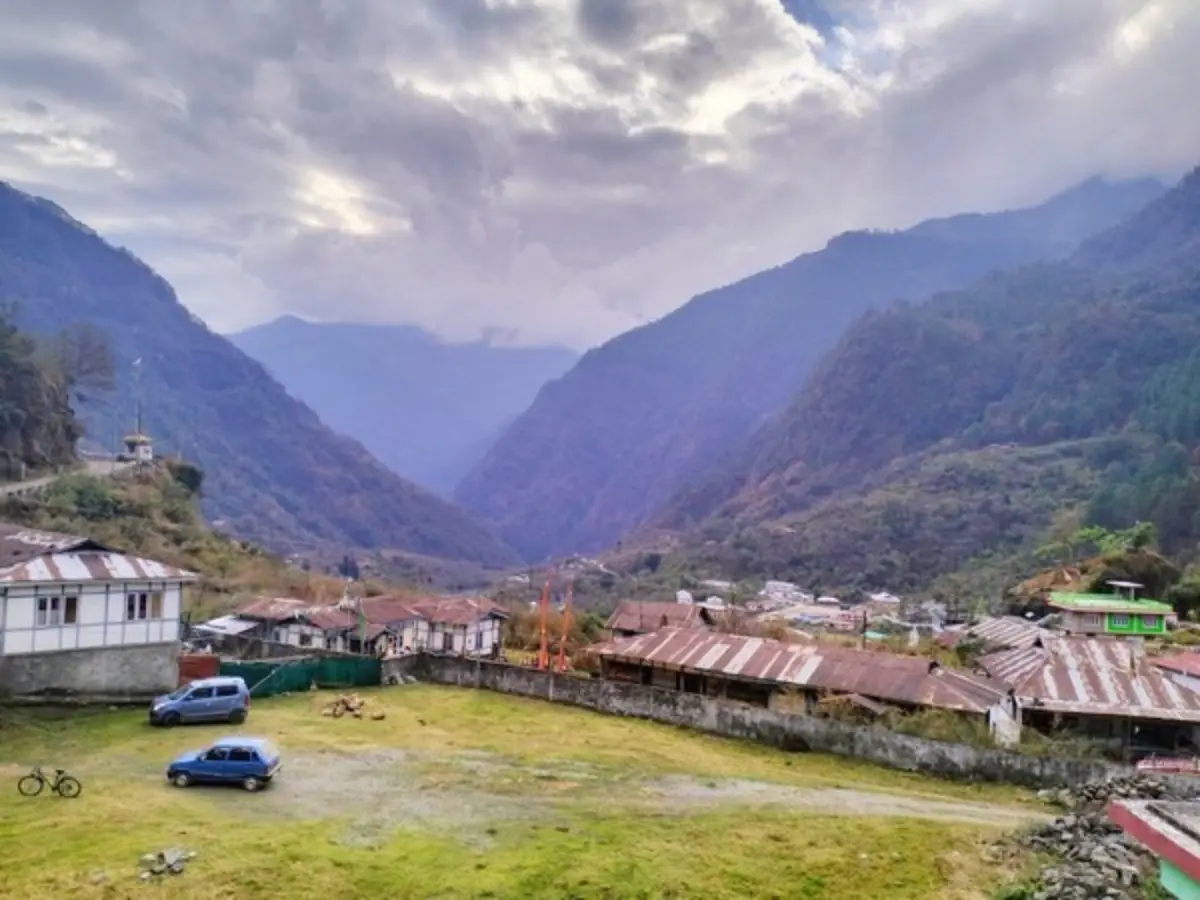
In North Kashmir’s Baramulla district, particularly in the Uri sector , the scars of the May 2025 ceasefire violations remain visible. Damaged homes with patched tin roofs, shuttered or half-rebuilt shops, and rusting vehicle frames line the roads, silent reminders of the sudden escalation that followed cross-border shelling and drone attacks.
What was once a crisis dominating headlines has now faded from national attention. But on the ground, little has changed for residents. The debris may have settled, yet the recovery has been slow and uneven. Many families continue to live in partially repaired homes, navigating daily life amid the remnants of destruction.
''We had shells raining down on our home, we truly believed we wouldn’t survive. Thankfully, a ceasefire was announced just in time, and we were spared. But the fear never leaves us; even the sound of a bursting tyre makes us panic. The state and central governments provided ₹3 lakh in compensation, yet the damage to my house amounts to nearly ₹20 lakh. We have repeatedly requested a bunker for safety, but despite enduring the brunt of these ceasefire violations time and again, our pleas remain unanswered,” said Sheikh Abdul Rehman, Local Uri.
Trending Stories
&im=FitAndFill=(700,400))
)
)
)
)
&im=FitAndFill=(700,400))
)
)
)
)
)
)
)
)
)
)
)
&im=FitAndFill=(700,400))
)
)
)
)
)
&im=FitAndFill=(700,400))
)
)
)
)
)
&im=FitAndFill=(700,400))
)
)
)
A key concern among villagers is the lack of basic safety infrastructure. Despite the vulnerability of these border areas, many communities still do not have access to reinforced bunkers or shelters. In regions within direct range of cross-border fire, this absence is seen not merely as an administrative delay, but as a serious gap in preparedness.
Residents argue that while peace along the border is unpredictable and often influenced by larger geopolitical forces, protective measures for civilians should not be. ''As long as Pakistan continues to maintain terror launch pads, the threat will persist and lasting peace will remain out of reach. We have not been provided any bunkers so far, only assurances that they are being planned. For those of us living along the border, bunkers are just as essential as our homes.” said Sajad Naqwai, Uri Local.
Officials, however, maintain that reconstruction efforts are ongoing and that long-term development and safety plans are in progress. They point to compensation schemes, phased rebuilding initiatives, and proposals for improved infrastructure.
