Citing Islamabad-North Korea connect, India urges Japan not to share advanced defence technology with Pakistan

&imwidth=600&imheight=450&format=webp&quality=medium "Citing Islamabad-North Korea connect, India urges Japan not to share advanced defence technology with Pakistan")
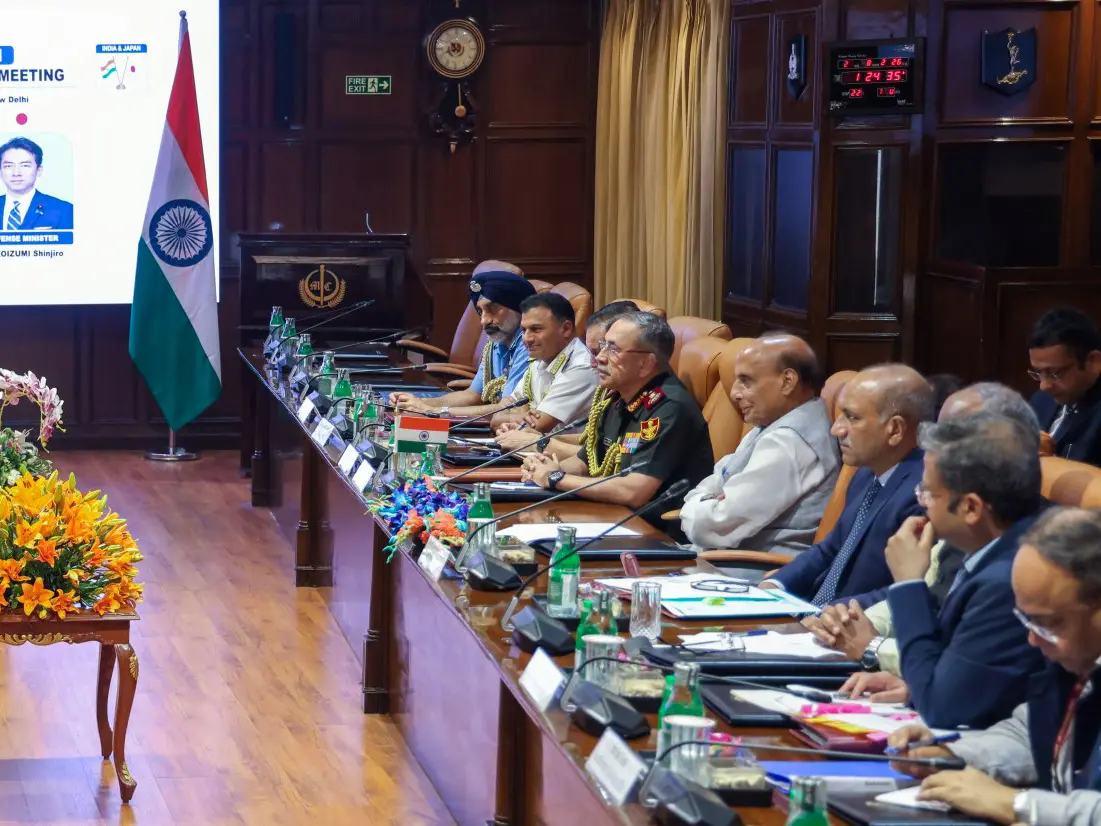
India Defence Minister Rajnath Singh and Japan's Defence Minister Shinjirō during the Defence Ministers' meeting. Photograph: (ANI)
India’s caution over technology transfers to Pakistan draws on a well-documented history of nuclear proliferation. According to US intelligence assessments, Pakistan supplied uranium enrichment technology to North Korea.
India has asked Japan to refrain from transferring advanced technology or technical know-how to Pakistan, warning that such capabilities could ultimately reach North Korea, according to details emerging from high-level defence talks in New Delhi.
The request was among the key points raised during a meeting on Thursday between India’s Defence Minister Rajnath Singh and his Japanese counterpart Shinjiro Koizumi. Koizumi is on his maiden visit to India, which began with a high-profile tour of the Western Naval Command in Mumbai.
India’s caution over technology transfers to Pakistan draws on a well-documented history of nuclear proliferation. According to US intelligence assessments, Pakistan supplied uranium enrichment technology to North Korea. Nuclear scientist Abdul Qadeer Khan, often called the father of Pakistan’s bomb, made multiple visits to the isolated state and later acknowledged providing centrifuges, designs and technical assistance.
Closer cooperation traces back to then-Prime Minister Zulfikar Ali Bhutto’s 1976 visit to Pyongyang, with further contacts including Benazir Bhutto’s trip in December 1993. The links drew intense international scrutiny after 2002 when US officials publicly connected Pakistan to North Korea’s secret uranium enrichment programme.
The talks in Delhi coincided with reports that North Korea had fired an unidentified projectile, according to South Korea’s military.
Trending Stories
)
)
)
)
)
)
)
)
)
)
)
)
)
)
)
)
)
)
)
)
)
)
)
)
)
)
)
)
)
)
)
)
)
)
&im=FitAndFill=(700,400))
)
)
)
)
The Indian and Japanese defence ministers issued their first joint statement focused specifically on defence cooperation. Navy ties formed a central theme. The statement said the sides would “explore the possibility of joint development in naval shipbuilding and design by leveraging Japan’s technological expertise and India’s production capabilities in accordance with their respective relevant policies.”
Indo-Pacific security dominated discussions. India and Japan agreed to work with third countries on maritime cooperation in the region. They also pledged further progress through the Indo-Pacific Logistics Network (IPLN) to help partner nations during natural disasters by transporting personnel and supplies. A second tabletop exercise under the IPLN is scheduled for September at Japan’s Ministry of Defence.
The ministers noted the steady strengthening of defence ties under the “Japan-India Special Strategic and Global Partnership,” describing it as “one of the pillars for peace, stability and prosperity in the Indo-Pacific.” Indian Defence Minister Singh welcomed Japan’s recent review of its framework for transferring defence equipment and technology. He “expressed his expectation that Japan would further contribute to peace and stability in the Indo-Pacific region and the wider world” and looked forward to a deeper defence and technology partnership between the two countries, the joint statement said.
