What is the ICT? Bangladesh’s war crimes tribunal that sentenced deposed PM Sheikh Hasina to death — All you need to know

&imwidth=600&imheight=450&format=webp&quality=medium "What is the ICT? Bangladesh’s war crimes tribunal that sentenced deposed PM Sheikh Hasina to death — All you need to know")
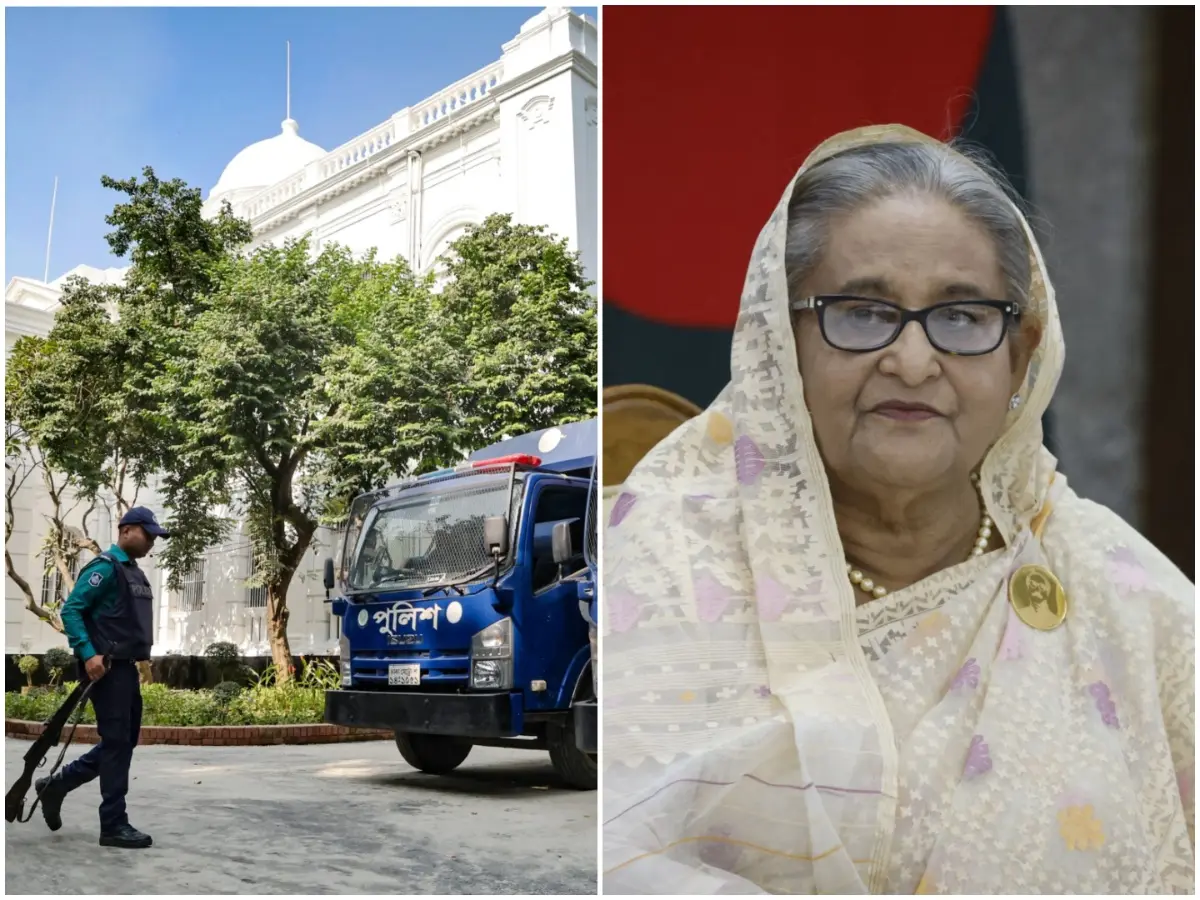
Bangladesh prime minister Sheikh Hasina convicted for crimes against humanity. Photograph: (AFP)
The International Crimes Tribunal (ICT) of Bangladesh has delivered high-profile verdicts against local collaborators under the 1973 Act, which also remained a unique effort in South Asia to achieve transitional justice.
The International Crimes Tribunal (ICT) of Bangladesh has convicted ousted prime minister Sheikh Hasina to death for crimes against humanity on Monday (November 17, 2025). The verdict was delivered by the ICT as hundreds watched the proceedings on big screens set up by the Ministry of Cultural Affairs across Dhaka.
The tribunal stated that Hasina, along with the then Home Minister and Inspector General of Police, collectively committed crimes against humanity. The three-member tribunal, led by Justice Md Golam Mortuza Mozumder, found her guilty of ordering a deadly crackdown on a student-led uprising last year. The court said that six people at Chankharpul were killed using “lethal weapons” during the protest on August 5.
What is the International Crimes Tribunal (ICT)?
The International Crimes Tribunal (ICT) is a special court in Bangladesh, which was established to prosecute individuals for genocide, war crimes, and crimes against humanity during the 1971 Liberation War. The ICT has delivered high-profile verdicts against local collaborators under the 1973 Act, which also remained a unique effort in South Asia to achieve transitional justice.
Its main aim was to provide transitional justice for the atrocities committed by the Pakistan Army and their local collaborators (such as the Razakars, Al-Badr, and Al-Shams paramilitaries) during the nine-month war for independence, which resulted in an estimated three million deaths and hundreds of thousands of rapes. The tribunal consists of specially appointed judges, an investigation agency, and a prosecution team. Two tribunals (ICT-1 and ICT-2) were created to expedite the trial process.
What is the history of the International Crimes Tribunal (ICT)?
Trending Stories
)
)
)
)
)
)
)
)
)
)
)
)
)
)
)
)
)
)
)
)
)
)
)
)
)
)
)
)
)
)
)
)
)
)
&im=FitAndFill=(700,400))
)
)
)
)
Ever since the Government of the Awami League came into power in 2009, it established the Crimes Tribunal of Bangladesh, naming as 'the International Crimes Tribunal (ICT)' to fulfil its longstanding commitment to the dispensation of justice for the atrocities of 1971.
The International Crimes (Tribunal) Act of 1973 serves as the legal foundation empowering authorities to investigate and prosecute individuals accused of genocide, war crimes, and crimes against humanity. It was established following strong domestic and global demands for justice and closure for victims of the Liberation War.
Since its inception, the ICT has issued multiple landmark judgments, handing life sentences and death penalties to top leaders of political and militant organisations for atrocities such as genocide, mass sexual violence, and targeted killings.

