What delayed Khamenei's funeral for four months, where was his body preserved during the delay? WION Decodes

&imwidth=600&imheight=450&format=webp&quality=medium "What delayed Khamenei's funeral for four months, where was his body preserved during the delay? WION Decodes")
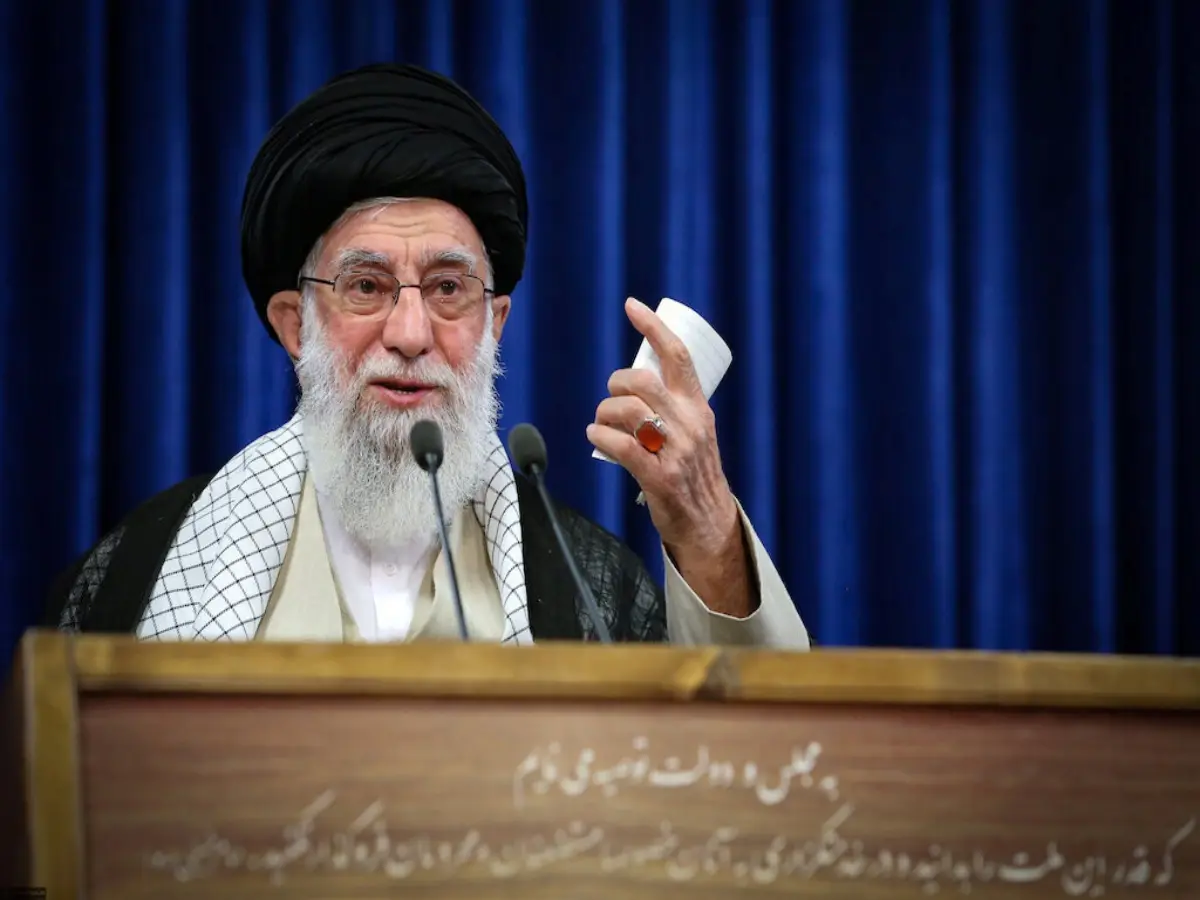
Iranian leader late Ayatollah Ali Khamenei
According to various reports Khamenei's coffin will also be taken to Iraq for ceremonies in the Shiite holy cities of Najaf and Karbala before being laid to rest near the shrine of Imam Reza in the northeastern city of Mashhad in Iran.
Four months after Iran's supreme leader late Ayatollah Ali Khamenei was assassinated in a combined airstrike by the US and Israeli forces, his funeral procession began in Tehran on Friday (July 3). It will conclude with his burial in the northeastern city of Mashhad on July 9.
Khameni's funeral ceremonies will be attended by officials from more than 100 countries, said Iranian Foreign Ministry spokesman Esmaeil Baghaei on Sunday
Between July 4 to July 6, his coffin will be at the Imam Khomeini Grand Mosalla in Tehran for public viewing. On July 6, a massive funeral procession is planned along a 10-kilometre route from Imam Hossein Square to Azadi Square. On July 7, the procession will move to the city of Qom and travel between the Shrine of Fatima Masumeh and Jamkaran Mosque.
ALSO READ: Indian delegation pays tribute to Iran's slain Supreme Leader Khamenei: Who all attended?
According to various media reports his coffin will also be taken to Iraq for ceremonies in the Shiite holy cities of Najaf and Karbala.
He will be laid to rest near the shrine of Imam Reza in the northeastern city of Mashhad and entombed, fulfilling his wish of being buried next to one of Shia Islam's most revered figures.
Trending Stories
)
)
)
)
)
)
)
)
)
)
)
)
)
)
)
)
)
)
)
)
)
)
)
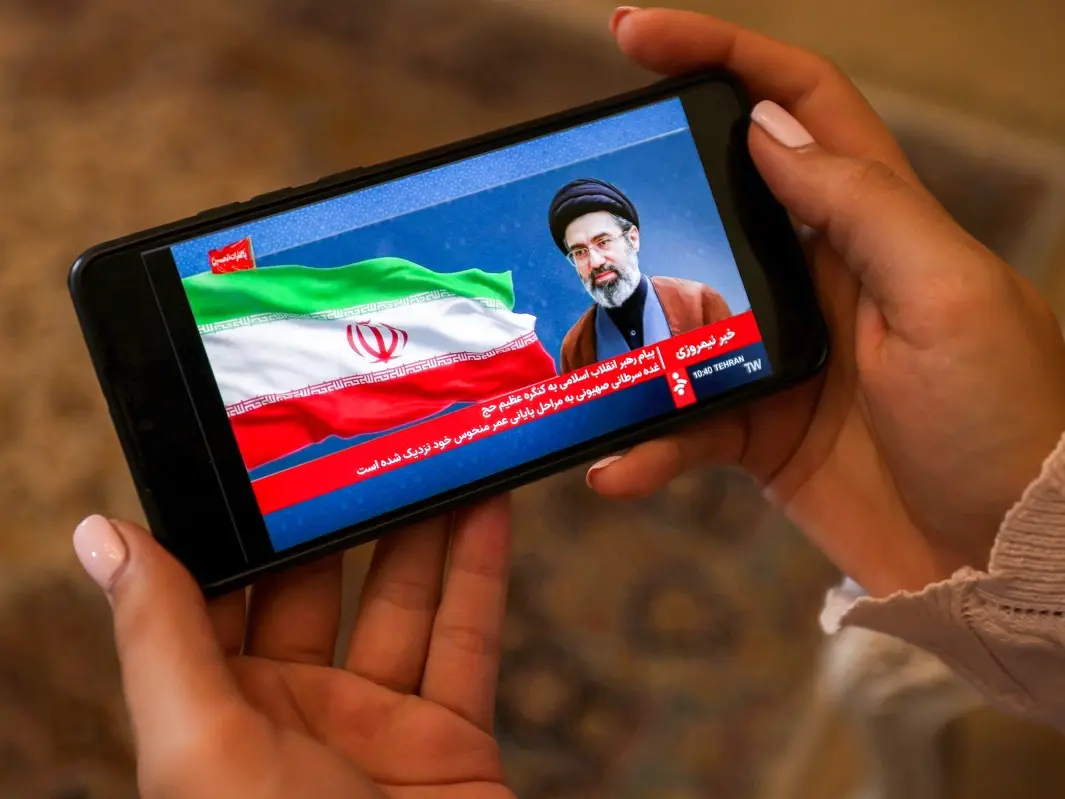)
)
)
)
)
)
)
)
)
)
)
&im=FitAndFill=(700,400))
)
)
)
)
Why was Khamenei's funeral delayed
Khamenei, who ruled Iran for nearly 37 years was killed in Israeli and US airstrikes on February 28, the first day of the US-Israel-Iran war. But why was his funeral held four months after the attack?
One of the biggest reasons was threat from US and Israel as the war was active and the funeral procession could have led to several casualties amid airstrikes and bombardments.
Earlier there were rumours that his body was temporarily buried, but Iranian officials denied the claims and said the delay was due to the active war with the United States and Israel.
Authorities also wanted to ensure security for top leadership including new Supreme Leader Mojtaba Khamenei - who reportedly will not attend the funeral even now. Another major reason being cited is the extensive infrastructure and the city-wide closures required for the ceremony to take place.
Where was Khamenei's body kept till now?
Islam generally discourages chemical embalming, so, experts say his body was refrigerated or in cold storage.
Counterterrorism expert Dr Mohammed Omar told Fox News Digital said, "Shia law allows delayed burial and preservation by cold in exceptional cases, and a clerical exemption for a supreme leader is easy to get."
"Iran's forensic morgues already hold bodies for months, so four months in freezing is not exotic. That is what 'religious and legal standards' cover," Mohammed further said.
