Trump order on marijuana will reclassify it for first time in 50 years, say reports. What will change?

&imwidth=600&imheight=450&format=webp&quality=medium "Trump order on marijuana will reclassify it for first time in 50 years, say reports. What will change?")
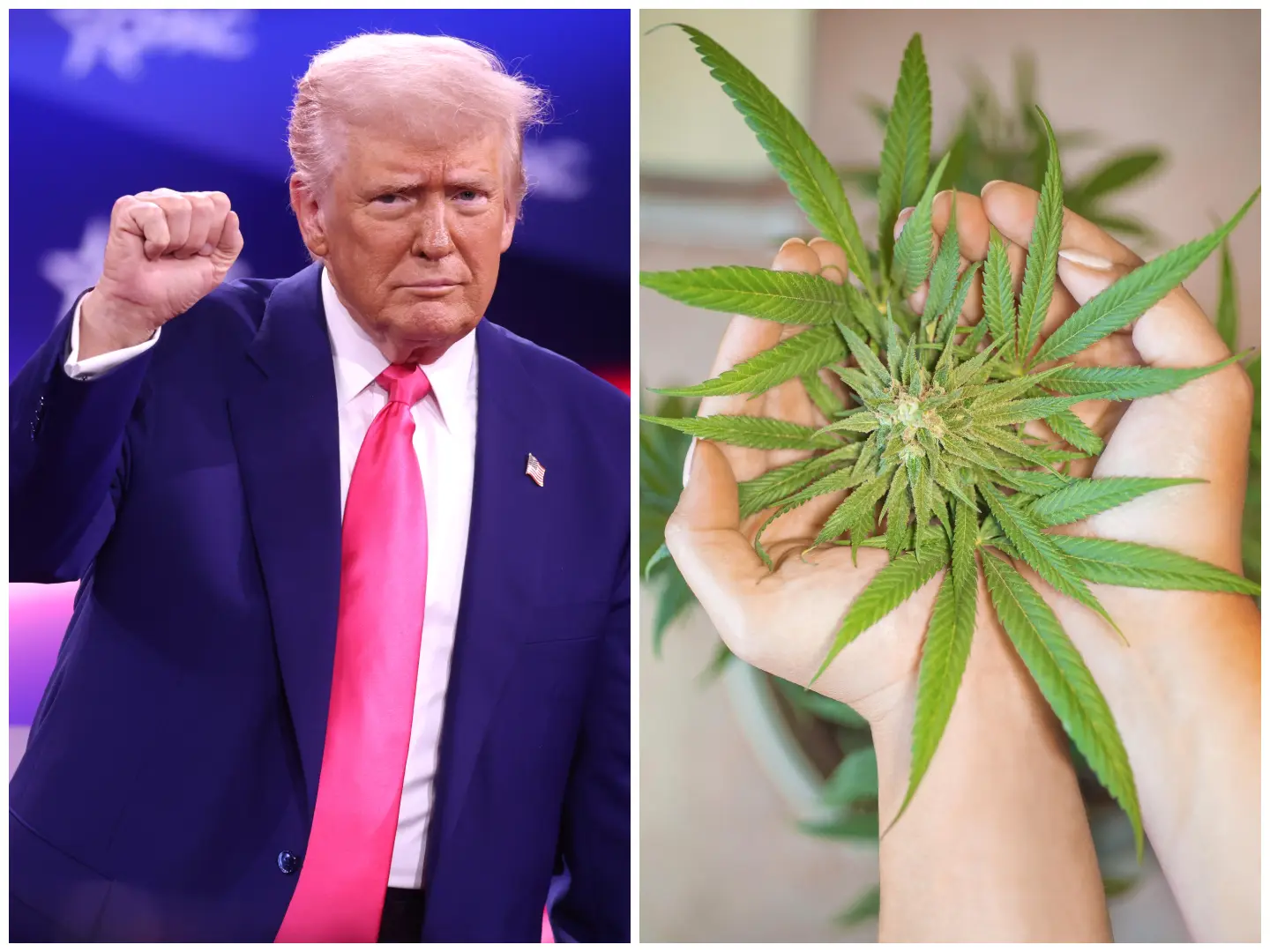
Donald Trump and marijuana Photograph: (Others)
Trump is likely to issue an order to move marijuana from Schedule I to Schedule III. This would be the biggest federal shift on hemp in 50 years. What will change, and what won't?
US President Donald Trump is planning to direct federal agencies to move marijuana from Schedule I to Schedule III under the Controlled Substances Act in an executive order that could come as early as next week, reports said. The White House has not confirmed it, but reports citing officials said the decision is almost certain. What will change?
What marijuana’s classification from Schedule I to Schedule III would mean
Since 1970, marijuana has been classified as a Schedule I drug, placing it alongside heroin and LSD as having a high potential for abuse and no accepted medical use. But several states have allowed adult recreational use of marijuana, as well as its medical use, mainly as a pain killer. Trump’s order, reportedly, would move it to Schedule III, which also includes ketamine, anabolic steroids, and Tylenol with codeine.
Rescheduling would acknowledge marijuana’s medical value
Trump's order, if it happens, would acknowledge the medical use of marijuana with a moderate to low dependence risk. The federal order could affect state laws that still criminalise the recreational use of cannabis. Rescheduling would reduce federal barriers to research and allow clinical trials with fewer restrictions. It could also create a boom in cannabis businesses by allowing them normal tax deductions, rather than being restricted under IRS Section 280E, which affects companies negatively.
Trending Stories
)
)
)
)
)
)
&im=FitAndFill=(700,400))
)
)
)
&im=FitAndFill=(700,400))
)
)
)
)
)
)
&im=FitAndFill=(700,400))
)
)
)
)
)
)
)
)
)
)
)
)
)
)
)
)
)
Regulated cannabis sector is already valued at 32 billion dollars
The Schedule III status could help businesses engaged in both the recreational and medical use of cannabis. Note that growing cannabis is still an underground business in several parts of the US and remains a punishable offence. The rescheduling would mean that banks and other financial institutions can work with cannabis businesses, subject to relevant legislation.
Will rescheduling legalise or decriminalise recreational marijuana nationally?
This is unlikely as the Trump order would not be able to authorise adult-use cannabis in nearly half of the 50 states where it remains prohibited. The order would not permit interstate marijuana commerce or remove federal penalties for possession or use outside a medical context. State-licensed dispensaries of medical marijuana might not get federal protection to operate, either.
What is the status of marijuana in the US?
Despite its widely known use in both recreation and medicine, America has had a conflicted relationship with the herb. Adult recreational use is allowed in 24 states besides the District of Columbia. Forty states allow medical marijuana. In some states, it is still a civil offence to possess marijuana beyond statutory limits. States like Idaho and Kansas continue to prohibit all marijuana use, medical or recreational.
Will rescheduling override state policies on marijuana?
It is highly unlikely, as states that permit recreational cannabis would continue operating under state authority. Eventually, the US Congress would have to pass legislation for nationwide changes to take effect.
How the marijuana status kept changing
In 2022, Trump’s predecessor Joe Biden directed federal agencies to review marijuana’s classification. In 2023, the Department of Health and Human Services recommended moving the drug to Schedule III, and the Drug Enforcement Administration proposed the change in 2024. Trump is basically acting on these recommendations.
Reactions to reports of Trump order on marijuana
Cannabis stocks rose up to 15 per cent on reports of Trump’s plans to finalise rescheduling.
Schedule III classification would be significant for taxation and research purposes. But critics warn about health concerns, including youth mental health risks and impaired driving leading to accidents.